What Causes Back Acne? Unmasking the Culprits Behind Bacne
Struggling with back acne? Learn what causes bacne, from lifestyle to skincare. Expert insights on treatment and prevention for clear, smooth skin.

Back acne, often called "bacne," can be frustrating and persistent. While the face tends to get the most attention, the back is prone to breakouts due to its higher concentration of oil glands and often-overlooked skin care routines. Understanding what causes back acne is the first step toward effective treatment and, ultimately, clear, comfortable skin. This article explores the root causes, providing actionable advice to help you manage and minimize bacne.
A crucial aspect of treating back acne is adopting non-comedogenic practices, meaning you're choosing products and behaviors that won't clog pores. This is particularly important for areas like the back, which are often covered by clothing and exposed to sweat. Let's delve into the major contributing factors and practical steps you can take to achieve clearer skin.
The Usual Suspects: Common Causes of Back Acne
Excess Sebum Production
One of the primary contributors to back acne is excess sebum production. The sebaceous glands on your back are often larger and produce more oil compared to other areas of the body. This excess oil, combined with dead skin cells and bacteria, can lead to clogged pores and the formation of acne. Hormonal fluctuations, such as those during puberty, menstruation, or pregnancy, can stimulate these glands to produce more oil.
Clogged Pores: A Major Culprit
Clogged pores are the cornerstone of acne development. They occur when a mixture of sebum, dead skin cells, and debris accumulates within the hair follicles. This buildup creates an ideal environment for bacteria, particularly *Cutibacterium acnes* (formerly *Propionibacterium acnes*), to thrive, leading to inflammation and the formation of pimples, blackheads, and whiteheads. Certain lifestyle factors can exacerbate this issue.
Sweat and Friction
Physical activity and hot weather often result in increased sweating, which, when combined with friction from clothing or sports equipment, can contribute to back acne. Sweat traps dirt and oil on the skin, and friction can further irritate the pores, increasing the risk of breakouts. Choosing breathable fabrics and showering promptly after workouts are crucial steps in preventing bacne related to these factors.
Clothing and Laundry Detergents
The materials your clothing is made of can influence back acne. Synthetic fabrics like polyester and nylon are less breathable than natural fibers like cotton, trapping sweat and heat, which promote breakouts. Similarly, certain laundry detergents and fabric softeners can leave residue on clothing, which then comes into contact with your skin, potentially causing irritation or clogging pores. Switching to fragrance-free and hypoallergenic detergents is often recommended.
Product-Related Acne
Many lotions, sunscreens, and even hair care products can contribute to back acne if they contain comedogenic ingredients (ingredients that clog pores). When these products come into contact with the back, they can easily block pores, leading to acne. Always check product labels carefully, and opt for oil-free or non-comedogenic formulations when possible.
Effective Strategies to Clear Your Back Acne
Gentle Cleansing and Exfoliation
Regular cleansing and exfoliation are essential for managing back acne. Use a gentle, non-comedogenic cleanser specifically formulated for acne-prone skin. Exfoliate 1-2 times per week with a body scrub or a washcloth to remove dead skin cells and prevent pore blockages. Avoid harsh scrubs that can irritate the skin, potentially worsening the condition.
Choose the Right Products
The products you use on your back should be chosen with care. Look for non-comedogenic lotions, sunscreens, and body washes. Ingredients like salicylic acid or benzoyl peroxide can be beneficial for treating acne. Always read labels and avoid products with known pore-clogging ingredients. If you're unsure, patch-test new products on a small area of your back before applying them more broadly.
Shower After Sweating
Showering immediately after activities that cause you to sweat, such as exercise or spending time in hot weather, is crucial. This removes sweat, oil, and bacteria from your skin, preventing pore blockages. Use a clean towel to pat your back dry, avoiding rubbing, which can cause irritation.
Wear Breathable Fabrics
Opt for clothing made of breathable fabrics like cotton or linen, especially during workouts or hot weather. This allows air to circulate, reducing sweat buildup and minimizing friction. Avoid tight-fitting clothing that can trap heat and irritate the skin. Consider loose-fitting workout clothes made of moisture-wicking materials.
Lifestyle Adjustments
Maintaining a healthy lifestyle is a great first step. Stay hydrated, eat a balanced diet, and get enough sleep, as these factors contribute to overall skin health. Managing stress can also help, as stress can sometimes trigger hormonal fluctuations that worsen acne. Avoid picking or squeezing pimples, as this can lead to inflammation, scarring, and further breakouts.
Don't Let Your Products Ruin Your Progress
You've learned about sweat, clothing, and lifestyle choices, but one of the most insidious causes of back acne can be hiding in plain sight: the ingredients in your skincare and personal care products. Many seemingly innocuous lotions, body washes, and sunscreens contain ingredients that can clog pores, leading to breakouts even if you're diligent with your cleansing routine. Fortunately, the skincare world offers tools to help you identify pore-clogging ingredients.
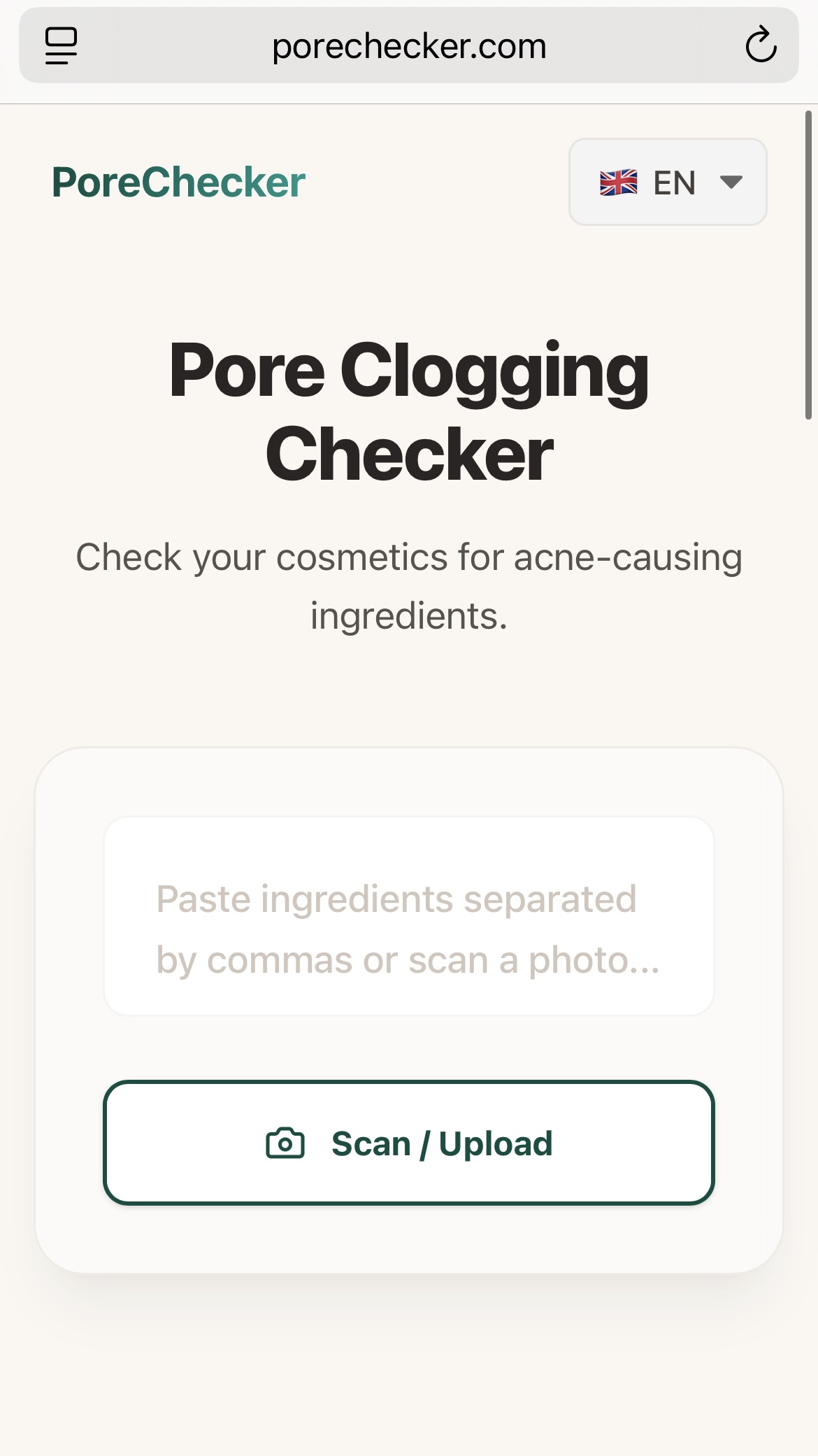
Step 1: Upload Your Product Image
Simply snap a photo of the ingredient list on the back of any bottle, jar, or box. No typing required.
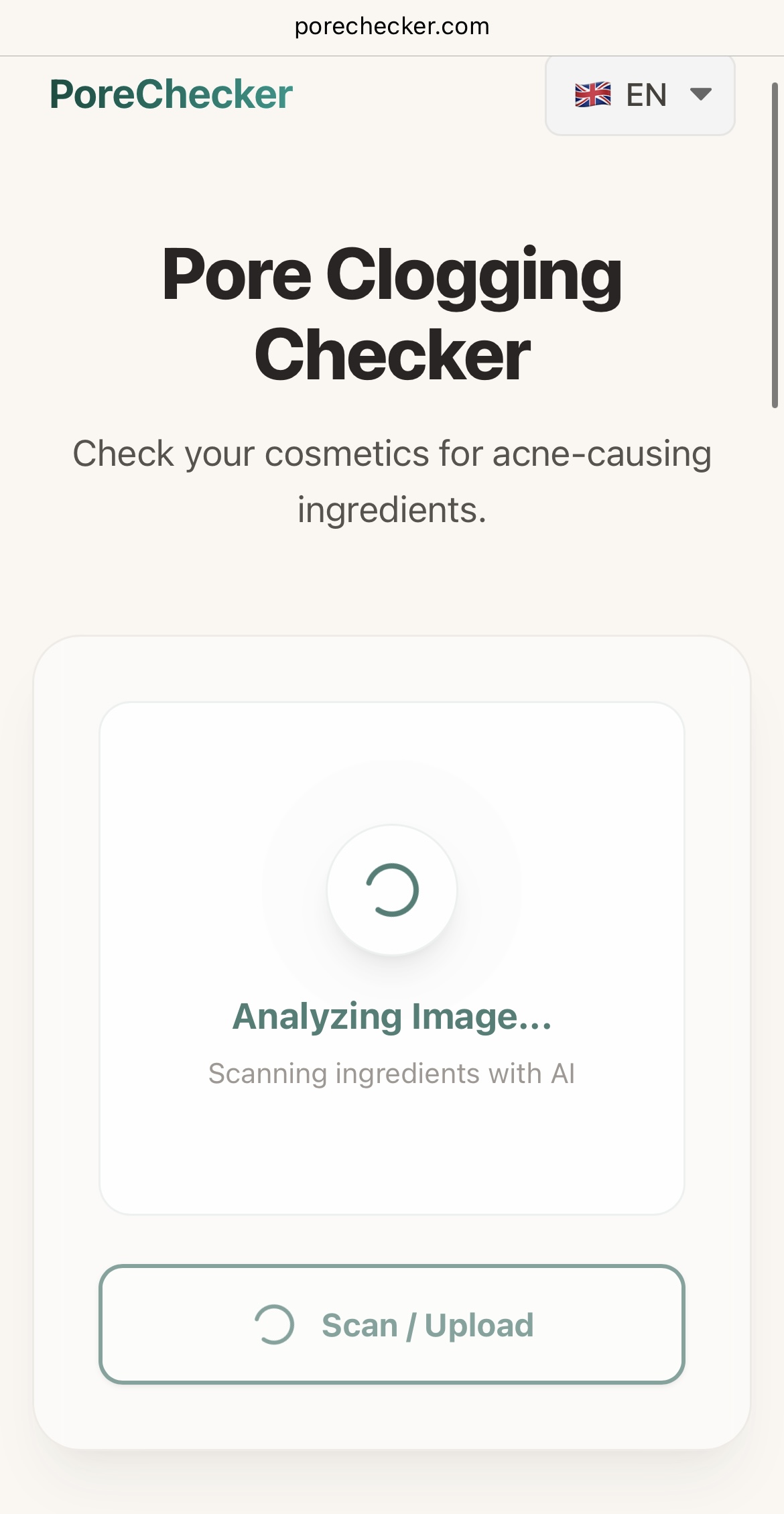
Step 2: Instant AI Ingredient Analysis
Our advanced AI scans the image, performs OCR (Optical Character Recognition), and matches every ingredient against our curated database of comedogenic substances.
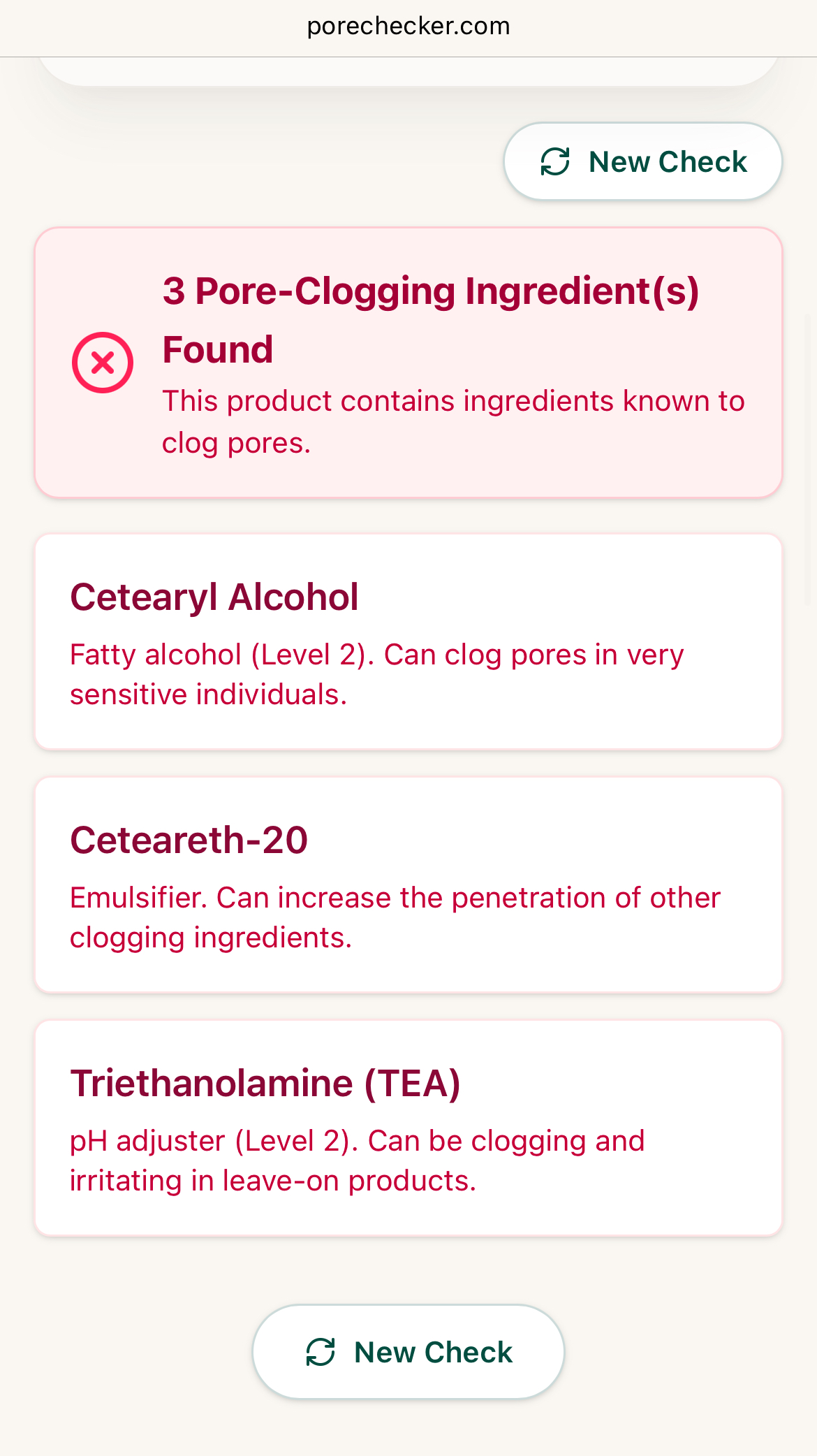
Step 3: Clear Results for Clearer Skin
You get an immediate breakdown. If any red-flag ingredients are found, we highlight them and explain why they might be problematic for your pores.
Does this product fit my skin's needs?
Check Your Products Now