What Do Acne Scars Look Like? Identifying Your Skin’s Texture and Pigment Changes
Distinguish between hyperpigmentation and permanent texture loss. Learn what do acne scars look like and how to treat them effectively.
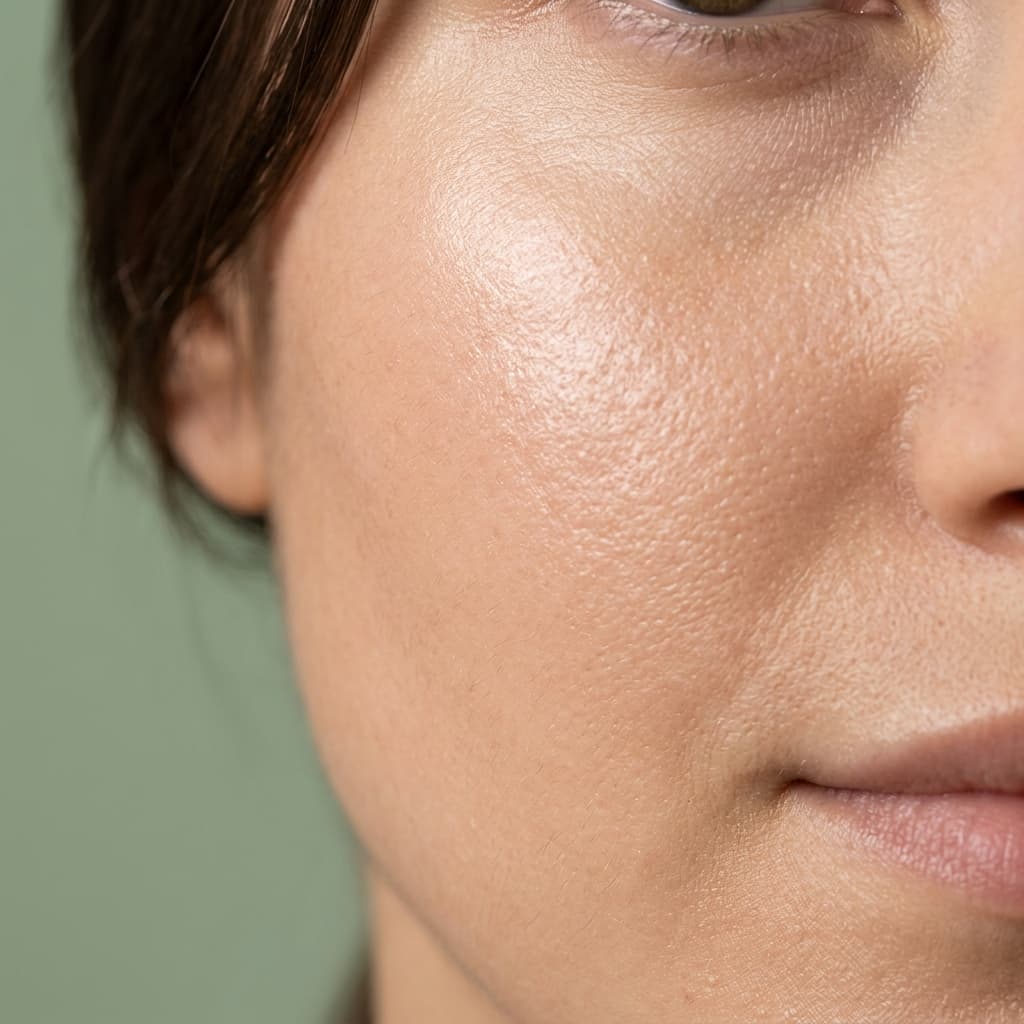
Skin healing is a complex biological process, and for many, the aftermath of a breakout leaves behind more than just a memory. When we discuss post-acne marks, there is often confusion between temporary discoloration and actual structural scarring. Understanding the distinction is the first step toward effective management and long-term skin health. As a dermatologist, I frequently see patients misidentify simple redness as deep scarring, which leads to unnecessary aggressive treatments.
To treat the skin properly, you must first support its barrier. This means being diligent about non-comedogenic skincare—products that do not clog pores. Even when you are targeting past marks, introducing ingredients that congest the follicular canal can trigger new inflammation, resetting your recovery clock. Achieving a clear complexion requires a strategy that respects the skin’s integrity while addressing the damage left behind by previous inflammation.
Visualizing the Damage: What Do Acne Scars Look Like?
The most critical distinction to make is between Post-Inflammatory Hyperpigmentation (PIH) and true dermal remodeling. PIH presents as flat, discolored patches ranging from light pink to dark brown. These are not scars; they are an overproduction of melanin triggered by the healing process. Because there is no structural indentation, these respond well to brightening agents and, most importantly, consistent sun protection.
Atrophic Scars: The Loss of Volume
True scarring occurs when the skin loses the ability to heal back to its original thickness. Atrophic scars are characterized by a depression or "pitted" appearance. We categorize these as icepick, boxcar, or rolling scars. Icepick scars are deep, narrow, and look like a puncture wound. Boxcar scars have defined, sharp vertical edges, while rolling scars create a wave-like texture across the surface of the skin due to tethering bands of fibrous tissue beneath the surface.
Hypertrophic Scars: The Excess Collagen
While less common in acne patients than atrophic scarring, hypertrophic scars present as raised, thickened tissue. This happens when the body overcompensates during the wound-healing phase, depositing too much collagen in the affected area. These are often firm to the touch and can sometimes extend beyond the original site of the inflammation.
Don't Let Your Products Ruin Your Progress
While you may be focused on smoothing the texture of atrophic scars or fading dark spots, it is entirely possible to accidentally re-trigger the very inflammation that caused the damage in the first place. Many skincare products, even those marketed for "problem skin," contain hidden comedogenic ingredients that cause sub-clinical congestion. This slow buildup of debris keeps the skin in a state of low-grade inflammation, preventing the deep healing required for scar recovery. Before you commit to a new serum or moisturizer to treat your scars, you should verify every ingredient to ensure your routine remains truly non-comedogenic and supportive of your skin's restoration.
Step 1: Upload Your Product Image
Simply snap a photo of the ingredient list on the back of any bottle, jar, or box. No typing required.
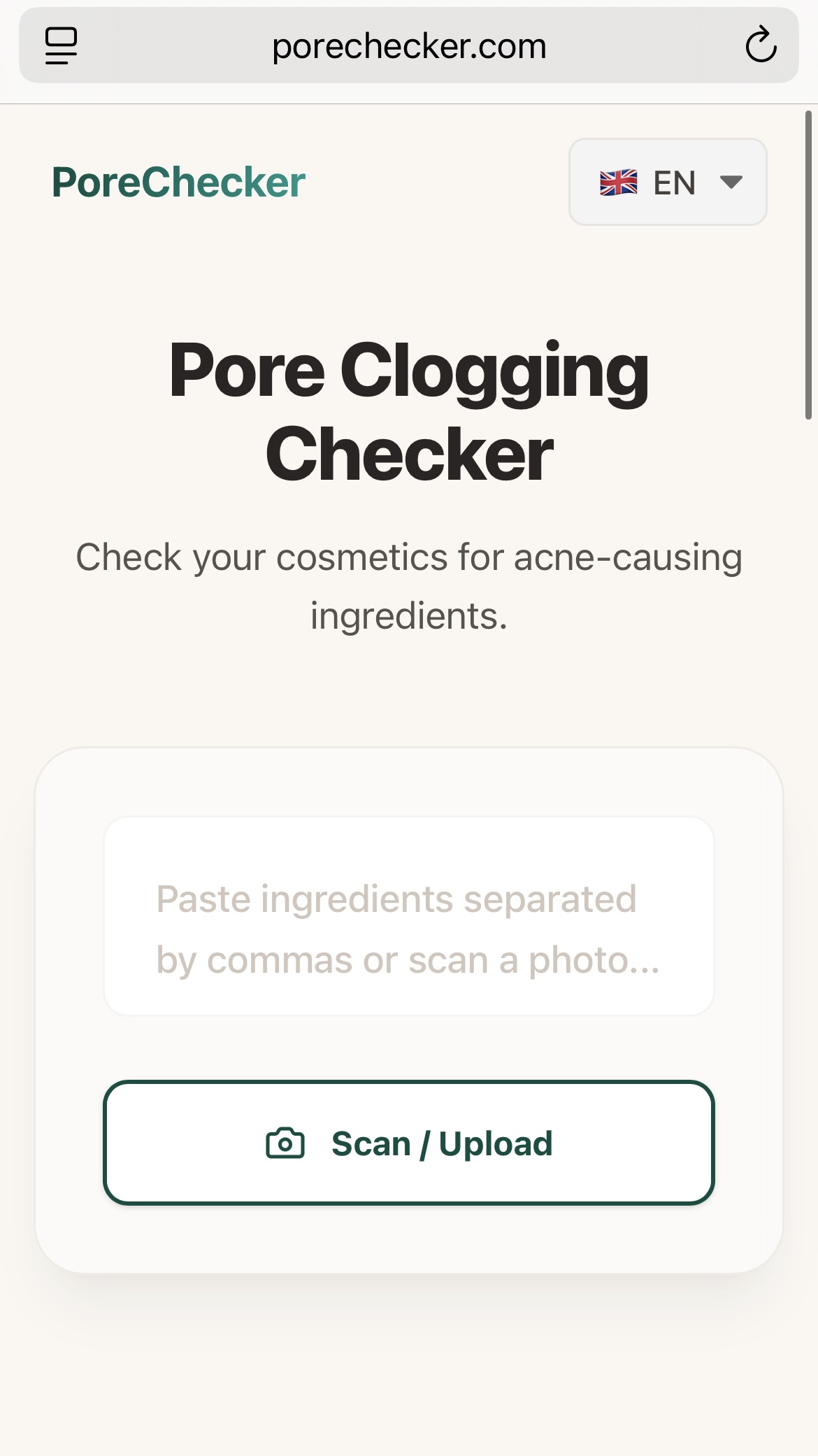
Step 2: Instant AI Ingredient Analysis
Our advanced AI scans the image, performs OCR (Optical Character Recognition), and matches every ingredient against our curated database of comedogenic substances.

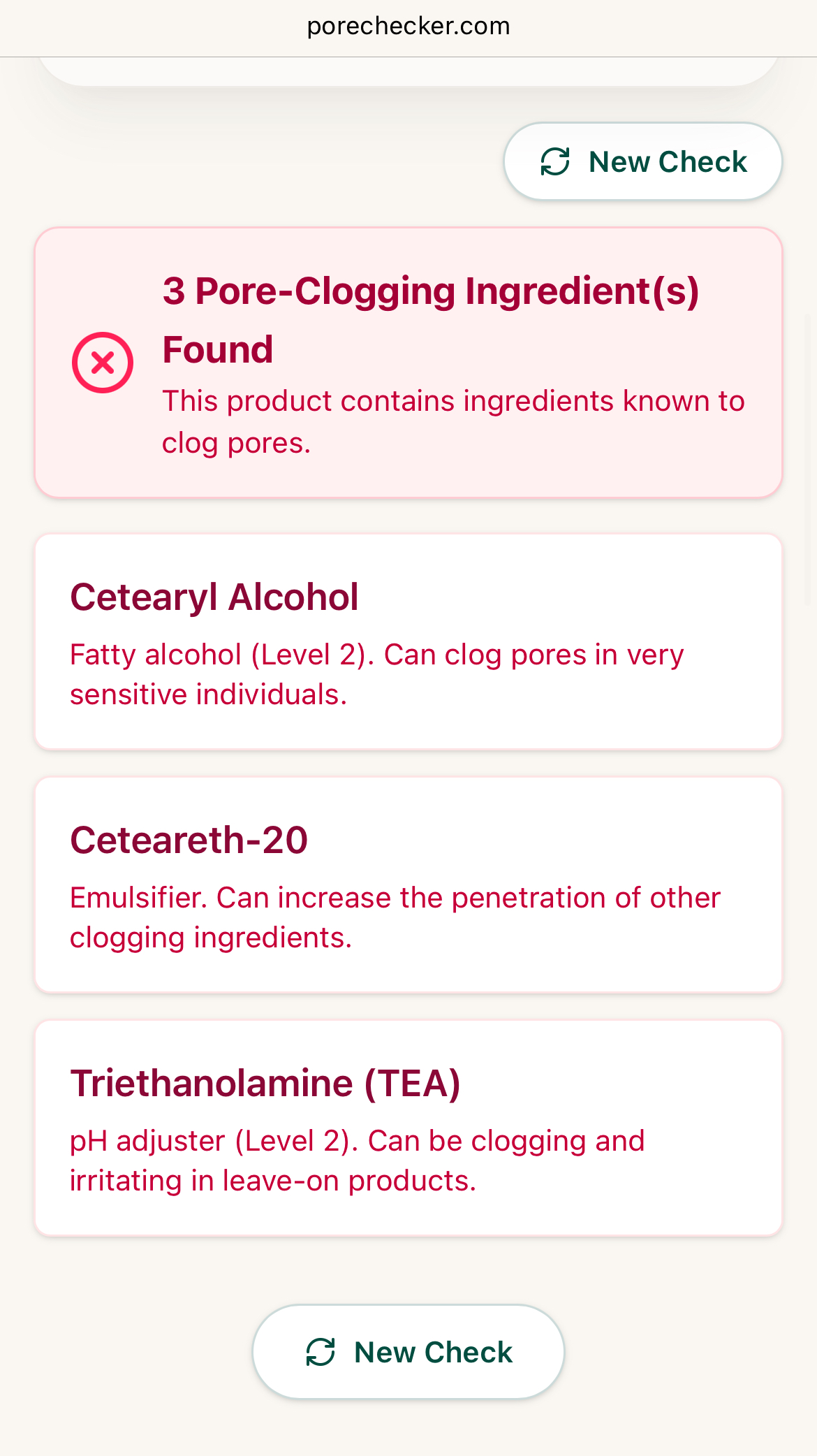
Step 3: Clear Results for Clearer Skin
You get an immediate breakdown. If any red-flag ingredients are found, we highlight them and explain why they might be problematic for your pores.
Does this product fit my skin's needs?
Check Your Products Now