What Does Baby Acne Look Like and How Should You Treat It?
Struggling with infant skin issues? Learn what does baby acne look like and how to care for your baby's delicate skin barrier safely.

As a dermatologist, I often see parents arrive in my office feeling distressed by the sudden appearance of bumps on their newborn’s face. It is a common rite of passage, yet the sight of irritated skin on such a delicate subject can be unsettling. Understanding the nature of neonatal acne is the first step toward effective management and peace of mind.
Neonatal acne typically surfaces between two to six weeks of age, manifesting as small, red, or white pustules. Unlike adult acne, which is often driven by external factors or intense hormonal shifts, these breakouts are largely attributed to the residual influence of maternal hormones circulating in the infant's system. Because a baby's skin barrier is still in its infancy, using non-comedogenic care is paramount to prevent exacerbating these sensitive lesions.
Identifying the Symptoms
When parents ask what does baby acne look like, the visual evidence is usually distinct. You will generally notice clusters of small, inflamed papules or whiteheads concentrated on the cheeks, nose, or forehead. In some cases, the skin surrounding these bumps may appear slightly red or mottled, particularly when the baby is crying or warm.
Distinguishing Acne from Other Conditions
It is essential to differentiate between true neonatal acne and other common infant skin conditions. Heat rash, for instance, often appears in skin folds where moisture is trapped, while eczema typically presents as dry, scaly, or itchy patches. If the breakout is accompanied by a fever or the baby appears physically unwell, it is always wise to consult your pediatrician rather than attempting to treat the condition as simple acne.
A Gentle Approach to Skin Care
The golden rule for managing infant breakouts is to resist the urge to "treat" them with adult skincare products. You should never apply acne washes, salicylic acid, or exfoliating scrubs to a baby’s face. These ingredients are far too aggressive for an infant’s microbiome. Instead, focus on keeping the skin clean with plain, lukewarm water and a gentle, fragrance-free cleanser specifically formulated for sensitive skin.
Patience is your best tool. In the vast majority of cases, neonatal acne resolves on its own without any intervention within a few weeks or months. Harsh scrubbing or heavy, occlusive creams can trap bacteria and impede the natural healing process, potentially leading to increased inflammation.
Don't Let Your Products Ruin Your Progress
While baby acne is a hormonal byproduct that eventually clears on its own, your choice of skincare and laundry products can inadvertently worsen the inflammation. Many common baby lotions and oils contain hidden pore-clogging ingredients that interfere with a newborn's delicate oil production, turning a mild breakout into persistent irritation. By meticulously auditing the ingredient lists of the products that touch your baby's skin—from moisturizers to detergents—you can ensure you aren't introducing unnecessary irritants. Verifying that every item in your nursery is free from comedogenic additives is the best way to support your baby's skin as it learns to regulate itself.
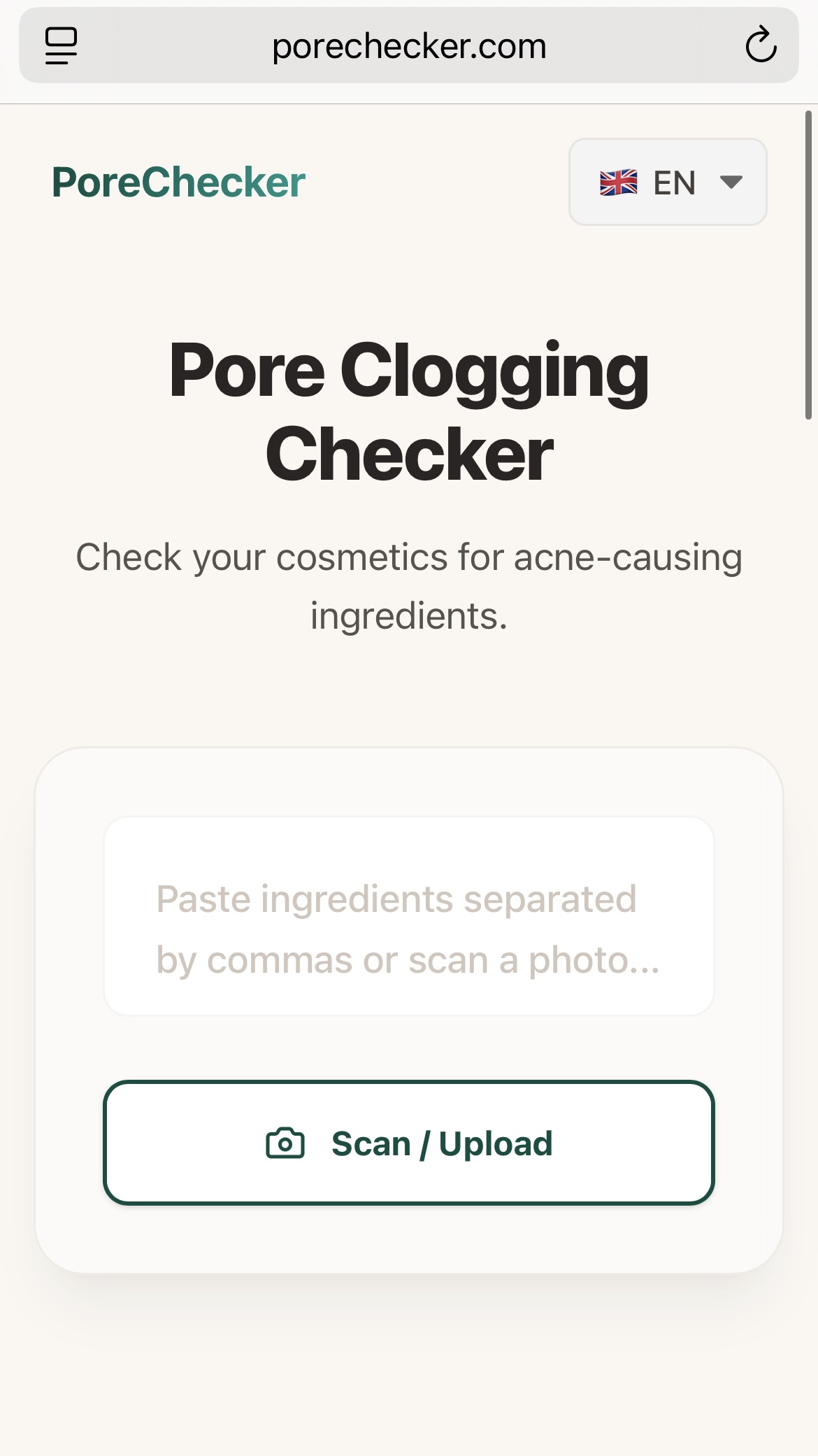
Step 1: Upload Your Product Image
Simply snap a photo of the ingredient list on the back of any bottle, jar, or box. No typing required.
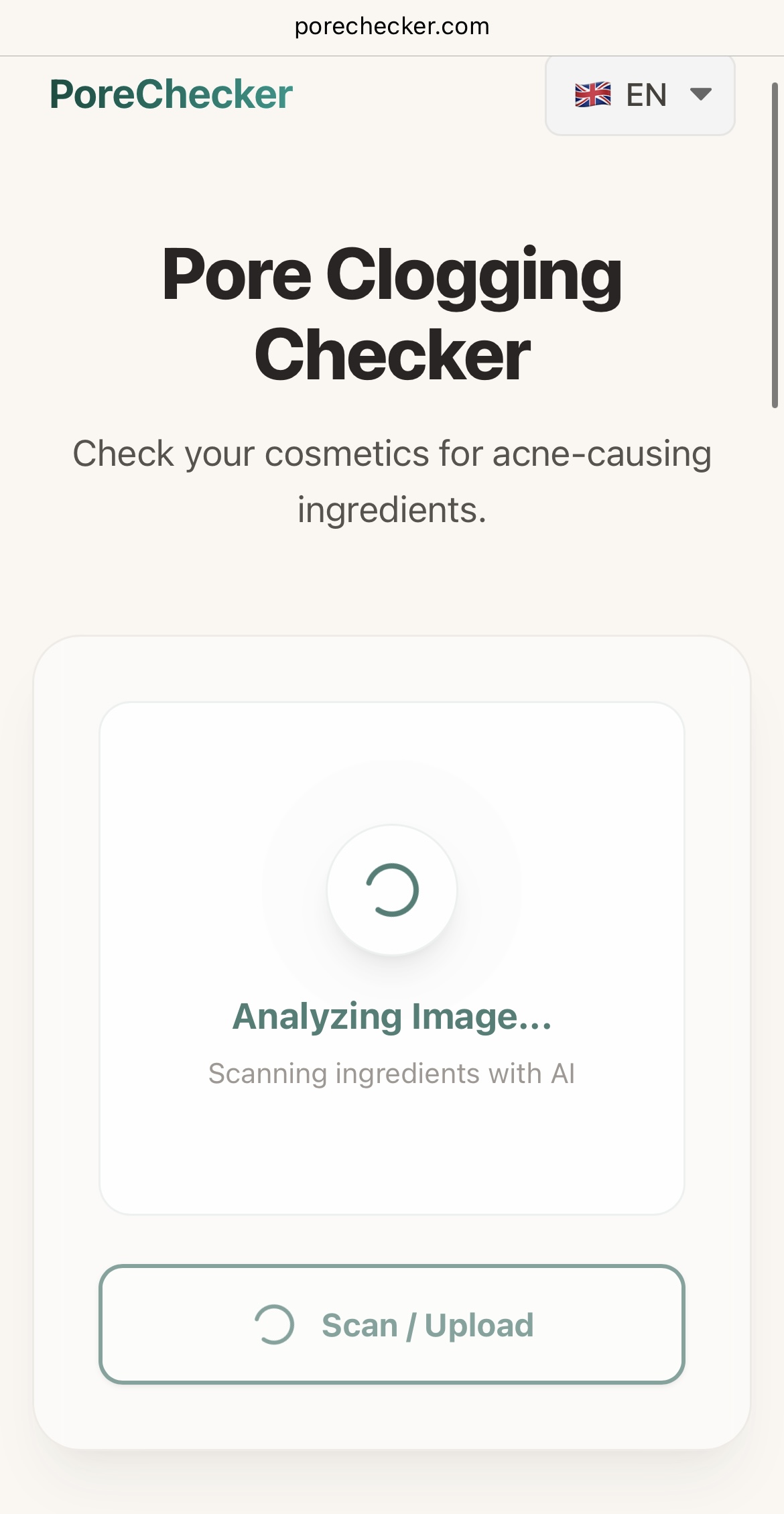
Step 2: Instant AI Ingredient Analysis
Our advanced AI scans the image, performs OCR (Optical Character Recognition), and matches every ingredient against our curated database of comedogenic substances.
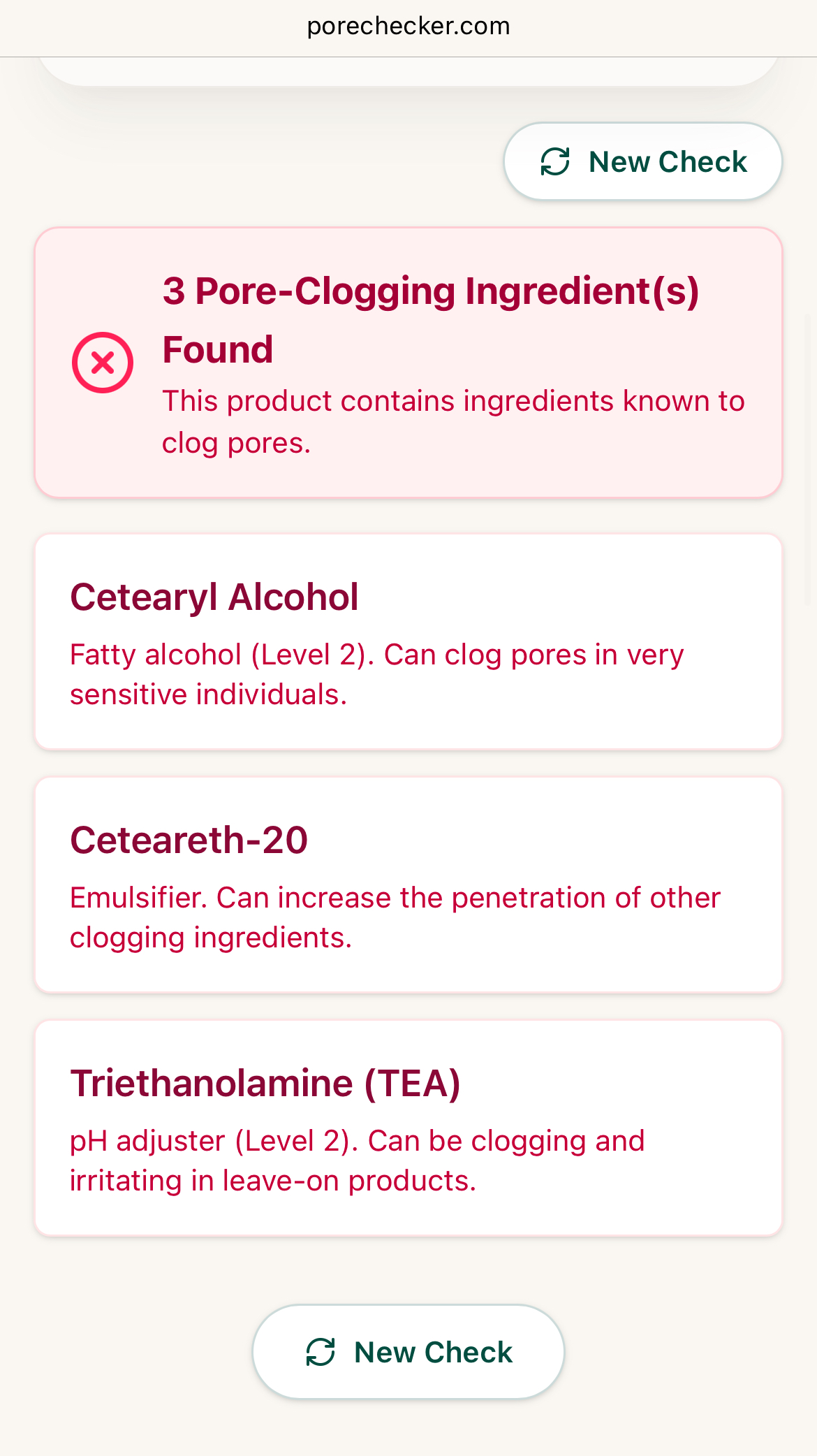
Step 3: Clear Results for Clearer Skin
You get an immediate breakdown. If any red-flag ingredients are found, we highlight them and explain why they might be problematic for your pores.
Does this product fit my skin's needs?
Check Your Products Now