What Does Chin Acne Mean? Decoding the Signals of Your Skin
Persistent breakouts on your chin? Discover what chin acne might be telling you about your internal health, from hormonal shifts to lifestyle triggers.

Acne isn't just a random occurrence; where it appears on your face can often provide clues about what's happening inside your body. If you're wondering "what does chin acne mean," you're likely dealing with one of the most common and stubborn areas for breakouts. Historically, "face mapping" suggested a link to the digestive system, but modern dermatology has a more evidence-based answer: the chin and jawline are primarily influenced by hormonal activity. Understanding this connection is the first step toward reclaiming a clear complexion.
The Hormonal Connection
The chin is exceptionally rich in sebaceous (oil) glands that are highly sensitive to hormones, particularly androgens. When these hormones fluctuate—such as during your menstrual cycle, pregnancy, or periods of high stress—they send a signal to produce excess oil. This oil gets trapped in the pores of the chin and jawline, leading to deep, often painful cystic breakouts. For many, chin acne is a hallmark of "hormonal acne."
Lifestyle and Habit Triggers
While hormones are the primary driver, other daily factors can worsen chin acne:
- Resting Your Face on Your Hands: Throughout the day, we often rest our chins on our hands while at a desk or on a phone. This transfers bacteria and oil directly to the sensitive chin area.
- Smartphone Use: Your phone screen is a breeding ground for bacteria. When you hold it against your face, you're pressing those germs into the skin of your chin and jaw.
- Mask Friction (Maskne): Wearing masks for long periods can create friction and trap heat and moisture around the chin, leading to localized breakouts.
How to Treat Chin Acne Effectively
Treating chin acne requires a combination of internal awareness and external care:
- Strict Non-Comedogenic Routine: Ensure every product you use is truly non-clogging. Check your ingredients in an acne-safe database to avoid exacerbating the oil spike.
- Targeted Actives: Ingredients like benzoyl peroxide or salicylic acid can help kill bacteria and unclog pores, while azelaic acid is excellent for reducing the redness and inflammation of hormonal cysts.
- Monitor Your Cycle: If your chin acne follows a predictable monthly pattern, consider consulting a healthcare professional about hormonal balancing options.
Summary
So, what does chin acne mean? It's often a signal that your hormones are shifting or that localized habits are introducing bacteria to a sensitive area. By maintaining a safe, non-comedogenic skincare foundation and being mindful of your daily habits, you can significantly reduce these stubborn breakouts and achieve long-term skin stability.
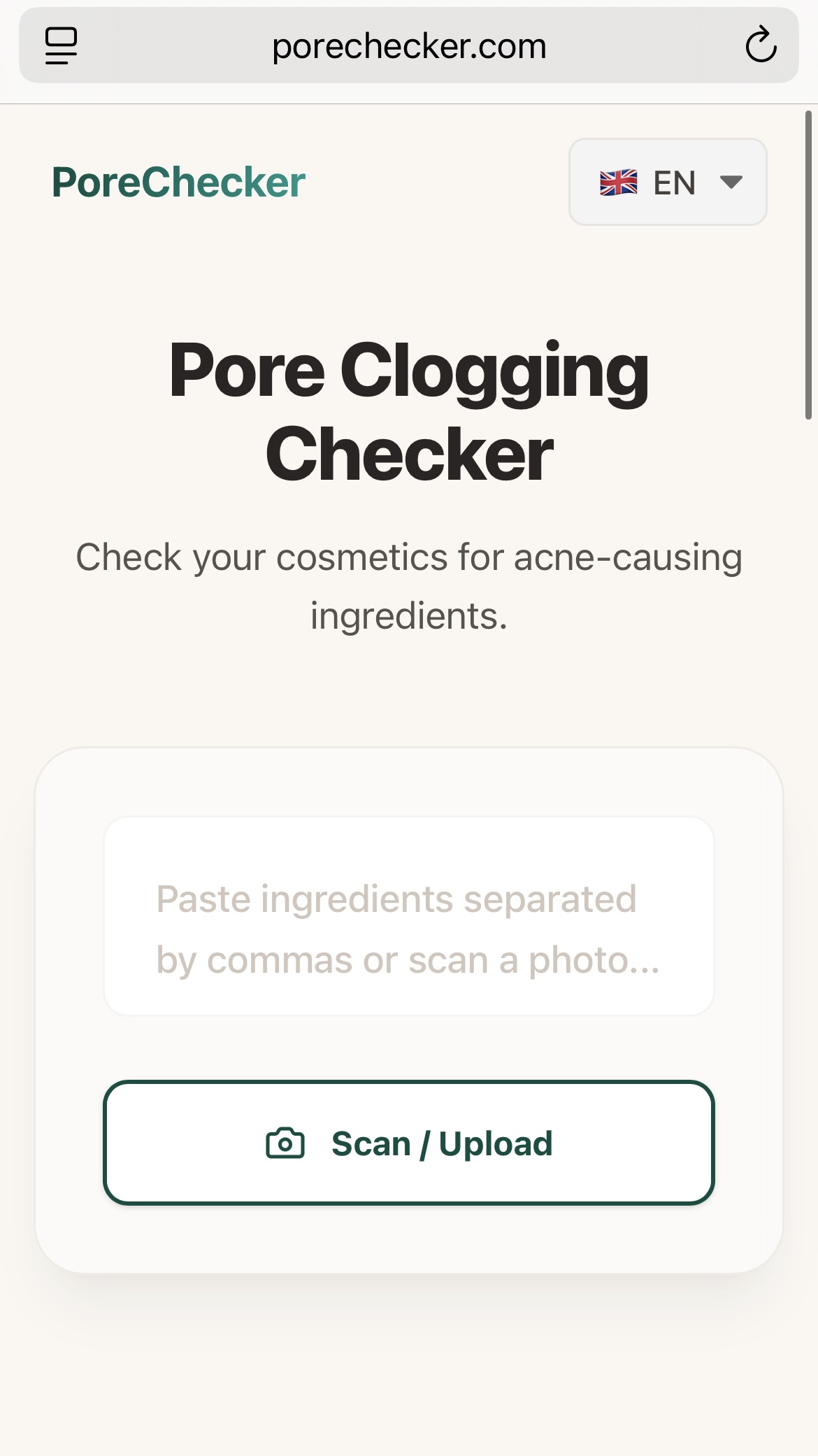
Step 1: Upload Your Product Image
Simply snap a photo of the ingredient list on the back of any bottle, jar, or box. No typing required.
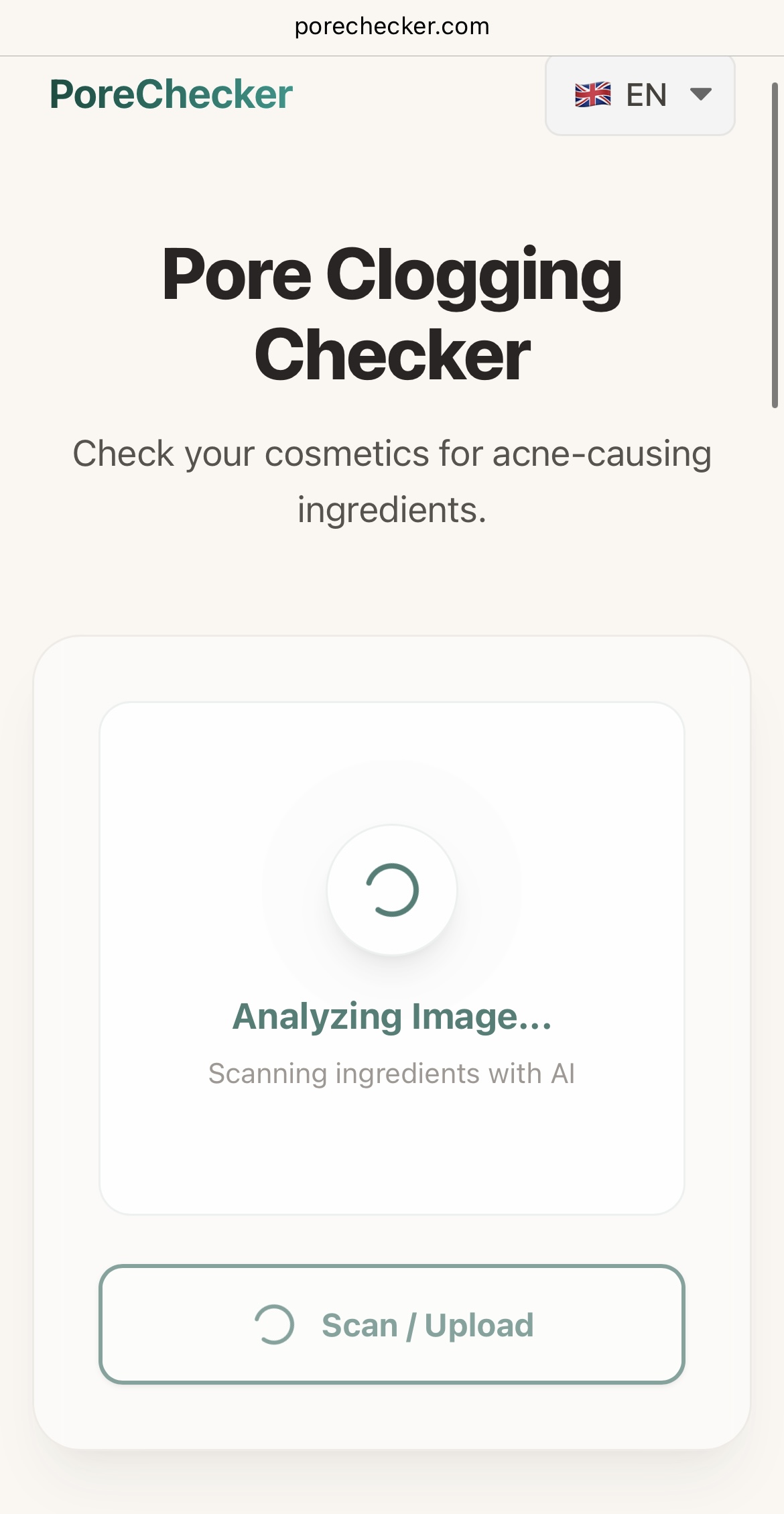
Step 2: Instant AI Ingredient Analysis
Our advanced AI scans the image, performs OCR (Optical Character Recognition), and matches every ingredient against our curated database of comedogenic substances.
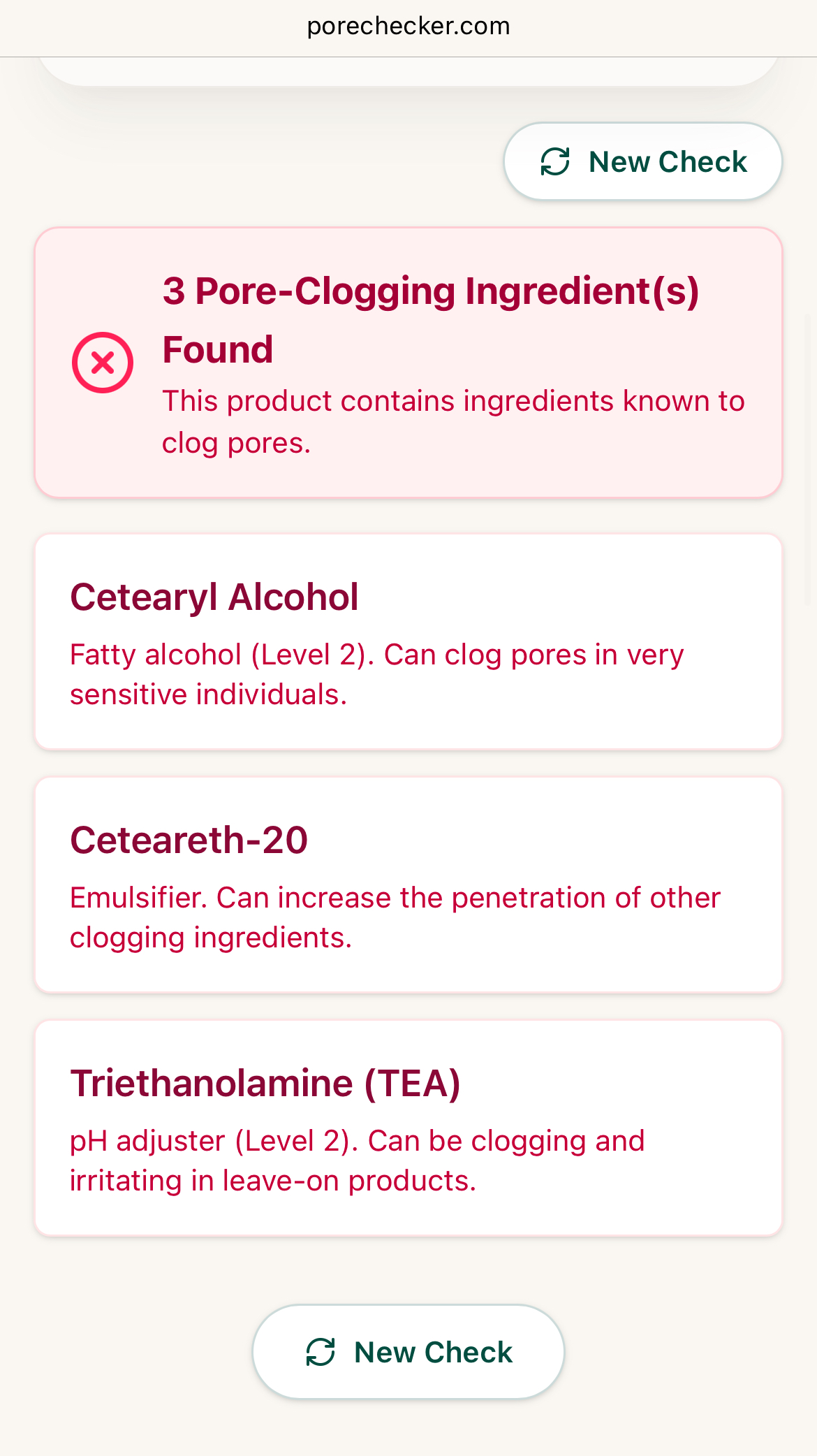
Step 3: Clear Results for Clearer Skin
You get an immediate breakdown. If any red-flag ingredients are found, we highlight them and explain why they might be problematic for your pores.
Does this product fit my skin's needs?
Check Your Products Now