What Does Hair Serum Do for Your Scalp and Skin Health?
Curious what does hair serum do for your hair and skin? Learn how these products impact your complexion and avoid hidden pore-cloggers.
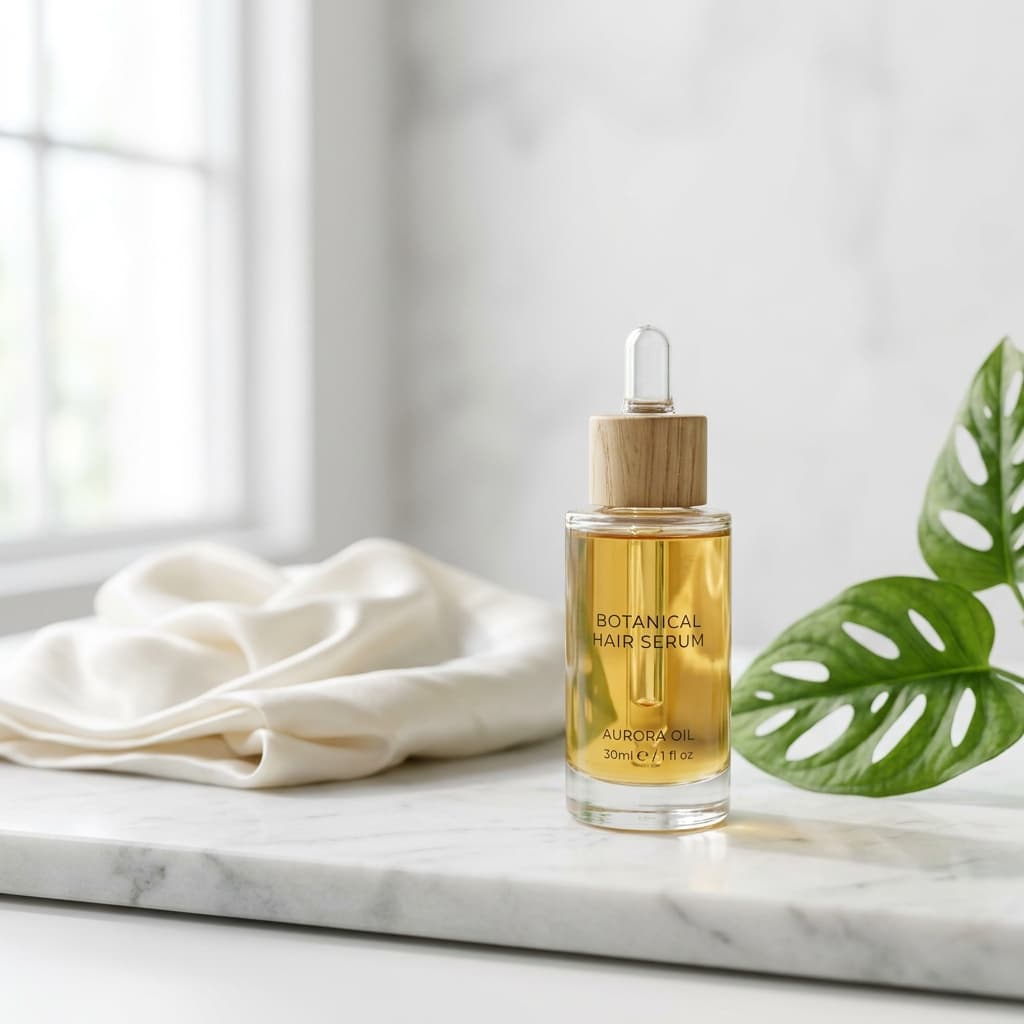
When we talk about hair care, we often focus exclusively on the strands themselves—the frizz, the shine, and the texture. However, as a dermatologist, I frequently see patients whose skin concerns, particularly along the hairline and forehead, are directly linked to the styling products they use daily. Understanding what does hair serum do is the first step toward balancing aesthetic goals with long-term dermatological health.
At its core, hair serum is a silicone-based treatment designed to coat the hair cuticle. By creating a smooth, protective barrier, it reflects light for shine and traps moisture to combat environmental damage. While this is excellent for the hair shaft, the chemical composition of these formulas often presents a hidden challenge for your complexion, especially for those prone to breakouts or sensitivity.
The Science of Serum and Your Skin Barrier
Most high-performance hair serums rely on non-volatile silicones like dimethicone or cyclopentasiloxane. These ingredients are champions at providing a silky "slip" and preventing humidity from disrupting a blowout. Yet, these same properties can act as an occlusive agent when they migrate from your hair to your forehead or temples during the day or while you sleep.
Understanding Potential Comedogenicity
The primary issue arises when serum residue mixes with sebum and dead skin cells. If the product contains heavy oils or comedogenic ingredients—substances known to clog pores—it can trigger acne mechanica or exacerbate existing congestion. While serum is intended to sit on the hair, gravity and natural movement make it almost impossible to avoid contact with the delicate skin surrounding your face.
Strategic Application for Better Skin
You do not necessarily need to banish hair serum from your routine, but you do need to rethink your application technique. Focus your product only on the mid-lengths and ends of your hair. Avoid applying serum near the roots or the hairline. If you notice persistent bumps along your hairline, try switching to a water-based or lightweight spray formula that leaves behind less residue, and always ensure you are cleansing the hairline thoroughly during your evening skincare routine.
Don't Let Your Products Ruin Your Progress
It is frustrating to maintain a disciplined skincare regimen only to have it undermined by a hair product you use every morning. Many popular hair serums are formulated for shine and texture without considering the non-comedogenic standards we hold for our facial moisturizers. Because these ingredients can easily migrate onto your skin, it is vital to scrutinize the labels of every product that touches your hair. By cross-referencing your styling favorites with a trusted pore-clogger ingredient database, you can ensure your pursuit of healthy hair doesn't accidentally trigger a breakout.
Step 1: Upload Your Product Image
Simply snap a photo of the ingredient list on the back of any bottle, jar, or box. No typing required.

Step 2: Instant AI Ingredient Analysis
Our advanced AI scans the image, performs OCR (Optical Character Recognition), and matches every ingredient against our curated database of comedogenic substances.

Step 3: Clear Results for Clearer Skin
You get an immediate breakdown. If any red-flag ingredients are found, we highlight them and explain why they might be problematic for your pores.
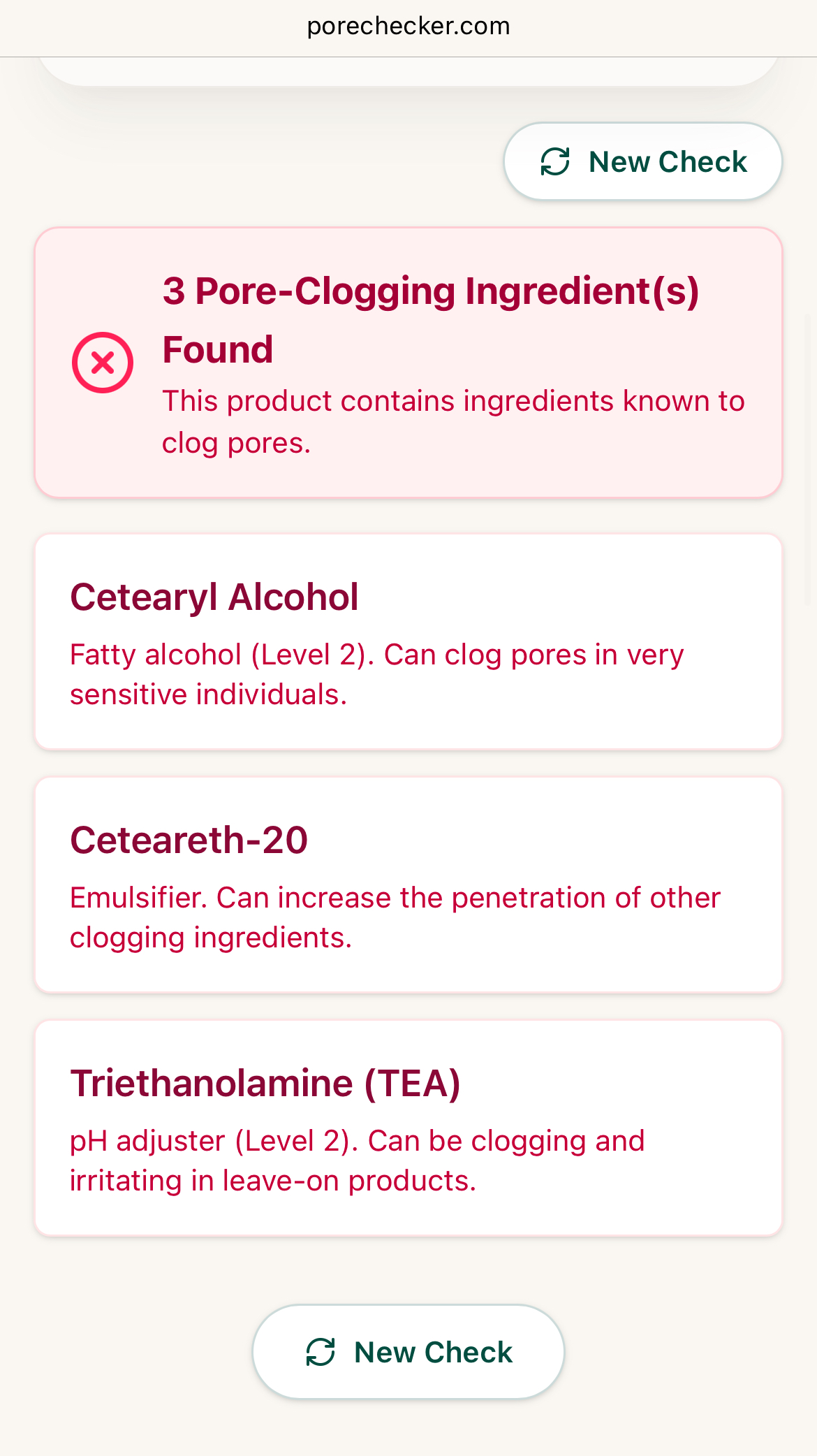
Does this product fit my skin's needs?
Check Your Products Now