What Does Non-Comedogenic Mean? Decoding Skincare Labels
You see it on every moisturizer, but what does non-comedogenic mean? Learn how this label is tested, its limitations, and why it doesn't guarantee clear skin.
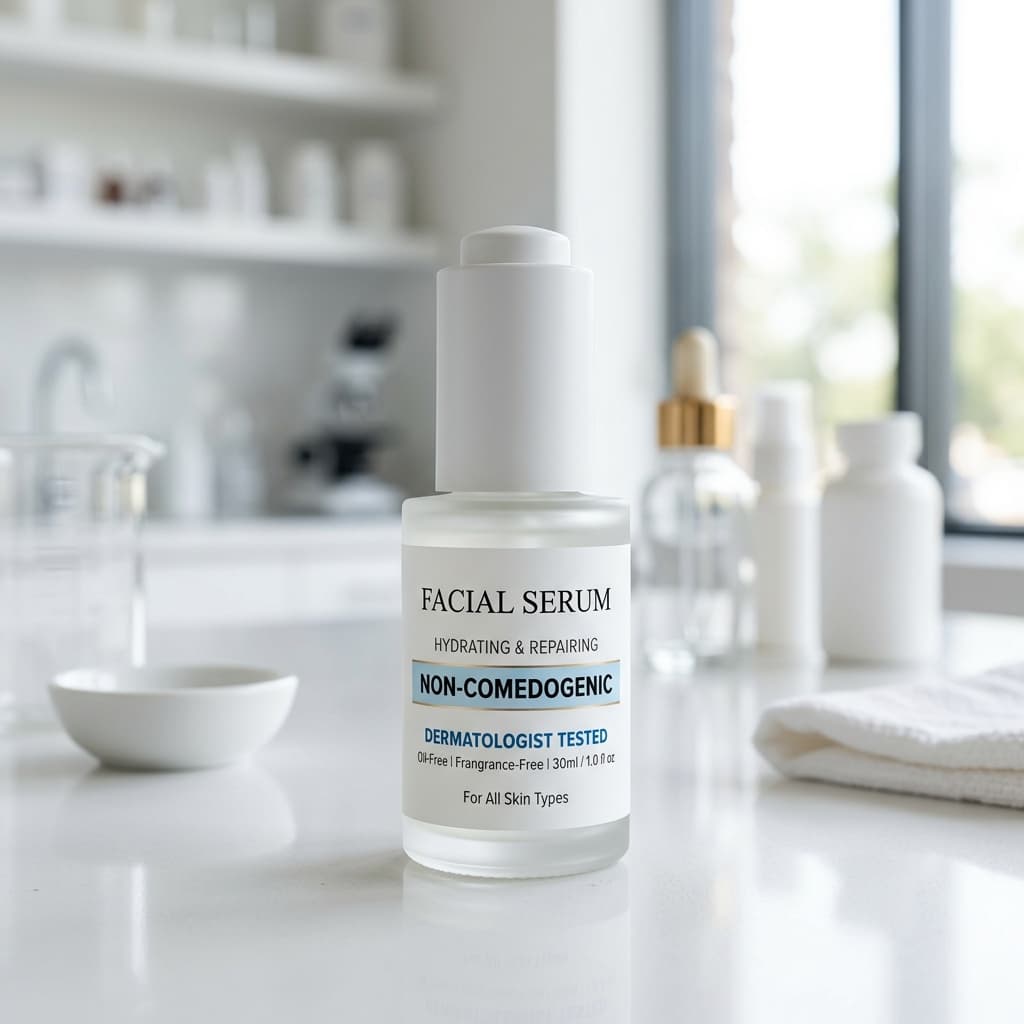
If you have acne-prone skin, you have probably been trained to scan every bottle of moisturizer and foundation for one specific magic word. But what does non-comedogenic mean, exactly? While it sounds like a scientific guarantee that a product will not break you out, the reality of this marketing term is much more complicated.
The Definition
The word "comedogenic" comes from "comedo," the medical term for a clogged pore (a blackhead or whitehead). Therefore, a non-comedogenic product is simply one that has been formulated to avoid causing clogged pores.
The Comedogenic Scale (0 to 5)
Dermatologists use a scale from 0 to 5 to rate how likely an ingredient is to clog your pores:
- 0 - Will Not Clog Pores: Examples include Hemp Seed Oil, Mineral Oil, and Squalane.
- 1 to 2 - Low Likelihood: Most people can tolerate these fine. Examples include Castor Oil and Sweet Almond Oil.
- 3 to 5 - Highly Comedogenic: These will very likely cause breakouts in acne-prone individuals. Examples include Coconut Oil, Cocoa Butter, and Isopropyl Myristate.
A product labeled "non-comedogenic" is usually formulated only with ingredients that score a 0, 1, or 2 on this scale.
The Problem: It Is Not Regulated
Here is the shocking truth: the term "non-comedogenic" is not regulated by the FDA (or any other major health organization). Any brand can slap the word on their bottle without proving it in a clinical trial.
Furthermore, comedogenic ratings are often tested on rabbit ears, not human faces. Human skin is incredibly complex. An ingredient that scores a "0" might be totally fine on its own, but when mixed with 15 other ingredients in a formula, it might create a chemical reaction that triggers a massive breakout on your specific skin type.
Summary
What does non-comedogenic mean? It means the manufacturer intended for the product not to clog your pores. It is a good starting point when shopping, but it is never a guarantee. The only way to truly know if a product is safe for you is to run its ingredient list through an ingredient analyzer and to patch-test it on your own jawline for two weeks.
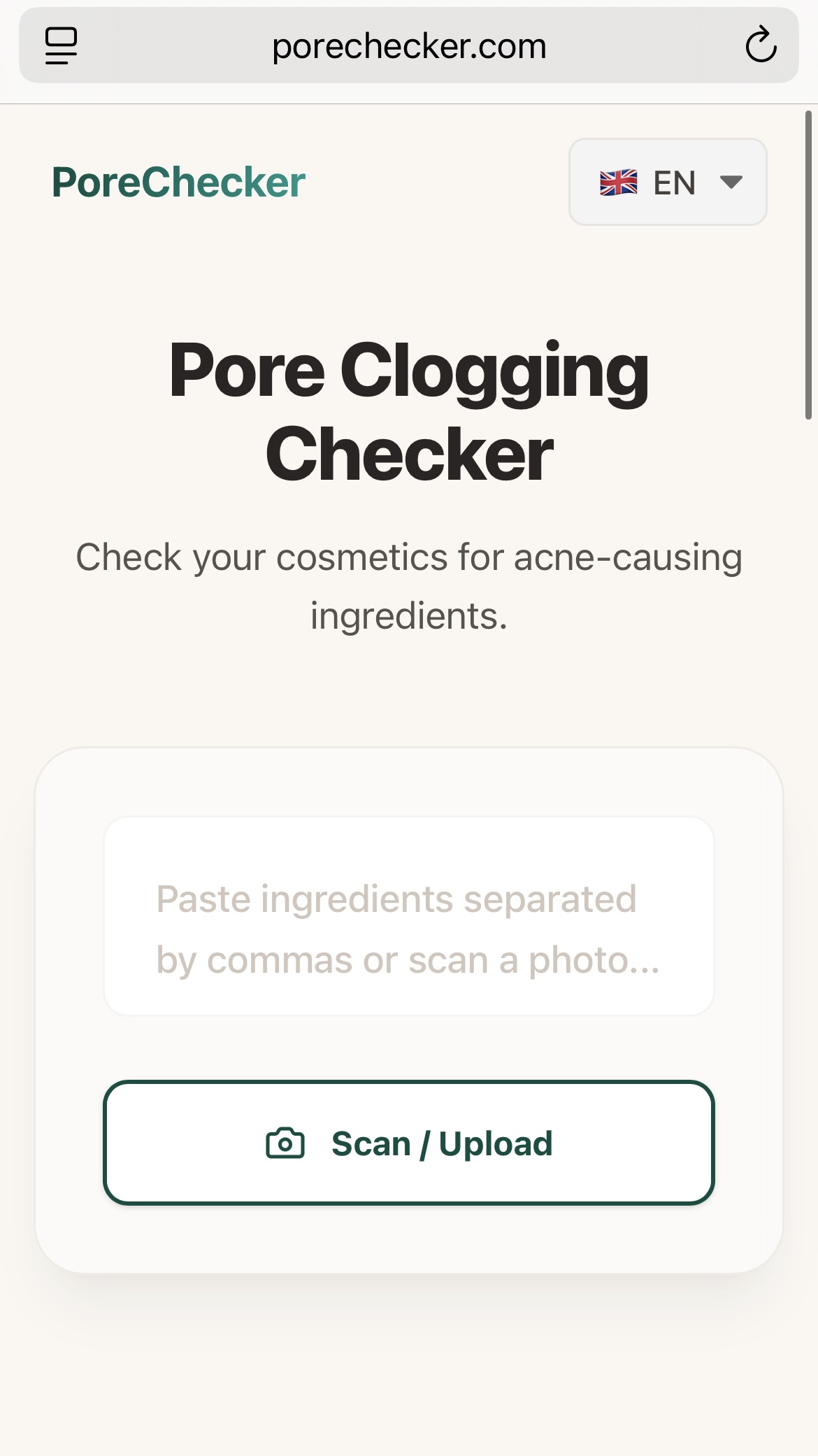
Step 1: Upload Your Product Image
Simply snap a photo of the ingredient list on the back of any bottle, jar, or box. No typing required.
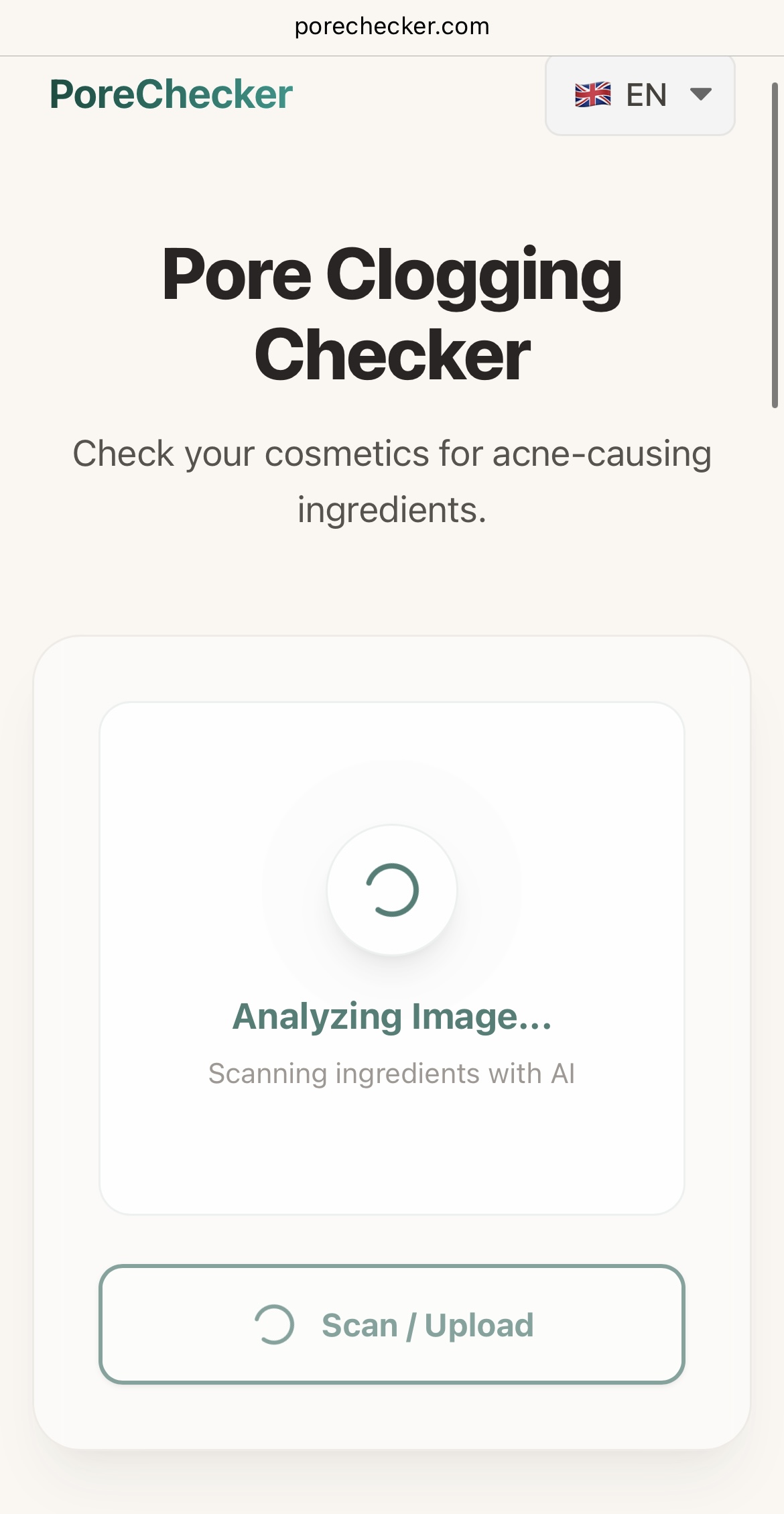
Step 2: Instant AI Ingredient Analysis
Our advanced AI scans the image, performs OCR (Optical Character Recognition), and matches every ingredient against our curated database of comedogenic substances.
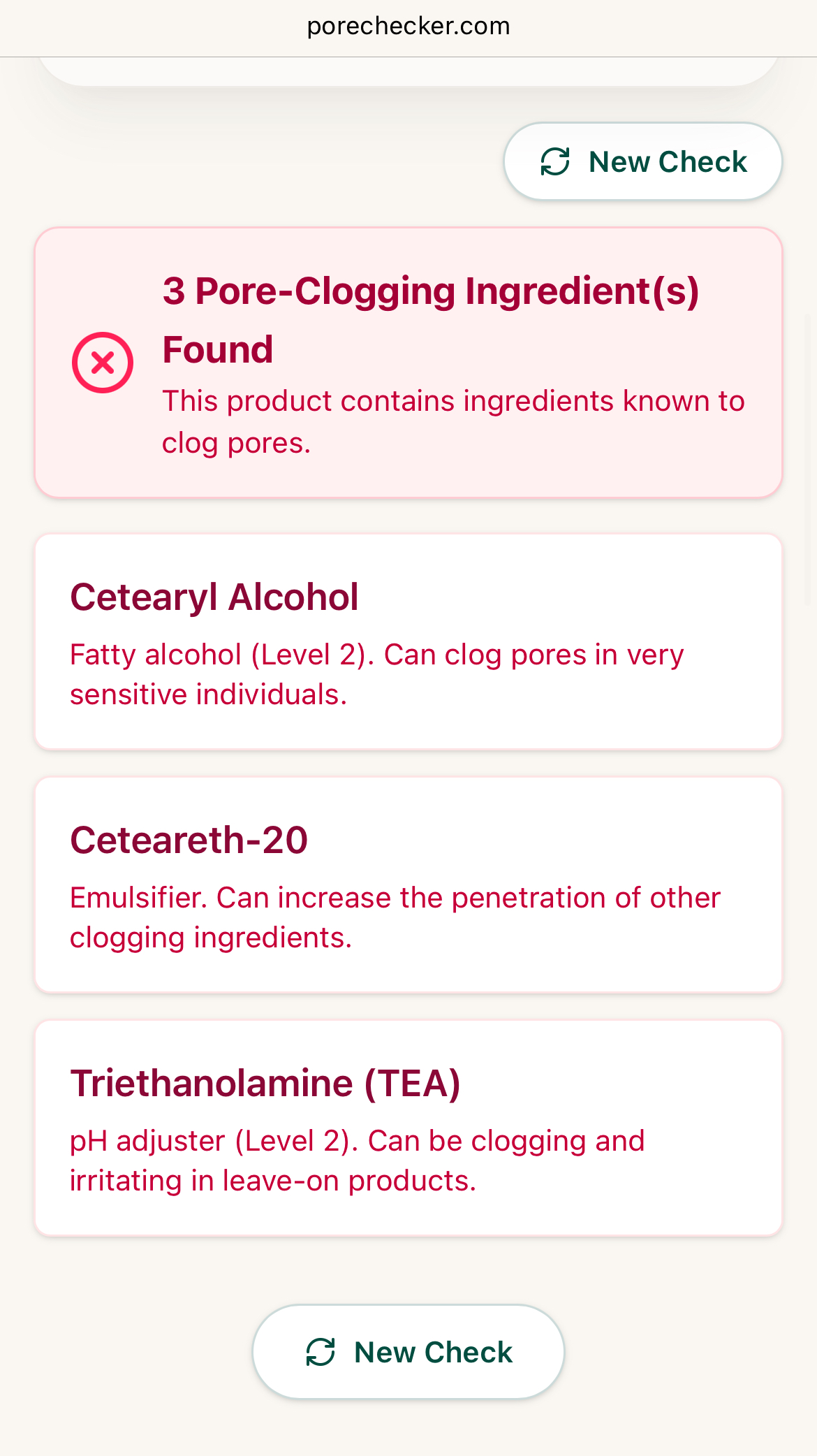
Step 3: Clear Results for Clearer Skin
You get an immediate breakdown. If any red-flag ingredients are found, we highlight them and explain why they might be problematic for your pores.
Does this product fit my skin's needs?
Check Your Products Now