What Does Serum Do? Understanding Active Skincare
Cleansers wash and moisturizers hydrate, but what does serum do? Learn why serums are the heavy lifters of your skincare routine and how they deliver results.
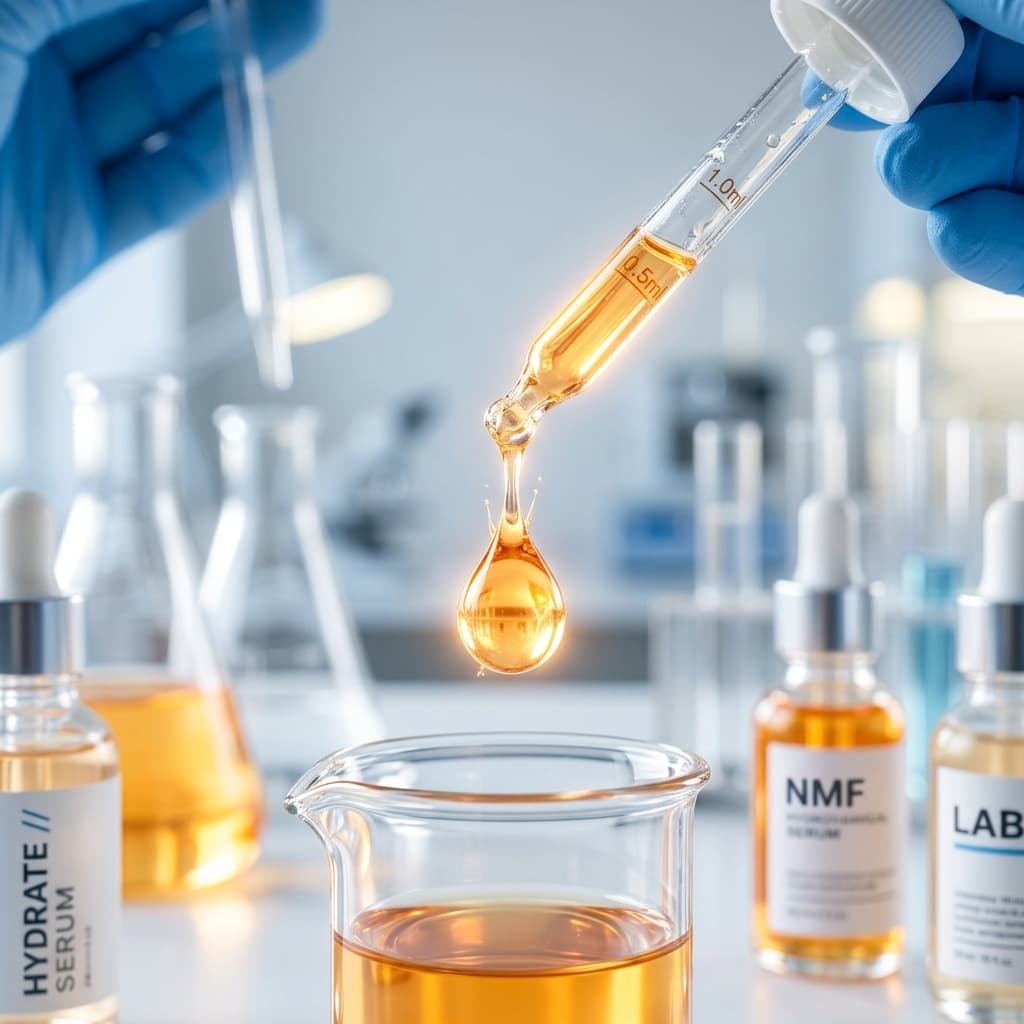
If you are new to building a skincare routine, you understand the basics: a cleanser removes dirt, and a moisturizer prevents dryness. But when you look at a tiny, expensive dropper bottle, the most common question is: what does serum do, and do I actually need one?
The Definition of a Serum
A serum is a lightweight, fast-absorbing liquid formulated with a highly concentrated dose of active ingredients. While a moisturizer is designed to sit on top of the skin to lock in hydration, a serum is designed to penetrate deeply into the skin to target specific concerns.
The Molecular Advantage: Serums are made of very small molecules. Because they lack the heavy sealing ingredients (occlusives) found in thick creams, these tiny molecules can bypass the outer layer of the epidermis and deliver their active ingredients directly to where they are needed most.
What Does Serum Do? It Depends on the Active
Serums are the "treatment" step of your routine. What a serum does depends entirely on the specific active ingredient inside the bottle:
- Vitamin C Serums: These act as powerful antioxidants. They neutralize free radicals from UV damage, brighten dark spots (hyperpigmentation), and stimulate collagen production for a radiant glow.
- Hyaluronic Acid Serums: These are pure hydration boosters. Hyaluronic acid pulls water from the environment deep into the skin, plumping fine lines and fixing severe dehydration.
- Niacinamide Serums: These are the balancers. They regulate oil production, calm severe redness and inflammation, and strengthen the skin's protective barrier.
- Exfoliating Serums (AHA/BHA): These dissolve dead skin cells and clear out clogged pores to treat acne and textural irregularities.
How to Use Them Correctly
Because they are lightweight and highly active, serums must be applied in a specific order: Thinnest to Thickest.
After cleansing (and toning, if you use one), apply your serum to clean, dry skin. Wait about 60 seconds for it to fully absorb, and then immediately apply your moisturizer over it. The moisturizer acts as a seal, locking the active ingredients of the serum into your skin so they can get to work.
Summary
What does serum do? It is the workhorse of your skincare routine. While cleansers and moisturizers maintain the baseline health of your skin, serums are the targeted treatments that actually change your skin—whether that means fading a dark scar, clearing a breakout, or stopping premature aging.
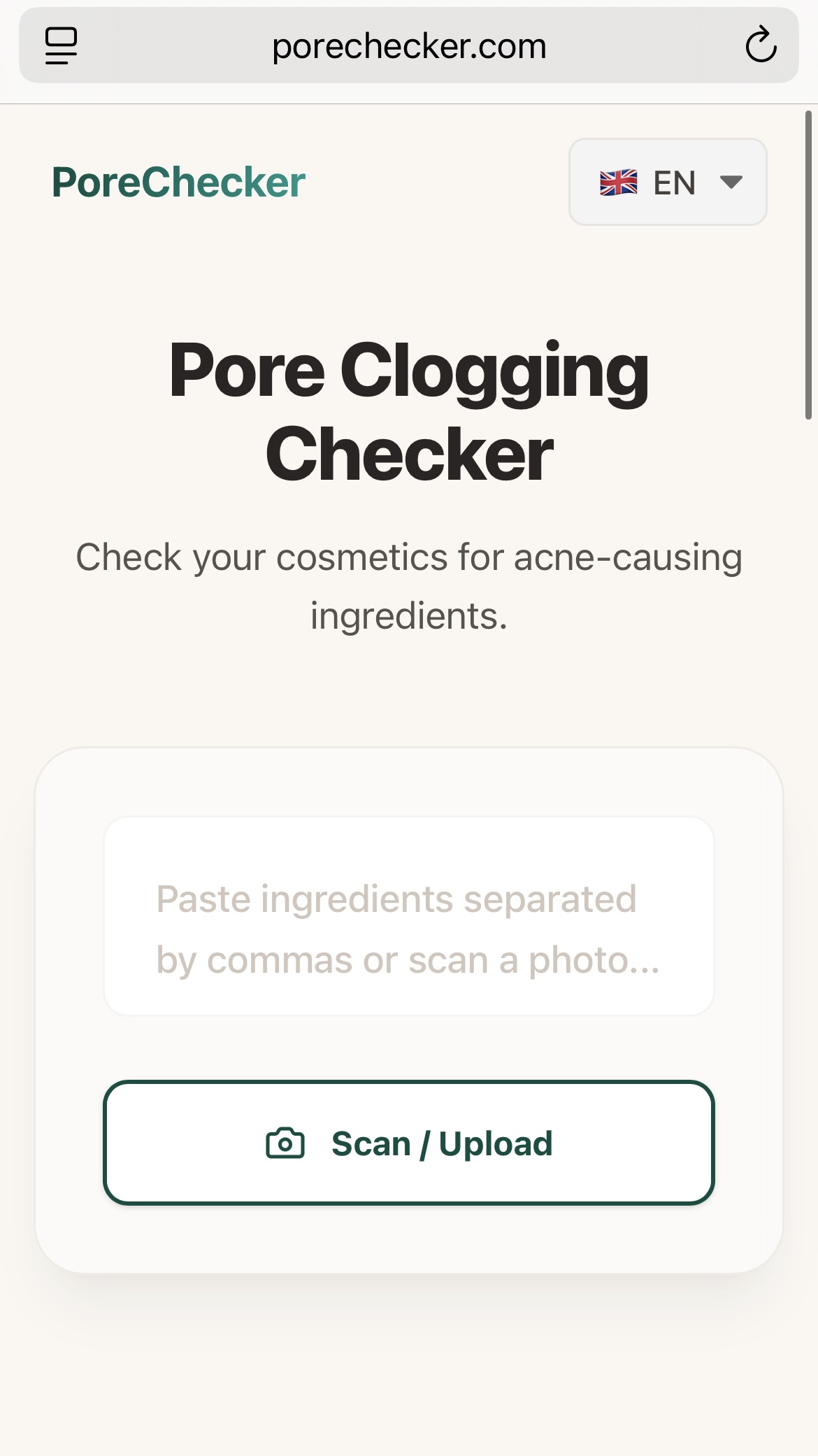
Step 1: Upload Your Product Image
Simply snap a photo of the ingredient list on the back of any bottle, jar, or box. No typing required.
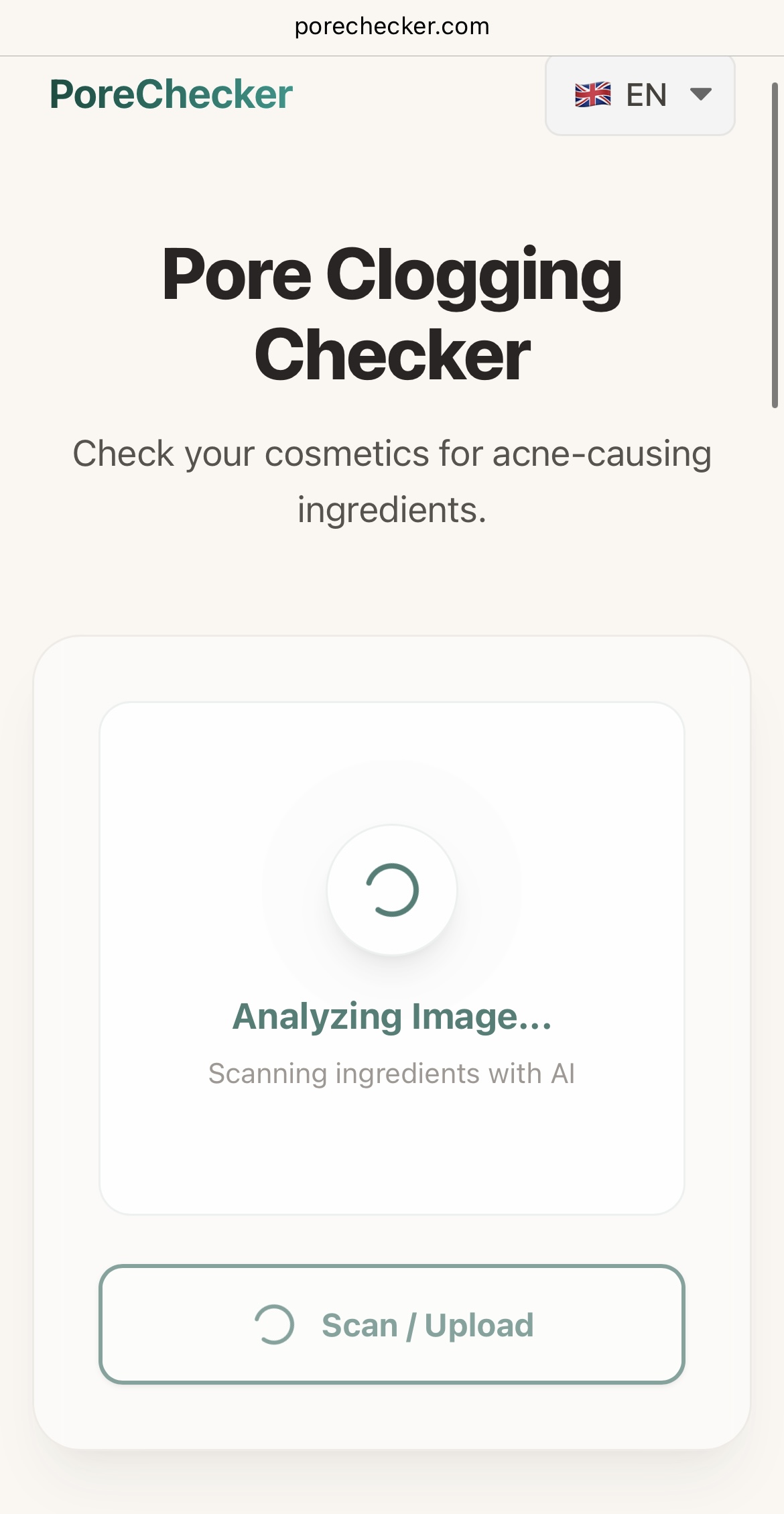
Step 2: Instant AI Ingredient Analysis
Our advanced AI scans the image, performs OCR (Optical Character Recognition), and matches every ingredient against our curated database of comedogenic substances.
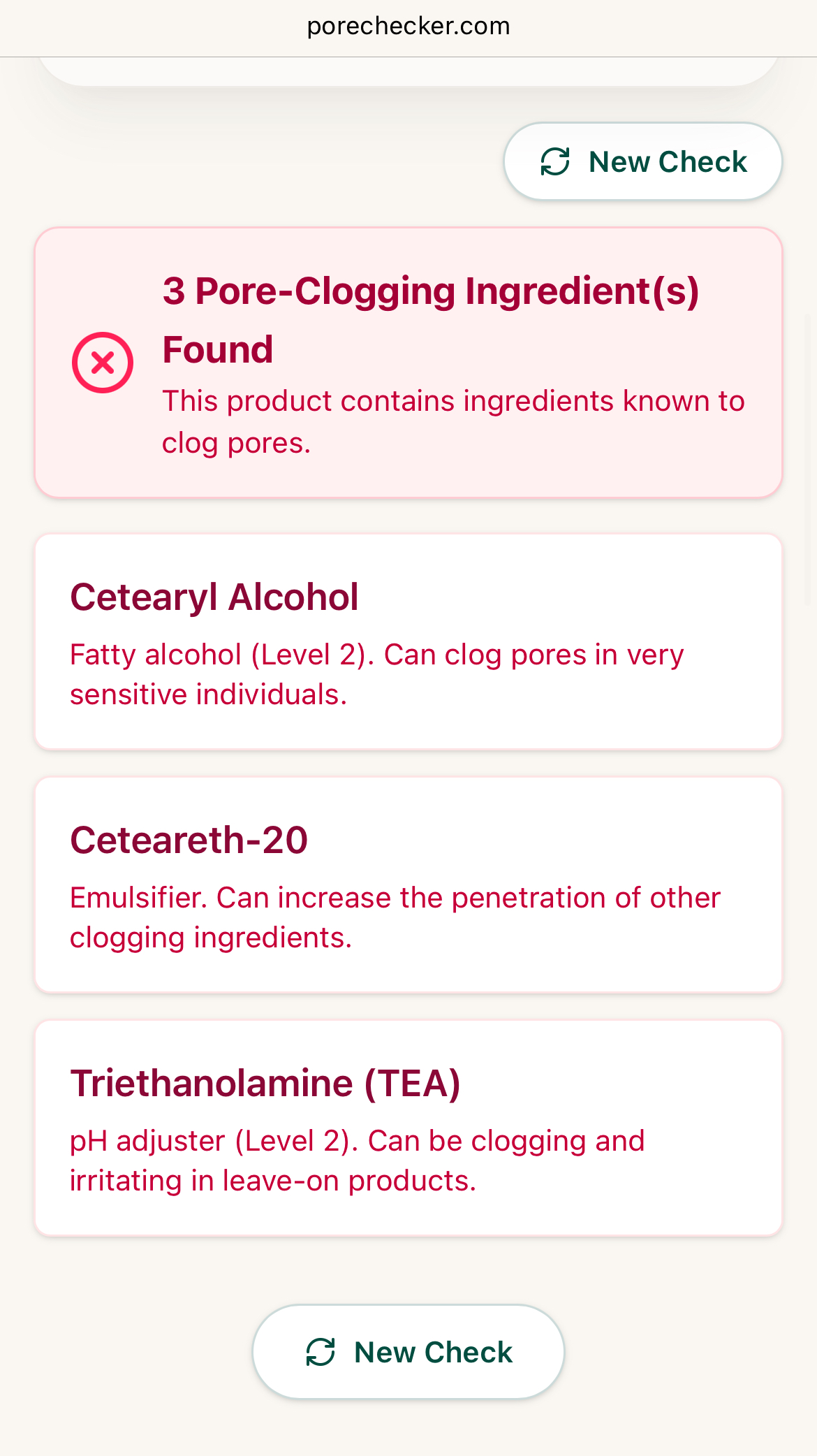
Step 3: Clear Results for Clearer Skin
You get an immediate breakdown. If any red-flag ingredients are found, we highlight them and explain why they might be problematic for your pores.
Does this product fit my skin's needs?
Check Your Products Now