What Helps Hormonal Acne: Science-Backed Strategies for Clearer Skin
Struggling with persistent breakouts? Learn what helps hormonal acne, from targeted ingredients to identifying hidden pore-cloggers.
Hormonal acne is more than just a surface-level inconvenience; it is a physiological response to fluctuating androgens that stimulate the sebaceous glands to overproduce sebum. Unlike adolescent breakouts, these deep, tender cysts often congregate along the jawline, chin, and neck, appearing with predictable cyclical patterns. Because this condition is driven internally, topical solutions alone are rarely enough, yet the right approach can significantly mitigate inflammation and shorten the duration of each flare-up.
To manage these breakouts, you must prioritize non-comedogenic care that supports the skin barrier rather than stripping it. Many individuals make the mistake of over-exfoliating or using harsh drying agents, which only triggers further oil production and compromises the skin's defense system. Instead, focus on balancing the skin’s chemistry through stable, research-backed actives while being hyper-vigilant about the ingredients that come into contact with your pores.
Targeted Ingredients for Hormonal Fluctuations
When internal hormones are the primary driver, topical intervention acts as a defensive shield. Retinoids are the gold standard for hormonal acne because they normalize follicular keratinization, preventing the dead skin cells that lead to those deep, painful plugs. Adapalene, specifically, is a robust choice that penetrates the pore lining to keep it clear, though it requires patience and a gradual introduction to avoid irritation.
The Role of Anti-Inflammatories
Because hormonal acne is inherently inflammatory, incorporating agents that soothe the skin is just as critical as those that exfoliate. Azelaic acid serves a dual purpose: it acts as a mild antibacterial agent and a potent anti-inflammatory, making it ideal for the redness that accompanies cystic lesions. Unlike benzoyl peroxide, which can be overly drying, azelaic acid is generally well-tolerated even by those with sensitive or reactive complexions.
The Impact of Lifestyle on Skin Biology
While we often look for a singular "fix," skin health is a reflection of systemic wellness. High-glycemic foods can trigger spikes in insulin, which subsequently influences androgen activity. By prioritizing low-glycemic, whole foods and maintaining consistent sleep hygiene, you help regulate the systemic factors that contribute to hormonal volatility. This is not about achieving perfect health, but about reducing the external stressors that exacerbate an already sensitive hormonal environment.
Don't Let Your Products Ruin Your Progress
Even with the most advanced hormonal treatment plan, you may find that your skin remains inflamed or congested. Often, the culprit is hiding in plain sight within your daily moisturizer, sunscreen, or makeup. Many products marketed for acne-prone skin still contain hidden, heavy emollients or comedogenic oils that can neutralize your hard work by clogging pores before your treatment even has a chance to reach them. Before finalizing your routine, it is essential to scrutinize every ingredient label to ensure that nothing is working against your goals. Using a dedicated ingredient checker is the most effective way to identify these silent offenders and ensure your skincare regimen remains truly non-comedogenic.
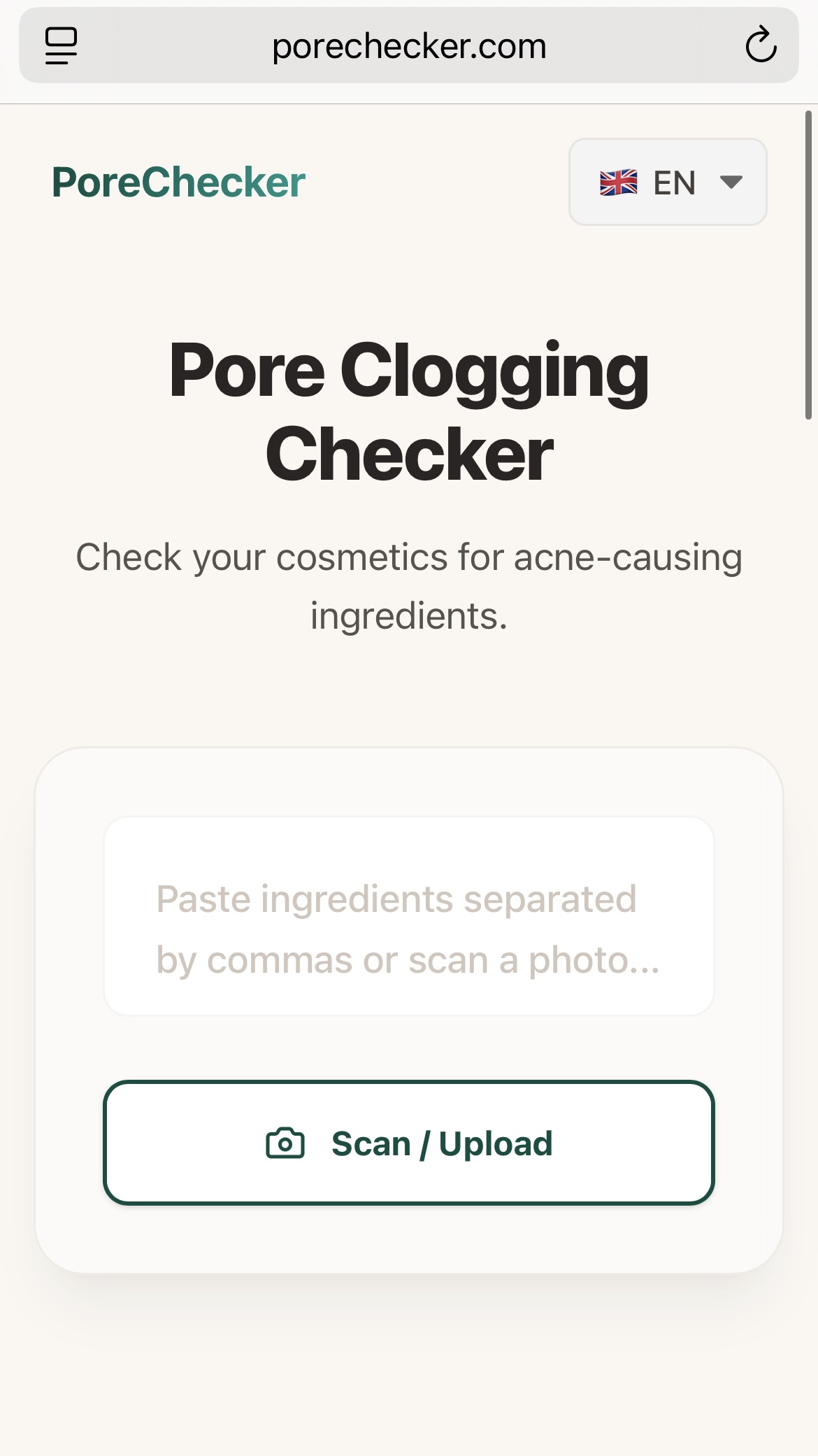
Step 1: Upload Your Product Image
Simply snap a photo of the ingredient list on the back of any bottle, jar, or box. No typing required.
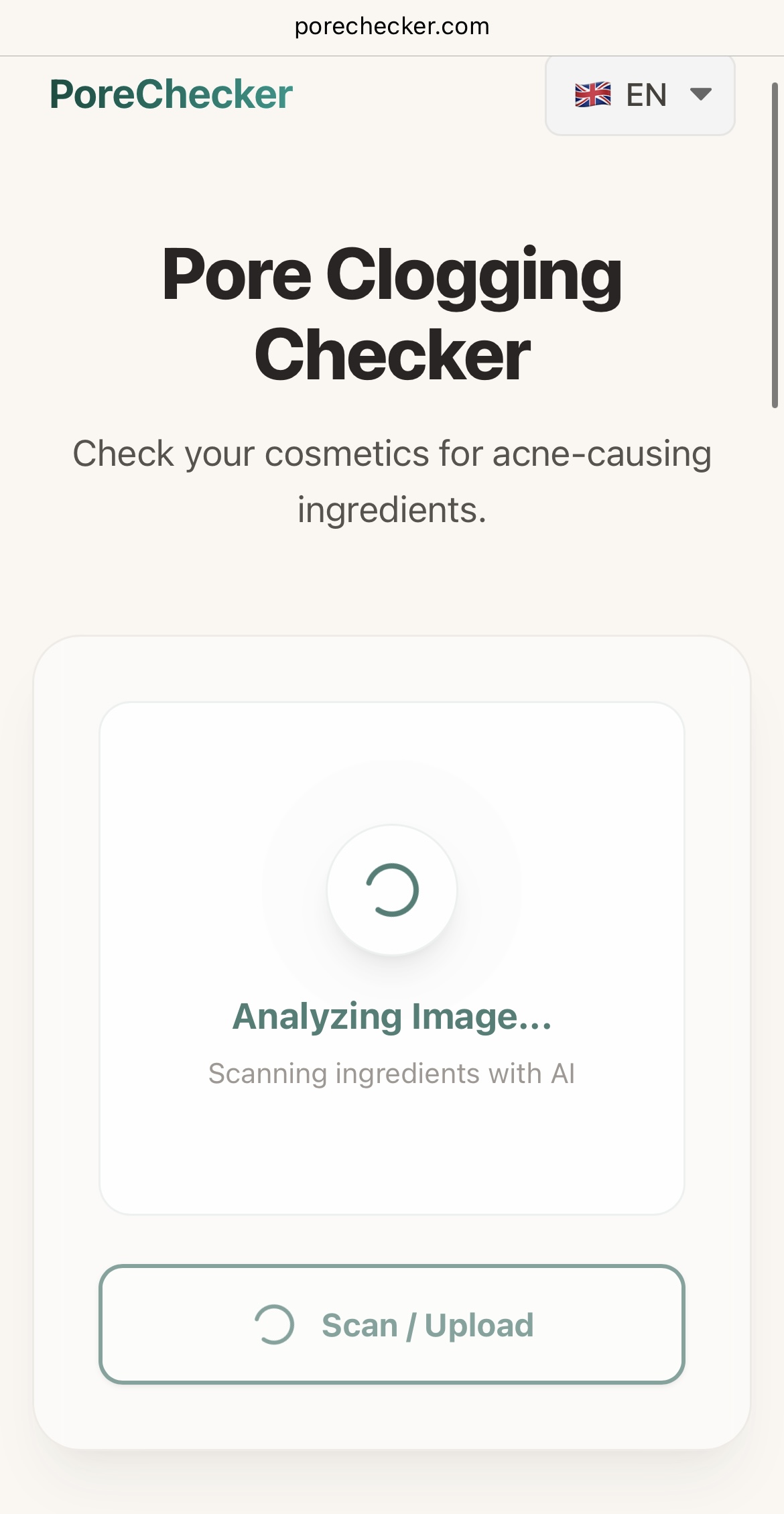
Step 2: Instant AI Ingredient Analysis
Our advanced AI scans the image, performs OCR (Optical Character Recognition), and matches every ingredient against our curated database of comedogenic substances.
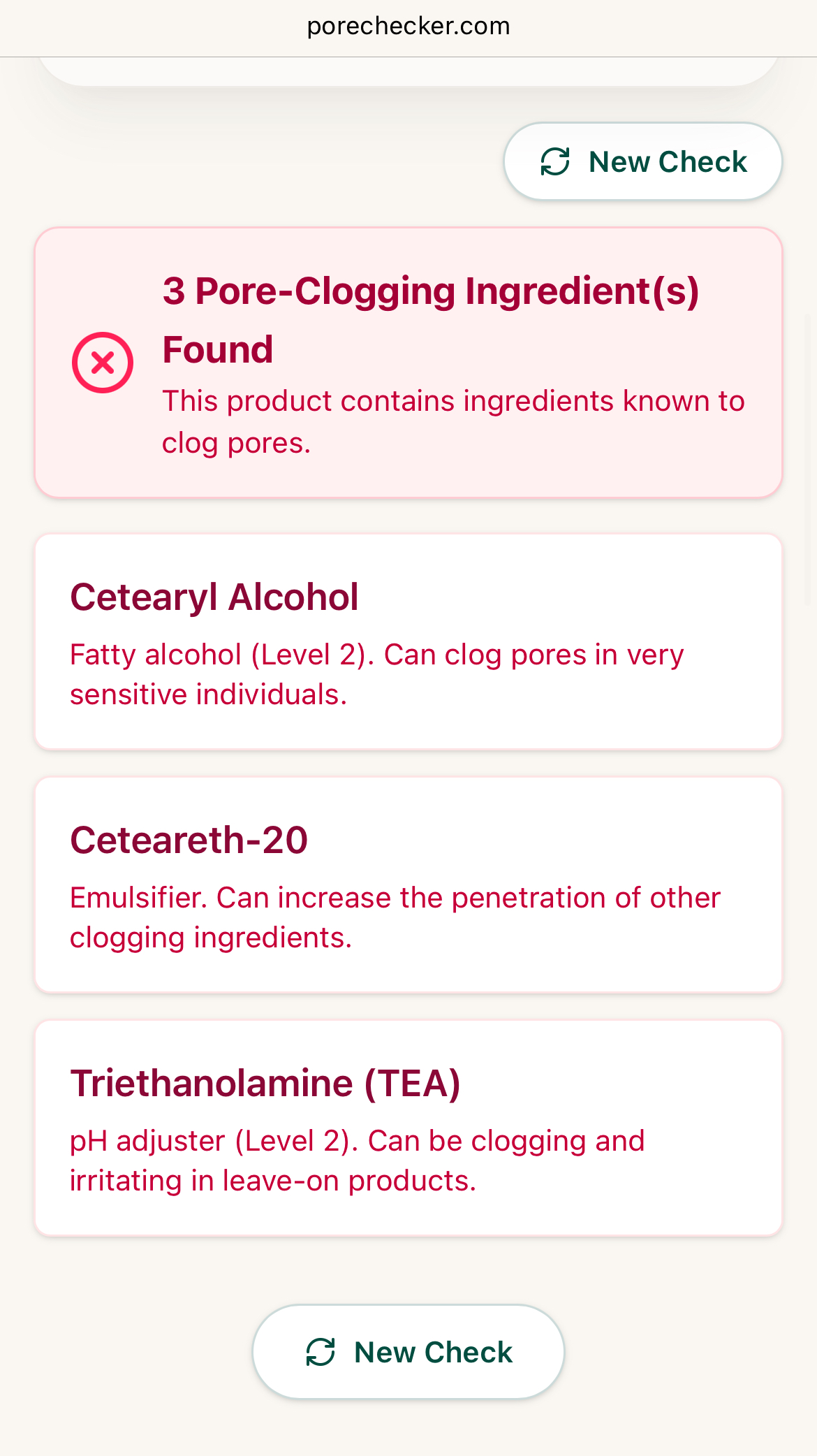
Step 3: Clear Results for Clearer Skin
You get an immediate breakdown. If any red-flag ingredients are found, we highlight them and explain why they might be problematic for your pores.
Does this product fit my skin's needs?
Check Your Products Now