What Helps With Acne: A Dermatologist’s Strategy for Clearer Skin
Struggling with breakouts? Discover what helps with acne using evidence-based skincare practices and avoid hidden pore-cloggers.

Acne is rarely a simple cosmetic nuisance; it is a complex inflammatory response often driven by a trifecta of hormonal fluctuations, excess sebum production, and the proliferation of C. acnes bacteria. When patients ask me what helps with acne, they are usually looking for a quick fix. However, effective management requires a shift away from aggressive scrubbing toward a strategy of cellular regulation and barrier preservation.
The cornerstone of any successful regimen is the commitment to non-comedogenic care. Products that interfere with the natural desquamation process—the shedding of dead skin cells—or physically block the follicular opening only serve to exacerbate the inflammatory cycle. By selecting formulations that honor the skin’s lipid barrier rather than stripping it, you create an environment where healing becomes the priority rather than irritation.
Targeting the Root of the Breakout
Retinoids: The Gold Standard
If you want to know what helps with acne at a biological level, retinoids are the undisputed leaders. These vitamin A derivatives work by increasing cell turnover, preventing the "stickiness" of cells that leads to microcomedones. By keeping the follicle clear, you stop a pimple before it ever reaches the surface. Consistency is the primary hurdle here; it often takes twelve weeks to see clinical improvement, and the initial phase can involve mild peeling as the skin adjusts.
Chemical Exfoliation vs. Physical Scrubbing
I often see patients using physical scrubs to "deep clean" their pores. This is counterproductive. Mechanical exfoliation frequently causes micro-tears in the skin barrier, which invites inflammation. Instead, look toward chemical exfoliants like salicylic acid. As a lipophilic agent, it penetrates deep into the oil-rich environment of the follicle to dissolve debris. It is an essential tool for keeping pores clear without compromising the structural integrity of your skin.
Navigating Ingredient Safety
Beyond active treatments, the base ingredients in your moisturizers and sunscreens often hold the key to long-term clarity. Many common emollients and thickeners, such as isopropyl myristate, cocoa butter, or certain algae extracts, are highly comedogenic. These ingredients can create a semi-occlusive film that traps bacteria and sebum inside the pore, effectively neutralizing the efficacy of your expensive acne treatments.
Don't Let Your Products Ruin Your Progress
Even the most carefully curated treatment plan can be undermined by a single culprit hidden in your daily moisturizer or hair care routine. Many products labeled as "gentle" or "natural" contain hidden pore-cloggers that quietly trigger new breakouts while you are busy treating the old ones. Before you invest further in your skincare journey, it is vital to vet your current shelf against a reliable database of comedogenic ingredients. Ensuring that every item touching your face is truly non-comedogenic is the missing step that finally allows your skin to remain clear and calm.
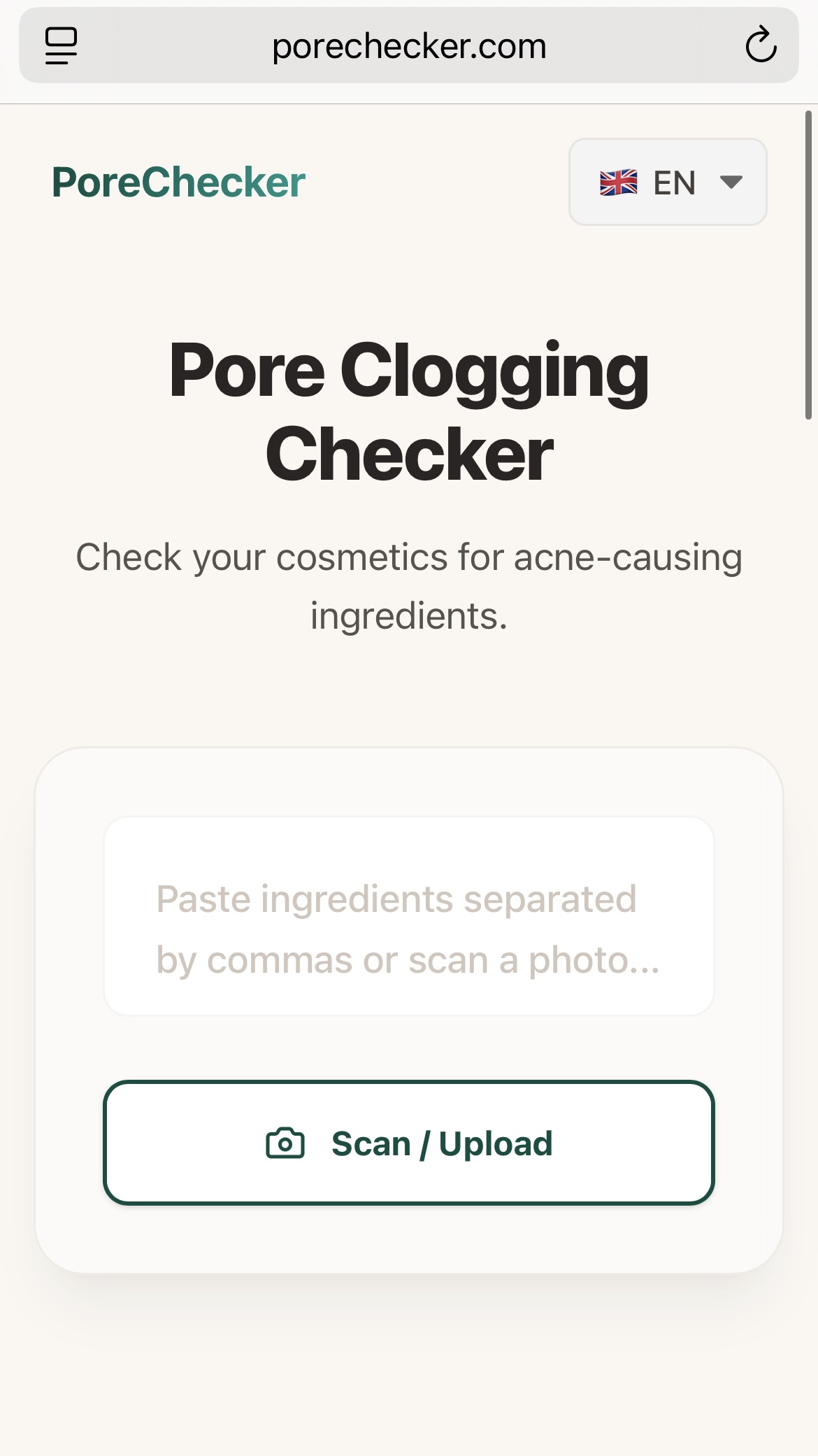
Step 1: Upload Your Product Image
Simply snap a photo of the ingredient list on the back of any bottle, jar, or box. No typing required.
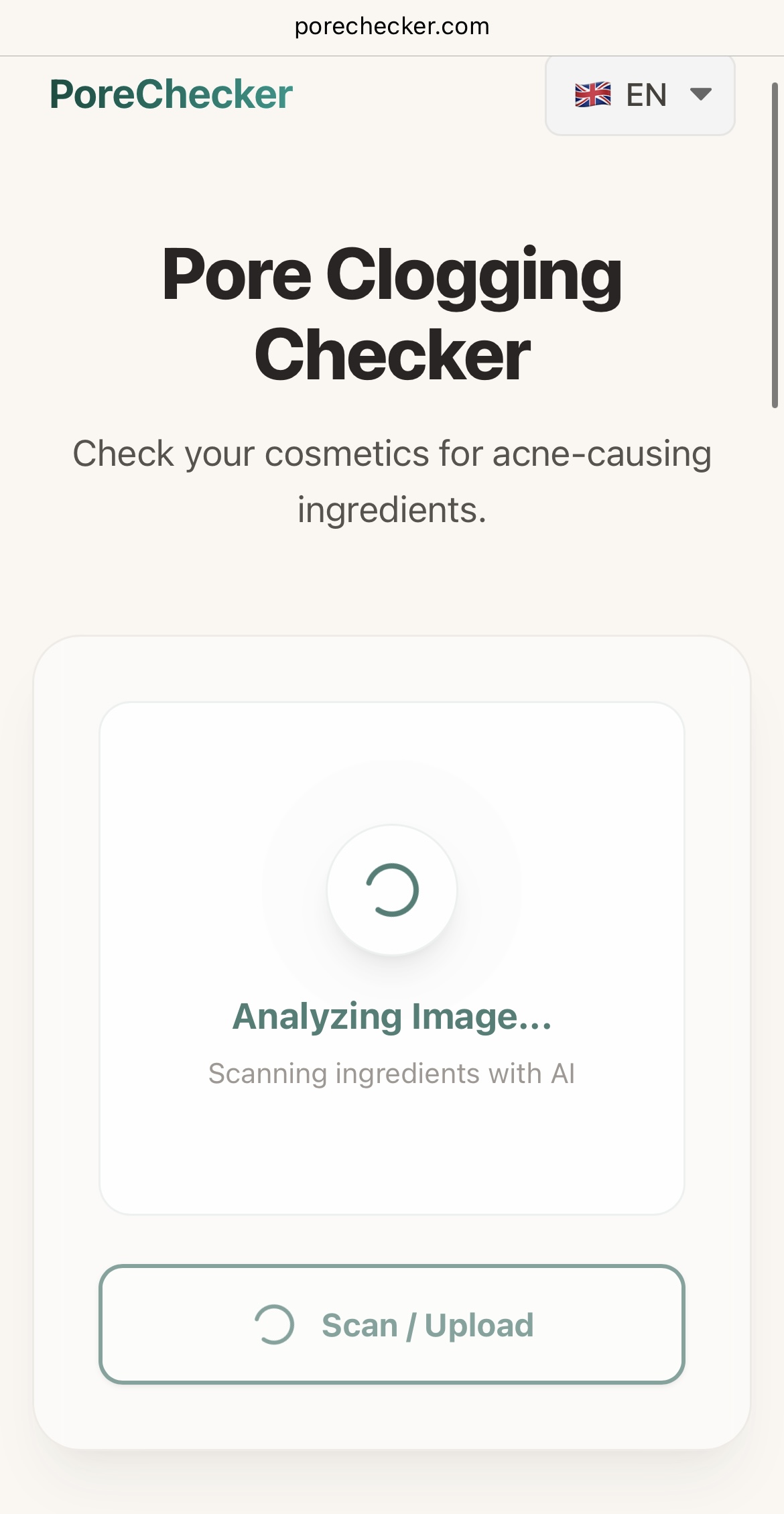
Step 2: Instant AI Ingredient Analysis
Our advanced AI scans the image, performs OCR (Optical Character Recognition), and matches every ingredient against our curated database of comedogenic substances.
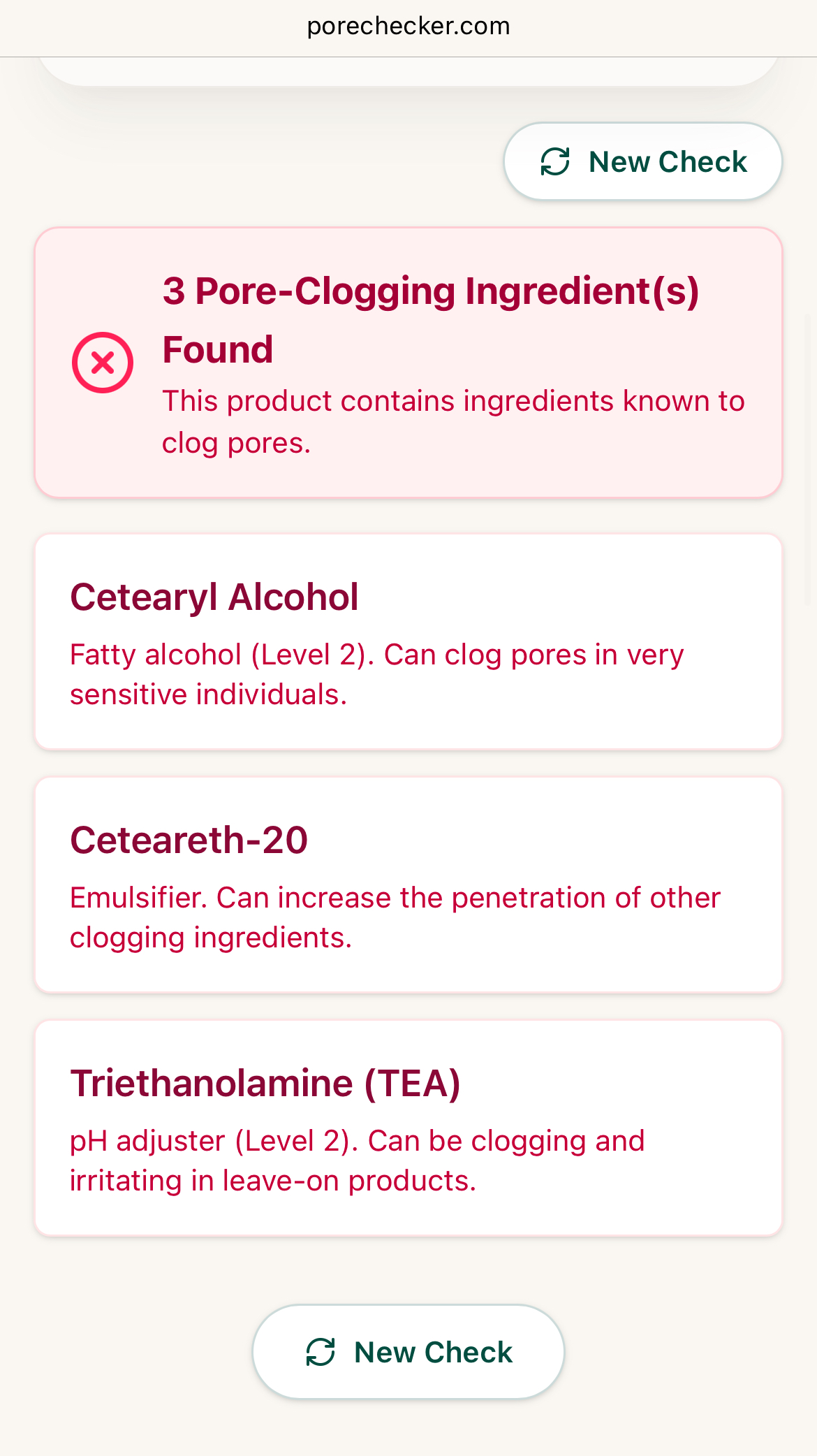
Step 3: Clear Results for Clearer Skin
You get an immediate breakdown. If any red-flag ingredients are found, we highlight them and explain why they might be problematic for your pores.
Does this product fit my skin's needs?
Check Your Products Now