What Is Non-Comedogenic? Decoding the Most Important Label in Skincare
You see it on almost every bottle, but what does "non-comedogenic" actually mean? Learn why this label is your best friend in the fight against acne.
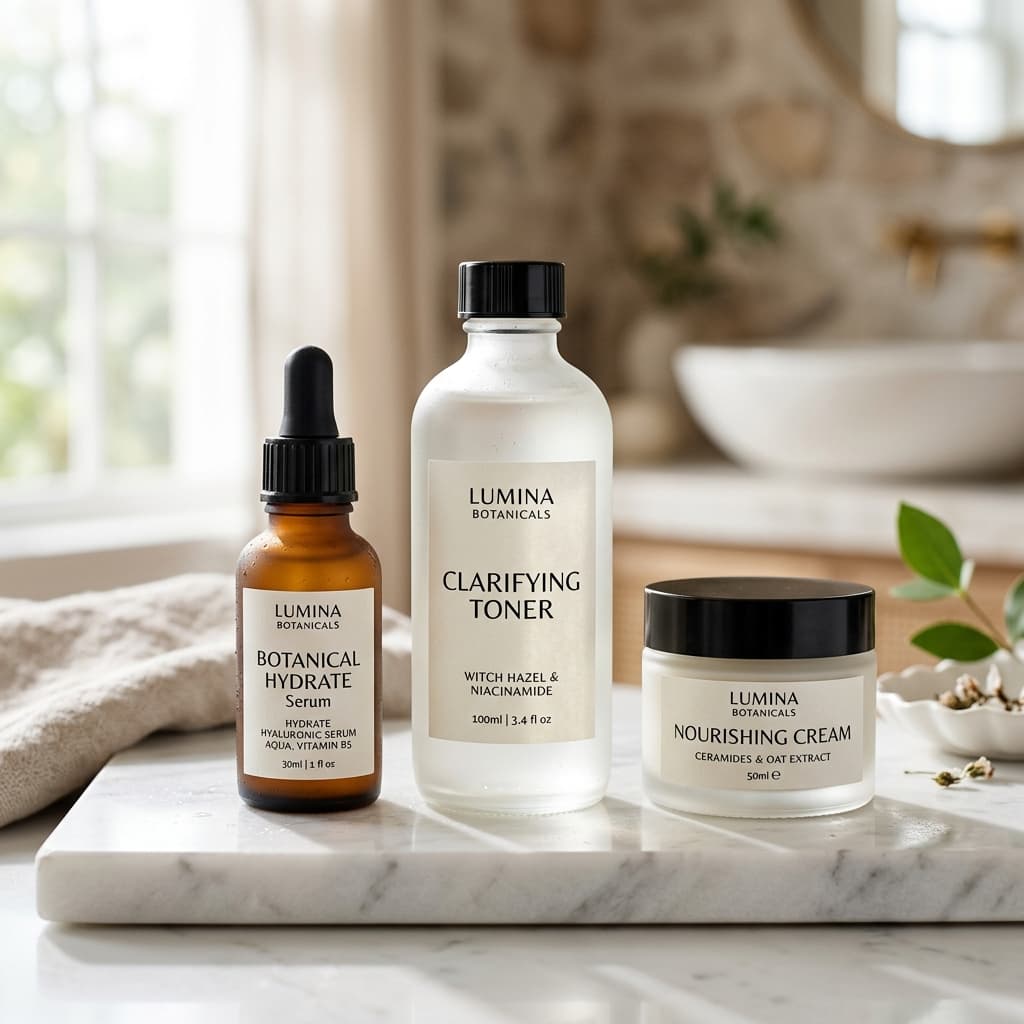
If you've ever spent time in the skincare aisle, you've seen it: a bold label claiming the product is "non-comedogenic." But "what is non-comedogenic" in plain English, and why should you care? At its core, the term refers to a product's likelihood of causing "comedones"—the medical term for the basic lesion of acne, such as blackheads and whiteheads. Understanding this label is the single most important step you can take toward building an acne-safe skincare routine.
The Science of a Comedone
To understand "non-comedogenic," we first have to understand the "comedone." A comedone forms when the opening of a hair follicle (a pore) becomes blocked by a combination of sticky dead skin cells and excess oil (sebum). A non-comedogenic product is formulated specifically to *not* contribute to this blockage. These products use ingredients with a molecular size or structure that won't easily get "stuck" inside your pores.
Is the Label a Guarantee?
This is where it gets tricky. The term "non-comedogenic" is not strictly regulated by the FDA. This means that a brand can put the label on a bottle based on their own internal testing (or sometimes, no testing at all). While most reputable brands do follow the standard comedogenic scale, it is always a good idea to cross-check the full ingredient list using an independent database like PoreChecker.
Why It Matters for Your Skin
Using products that are truly non-comedogenic provides several key benefits:
- Prevention: It stops new breakouts from forming before they even start.
- Better Absorption: Without a layer of pore-clogging wax or oil, your active treatments (like retinoids or Vitamin C) can penetrate more effectively.
- Long-Term Clarity: It breaks the cycle of "using makeup to cover the acne that the makeup is causing."
How to Identify Non-Comedogenic Products
Look for these cues, but always verify:
- Oil-Free Labels: While not the same as non-comedogenic, oil-free products are often a safer starting point.
- Water-Based Formulations: If "Aqua" or "Water" is the first ingredient, it's generally lighter on the skin.
- Ingredient Knowledge: Learn to spot common offenders like Isopropyl Myristate or Coconut Oil, even if the label says "non-comedogenic."
Summary
So, what is non-comedogenic? It's your baseline for healthy, clear skin. By choosing products formulated to keep your pores open and breathing, you remove the biggest obstacle to a smooth complexion. Always be your own advocate—check the labels, verify the ingredients, and enjoy the confidence that comes with an acne-safe routine.
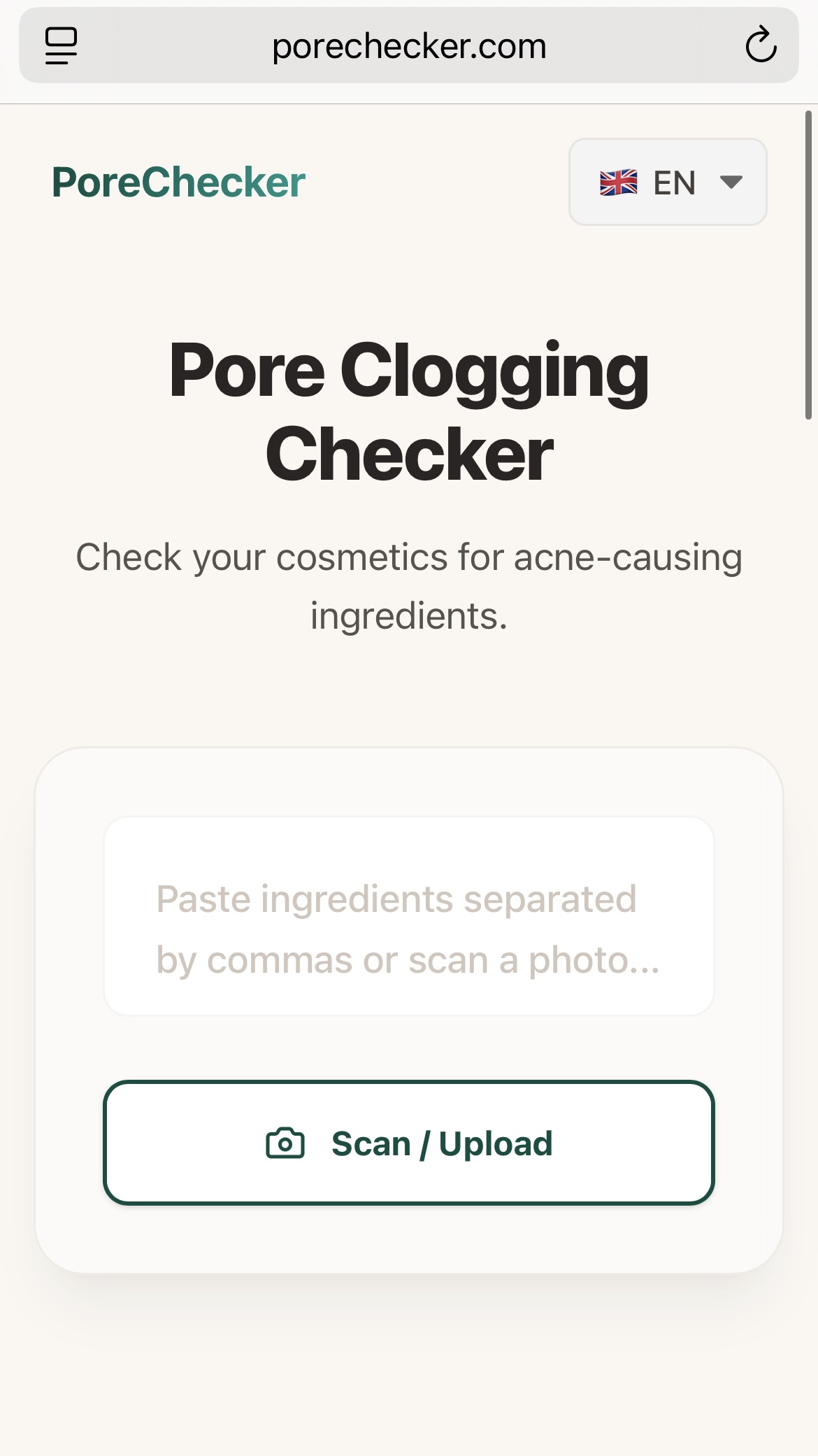
Step 1: Upload Your Product Image
Simply snap a photo of the ingredient list on the back of any bottle, jar, or box. No typing required.
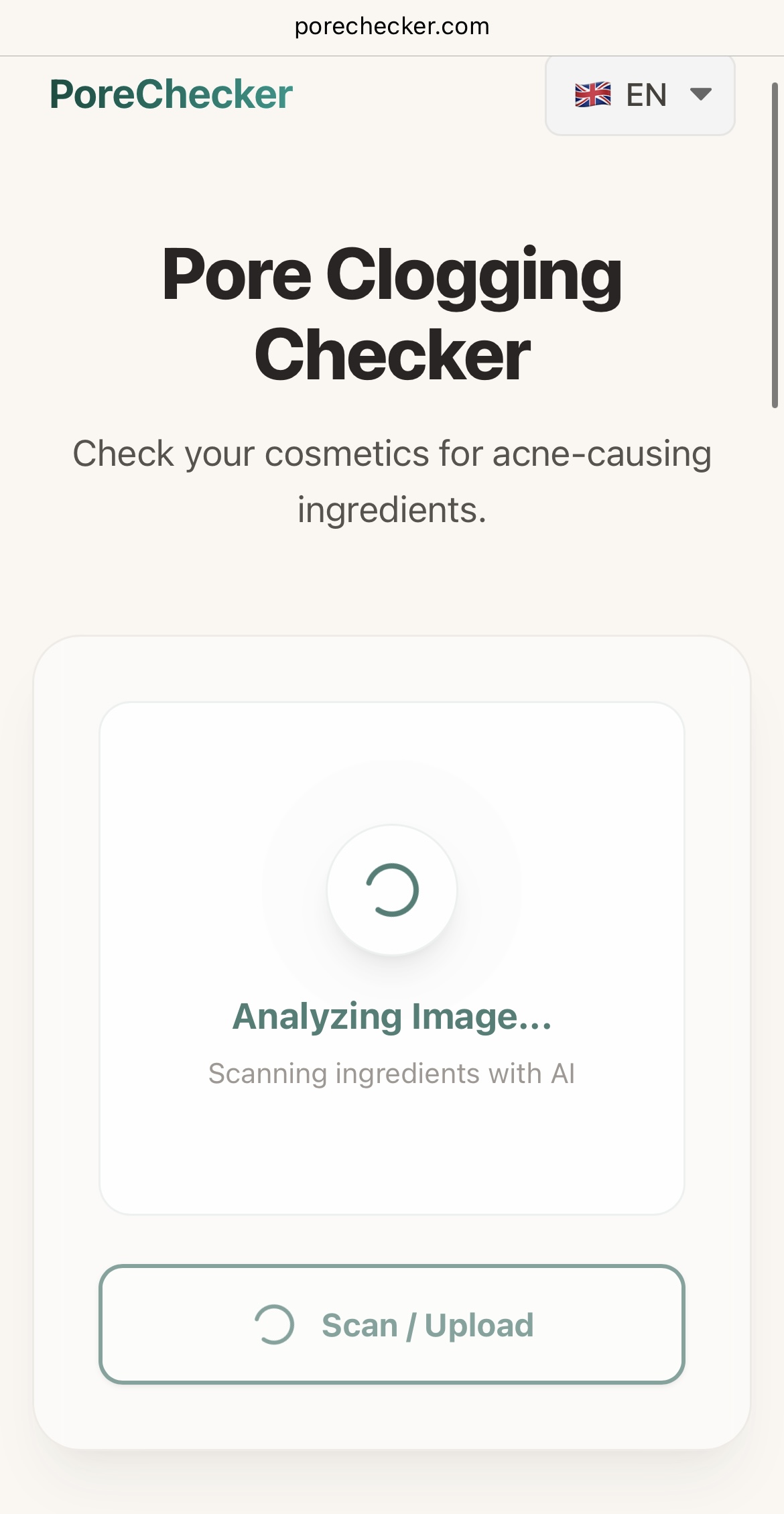
Step 2: Instant AI Ingredient Analysis
Our advanced AI scans the image, performs OCR (Optical Character Recognition), and matches every ingredient against our curated database of comedogenic substances.
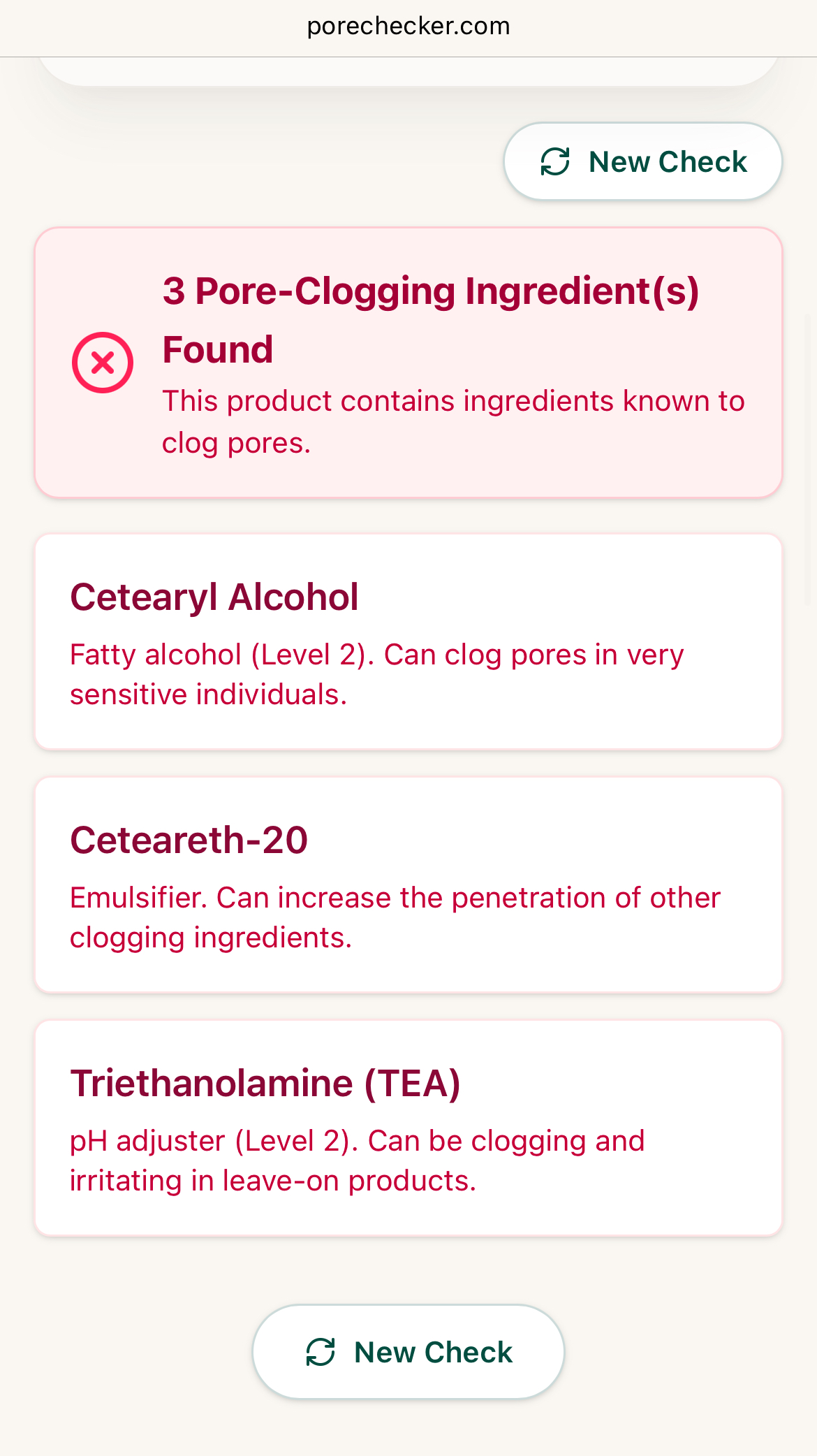
Step 3: Clear Results for Clearer Skin
You get an immediate breakdown. If any red-flag ingredients are found, we highlight them and explain why they might be problematic for your pores.
Does this product fit my skin's needs?
Check Your Products Now