What Is Serum? Demystifying This Skincare Staple
Uncover the secrets of serums! Learn "que es serum," its benefits, how to choose the right one, and key ingredients. Achieve your best skin yet!
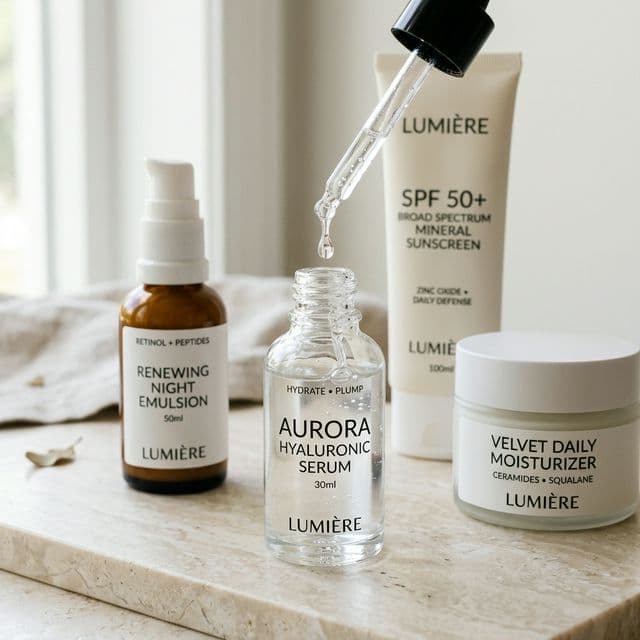
The world of skincare can feel overwhelming, brimming with products promising radiant results. One such hero is the serum. Often touted as a potent elixir, serums are designed to deliver concentrated doses of active ingredients directly to your skin. But what exactly is a serum, and why is it considered a cornerstone of many skincare routines? Understanding the fundamentals of "que es serum" is the first step toward unlocking its potential for your skin.
Serums are typically lightweight, fast-absorbing formulas. Unlike heavier creams and lotions that primarily hydrate and create a barrier, serums are designed to penetrate the skin more deeply. This allows them to target specific skin concerns, from fine lines and wrinkles to uneven skin tone and breakouts. The key to successful serum usage, like all skincare, is to choose products formulated with non-comedogenic ingredients. This means they are less likely to clog pores, a critical factor for anyone aiming for clear, healthy skin.
The purpose of a serum goes beyond simple hydration. Its formulation typically involves smaller molecules that penetrate deeply into the skin. This deep penetration allows for the delivery of active ingredients to target specific skin concerns more effectively than standard moisturizers. A well-chosen serum can make a noticeable difference in the texture, tone, and overall health of your skin. Understanding "que es serum" is about grasping this concept of targeted efficacy.
Unpacking "Que Es Serum": The Basics
At its core, "que es serum" translates to "what is serum?" in English. It's a question that deserves a clear answer. Serums are concentrated skincare products, typically water-based or oil-based, packed with active ingredients. These ingredients are chosen to address particular skin concerns such as dryness, aging, acne, and hyperpigmentation. The formulation of a serum is key. Ingredients are chosen for their ability to penetrate the skin and deliver results.
Key Serum Ingredients and Their Functions
The effectiveness of a serum often hinges on its key ingredients. Here’s a look at some of the most common and their benefits:
Vitamin C: A powerful antioxidant that protects against free radical damage, brightens the skin, and can improve the appearance of uneven skin tone.
Hyaluronic Acid: A humectant that draws moisture into the skin, plumping it up and reducing the appearance of fine lines.
Retinol: A derivative of Vitamin A, known for its ability to increase cell turnover, reduce the appearance of wrinkles, and improve skin texture. Start with a low concentration and slowly incorporate it into your routine.
Niacinamide: A form of Vitamin B3 that can help reduce inflammation, minimize pores, and improve the skin's barrier function.
Choosing the Right Serum for Your Skin
Selecting the right serum is crucial. Consider your skin type and specific concerns. If you have dry skin, a serum with hyaluronic acid or ceramides might be beneficial. For oily or acne-prone skin, look for serums containing salicylic acid or niacinamide. If anti-aging is your goal, retinol or peptide-based serums could be ideal. Always introduce new serums gradually, monitoring your skin's reaction.
Hidden Culprits: Avoiding Pore Cloggers
Even the most carefully formulated serums can cause problems if they contain pore-clogging ingredients. Many ingredients commonly found in skincare can contribute to breakouts, particularly for those with oily or acne-prone skin. These include certain oils (like coconut oil and mineral oil), silicones, and thickeners. Always examine the ingredient list and prioritize non-comedogenic options to minimize the risk of clogged pores and breakouts.
Application Tips for Maximum Impact
Applying your serum correctly can maximize its effectiveness. Here's a quick guide:
Cleanse: Start with a clean face. Remove all makeup and impurities.
Tone (Optional): If you use a toner, apply it before your serum.
Apply Serum: Use a few drops (usually 2-3) and gently massage it onto your face and neck. Avoid pulling or tugging at the skin.
Moisturize: Follow with a moisturizer to lock in the serum's benefits and provide hydration.
Sunscreen (Daytime): Always apply sunscreen during the day to protect your skin from sun damage.
Don't Let Your Products Ruin Your Progress
Understanding "que es serum" and its role in your routine is a fantastic first step toward healthy, radiant skin. However, even the most promising serums can backfire if they contain pore-clogging ingredients that lead to breakouts or irritation. A great serum should enhance your routine, not undermine it. To ensure your products are truly working for you, and not against you, it's wise to double-check their ingredients.
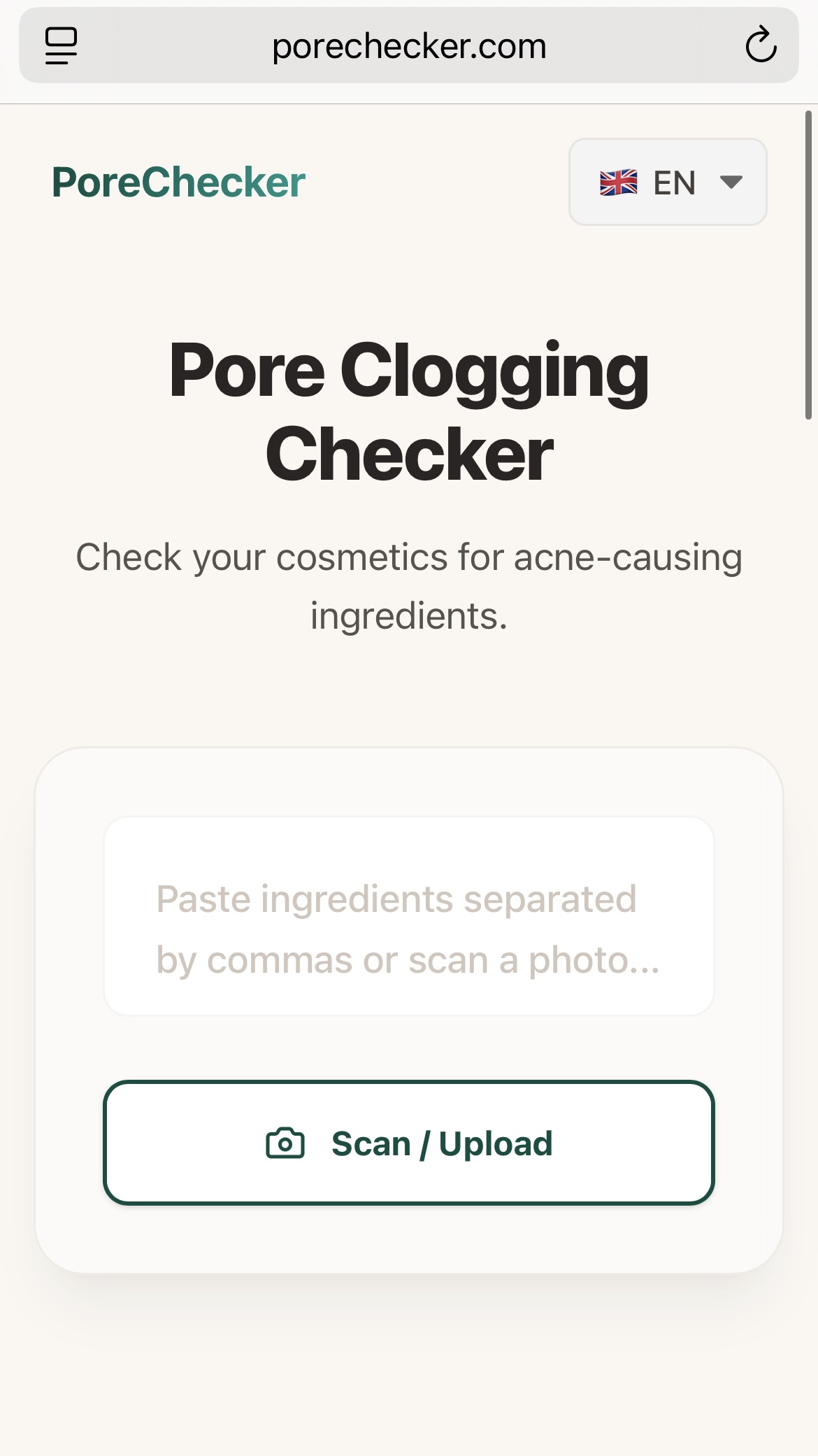
Step 1: Upload Your Product Image
Simply snap a photo of the ingredient list on the back of any bottle, jar, or box. No typing required.
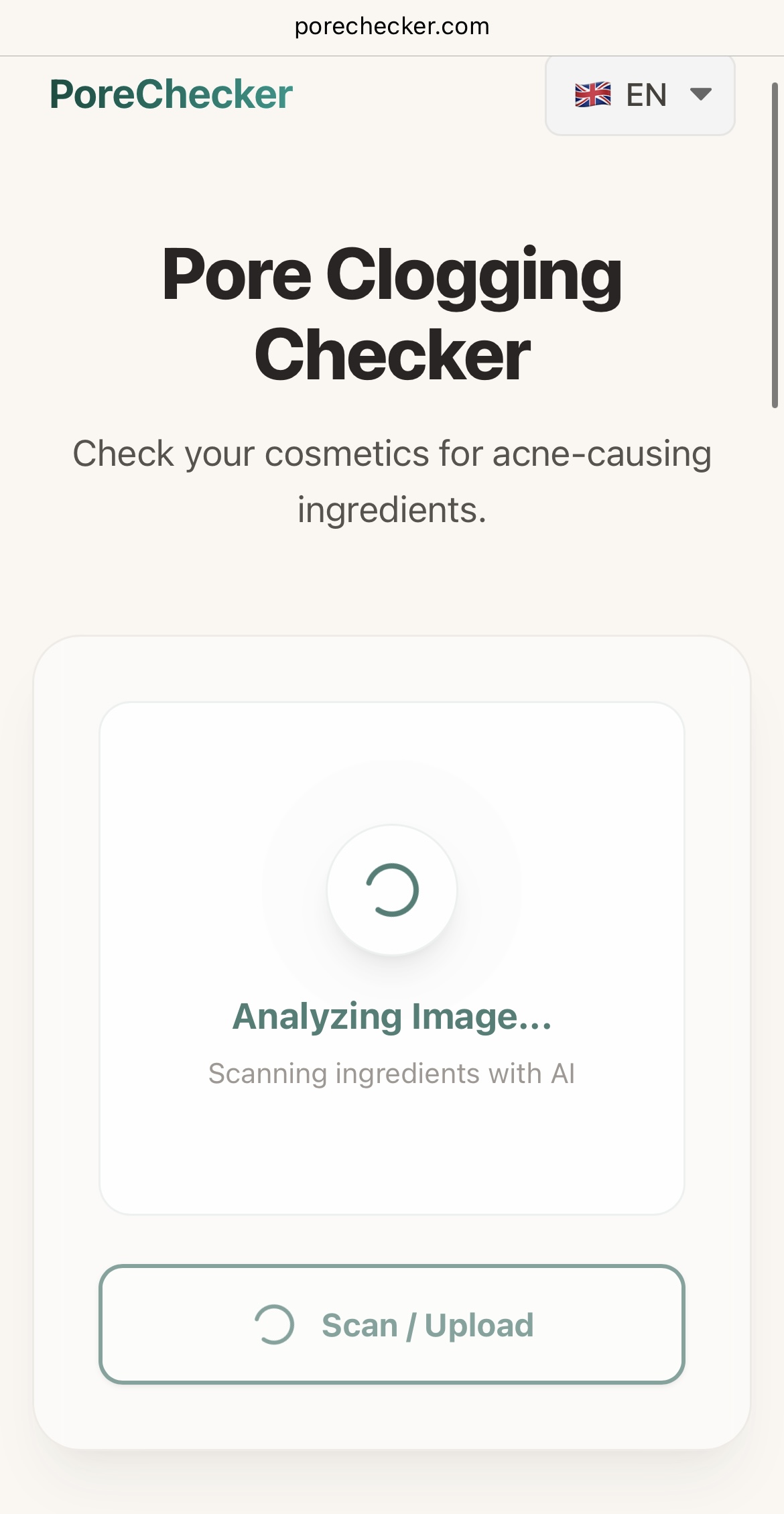
Step 2: Instant AI Ingredient Analysis
Our advanced AI scans the image, performs OCR (Optical Character Recognition), and matches every ingredient against our curated database of comedogenic substances.
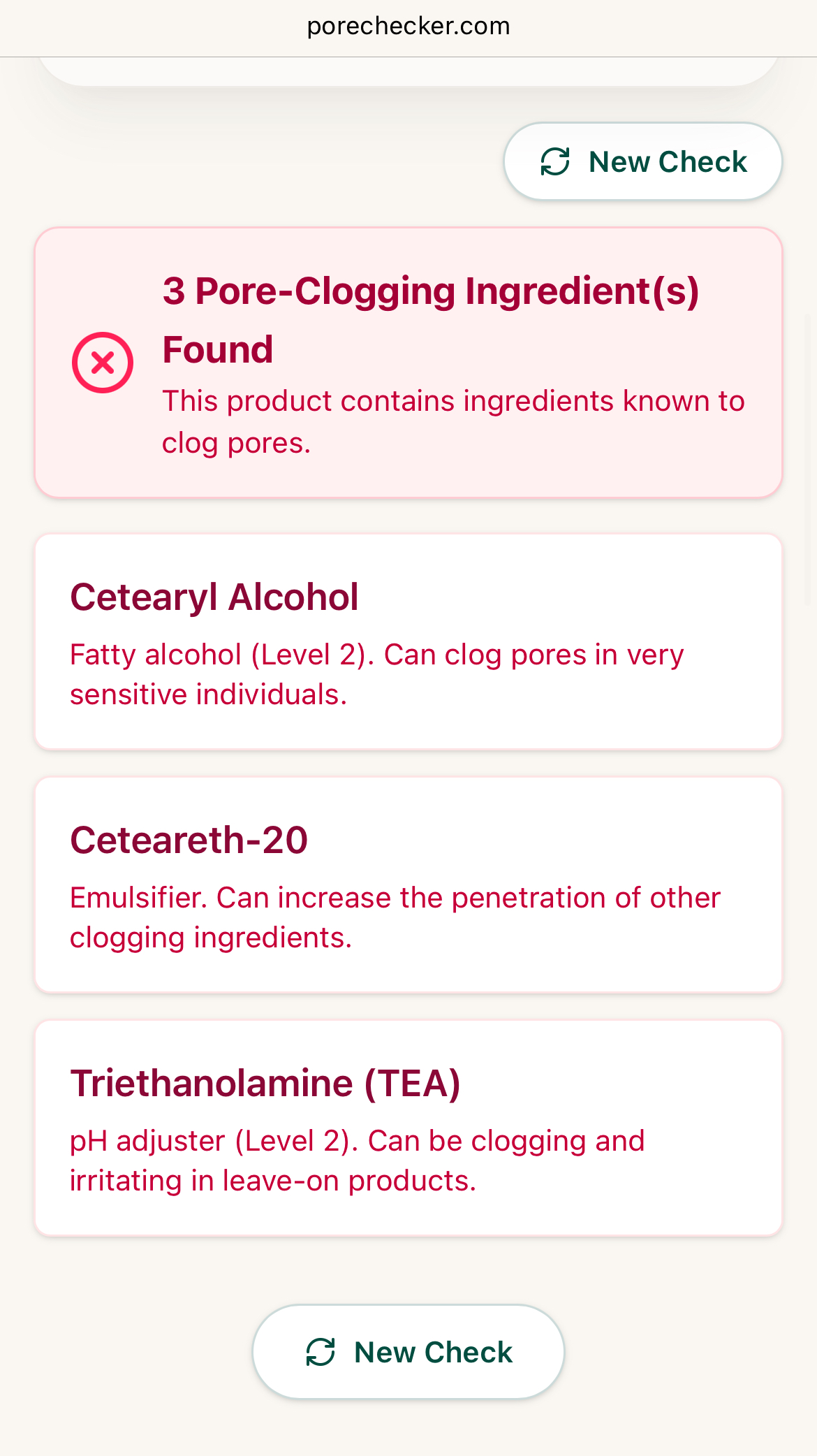
Step 3: Clear Results for Clearer Skin
You get an immediate breakdown. If any red-flag ingredients are found, we highlight them and explain why they might be problematic for your pores.
Does this product fit my skin's needs?
Check Your Products Now