What Is Serum? The Difference Between Skincare and Blood Serum
You hear the word "serum" at the doctor's office and at Sephora. Discover what serum is in blood versus what it means in the skincare world.
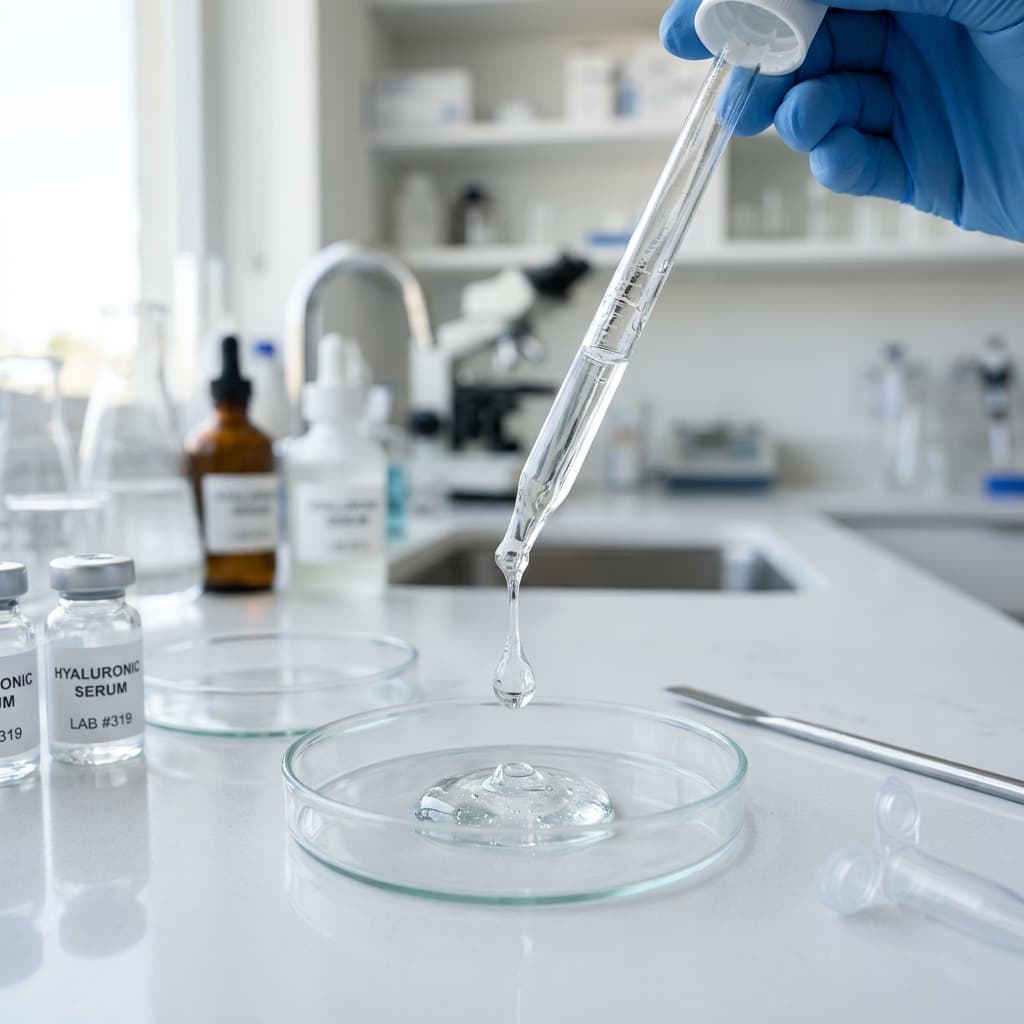
The English language is full of words that have vastly different meanings depending on the context. If you are sitting in a dermatologist's office, the word "serum" might come up twice in the same conversation—once regarding your lab results, and once regarding your nighttime routine. So, what is serum in blood, and how does it differ from the expensive little dropper bottles you apply to your face?
The Medical Definition: What is Serum in Blood?
In biology and medicine, blood serum is the clear, yellowish fluid that remains after blood has clotted.
If you draw a vial of whole blood and let it sit (or spin it in a centrifuge), the red blood cells, white blood cells, and clotting factors (like fibrinogen) clump together at the bottom. The liquid that floats to the top is the serum. It is essentially blood plasma without the clotting proteins.
Medical professionals analyze blood serum to test your cholesterol levels, blood sugar, hormones (which is crucial for diagnosing hormonal acne!), and antibodies. It is a pure delivery system for the body's essential nutrients and signals.
The Cosmetic Definition: Face Serums
In the beauty industry, the word "serum" borrowed its name from the medical field to imply something pure, concentrated, and potent. A skincare serum is a lightweight, highly concentrated liquid designed to deliver active ingredients deep into the skin.
Unlike thick moisturizers (which are designed to sit on top of the skin and lock in water), face serums are formulated with very small molecules. This allows them to bypass the surface barrier and penetrate deeply into the epidermis. They are the "treatment" step of your routine.
Common skincare serums include:
- Vitamin C Serums: For brightening and antioxidant protection.
- Hyaluronic Acid Serums: For deep cellular hydration.
- Retinol Serums: For anti-aging and acne treatment.
- Niacinamide Serums: For reducing redness and controlling oil production.
Summary
While they refer to entirely different things, both types of serum share a core concept: they are highly concentrated, purified liquids acting as delivery systems. Blood serum delivers essential nutrients and hormones throughout your body, while skincare serum delivers potent chemical actives directly into your pores to treat specific skin concerns.
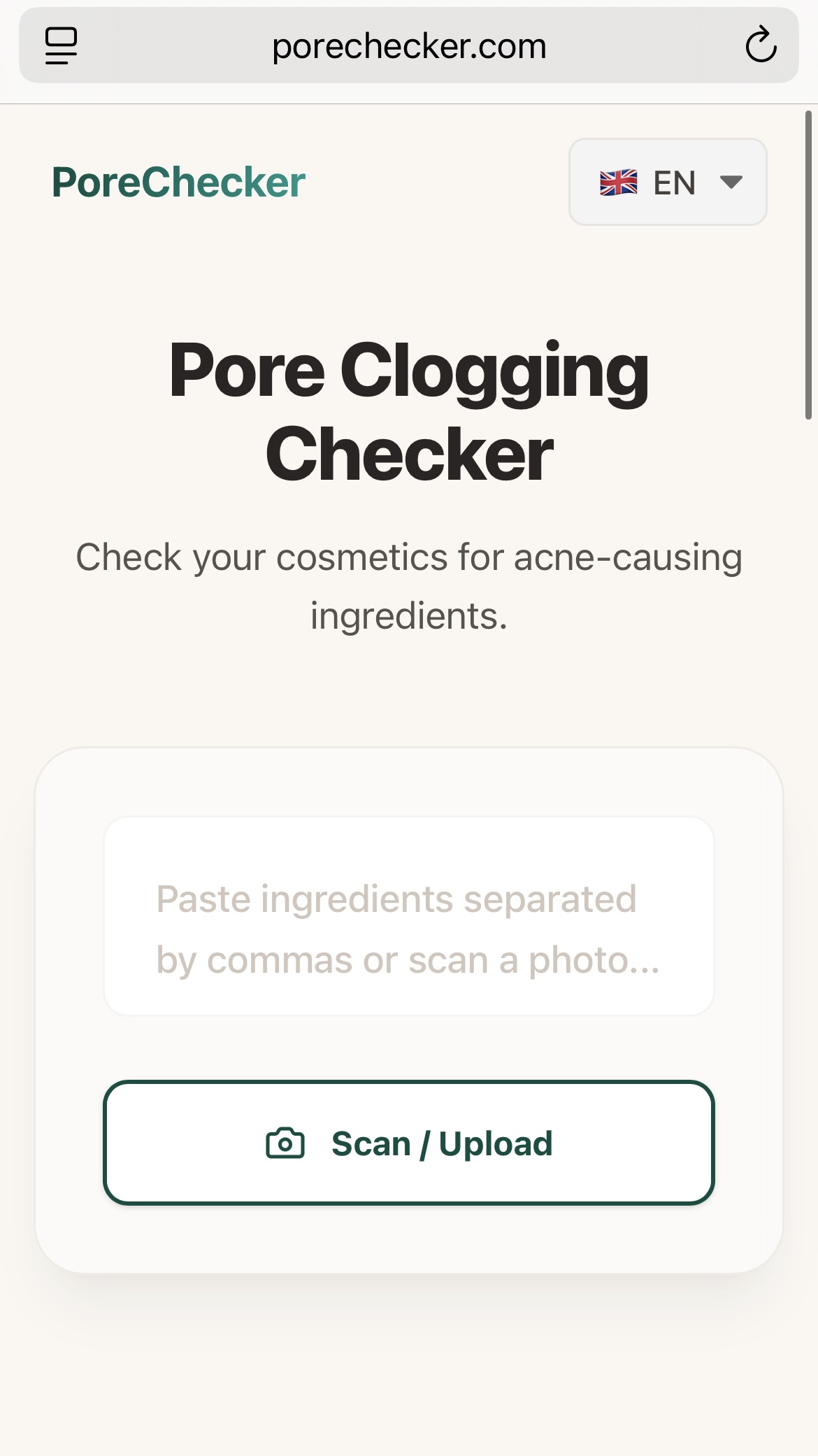
Step 1: Upload Your Product Image
Simply snap a photo of the ingredient list on the back of any bottle, jar, or box. No typing required.
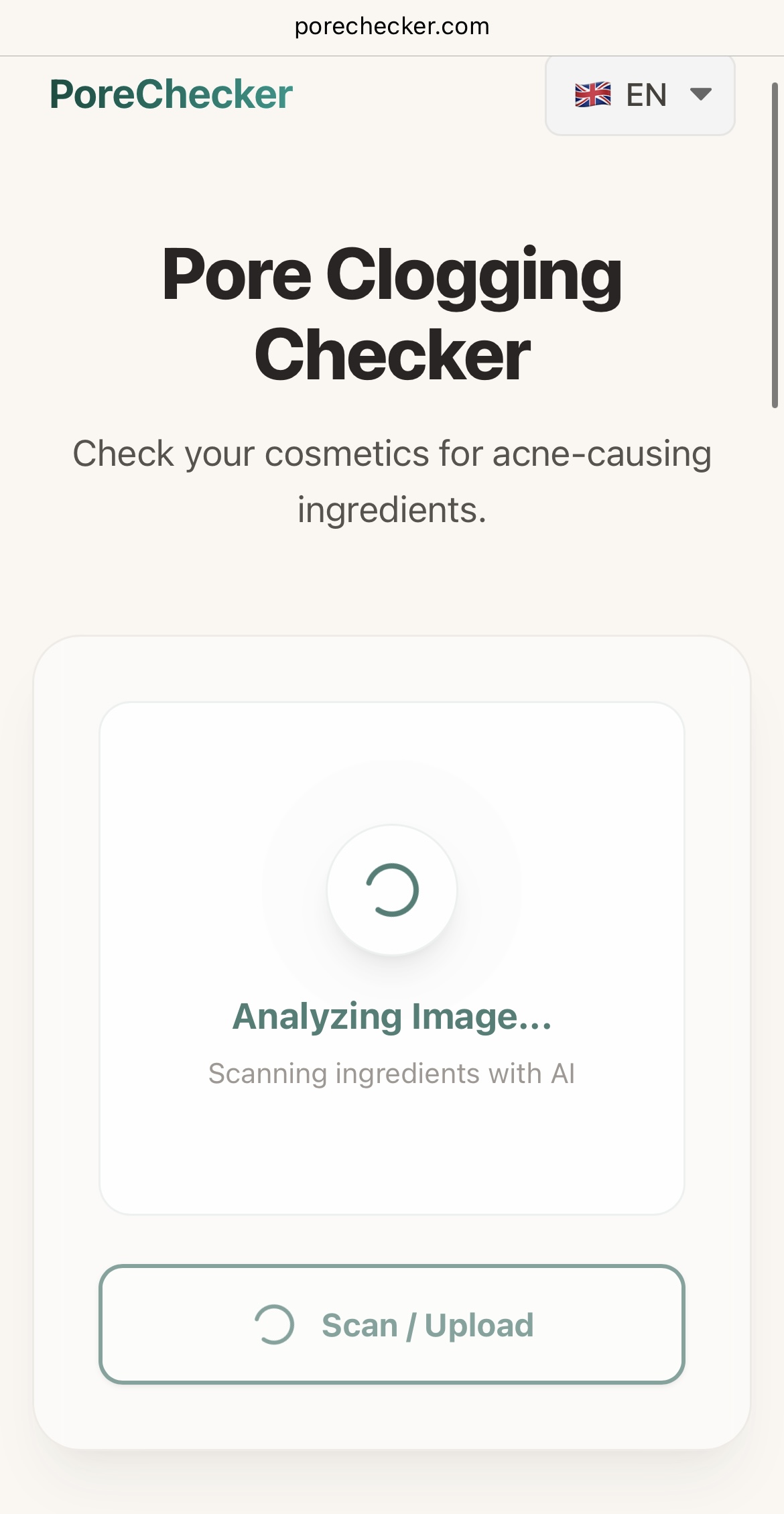
Step 2: Instant AI Ingredient Analysis
Our advanced AI scans the image, performs OCR (Optical Character Recognition), and matches every ingredient against our curated database of comedogenic substances.
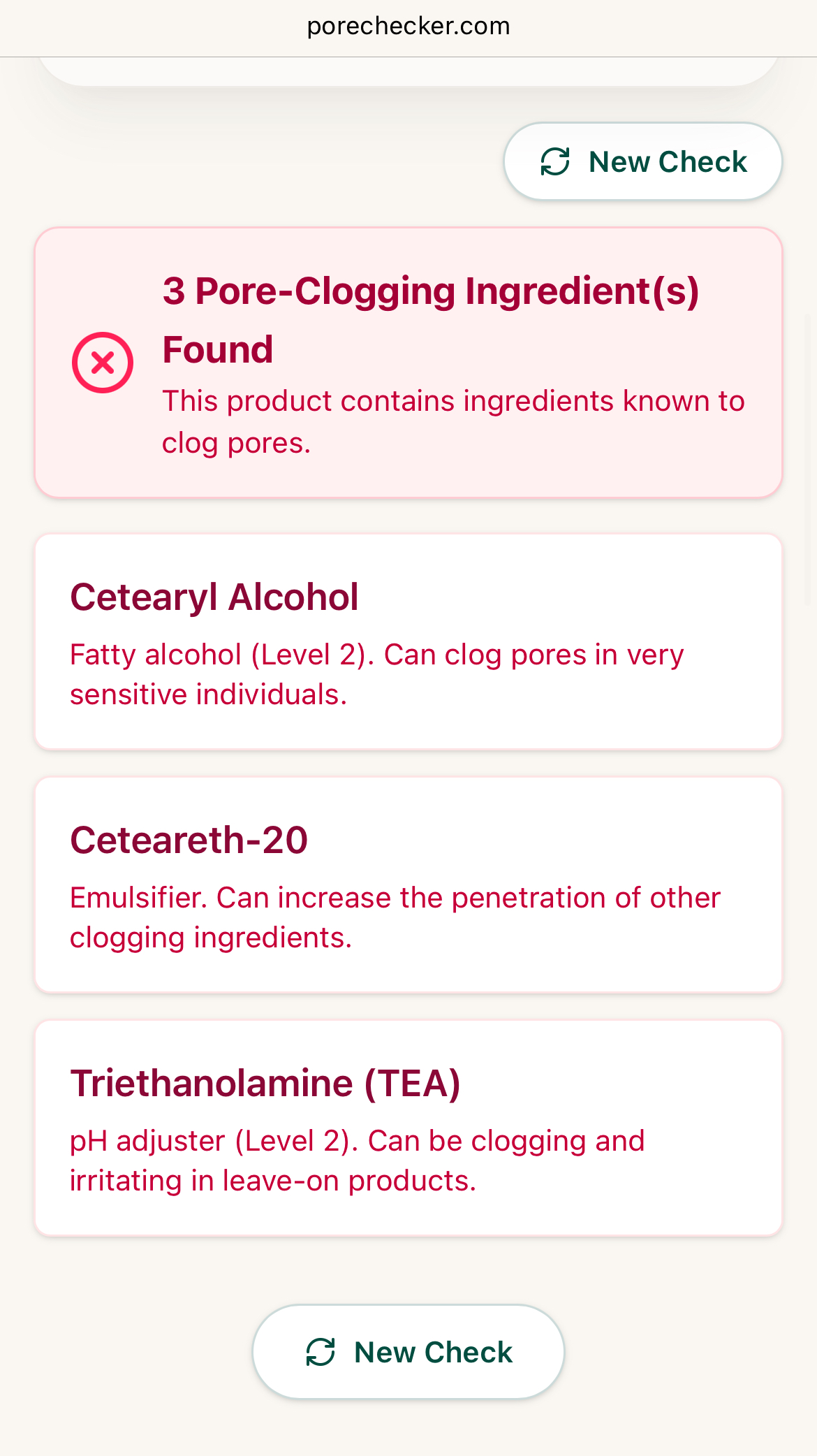
Step 3: Clear Results for Clearer Skin
You get an immediate breakdown. If any red-flag ingredients are found, we highlight them and explain why they might be problematic for your pores.
Does this product fit my skin's needs?
Check Your Products Now