What Is Serum Used For In A Professional Skincare Routine?
Learn what is serum used for in a daily routine, how to choose high-performance actives, and why ingredient quality matters most.
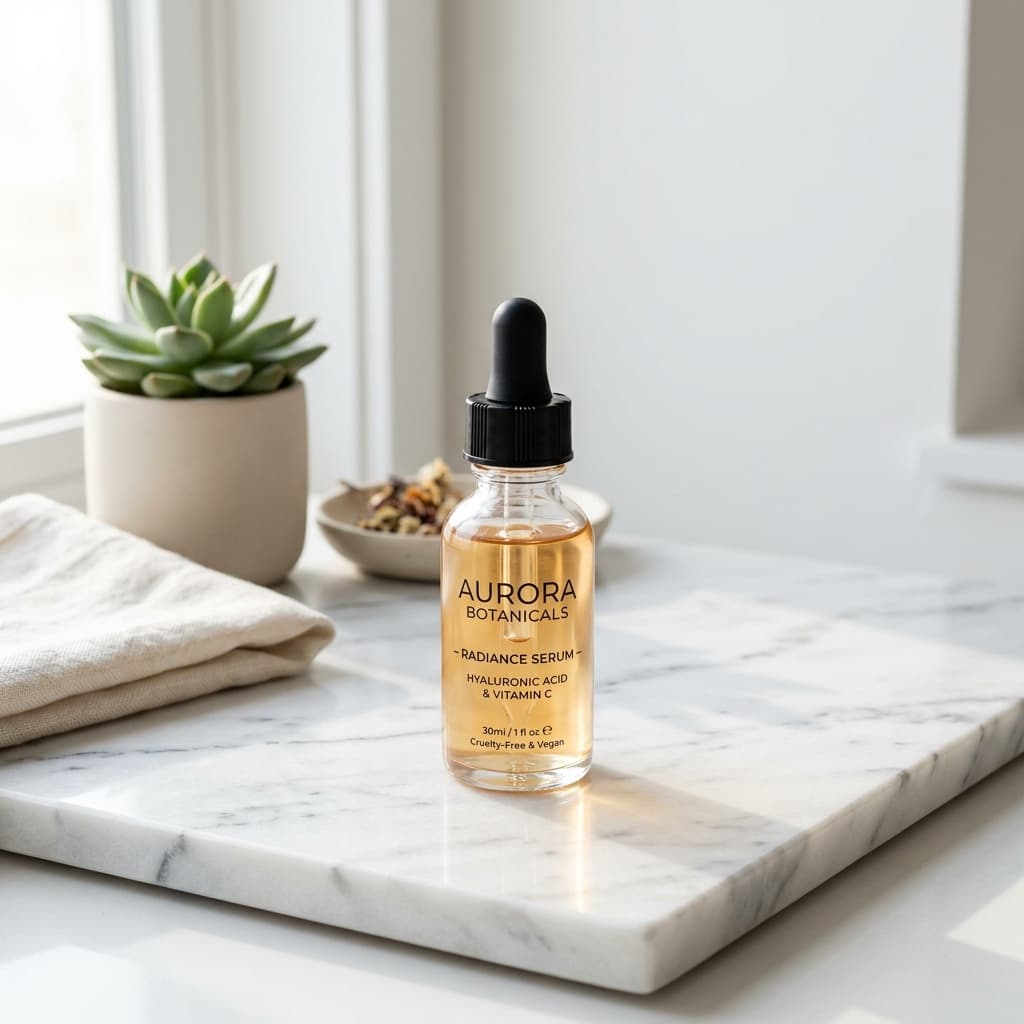
When navigating the landscape of modern dermatology, the sheer volume of topical treatments can feel overwhelming. Patients often ask me what is serum used for, wondering if it is truly a clinical necessity or merely a trend in the beauty industry. In professional practice, a serum is defined by its high concentration of active molecules—such as vitamin C, hyaluronic acid, or retinoids—delivered in a vehicle designed for deep penetration. Unlike heavy creams that function primarily as occlusives to trap moisture, serums are engineered to address specific physiological concerns at a cellular level.
The efficacy of a serum relies entirely on its formulation. Because these products bypass the superficial barrier more efficiently than lotions, the base ingredients become just as critical as the actives themselves. A high-quality serum should be non-comedogenic, ensuring that the vehicle delivering the treatment does not inadvertently trigger follicular hyperkeratinization or clog your pores. Prioritizing pure, clinically backed formulations allows your skin to repair and revitalize without the interference of unnecessary fillers or occlusive agents that do not serve your long-term dermatological health.
The Science of Targeted Delivery
The primary function of a serum is to deliver potent ingredients directly into the dermis. While a moisturizer maintains the integrity of the skin's lipid barrier, a serum acts as a precision tool. If you are struggling with hyperpigmentation, a serum containing L-ascorbic acid or alpha-arbutin can inhibit melanin production where it originates. If your concern is structural aging, peptides and growth factors in a serum base can stimulate collagen synthesis more effectively than any surface-level emulsion.
Matching Serums to Biological Needs
Understanding what is serum used for begins with assessing your skin’s current state. Hydration-focused serums, typically packed with humectants like hyaluronic acid, draw moisture from the air or deeper skin layers to plump the epidermis. Conversely, treatment serums designed for acne-prone skin often utilize salicylic acid or niacinamide to regulate sebum production and reduce inflammation. The key is consistency; because serums contain a high ratio of actives, consistent application is what ultimately dictates your clinical outcome.
Don't Let Your Products Ruin Your Progress
Even the most expensive, scientifically advanced serum can become a liability if the supporting ingredients are problematic. Many "luxury" formulations rely on emulsifiers or thickeners that are known to be comedogenic, meaning they can congest pores even while they attempt to treat fine lines or discoloration. When you invest in a serum, you are trusting the brand to prioritize the health of your skin barrier. If the product’s ingredient list contains hidden pore-cloggers, you may find yourself dealing with unexpected breakouts or dullness that counteract the benefits of the active ingredients. Before integrating a new serum into your daily ritual, it is essential to scan the full ingredient deck to ensure you aren't inviting irritation or congestion into your routine.
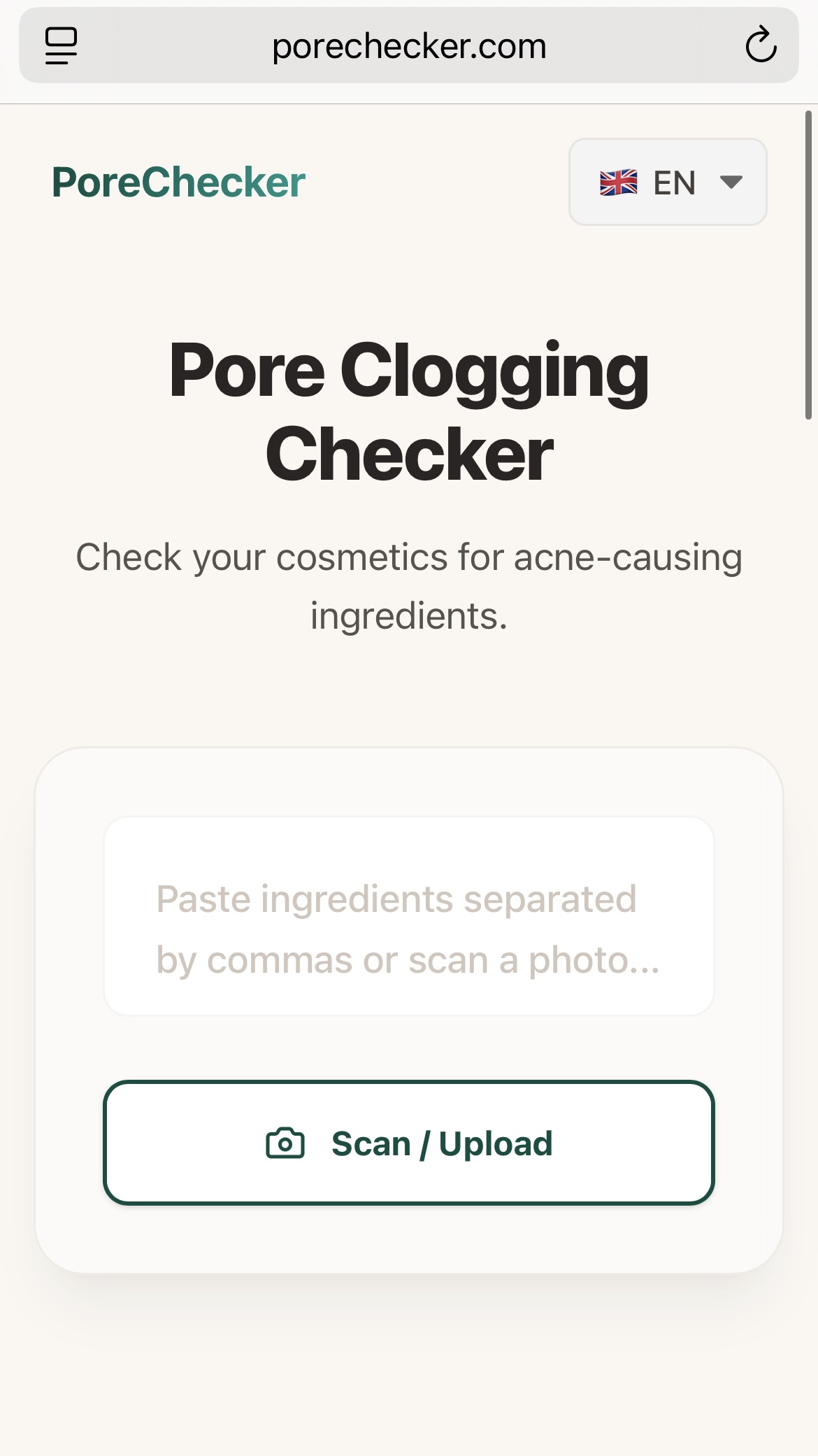
Step 1: Upload Your Product Image
Simply snap a photo of the ingredient list on the back of any bottle, jar, or box. No typing required.
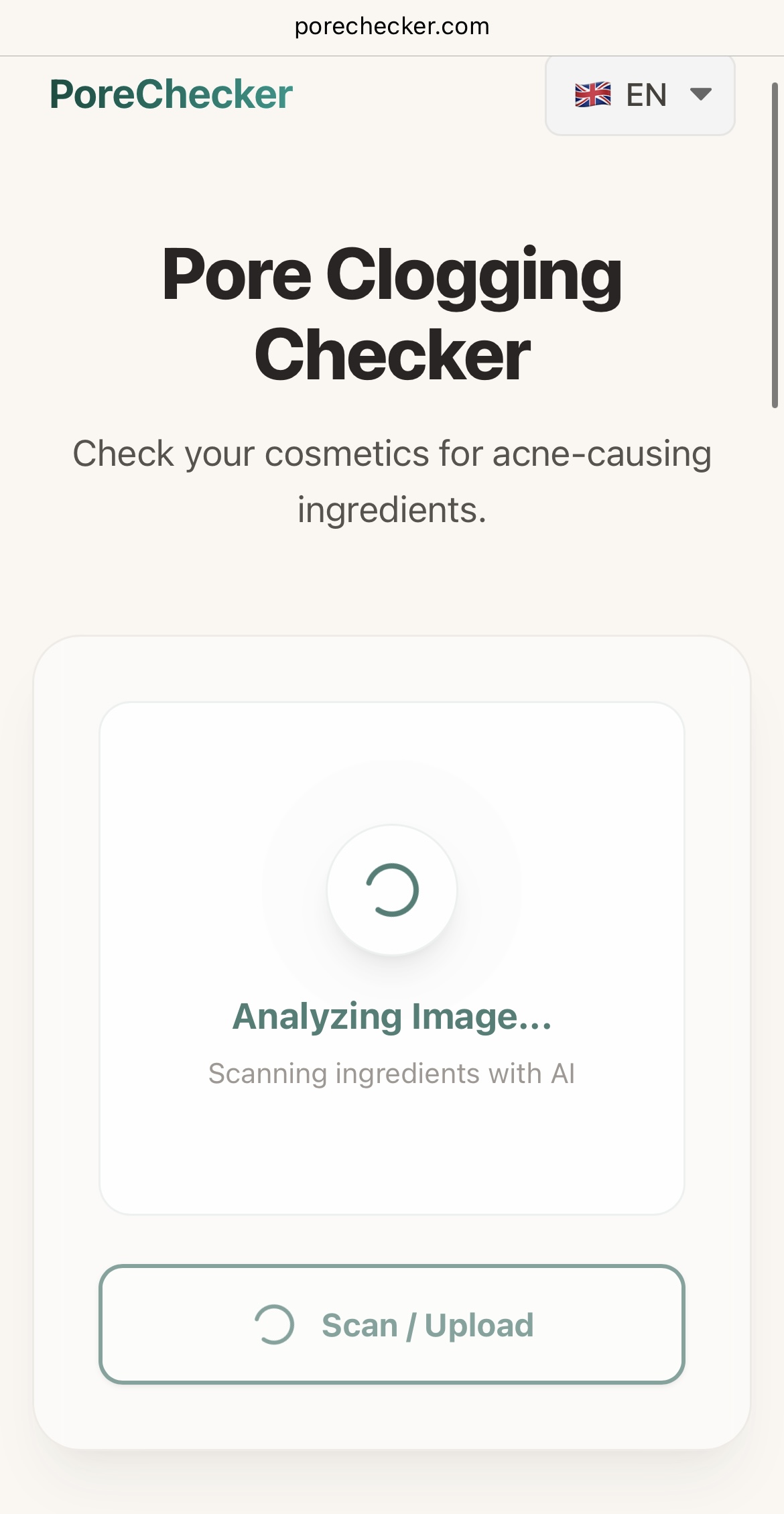
Step 2: Instant AI Ingredient Analysis
Our advanced AI scans the image, performs OCR (Optical Character Recognition), and matches every ingredient against our curated database of comedogenic substances.
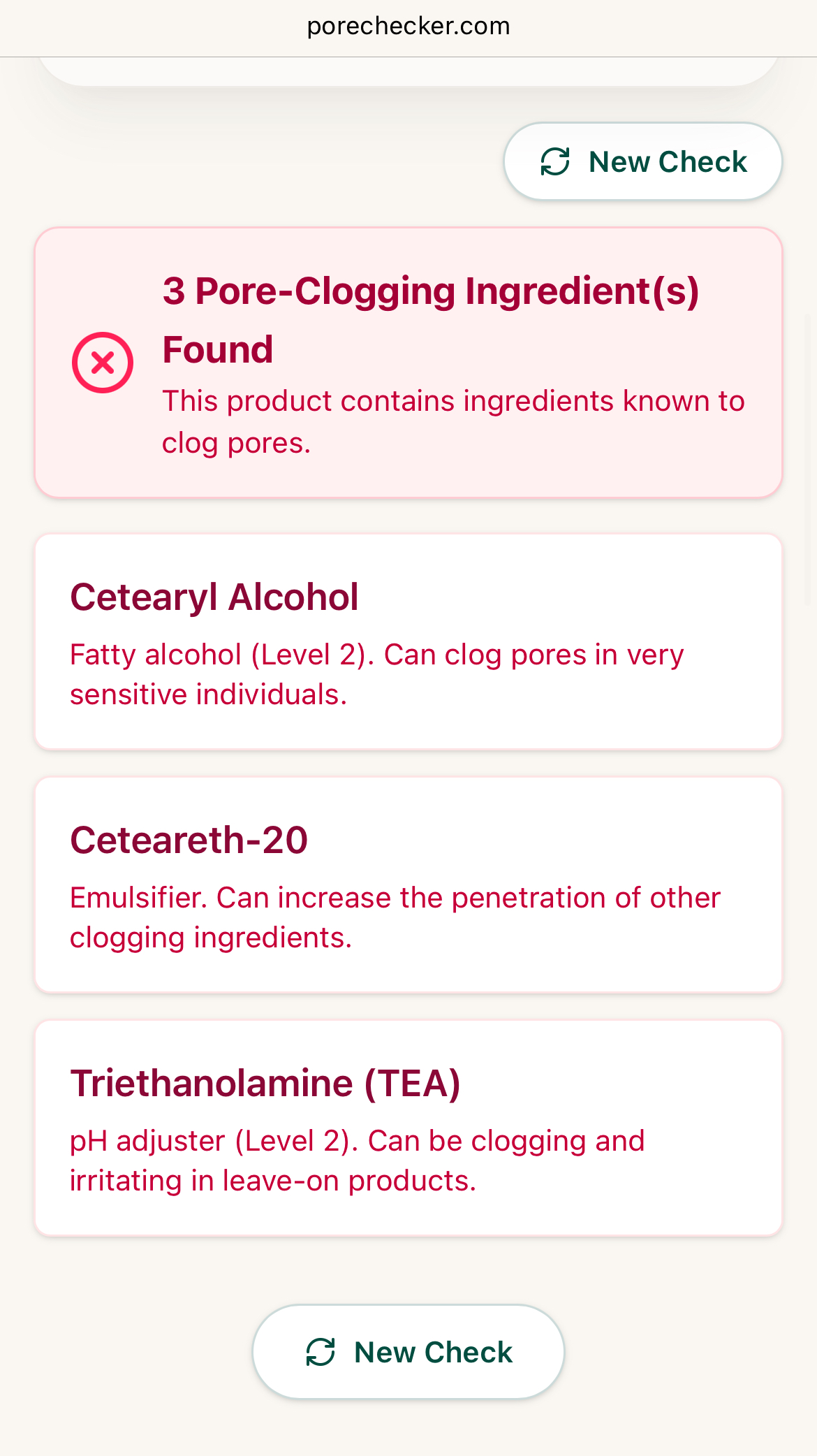
Step 3: Clear Results for Clearer Skin
You get an immediate breakdown. If any red-flag ingredients are found, we highlight them and explain why they might be problematic for your pores.
Does this product fit my skin's needs?
Check Your Products Now