What Is The Best Face Moisturizer For Your Unique Skin Barrier?
Struggling to find the right hydration? Learn what is the best face moisturizer for your skin type and how to avoid pore-cloggers.
Finding the right moisturizer is rarely about picking the most expensive bottle on the shelf; it is about understanding the physiological needs of your specific skin barrier. A healthy stratum corneum—the outermost layer of your skin—requires a precise balance of humectants to pull in moisture, emollients to smooth texture, and occlusives to lock it all in. When this balance is disrupted by products that are either too heavy or chemically irritating, you often see a spike in trans-epidermal water loss (TEWL) and reactive breakouts.
True dermatological health begins with non-comedogenic care. Many individuals inadvertently damage their complexion by applying heavy, synthetic oils or waxes that trap debris within the follicular opening. Selecting a moisturizer should be an exercise in reading ingredient labels rather than following trends, ensuring that your daily hydration supports your skin’s natural resilience without inducing inflammation.
Decoding Your Hydration Needs
The concept of what is the best face moisturizer changes depending on your internal biology and external environment. For those with oily or acne-prone skin, a gel-based formula utilizing hyaluronic acid or glycerin is often superior to cream-based alternatives. These water-binding molecules hydrate the skin without leaving a heavy film that can exacerbate congestion.
The Role of Ceramides and Fatty Acids
If your skin feels tight, flaky, or sensitive, your lipid barrier is likely compromised. In this scenario, look for moisturizers enriched with ceramides, cholesterol, and free fatty acids. These ingredients mimic the skin’s natural lipid structure, effectively "patching" holes in your barrier. Unlike heavy mineral oils, these components are skin-identical and integrate seamlessly into the intercellular matrix, providing long-term structural support rather than just superficial moisture.
Navigating Hidden Pore-Cloggers
Not all emollients are created equal. Some common ingredients, such as isopropyl myristate, cocoa butter, or certain algae extracts, carry a high comedogenicity rating. These substances are notorious for reacting with sebum in the pore, leading to the formation of micro-comedones—the precursors to visible breakouts. Even a highly-rated, luxury moisturizer can become the primary source of your skin troubles if it contains these hidden culprits.
Don't Let Your Products Ruin Your Progress
Even when you identify a formula that feels soothing upon application, it is essential to scrutinize the full ingredient list for potential irritants or acne-triggers that might be working against your goals. Many top-selling moisturizers contain ingredients that look impressive on a label but perform poorly for acne-prone or reactive complexions. Relying on professional-grade analysis to cross-reference your products against a list of known pore-clogging agents is the most effective way to protect your skin barrier while maintaining the hydration you need for a radiant, healthy look.
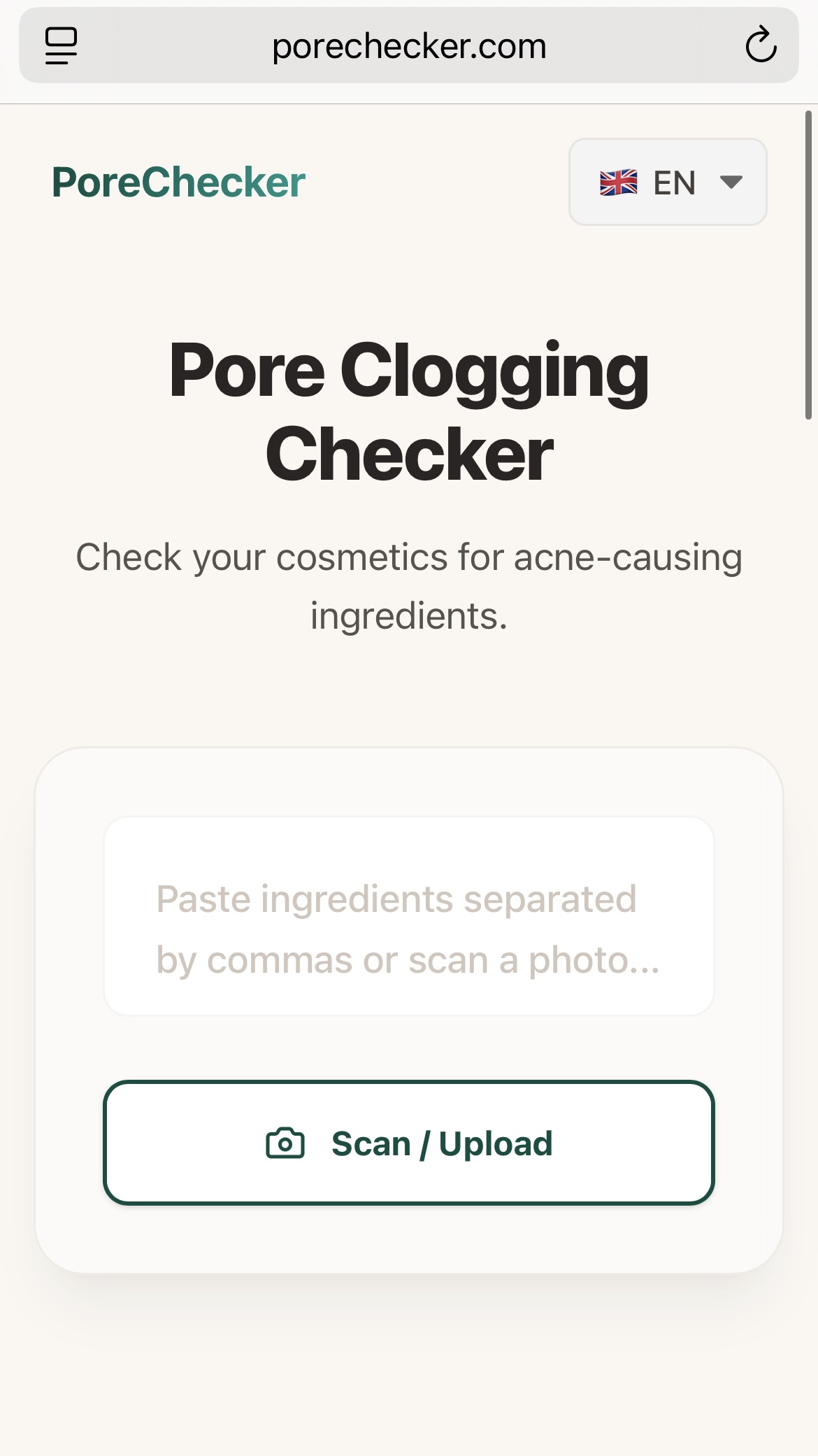
Step 1: Upload Your Product Image
Simply snap a photo of the ingredient list on the back of any bottle, jar, or box. No typing required.
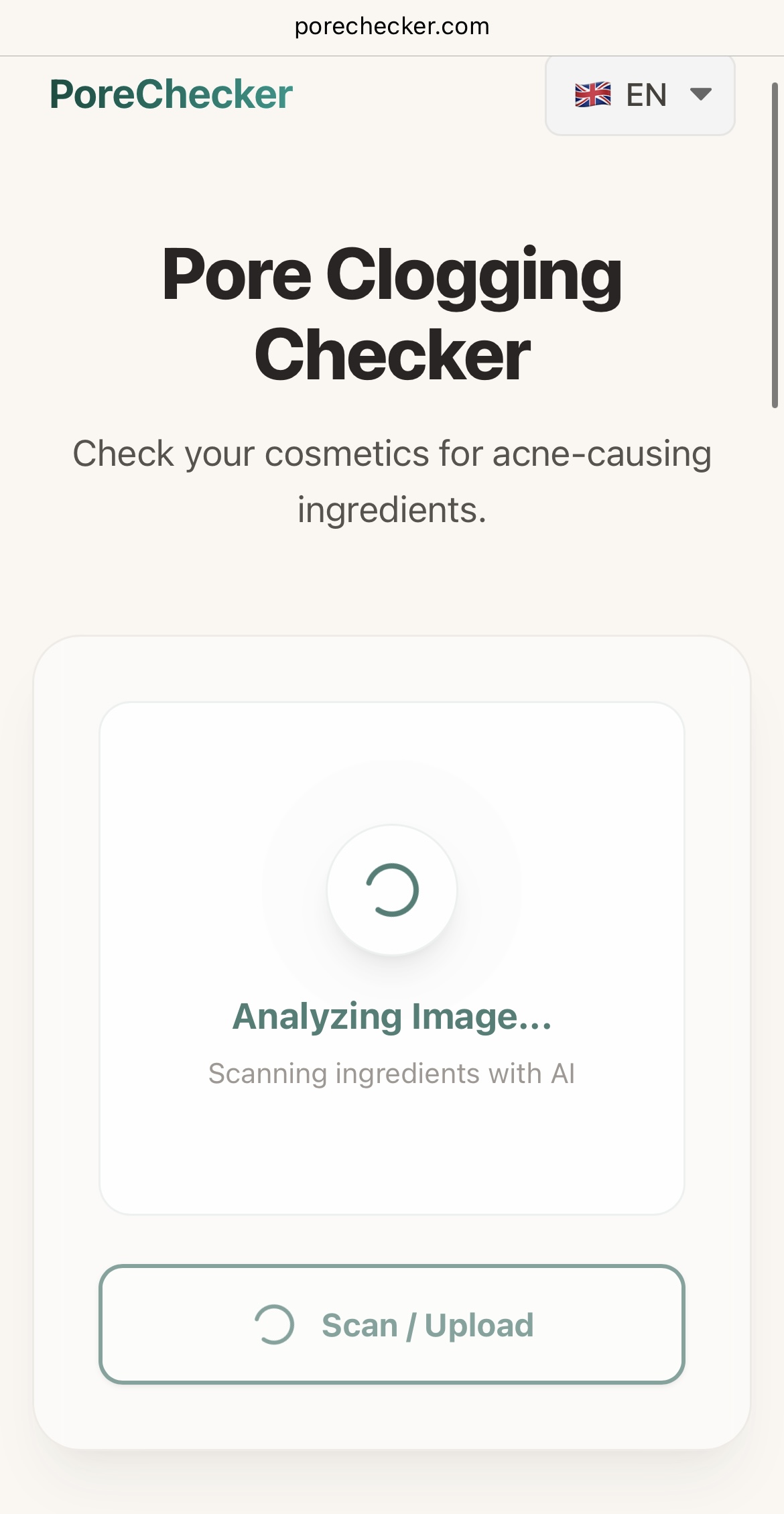
Step 2: Instant AI Ingredient Analysis
Our advanced AI scans the image, performs OCR (Optical Character Recognition), and matches every ingredient against our curated database of comedogenic substances.
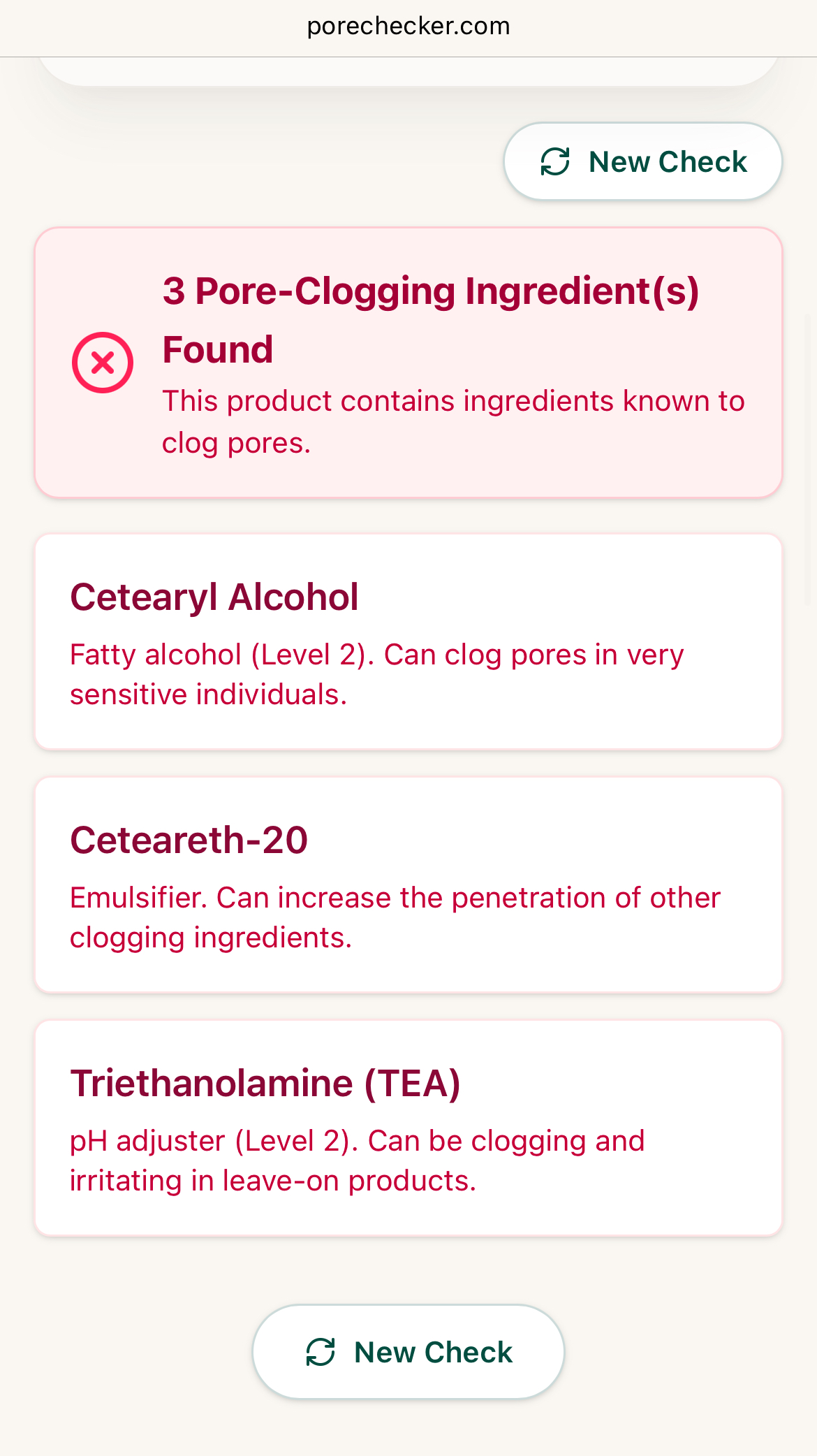
Step 3: Clear Results for Clearer Skin
You get an immediate breakdown. If any red-flag ingredients are found, we highlight them and explain why they might be problematic for your pores.
Does this product fit my skin's needs?
Check Your Products Now