What Is the Best Makeup for Acne-Prone Skin? A Dermatologist's Guide to Flawless Coverage
Discover the best makeup for acne-prone skin! Expert dermatologist tips for flawless coverage without breakouts. Find the perfect products and avoid pore-cloggers.
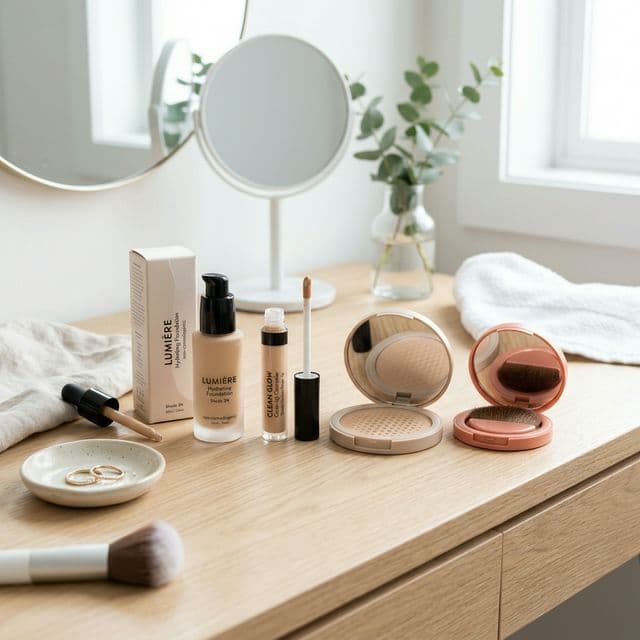
Living with acne can be challenging, and finding makeup that complements your skin, rather than exacerbates issues, is crucial. The market is saturated with products, making the quest for the right formulas feel overwhelming. This guide, based on scientific understanding of skincare and years of clinical experience, will help you navigate the world of makeup, ensuring you can achieve a flawless look while safeguarding your skin's health. We'll focus on what to look for and, equally important, what to avoid.
The key lies in understanding that makeup for acne-prone skin should prioritize non-comedogenic formulations. This means choosing products specifically designed not to clog pores. Avoiding pore-clogging ingredients can significantly reduce breakouts, allowing your skin to breathe and heal. This principle forms the foundation of all the advice you'll find here, empowering you to make informed decisions and build a makeup routine that supports clear, healthy skin.
Foundation: The Cornerstone of Your Routine
Foundation is often the first product we reach for when trying to conceal imperfections, so choosing the right one is critical. Look for foundations labeled "non-comedogenic," "oil-free," and "fragrance-free." These formulations are less likely to contain ingredients that trigger breakouts. Mineral-based foundations are often a good choice, as they typically contain fewer potential irritants and offer natural coverage. Avoid heavy, creamy foundations that can trap oil and dead skin cells, leading to clogged pores.
Ingredient Spotlight: The Usual Suspects
Certain ingredients are notorious for clogging pores. These include: mineral oil, isopropyl myristate, lanolin, and some types of silicones. Always check the ingredient list carefully. Even products marketed as "acne-friendly" can sometimes contain these ingredients, so diligence is key. Remember, a short ingredient list is often a good sign, but the absence of pore-clogging culprits is even better.
Concealers and Correctors: Spot Treatment Strategies
Concealers and color correctors can be your secret weapons for targeting specific areas of concern. Opt for lightweight, non-comedogenic concealers. Green-tinted correctors can neutralize redness from blemishes, while peach or orange tones can counteract dark circles. When applying, use a clean brush or sponge and avoid over-application, as excess product can worsen breakouts. Powder-based concealers can be particularly beneficial for oily skin, as they help absorb excess sebum. Always prioritize a gentle touch and remember that less is often more.
The Importance of Application Tools
The tools you use to apply your makeup are as important as the products themselves. Always use clean brushes and sponges. Bacteria and build-up on these tools can transfer to your skin, exacerbating acne. Wash your brushes and sponges at least once a week with a gentle cleanser. Consider using disposable applicators for spot concealing to minimize the risk of spreading bacteria. Maintaining the hygiene of your application tools is a simple, yet powerful step in your skincare routine.
Powders, Blush, and Bronzer: Adding Dimension, Minimizing Risk
Powders can help set your makeup and control shine, but choose wisely. Look for loose powders, as they generally contain fewer binders that can clog pores. Mineral powders are often a great option. When it comes to blush and bronzer, opt for formulas that are labeled non-comedogenic and are preferably powder-based. Creamy or stick products may contain pore-clogging ingredients. Always apply powders sparingly to avoid a heavy look.
Color Cosmetics and Your Skin
Selecting the right colors is a fun part of the process, but don't let aesthetics overshadow the health of your skin. Read labels carefully and remember the key principles of non-comedogenic makeup. Test new products on a small area of skin before applying them to your entire face. If you experience breakouts or irritation, discontinue use immediately. Remember that less is more, especially when your skin is sensitive and prone to acne.
Don't Let Your Products Ruin Your Progress
Choosing the right makeup is only half the battle. Even products marketed as "safe" for acne-prone skin can sometimes contain hidden pore-clogging ingredients. Many seemingly harmless components can trigger breakouts for sensitive individuals. To stay ahead, remember to become a detective of ingredients, always. Checking the ingredient lists against a database of comedogenic substances is a great habit to adopt, ensuring you're only using products that support your clear skin goals.
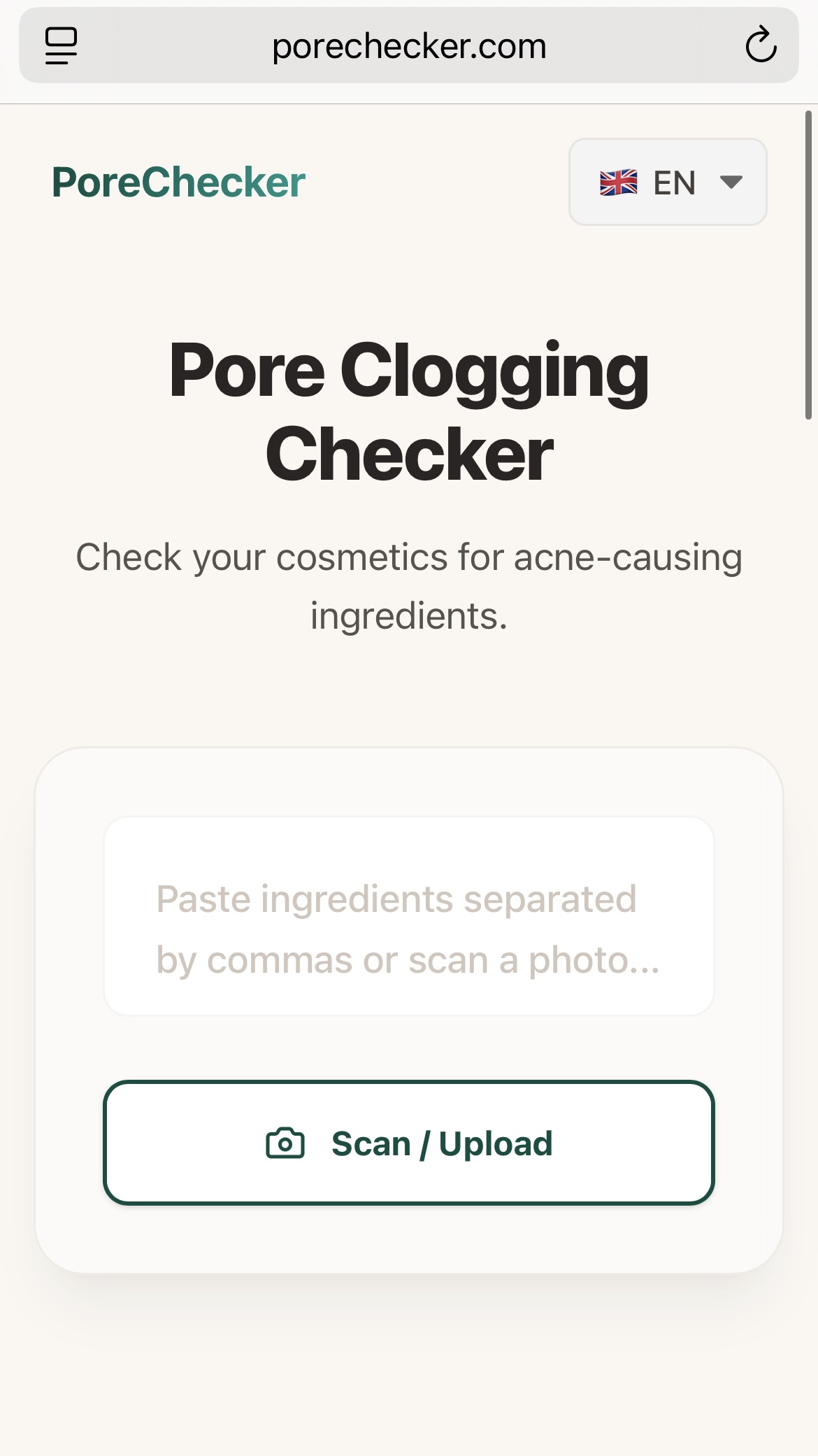
Step 1: Upload Your Product Image
Simply snap a photo of the ingredient list on the back of any bottle, jar, or box. No typing required.
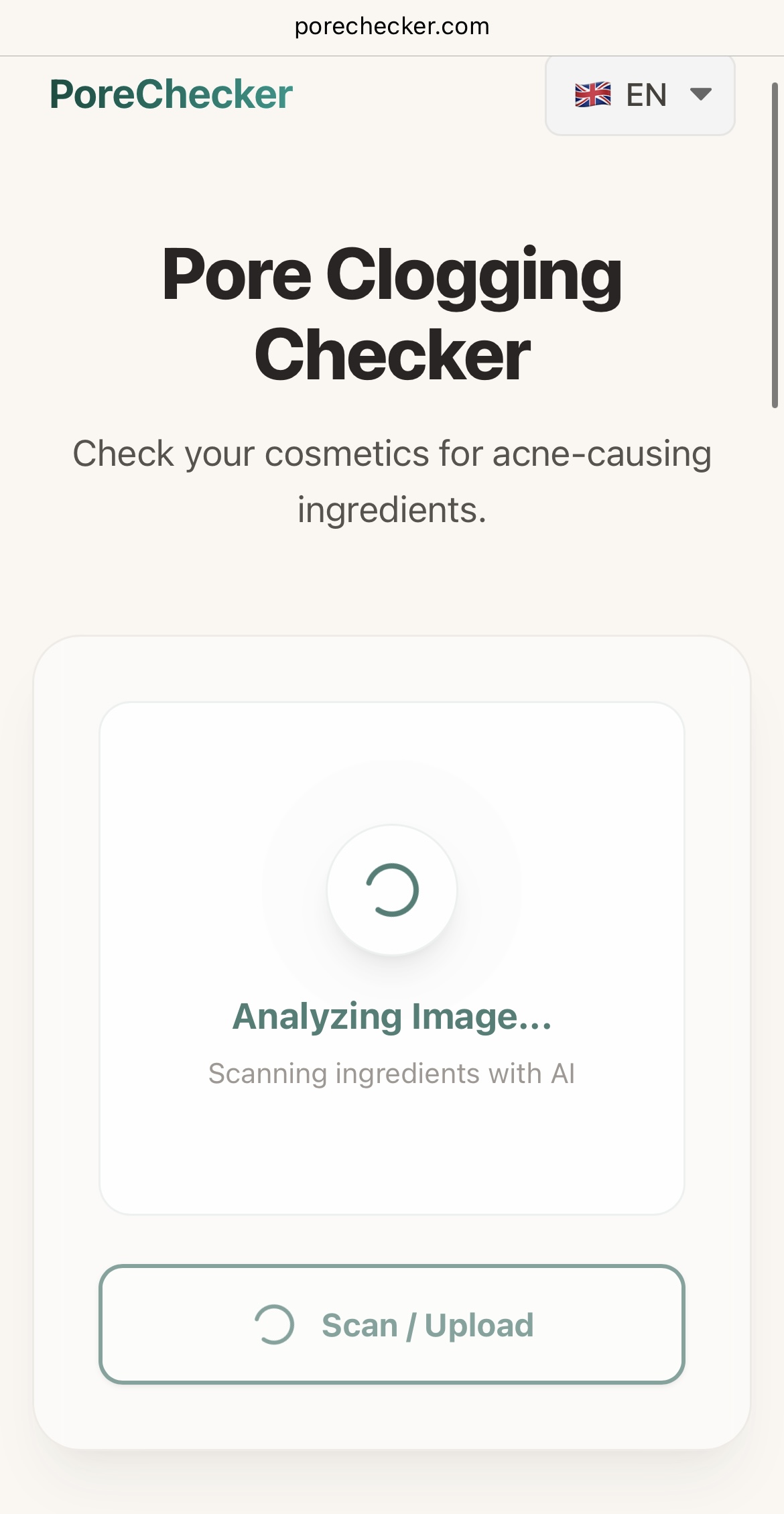
Step 2: Instant AI Ingredient Analysis
Our advanced AI scans the image, performs OCR (Optical Character Recognition), and matches every ingredient against our curated database of comedogenic substances.
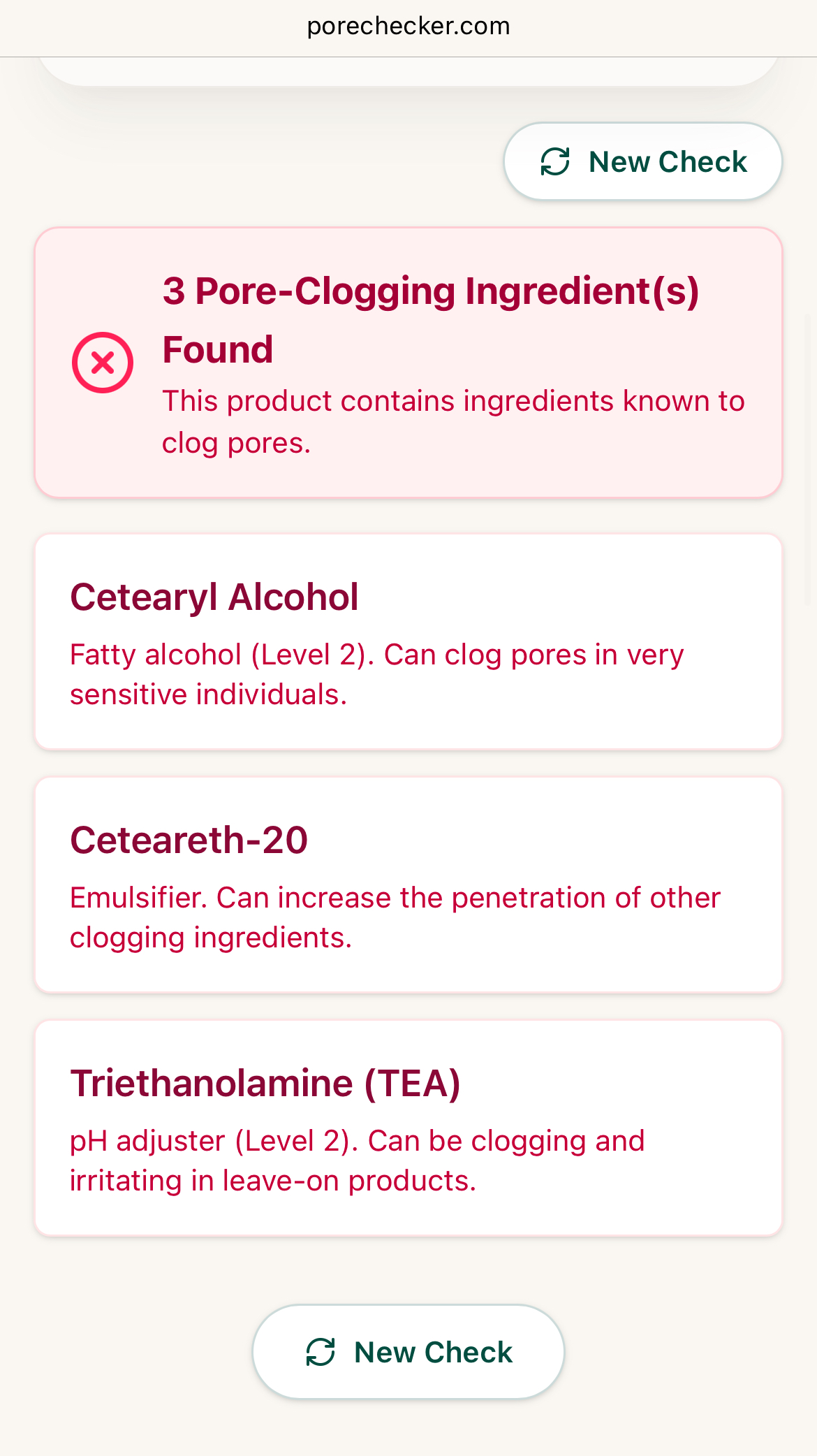
Step 3: Clear Results for Clearer Skin
You get an immediate breakdown. If any red-flag ingredients are found, we highlight them and explain why they might be problematic for your pores.
Does this product fit my skin's needs?
Check Your Products Now