What Is Tinted Moisturizer and Is It Actually Good for Your Skin?
Learn what is tinted moisturizer, how it benefits your complexion, and why choosing non-comedogenic formulas is vital for skin health.

When navigating the intersection of makeup and skincare, tinted moisturizer often surfaces as the bridge between bare skin and a full-coverage foundation. At its core, a tinted moisturizer is a hybrid product designed to deliver hydration alongside a sheer wash of pigment. Unlike traditional foundations that prioritize pigment load to conceal imperfections, these formulas focus on moisture retention, making them a staple for those seeking a "no-makeup" aesthetic that feels breathable throughout the day.
However, not all formulas are created equal. Many products masquerading as "skincare-infused" makeup contain occlusive oils or heavy waxes that can trap sebum and debris against the skin. For those prone to breakouts or congestion, selecting a non-comedogenic formula is not merely a suggestion—it is the foundation of a healthy complexion. Understanding the balance between hydration and breathability is essential to ensuring your daily coverage does not compromise your skin barrier or clog your pores.
The Mechanics of Tinted Formulas
The primary objective of a high-quality tinted moisturizer is to provide an immediate cosmetic correction while supporting the skin's moisture barrier. These products typically utilize humectants like glycerin or hyaluronic acid to pull water into the epidermis, coupled with light-reflecting pigments that diffuse the appearance of uneven skin tone. Because the pigment density is significantly lower than that of a standard liquid foundation, the product remains flexible on the skin, preventing that tell-tale settling into fine lines that often occurs by midday.
Identifying Hidden Pore-Cloggers
Despite their lightweight marketing, many tinted moisturizers hide ingredients that can trigger comedogenesis. Common culprits include algae extracts, certain heavy silicones, and various plant-based oils that are biologically similar to the sebum your skin produces. When these substances sit on the skin for eight to ten hours, they can create an environment where anaerobic bacteria thrive, leading to inflammatory bumps or clogged pores. If you notice persistent congestion in the T-zone or along the jawline, it is often a sign that your chosen daily base is not as "clean" as the label suggests.
Don't Let Your Products Ruin Your Progress
Achieving a clear complexion requires more than just a consistent cleansing routine; it demands a rigorous look at every product that touches your face, including your daily tinted moisturizer. It is entirely possible to sabotage months of diligent treatment by applying a base product filled with hidden pore-cloggers that quietly irritate your skin. Before settling on a product for your daily rotation, you must verify that every ingredient aligns with your skin's unique needs, as even high-end cosmetic brands often include common irritants in their formulations. Utilizing a reliable ingredient checker can help you identify these risks and ensure your makeup works in harmony with your skincare regimen rather than against it.
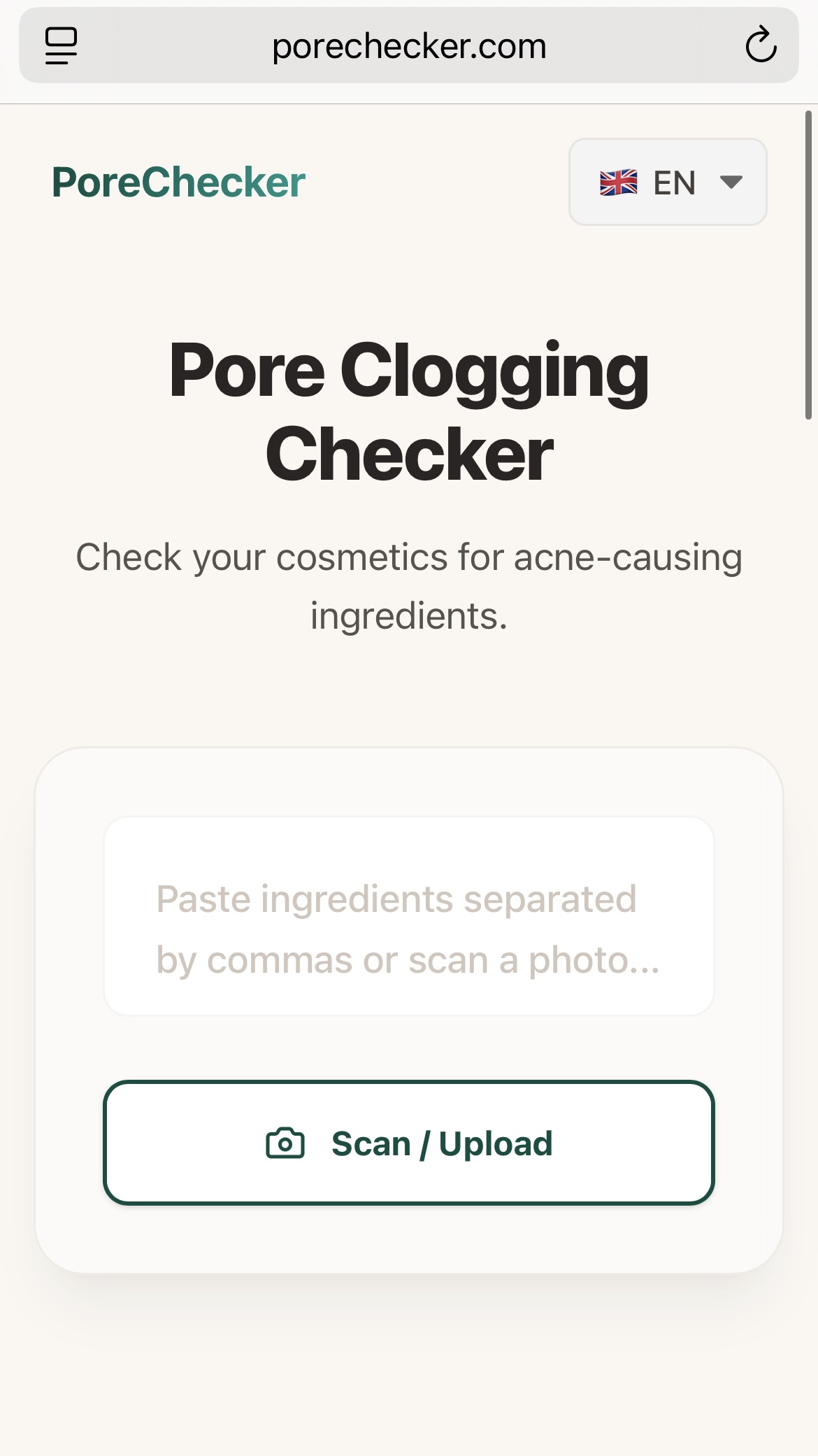
Step 1: Upload Your Product Image
Simply snap a photo of the ingredient list on the back of any bottle, jar, or box. No typing required.
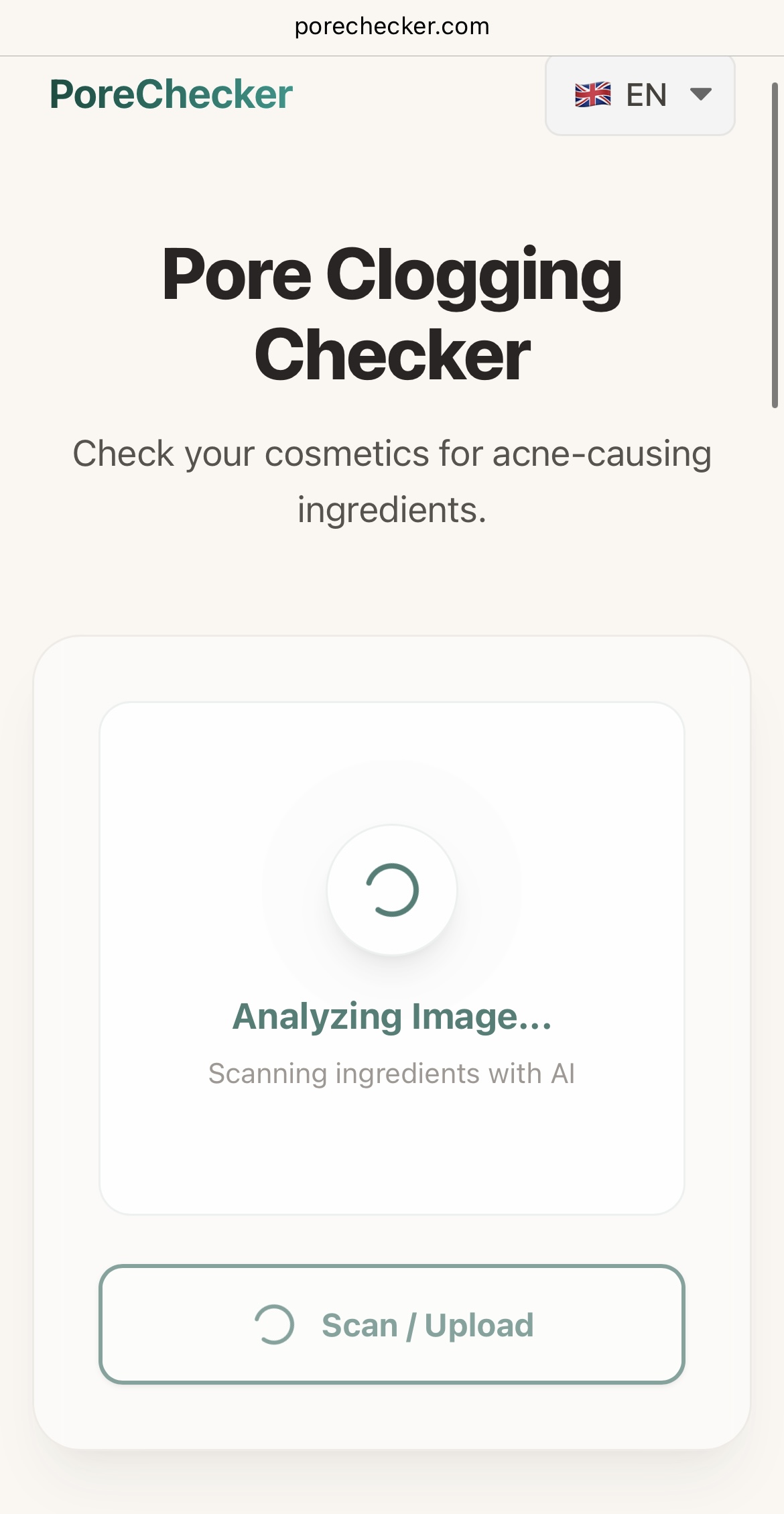
Step 2: Instant AI Ingredient Analysis
Our advanced AI scans the image, performs OCR (Optical Character Recognition), and matches every ingredient against our curated database of comedogenic substances.
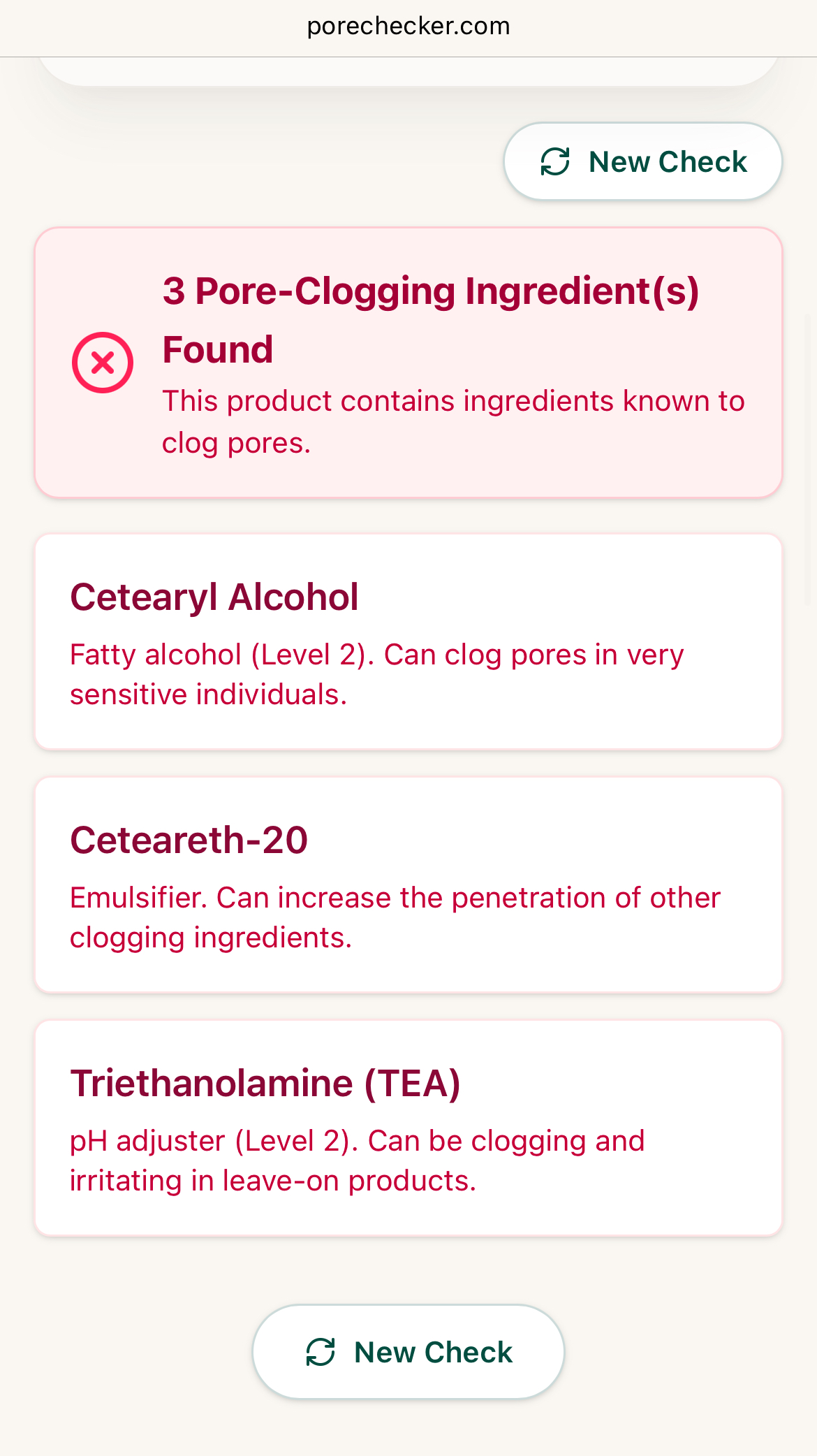
Step 3: Clear Results for Clearer Skin
You get an immediate breakdown. If any red-flag ingredients are found, we highlight them and explain why they might be problematic for your pores.
Does this product fit my skin's needs?
Check Your Products Now