What Kind Of Acne Do I Have? Identifying Your Breakouts
Struggling with breakouts? Discover what kind of acne do I have with our expert breakdown of lesion types, from comedones to cysts.
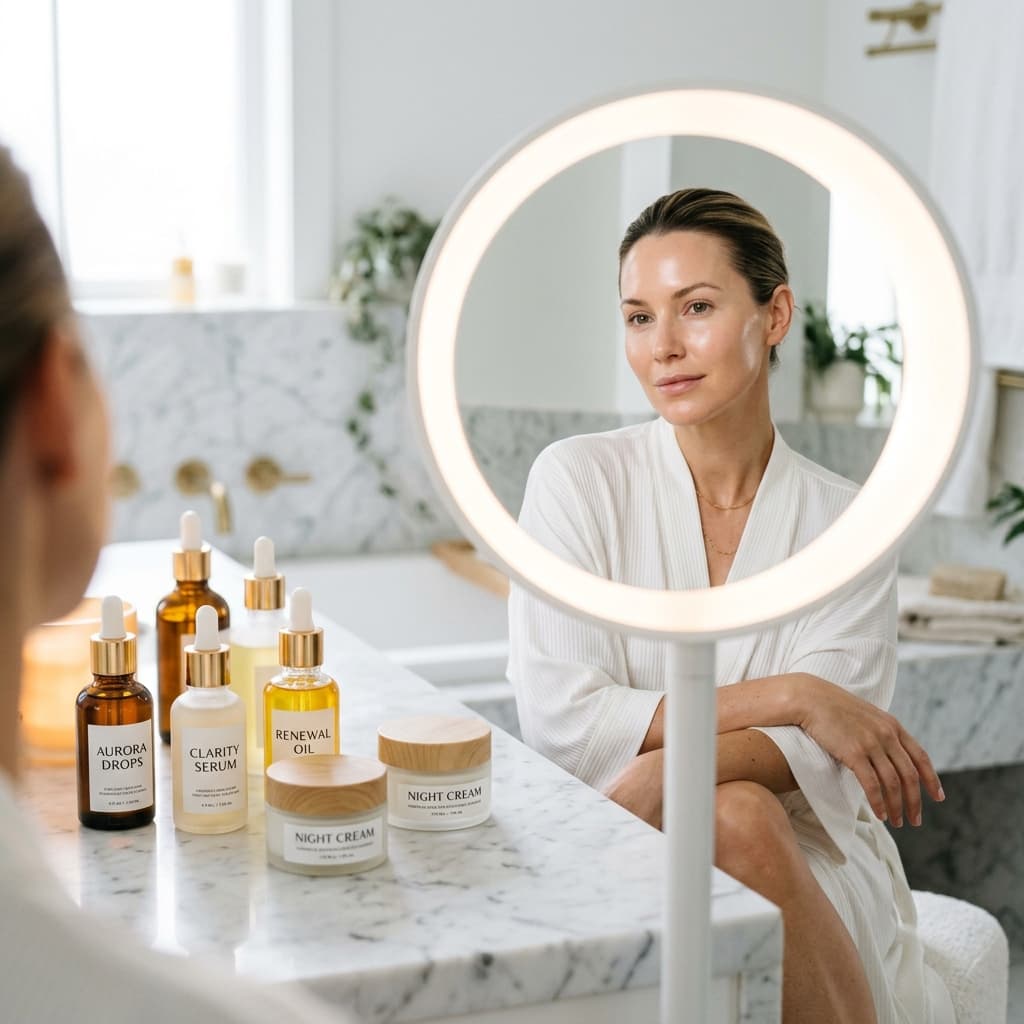
Acne is rarely a one-size-fits-all condition, yet many people treat every breakout the same way. When you look in the mirror and wonder, "what kind of acne do I have," you are taking the first crucial step toward effective, evidence-based management. Understanding the specific pathology of your skin—whether it is inflammatory, non-inflammatory, or a mix of both—is the difference between achieving long-term clarity and chasing endless, ineffective trends.
The foundation of treating any acne type is consistency and the absolute necessity of non-comedogenic care. Even the most sophisticated clinical treatments can be undermined by products that silently encourage pore congestion. By identifying your specific skin needs, you can curate a routine that balances active treatment with the protective barrier support required to prevent further irritation.
The Spectrum of Non-Inflammatory Acne
Non-inflammatory acne is primarily defined by the absence of redness, swelling, or pain. These lesions, known as comedones, are the result of pores becoming blocked by a combination of excess sebum and dead skin cells.
Open Comedones (Blackheads)
Blackheads appear as small, dark bumps on the surface of the skin. A common misconception is that the dark color is trapped dirt. In reality, the color is the result of oxidized melanin; once the sebum plug is exposed to air, it darkens. These are best managed with targeted chemical exfoliants, such as salicylic acid, which can penetrate the lipid-rich environment of the follicle.
Closed Comedones (Whiteheads)
Closed comedones present as small, flesh-colored or white bumps beneath the skin's surface. Because the pore remains constricted, the trapped sebum does not oxidize. These are often the most stubborn to treat and frequently respond well to retinoids, which encourage cellular turnover and prevent the follicular lining from thickening.
Navigating Inflammatory Breakouts
When your immune system identifies a buildup in the pore as a threat, inflammation follows. This escalation leads to the visible red, swollen, and sometimes painful lesions that characterize inflammatory acne. Managing this requires a focus on both bacterial control and inflammation reduction.
Papules and Pustules
Papules are small, red, tender bumps, while pustules are similar but feature a visible white or yellow center containing pus. These arise when the wall of the pore ruptures, allowing bacteria and oil to spill into the surrounding dermis. Topical treatments containing benzoyl peroxide can be highly effective here by targeting the bacteria directly.
Nodules and Cysts
These are the most severe forms of acne. Nodules are deep-seated, firm lumps that develop beneath the skin, while cysts are fluid-filled, painful sacs that carry a high risk of permanent scarring. These conditions are systemic in nature rather than surface-level, and they typically require professional intervention, such as oral medications or professional injections, to prevent lasting damage to the skin architecture.
Don't Let Your Products Ruin Your Progress
Even after you have successfully identified your acne type and established a professional treatment protocol, your daily skincare products can still act as a silent saboteur. Many moisturizers, serums, and sunscreens contain hidden pore-cloggers—ingredients that may feel hydrating but contribute to the formation of new micro-comedones. Because your skin is already prone to congestion, ensuring that every product you apply is strictly non-comedogenic is as important as the clinical actives you use. Before reaching for your next purchase, it is vital to cross-reference the ingredient list against known irritants to ensure your routine is supporting your journey to clear skin rather than stalling it.
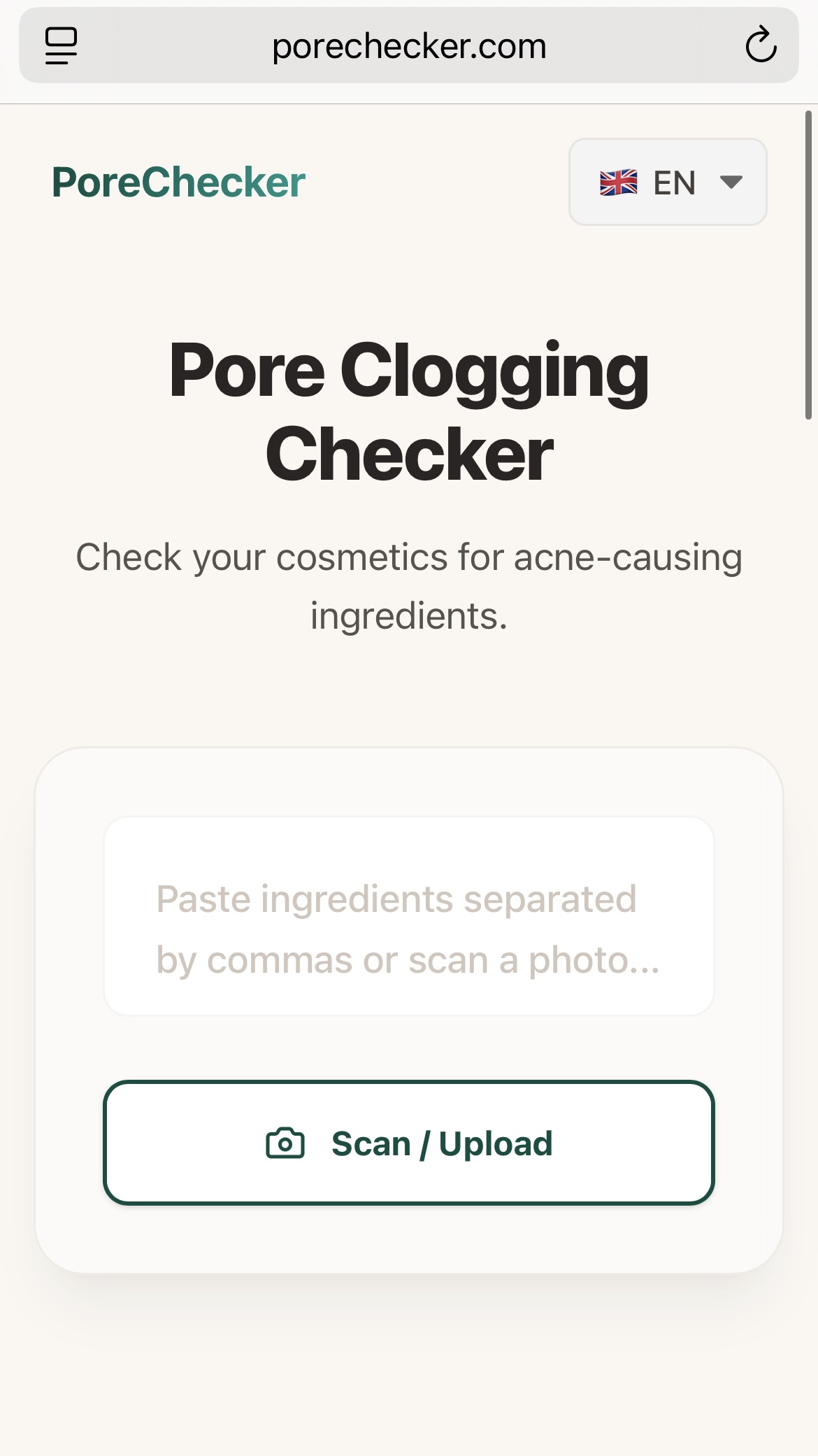
Step 1: Upload Your Product Image
Simply snap a photo of the ingredient list on the back of any bottle, jar, or box. No typing required.
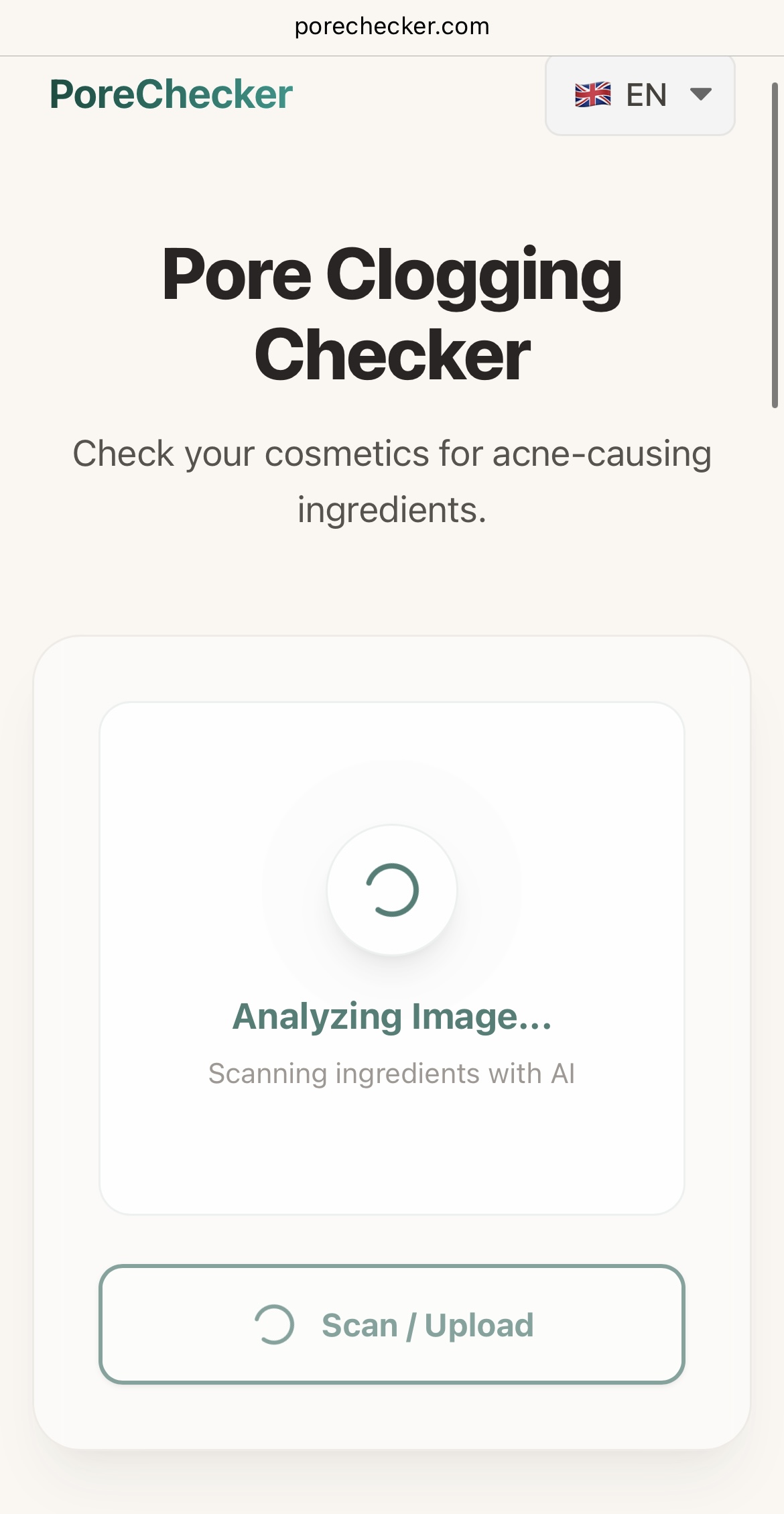
Step 2: Instant AI Ingredient Analysis
Our advanced AI scans the image, performs OCR (Optical Character Recognition), and matches every ingredient against our curated database of comedogenic substances.
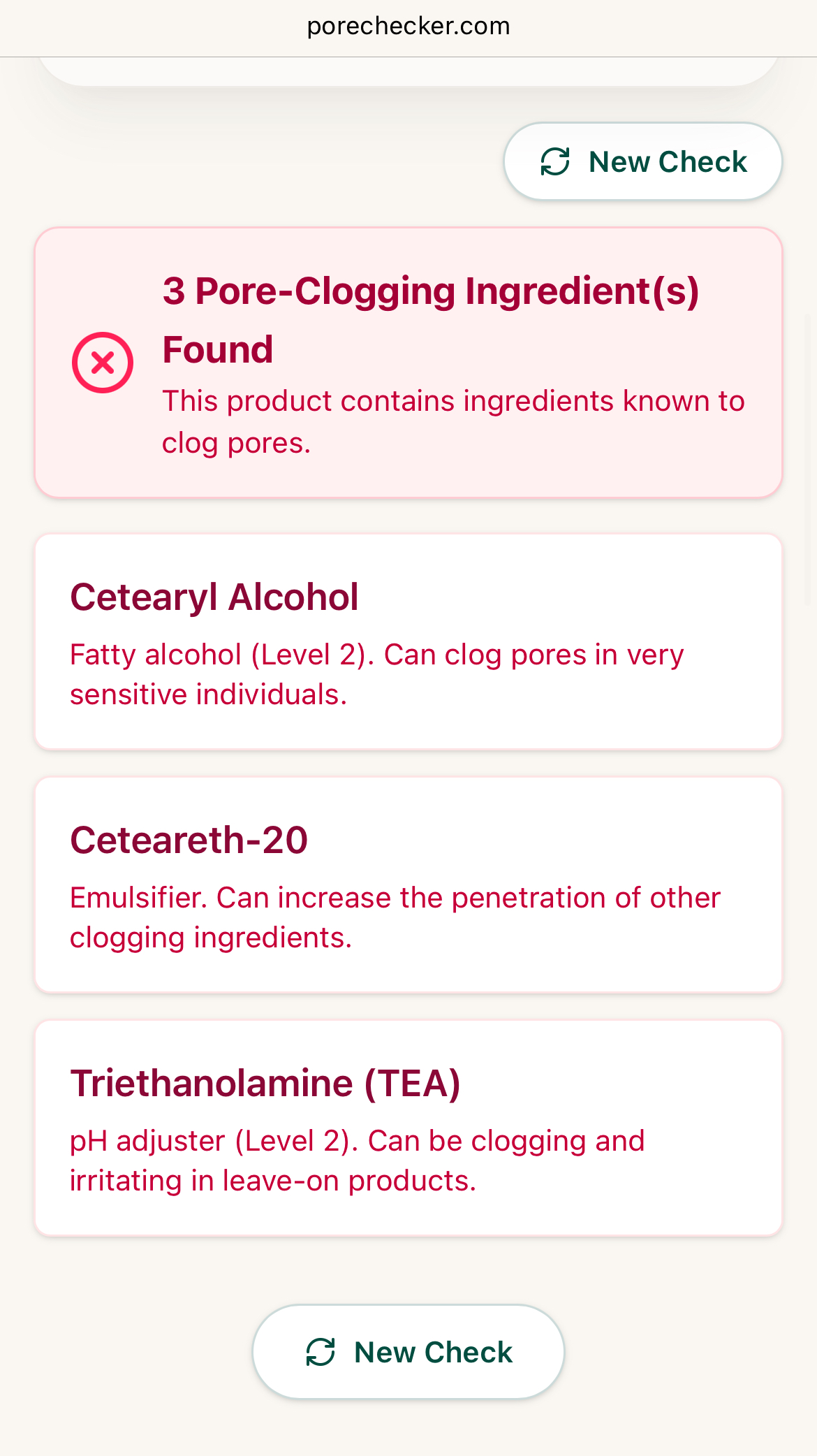
Step 3: Clear Results for Clearer Skin
You get an immediate breakdown. If any red-flag ingredients are found, we highlight them and explain why they might be problematic for your pores.
Does this product fit my skin's needs?
Check Your Products Now