What to Do for Baby Acne: A Pediatric Dermatologist’s Approach to Clear Skin
Discover what to do for baby acne. Learn how to manage neonatal breakouts safely with expert tips on non-comedogenic care.

Finding small, red, or white bumps on your newborn’s cheeks or nose can be unsettling for any parent. Known as neonatal acne, this condition affects a significant portion of infants and is typically a harmless, self-limiting reaction to maternal hormones lingering in the baby's system. While it can look alarming, it is rarely a sign of an underlying health issue or poor hygiene.
The most important principle when addressing these breakouts is to prioritize the skin's barrier integrity. A baby’s skin is significantly thinner and more permeable than adult skin, making it highly susceptible to irritation from harsh ingredients or heavy, pore-clogging emollients. Using non-comedogenic care is the cornerstone of managing these spots without causing further inflammation.
Navigating the Cycle of Neonatal Acne
Neonatal acne often appears within the first few weeks of life. Unlike adolescent acne, which is driven by an increase in the baby’s own androgens, infant acne is triggered by the natural shift in hormones shared during pregnancy. Because the sebaceous glands are stimulated, you may notice these papules migrating across the face, often worsening when the baby is fussy or overheated.
Gentle Cleansing Practices
The urge to scrub or treat these bumps with adult acne products can be strong, but this is a critical mistake. Never apply salicylic acid, benzoyl peroxide, or harsh astringents to an infant's skin. These ingredients are far too aggressive and can cause chemical burns or severe contact dermatitis. Instead, focus on a lukewarm water rinse once daily. If you must use a cleanser, choose a fragrance-free, soap-free wash designed specifically for sensitive neonatal skin.
Avoiding Common Irritants
Many well-meaning parents attempt to treat these bumps with heavy oils, petroleum-based ointments, or fragranced lotions. Unfortunately, these act as occlusives, trapping sebum inside the pore and exacerbating the acne. Be mindful of hidden pore-cloggers such as cocoa butter, coconut oil, or isopropyl palmitate, which are often found in "baby-safe" creams but can trigger follicular occlusion on delicate newborn cheeks.
Don't Let Your Products Ruin Your Progress
Even when you commit to a minimalist routine, hidden ingredients in your baby’s laundry detergent, lotion, or even the products you use on your own skin can transfer to their face during cuddles and feeding. Transitioning to a strict non-comedogenic routine is the most effective way to ensure that your baby’s skin heals without external interference. By systematically identifying and removing pore-clogging ingredients from your environment, you eliminate the risk of chronic irritation. Before you reach for the next bottle on the shelf, it is worth cross-referencing its ingredient list against a verified database of pore-cloggers to ensure you aren't inadvertently stalling your baby's skin recovery.
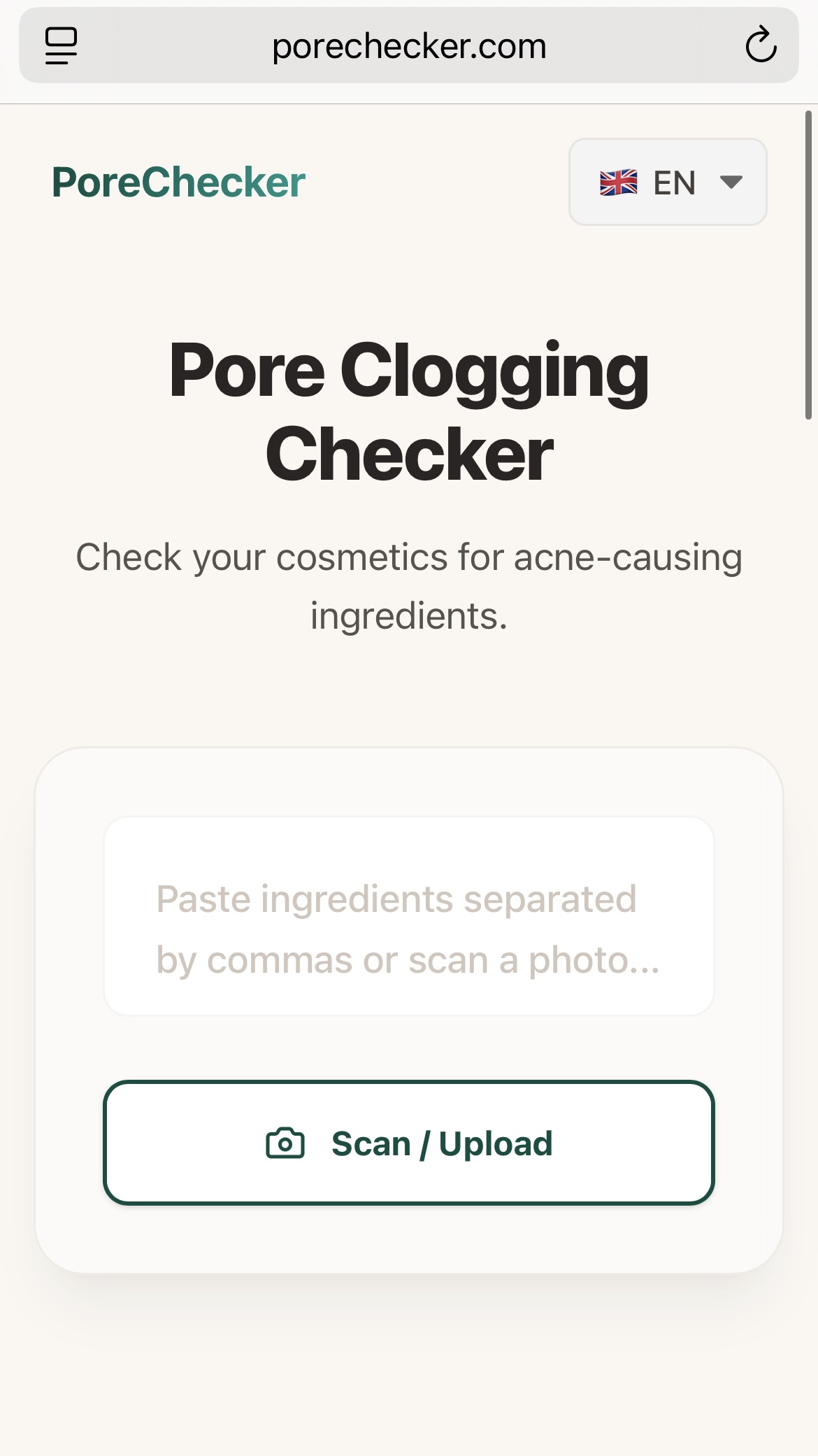
Step 1: Upload Your Product Image
Simply snap a photo of the ingredient list on the back of any bottle, jar, or box. No typing required.
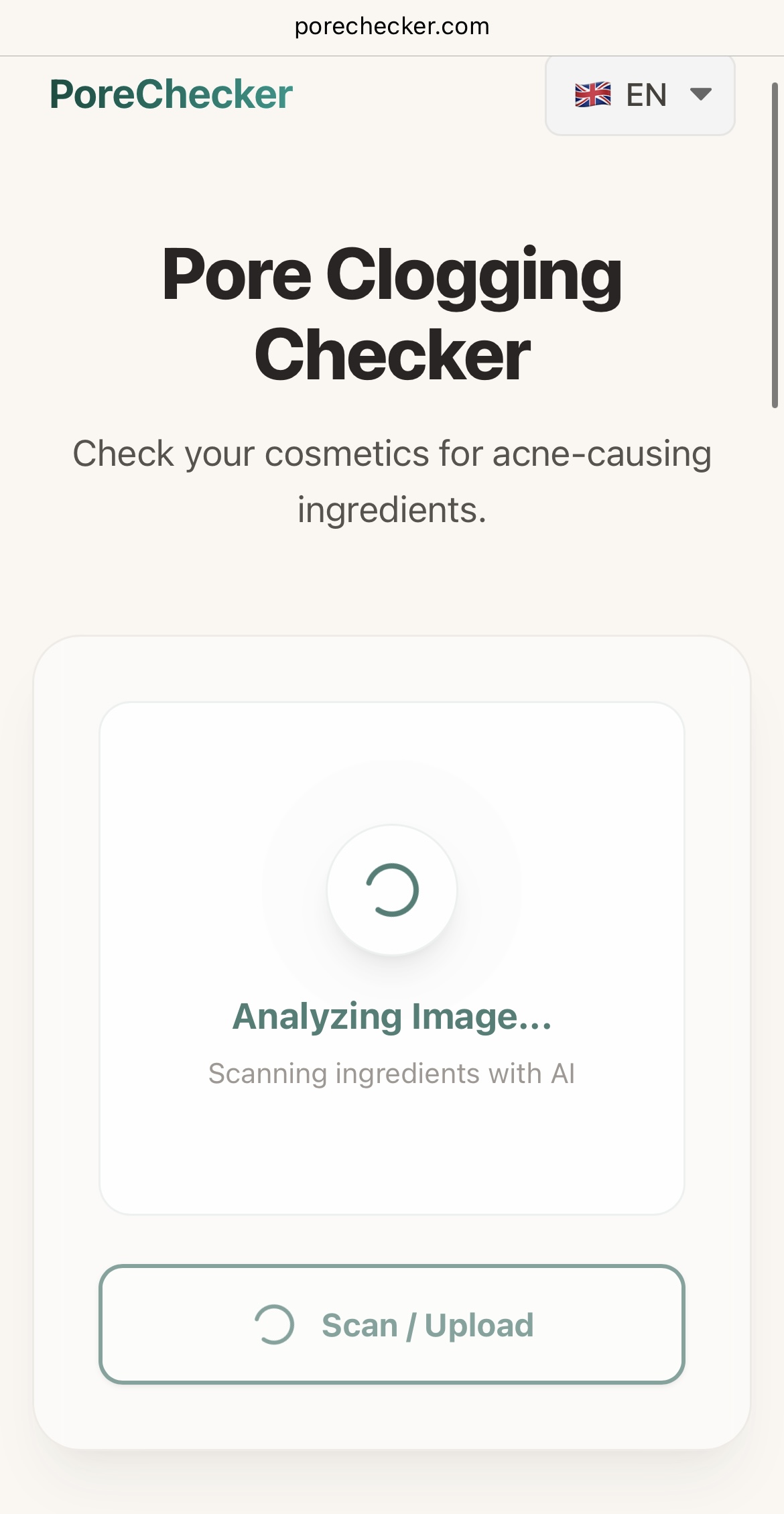
Step 2: Instant AI Ingredient Analysis
Our advanced AI scans the image, performs OCR (Optical Character Recognition), and matches every ingredient against our curated database of comedogenic substances.
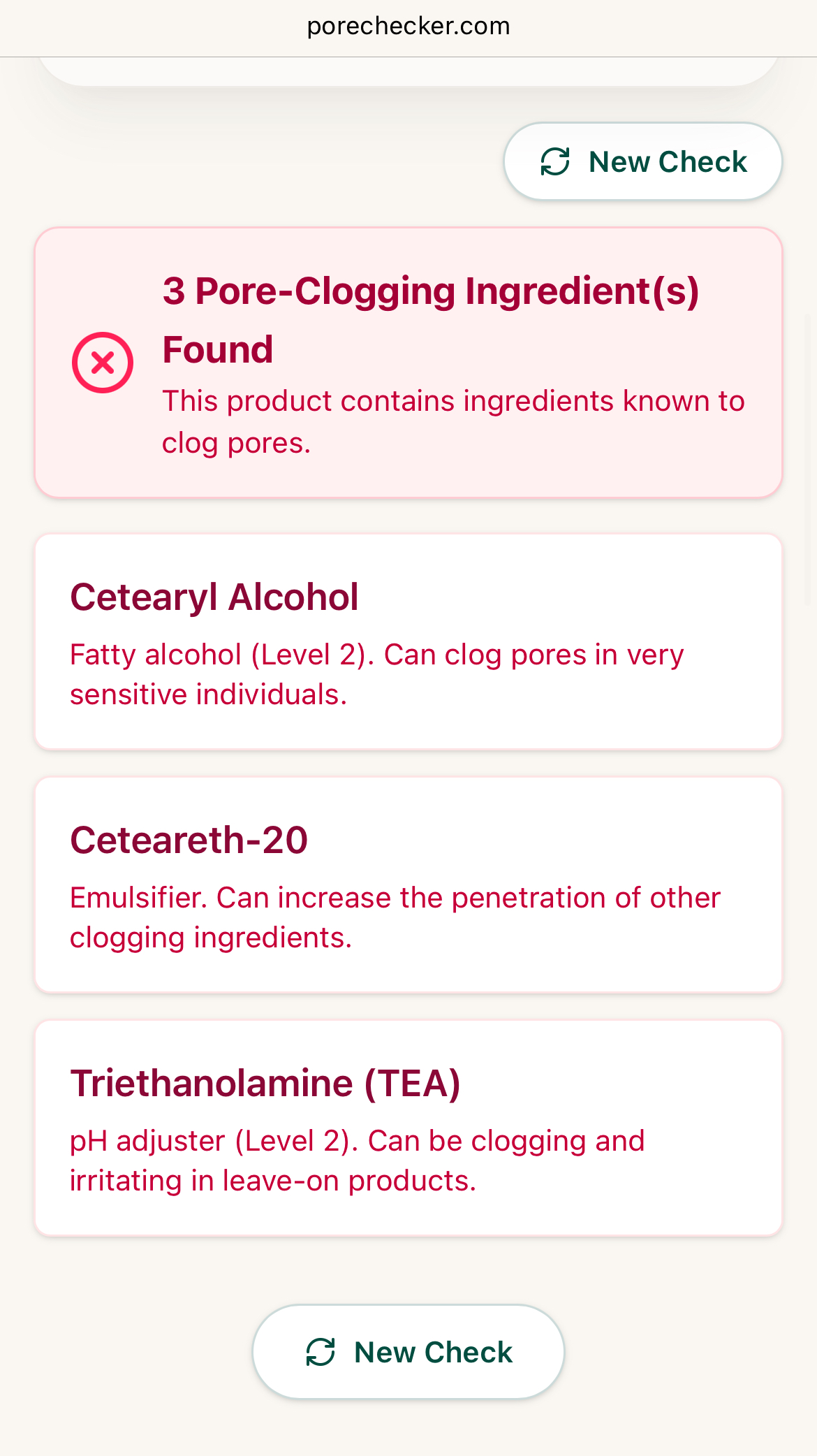
Step 3: Clear Results for Clearer Skin
You get an immediate breakdown. If any red-flag ingredients are found, we highlight them and explain why they might be problematic for your pores.
Does this product fit my skin's needs?
Check Your Products Now