What Type of Acne Do I Have? Identifying Your Breakouts
You cannot treat your skin effectively if you don't know what you are fighting. Learn exactly how to identify your acne type to choose the right ingredients.
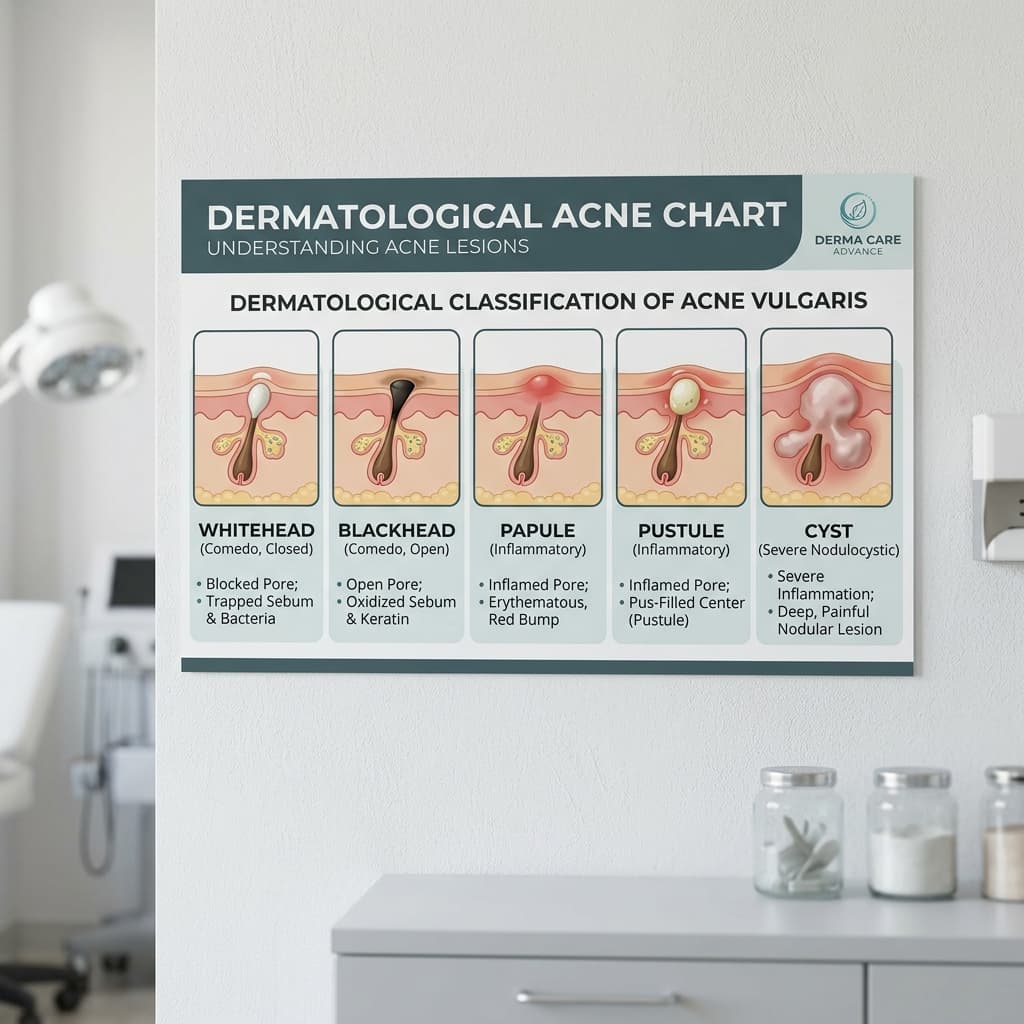
Walking down the skincare aisle can be incredibly overwhelming. With hundreds of products boasting different active ingredients, the most crucial question you must ask before buying anything is: "What type of acne do I have?" Treating a hormonal cyst with a blackhead scrub will only lead to disaster. Let's break down the clinical types of acne so you can identify your specific enemy.
1. Comedonal Acne (Non-Inflammatory)
This is the mildest form of acne. It is not red, it is not painful, and it does not contain pus. It is simply a clogged pore.
- Blackheads (Open Comedones): The pore is open at the surface. The oil and dead skin inside oxidize when exposed to air, turning black.
- Whiteheads (Closed Comedones): The pore is completely blocked by a thin layer of skin. It looks like a tiny, skin-colored or white bump that is barely visible but gives the skin a rough texture.
- Best Treatment: Salicylic Acid (BHA) to dissolve the oil, and Retinoids to speed up cell turnover so the pore doesn't clog.
2. Inflammatory Acne (Moderate)
When bacteria (*C. acnes*) gets trapped inside a closed comedone, your immune system attacks it, causing inflammation, redness, and swelling.
- Papules: Small, hard, red bumps. They are tender to the touch but have no visible "head" or pus.
- Pustules: The classic "pimple." A red, inflamed ring surrounding a distinct white or yellow center filled with pus.
- Best Treatment: Benzoyl Peroxide to kill the bacteria, and Azelaic Acid to reduce the severe inflammation and redness.
3. Nodulocystic Acne (Severe)
This is the most severe and painful form of acne. It occurs when the infection bursts deep beneath the surface of the skin.
- Nodules: Large, hard, painful lumps lodged deep within the skin. They do not have a head and can take weeks to surface.
- Cysts: Similar to nodules, but they are softer, highly inflamed, and filled with a massive amount of pus. These are the lesions most likely to leave permanent, indented scars.
- Best Treatment: Topical over-the-counter skincare cannot penetrate deeply enough to treat this. You must see a dermatologist for prescription medications like Spironolactone, oral antibiotics, or Isotretinoin (Accutane).
Summary
Figuring out "what type of acne do I have" dictates your entire treatment plan. If it's just texture (comedonal), exfoliate with BHA. If it's red and pus-filled (inflammatory), kill the bacteria with Benzoyl Peroxide. If it's deep, painful, and leaves scars (cystic), stop buying serums and see a doctor immediately to protect your skin's collagen.
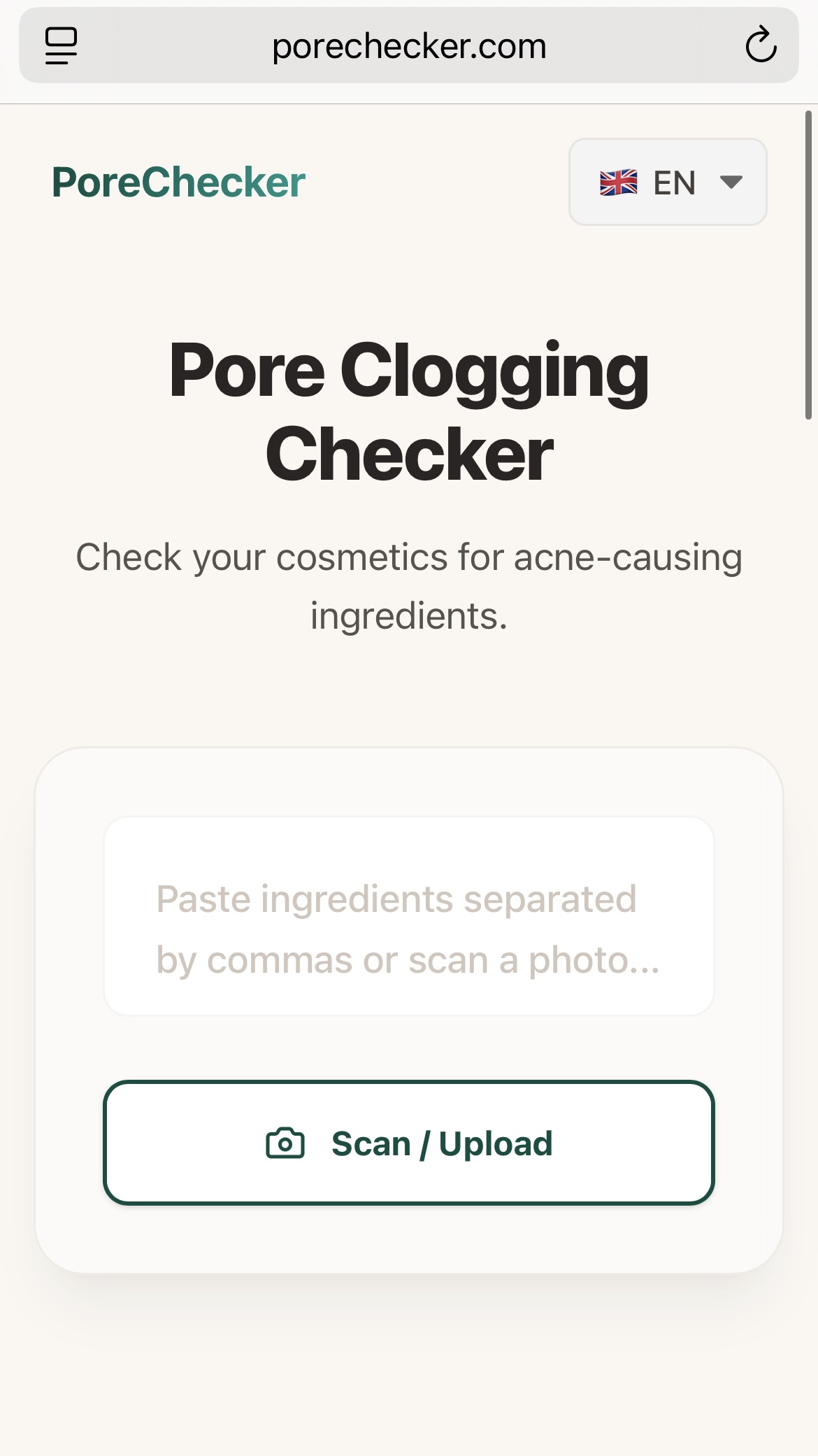
Step 1: Upload Your Product Image
Simply snap a photo of the ingredient list on the back of any bottle, jar, or box. No typing required.
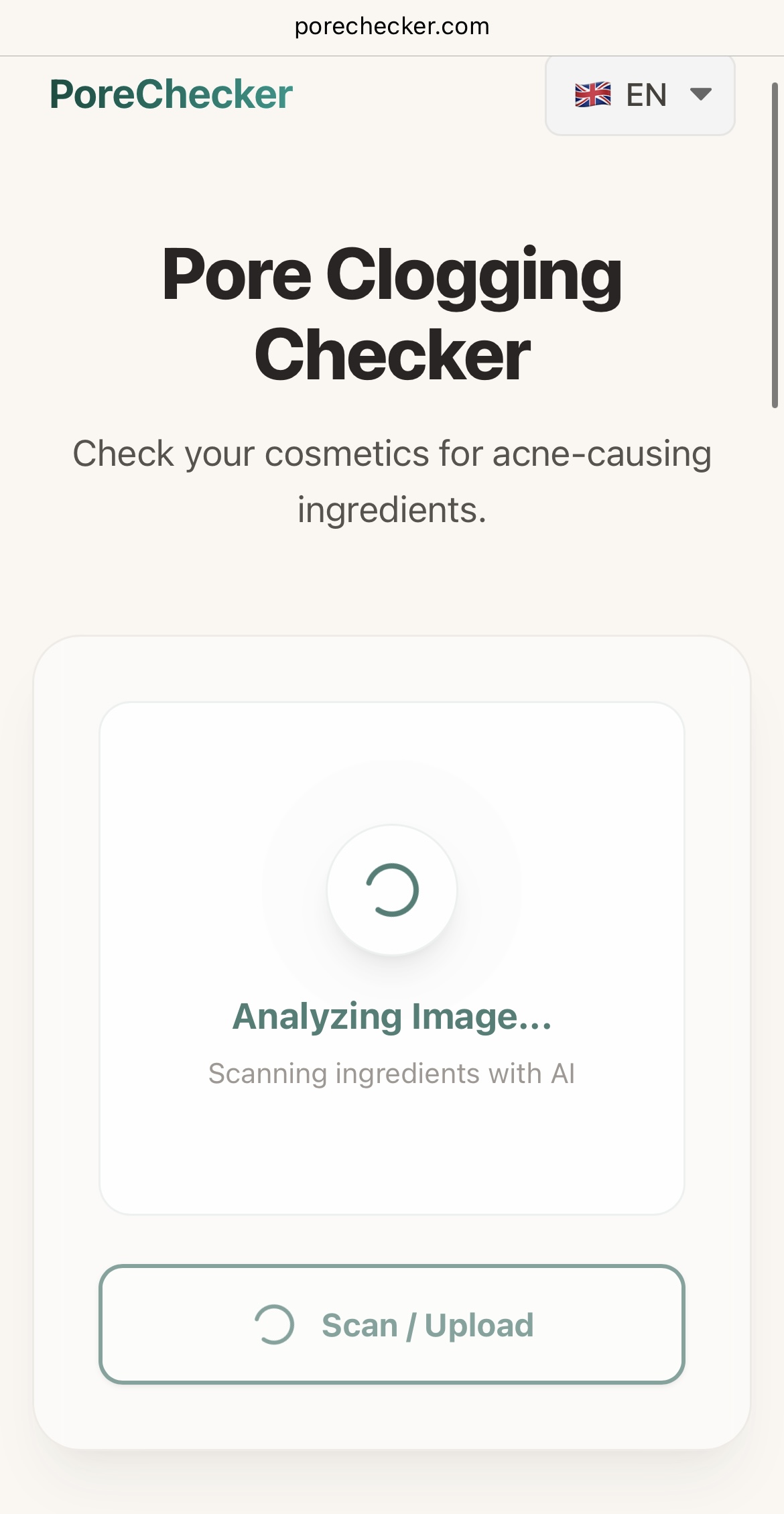
Step 2: Instant AI Ingredient Analysis
Our advanced AI scans the image, performs OCR (Optical Character Recognition), and matches every ingredient against our curated database of comedogenic substances.
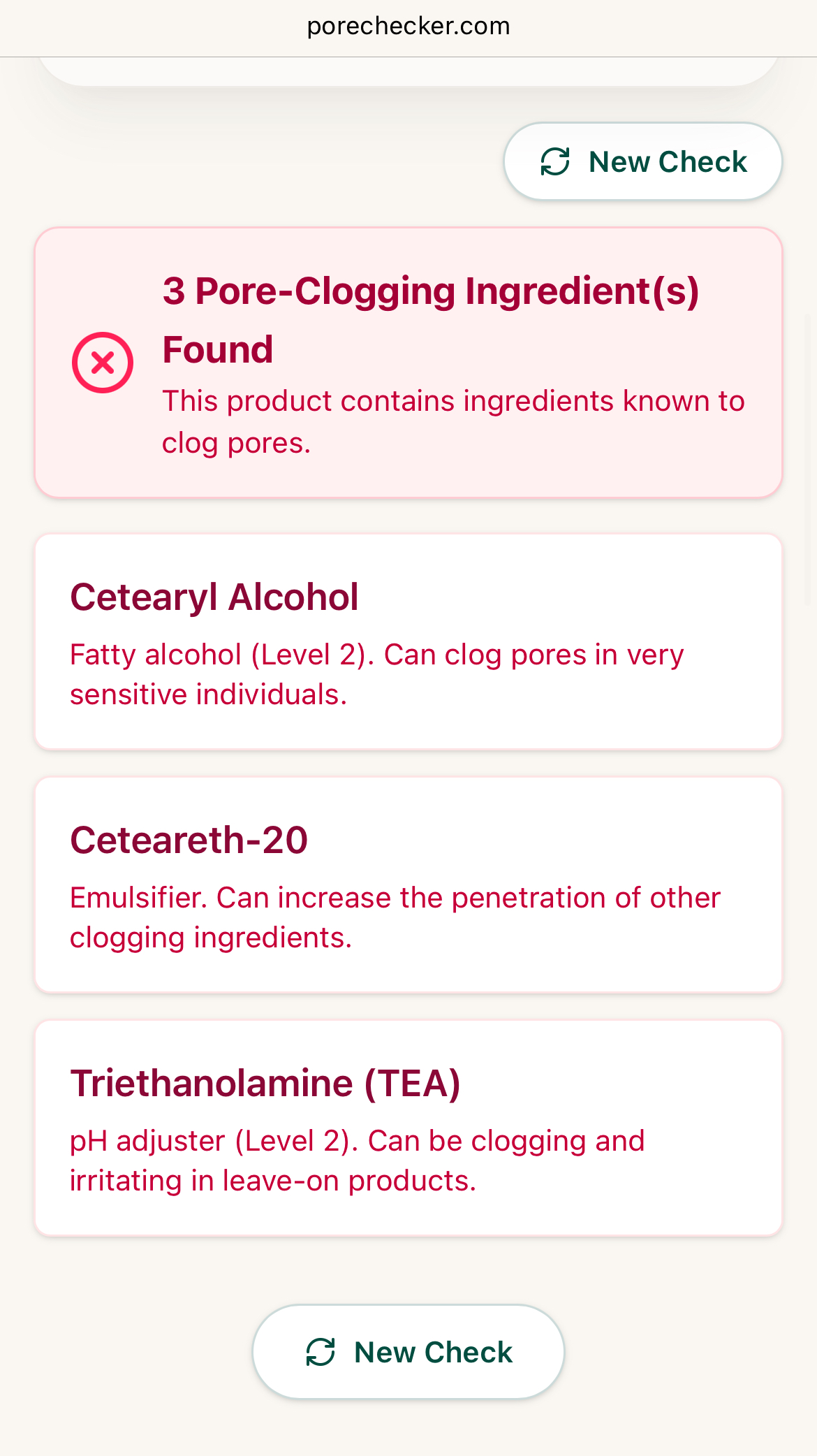
Step 3: Clear Results for Clearer Skin
You get an immediate breakdown. If any red-flag ingredients are found, we highlight them and explain why they might be problematic for your pores.
Does this product fit my skin's needs?
Check Your Products Now