When Does Acne Go Away? The Timeline of Clear Skin
Waiting for your breakouts to finally stop? Discover the biological timeline of acne, from teenage hormones to adult breakouts, and when it typically ends.
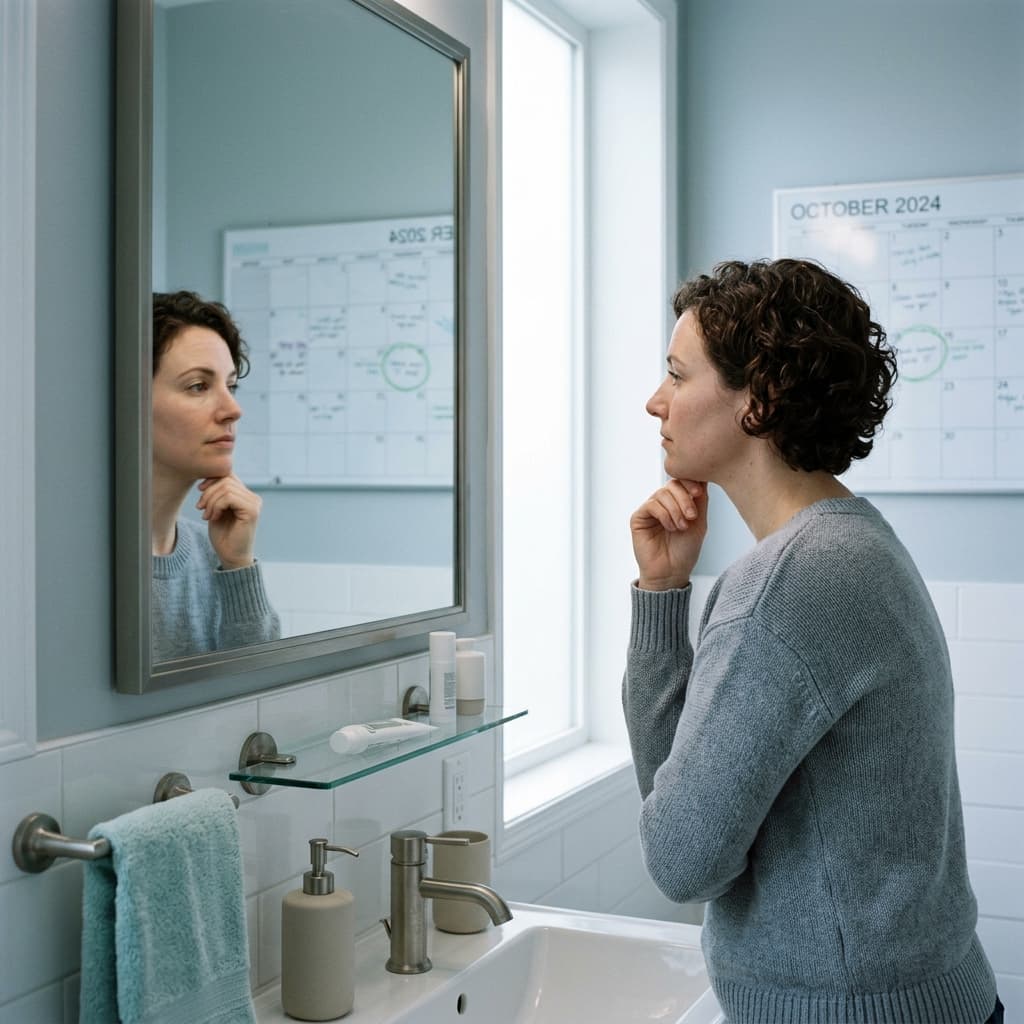
If you have been battling breakouts for years, the most exhausting part isn't the skincare routine—it is the waiting. You were probably told as a teenager that it was just a "phase" that you would outgrow. But if you are now in your 20s or 30s and still breaking out, you are likely asking: when does acne go away for good?
The Teenage Timeline (Ages 12-20)
For the majority of the population, acne is tied directly to the massive hormonal shifts of puberty. As your body begins producing adult levels of testosterone and estrogen, your oil glands go into shock, overproducing sebum and causing severe breakouts.
When it ends: For most teenagers, this type of acne naturally begins to subside between the ages of 20 and 22. By this time, your endocrine system has stabilized, and your oil glands adapt to your adult hormone levels.
The Adult Acne Reality (Ages 25-40+)
If your acne did not stop at 22, or if you had clear skin as a teen but suddenly started breaking out at 25, you are experiencing Adult-Onset Acne. This is incredibly common, affecting roughly 40% of adult women.
Adult acne does not have a set "expiration date" because it is usually driven by chronic internal factors rather than a temporary growth phase:
- Hormonal Fluctuations: Menstruation, pregnancy, going on or off birth control pills, and conditions like PCOS can cause acne well into your 30s and 40s.
- Chronic Stress: High cortisol levels keep oil production high. If you live a high-stress lifestyle, your acne will persist regardless of your age.
- Dietary Triggers: A diet high in refined sugars and dairy can cause chronic inflammation that sustains acne indefinitely.
When it ends: Adult hormonal acne rarely goes away "naturally" without intervention. It usually requires medical treatment (like Spironolactone or Retinoids) or lifestyle changes. For women, it often permanently resolves only after menopause, when androgen levels drop significantly.
How Long Does a Single Pimple Last?
If you are asking when a specific breakout will go away, the biological lifecycle of a pimple—from the initial clog deep in the pore to the final healing stage—is roughly 28 days (the length of a full skin-cell turnover cycle).
This is why dermatologists always say you must use a new acne treatment for at least 4 to 6 weeks before deciding if it works. You have to wait for the skin to fully cycle through the old, clogged pores.
Summary
When does acne go away? If it is standard puberty acne, it usually clears up by your early 20s. However, adult acne is a chronic condition that can last into your 40s. Stop waiting for it to magically disappear and instead focus on treating the root cause—whether that means managing stress, adjusting your diet, or speaking to a dermatologist about hormonal medication.
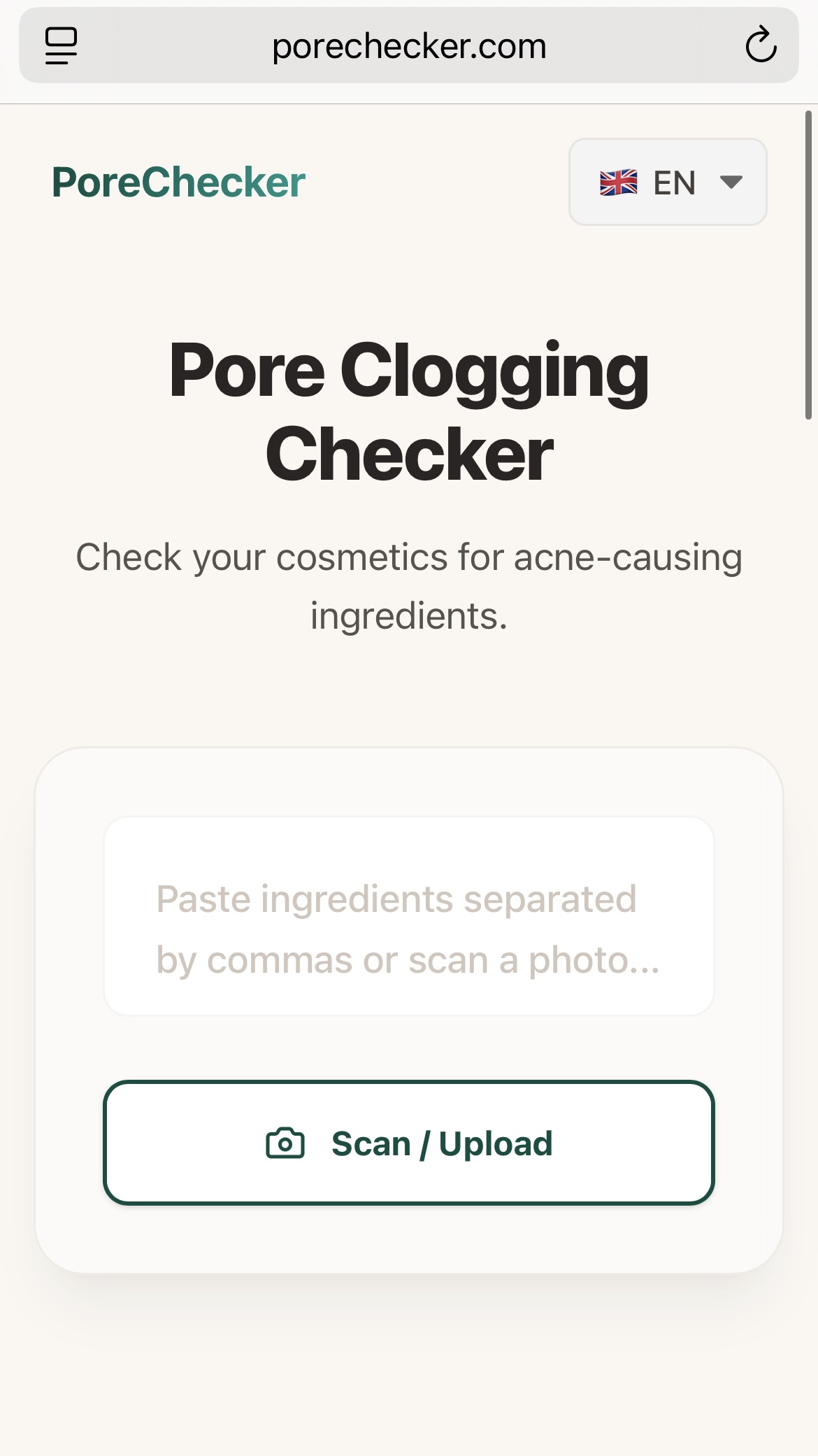
Step 1: Upload Your Product Image
Simply snap a photo of the ingredient list on the back of any bottle, jar, or box. No typing required.
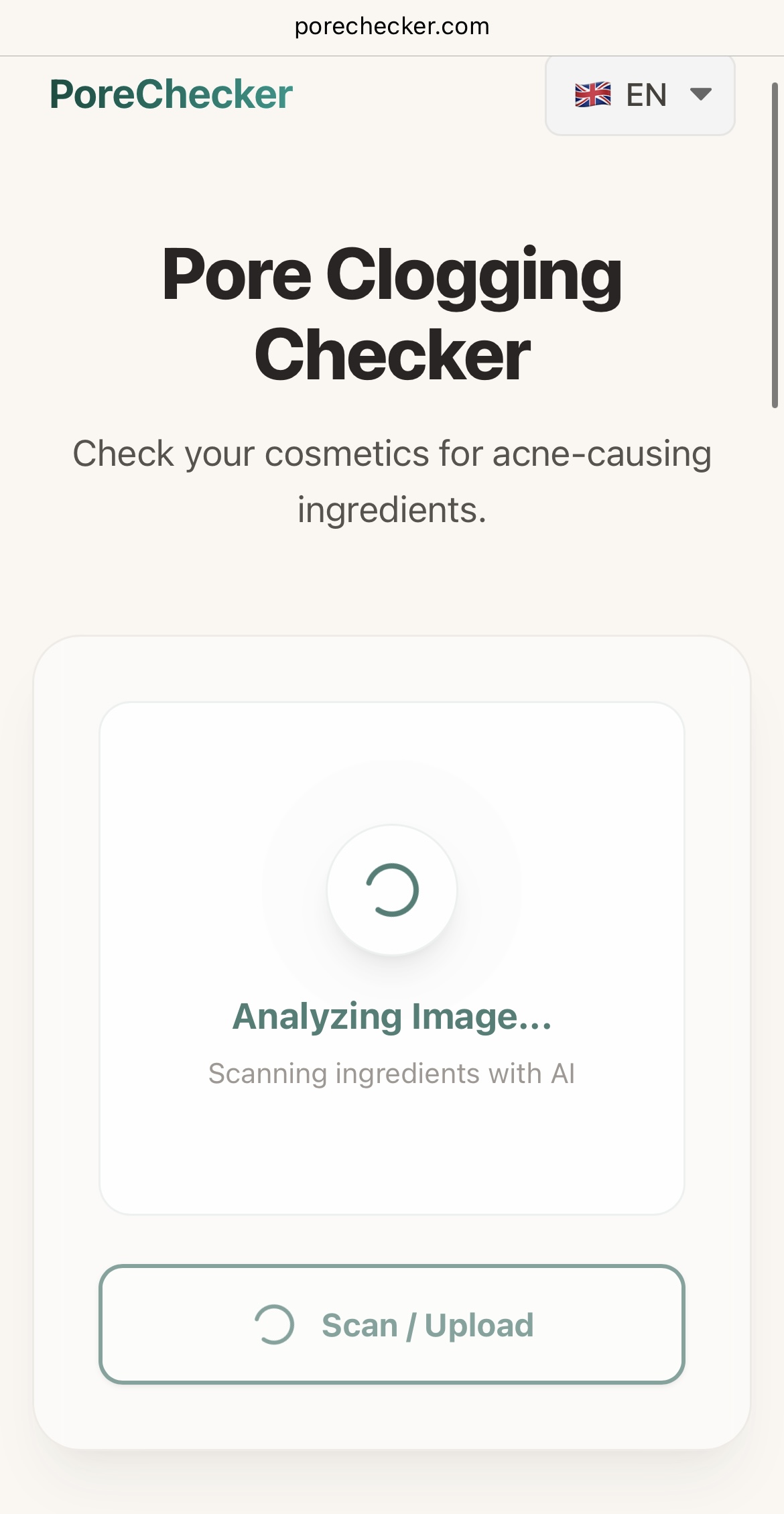
Step 2: Instant AI Ingredient Analysis
Our advanced AI scans the image, performs OCR (Optical Character Recognition), and matches every ingredient against our curated database of comedogenic substances.
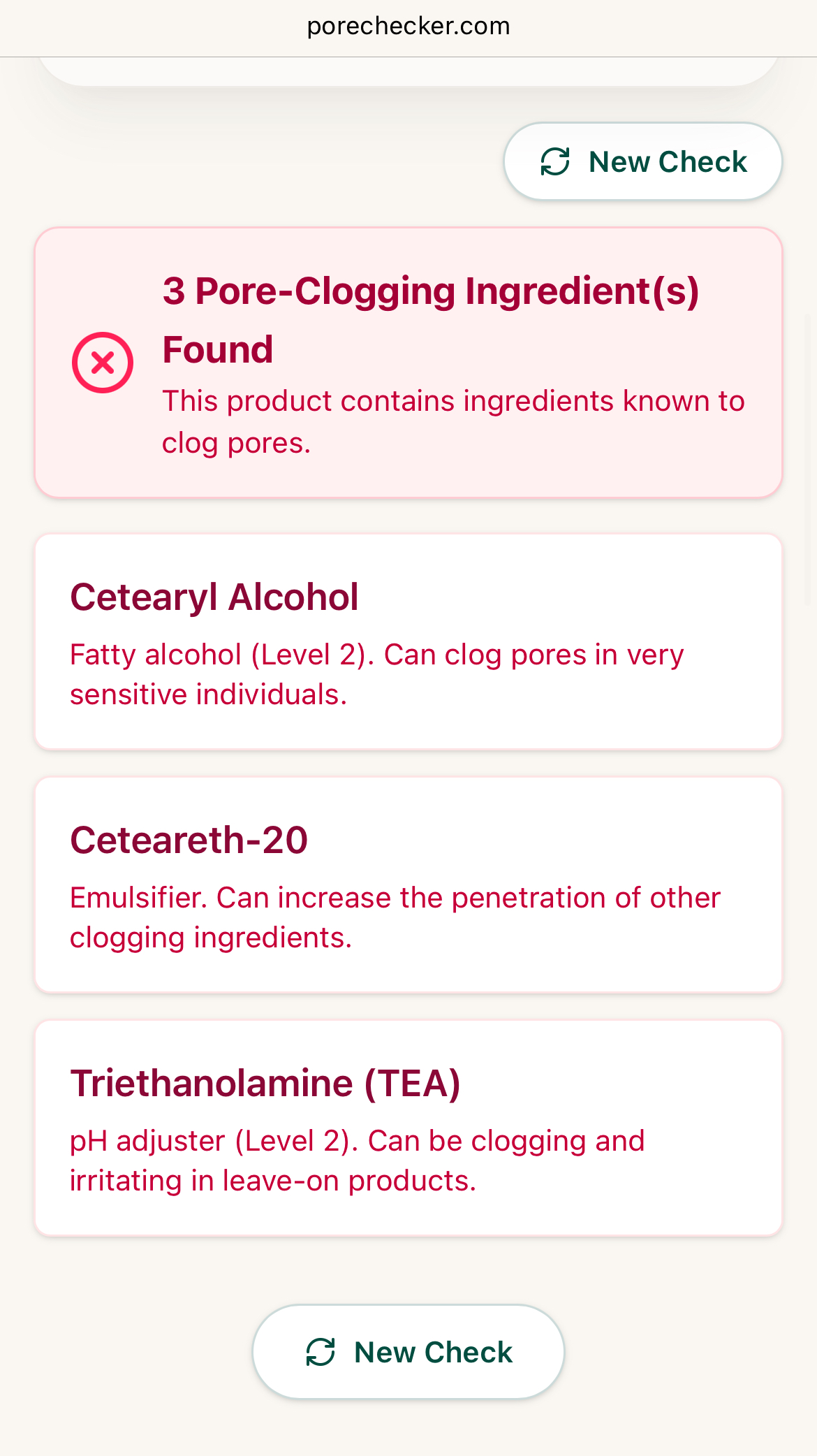
Step 3: Clear Results for Clearer Skin
You get an immediate breakdown. If any red-flag ingredients are found, we highlight them and explain why they might be problematic for your pores.
Does this product fit my skin's needs?
Check Your Products Now