When Does Acne Stop? A Dermatologist's Perspective on Clearing Your Skin
Wondering when acne stops? A dermatologist explains the factors influencing acne, from teenage years to adulthood. Learn effective strategies for clear skin!
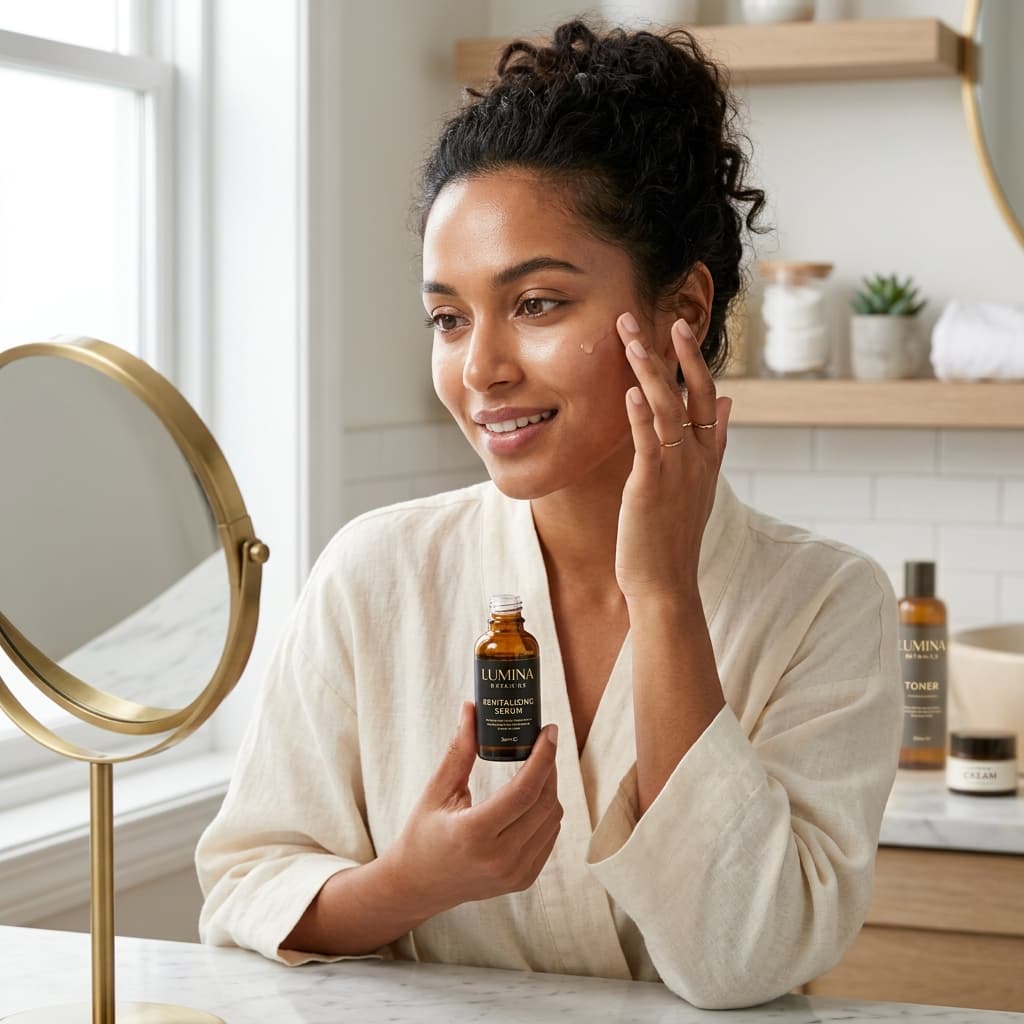
The question, "When does acne stop?" is one I hear frequently in my practice. Acne isn't just a teenage problem; it can affect individuals of all ages, genders, and skin types. The frustrating truth is, there's no single, definitive answer. Acne's persistence and eventual resolution are influenced by a complex interplay of factors, including genetics, hormones, lifestyle, and the products we use on our skin. A proactive, informed approach is key.
A cornerstone of effective acne management is choosing non-comedogenic skincare products. This means opting for formulations that won't clog your pores, as clogged pores are the genesis of blackheads, whiteheads, and pimples. Unfortunately, "non-comedogenic" is not always a guarantee; some ingredients, even in products labeled as such, can still cause issues for sensitive skin. We will explore those hidden culprits later in the article.
The Acne Timeline: What to Expect at Different Ages
Acne often makes its unwelcome debut during adolescence. The hormonal surge of puberty triggers increased sebum production, leading to the clogged pores that give rise to acne. For many, this is a transient phase, with acne gradually diminishing as hormone levels stabilize in early adulthood. However, the timeline varies widely. Some individuals experience acne well into their twenties, thirties, or even beyond.
In women, hormonal fluctuations throughout the menstrual cycle can exacerbate acne. Adult acne can also be linked to underlying medical conditions like polycystic ovary syndrome (PCOS). Consulting with a dermatologist is crucial to determine the specific factors contributing to your acne and devise a tailored treatment plan. This plan might involve topical medications, oral medications, or procedures like chemical peels or light therapy.
Teenage Acne: A Common Beginning
Teenage acne is typically characterized by a combination of factors: increased sebum production, the shedding of dead skin cells that clog pores, and the presence of bacteria called *Cutibacterium acnes* (formerly *Propionibacterium acnes*). Mild cases may respond well to over-the-counter treatments containing benzoyl peroxide or salicylic acid. More severe cases often require prescription medications such as topical retinoids or oral antibiotics.
Adult Acne: Beyond the Teenage Years
Adult acne can manifest differently than teenage acne. It may present as persistent breakouts, often concentrated around the jawline, chin, and lower face. Hormonal imbalances, stress, and certain medications can all contribute to adult acne. Adult acne treatment might involve hormonal therapies (for women), prescription-strength retinoids, or isotretinoin, depending on the severity of the acne and individual circumstances.
Lifestyle Factors That Influence Acne
Lifestyle choices significantly impact acne. A diet high in processed foods, sugar, and dairy has been linked to increased inflammation, potentially worsening acne. While there isn't a universally "acne-causing" diet, focusing on whole, unprocessed foods and staying hydrated is generally beneficial for skin health.
Stress can trigger hormonal changes that exacerbate acne. Practicing stress-reduction techniques, such as meditation, yoga, or spending time in nature, can be beneficial. Regular exercise also contributes to overall health and can positively influence skin health. Moreover, be cautious about constantly touching your face, as this can transfer bacteria and clog pores.
Hidden Culprits: Pore-Clogging Ingredients to Avoid
Beyond the active acne-fighting ingredients, many skincare and cosmetic products contain ingredients that can clog pores. These comedogenic ingredients can trigger or worsen acne, even in individuals with otherwise clear skin. Common offenders include certain oils (coconut oil, mineral oil), thickeners, and some forms of silicones and waxes. The best approach is to examine product labels and be aware of potential triggers.
Additionally, using makeup brushes and applicators without frequent cleaning can transfer bacteria to the skin, causing breakouts. Always remove makeup before going to bed and choose non-comedogenic makeup products.
Don't Let Your Products Ruin Your Progress
Understanding the factors influencing acne and adopting a proactive skincare routine is a big step towards clearer skin. However, the wrong products can undo your progress. Even "acne-fighting" products can contain pore-clogging ingredients that worsen breakouts. Therefore, carefully reviewing your product's ingredient list is paramount. The science of skincare is evolving, and knowing what to avoid is as important as knowing what to include. By doing this, you'll be well on your way to a clearer complexion.
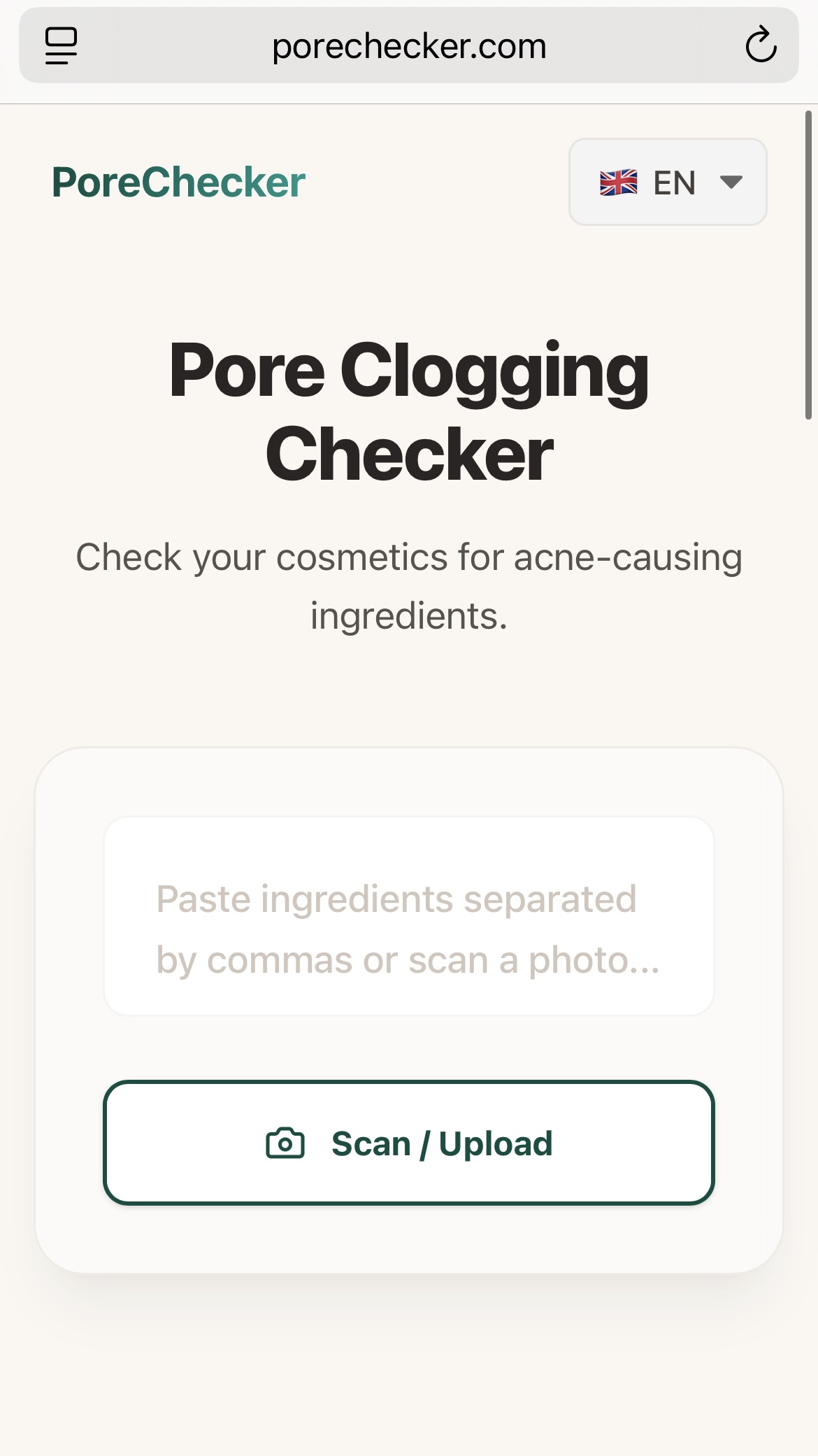
Step 1: Upload Your Product Image
Simply snap a photo of the ingredient list on the back of any bottle, jar, or box. No typing required.
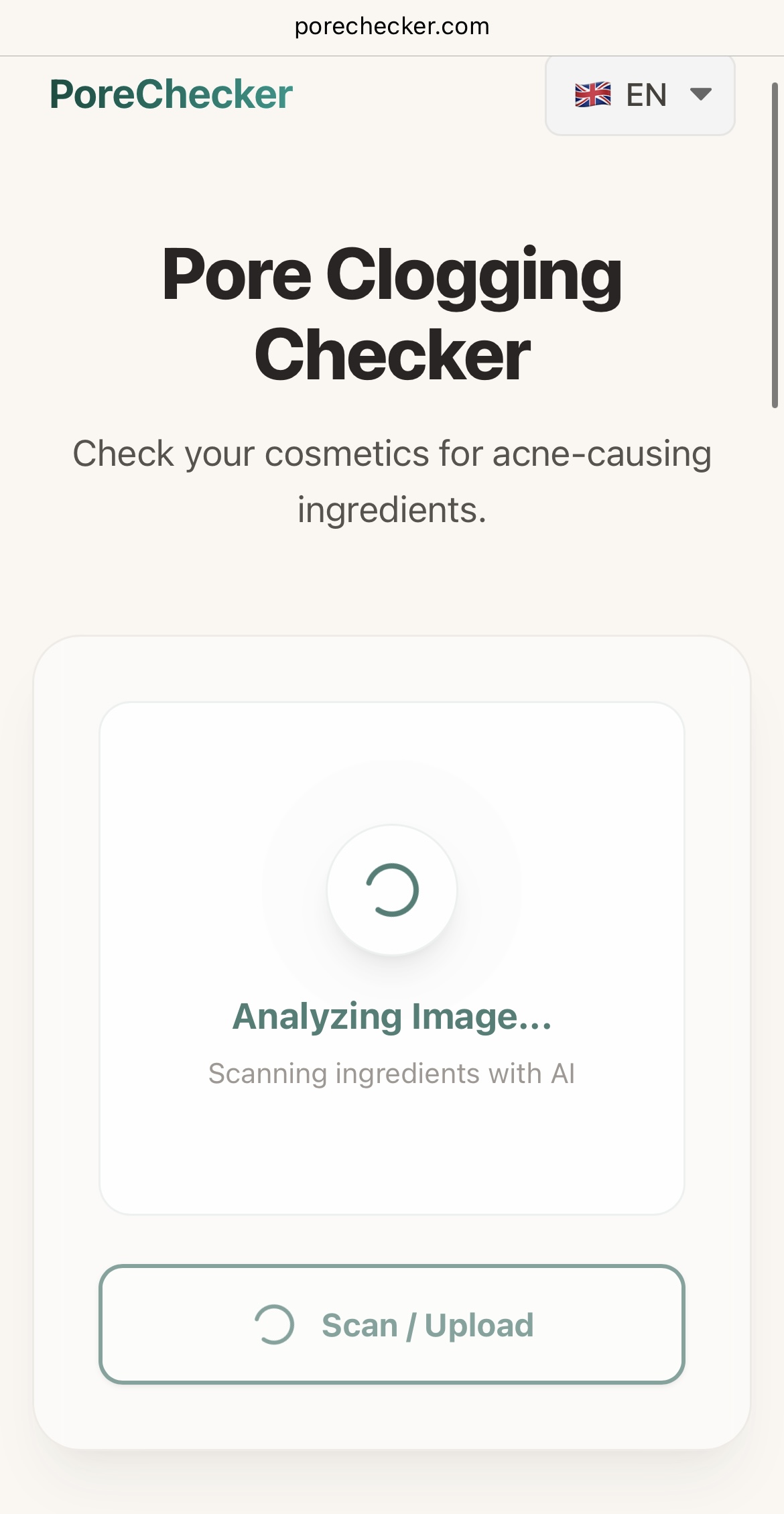
Step 2: Instant AI Ingredient Analysis
Our advanced AI scans the image, performs OCR (Optical Character Recognition), and matches every ingredient against our curated database of comedogenic substances.
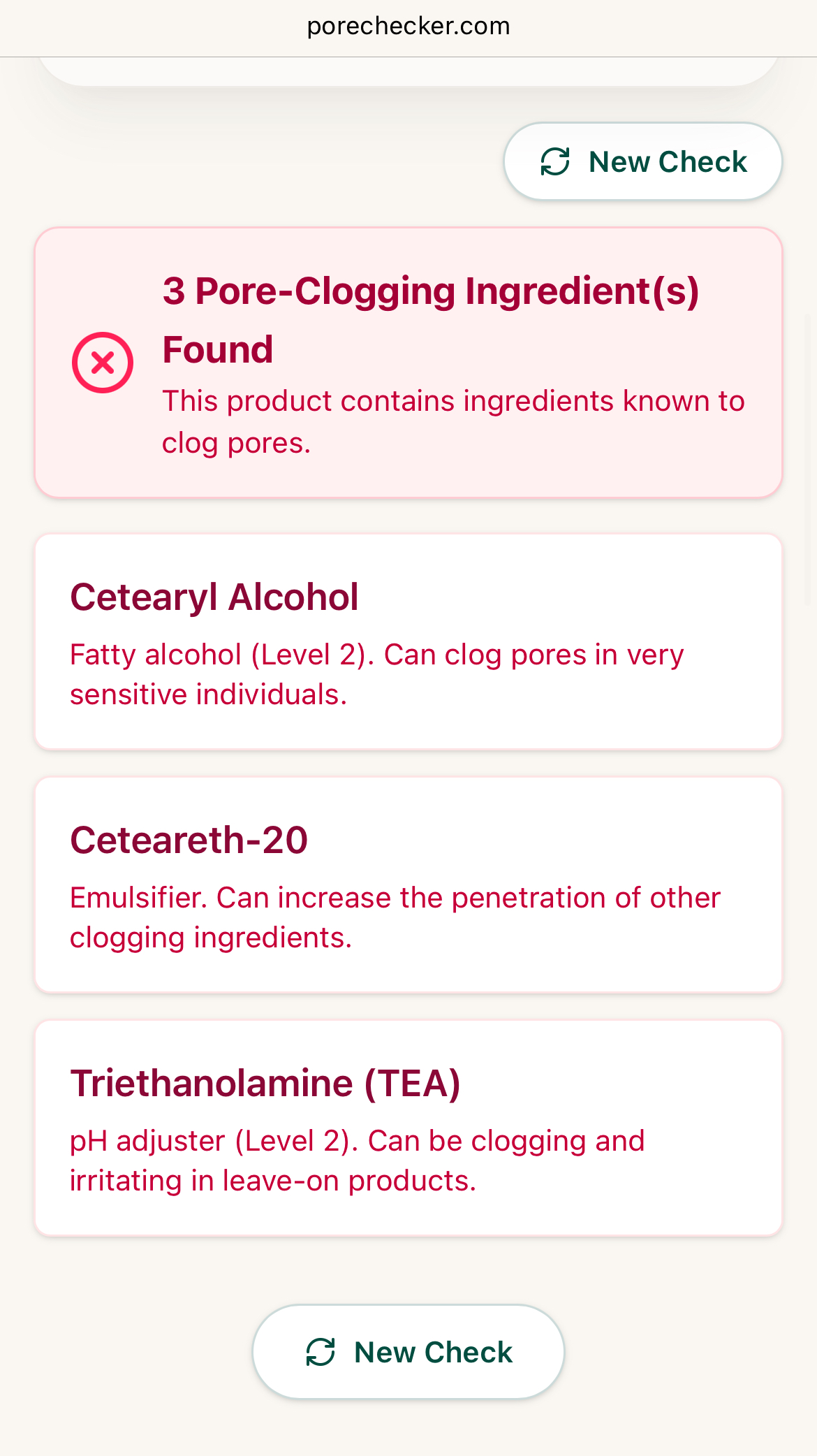
Step 3: Clear Results for Clearer Skin
You get an immediate breakdown. If any red-flag ingredients are found, we highlight them and explain why they might be problematic for your pores.
Does this product fit my skin's needs?
Check Your Products Now