When Does Pregnancy Acne Start? A Dermatologist's Guide to Clearer Skin
Wondering when pregnancy acne starts? Learn about the causes & effective skincare tips from a dermatologist. Discover how to treat pregnancy acne & keep skin clear.
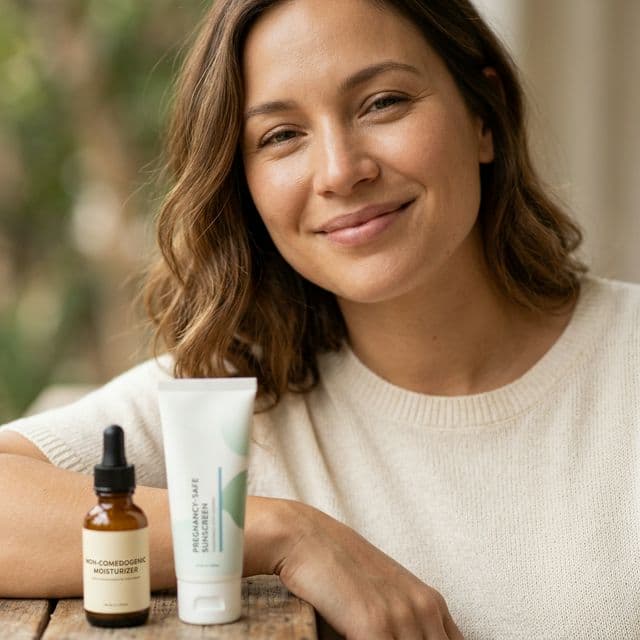
The glow of pregnancy is often accompanied by an unwelcome guest: acne. It's a frustrating reality for many expectant mothers, triggered by the surge of hormones coursing through your body. Understanding the timing of this hormonal shift, and consequently, when pregnancy acne starts, is the first step in managing it effectively. This knowledge empowers you to proactively care for your skin and feel more confident during this special time.
The good news? Managing pregnancy acne is absolutely achievable. The key lies in gentle, non-comedogenic skincare practices, meaning products that won't clog your pores. This approach, paired with expert guidance, helps you navigate the changes in your skin and find a routine that works. Remember, while over-the-counter and prescription treatments are available, always consult with your doctor or a dermatologist before starting any new regimen during pregnancy. Your health and your baby’s are paramount.
Before we dive into the specifics of when pregnancy acne starts, it's crucial to understand why it happens. The primary culprit is the increase in androgen hormones. These hormones stimulate the sebaceous glands, leading to an overproduction of oil (sebum). This excess sebum, combined with dead skin cells, can clog pores, creating the perfect environment for acne-causing bacteria to thrive.
The Timeline: When Does Pregnancy Acne Usually Start?
While every pregnancy is unique, the onset of acne often coincides with the first trimester, typically between weeks 6 and 12. This is when hormonal changes are most dramatic. However, it's important to understand that the timing can vary. Some women experience a worsening of existing acne, while others develop it for the first time. For some, the acne might improve in the second trimester as hormone levels stabilize, only to potentially reappear later. This unpredictability highlights the individual nature of pregnancy-related skin changes.
Early Pregnancy Acne: A Common Occurrence
The surge in hormones during early pregnancy can trigger a cascade of changes in your skin. Increased sebum production is a major factor. You might notice pimples, blackheads, and whiteheads appearing on your face, chest, or back. If you had acne before pregnancy, it’s possible you’ll experience a flare-up. Don't be discouraged; gentle, consistent care is key.
Later Pregnancy and Beyond: When Acne Persists
Acne can persist throughout pregnancy or even begin later in the second or third trimester. This could be due to continued hormonal fluctuations, as well as factors like stress and changes in your diet. It is essential to be consistent with your routine and consult a healthcare professional. They may suggest adjustments based on your specific needs.
Effective Skincare Strategies for Pregnancy Acne
Addressing pregnancy acne requires a multifaceted approach that focuses on gentle cleansing, hydration, and the avoidance of harsh ingredients. Building a simple, effective routine is key.
Cleansing: Your First Line of Defense
Choose a gentle, non-comedogenic cleanser. Look for ingredients like ceramides, which help support your skin barrier and calm inflammation. Avoid harsh sulfates, which can strip your skin of its natural oils, leading to irritation and potentially more acne. Cleanse your face twice a day – morning and evening – and after sweating.
Hydration: The Importance of Moisture
Even if your skin feels oily, hydration is crucial. Use a light, oil-free, non-comedogenic moisturizer to keep your skin balanced and prevent it from overproducing oil in response to dryness. Look for ingredients like hyaluronic acid to attract and retain moisture.
Sun Protection: Protecting Your Skin
Sunscreen is essential for everyone, but especially important when you’re pregnant. Hormonal changes can make your skin more sensitive to the sun. Use a broad-spectrum, mineral-based sunscreen with zinc oxide or titanium dioxide. Apply it every morning and reapply throughout the day, especially if you're spending time outdoors.
Ingredients to Avoid During Pregnancy
Some ingredients are best avoided during pregnancy because of potential risks to the developing fetus. These include high concentrations of retinoids (like Retin-A or tretinoin), salicylic acid (in high doses), and certain essential oils. Always consult your doctor or a dermatologist before using any new product. They can provide personalized advice based on your individual needs.
Hidden Pore-Cloggers to Watch Out For
Beyond active ingredients, many everyday skincare products contain ingredients that can clog pores and worsen acne. Be mindful of comedogenic ingredients like certain oils (coconut oil, mineral oil), shea butter, and thick emollients. Also, be aware of the "pore-clogging potential" of various ingredients, a metric that ranks substances based on their likelihood of blocking pores.
Don't Let Your Products Ruin Your Progress
Understanding the timing of pregnancy acne, implementing gentle skincare routines, and using pregnancy-safe ingredients are essential steps. However, even with the best intentions, pore-clogging ingredients can lurk in unexpected places, sabotaging your efforts. Many products claim to be "gentle" or "natural," but still contain comedogenic substances that can trigger breakouts. To ensure you’re truly using acne-friendly products, it's a good idea to research the ingredients list of your skincare items. There are many tools available that can help you understand whether a product is likely to clog your pores.
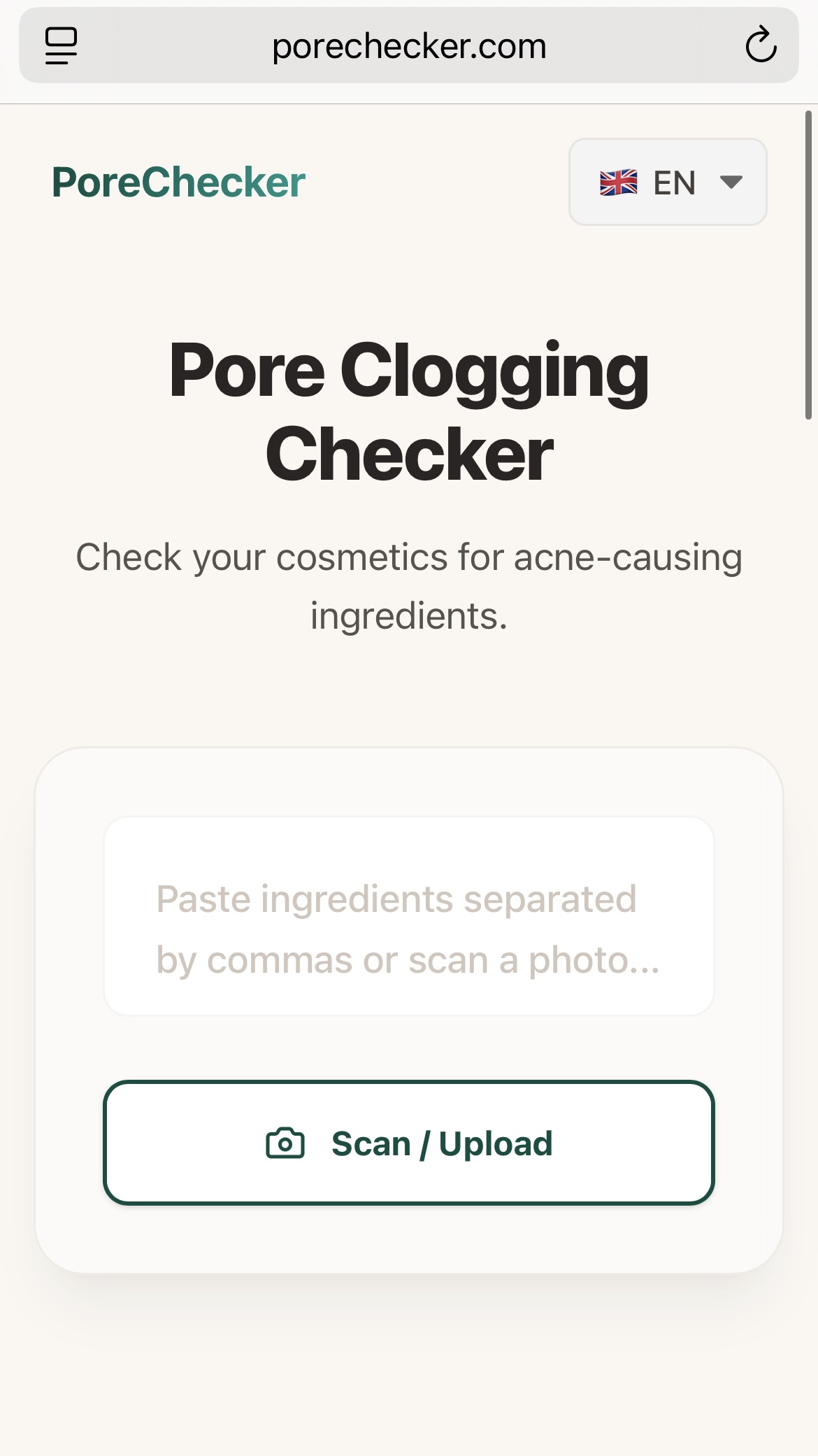
Step 1: Upload Your Product Image
Simply snap a photo of the ingredient list on the back of any bottle, jar, or box. No typing required.
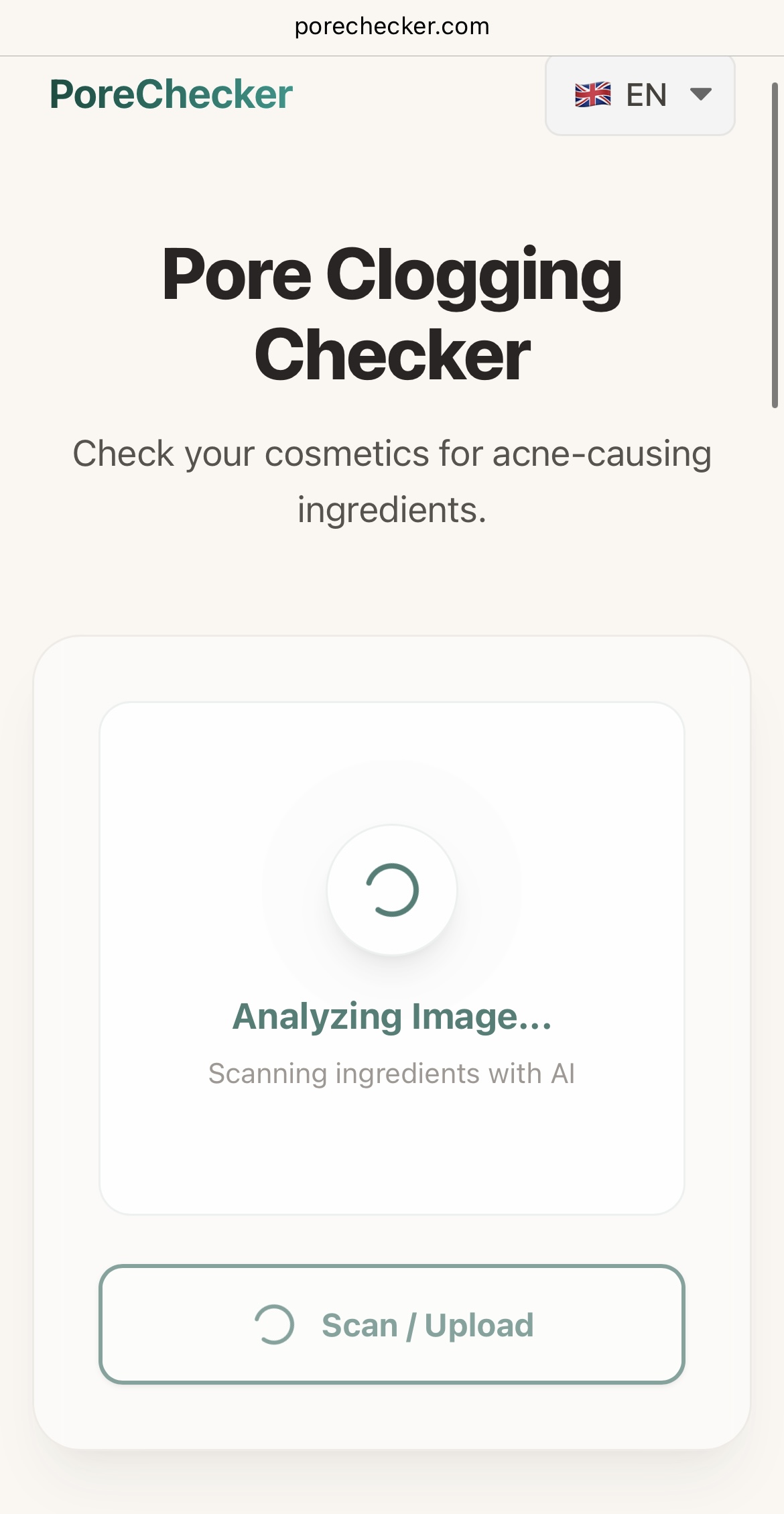
Step 2: Instant AI Ingredient Analysis
Our advanced AI scans the image, performs OCR (Optical Character Recognition), and matches every ingredient against our curated database of comedogenic substances.
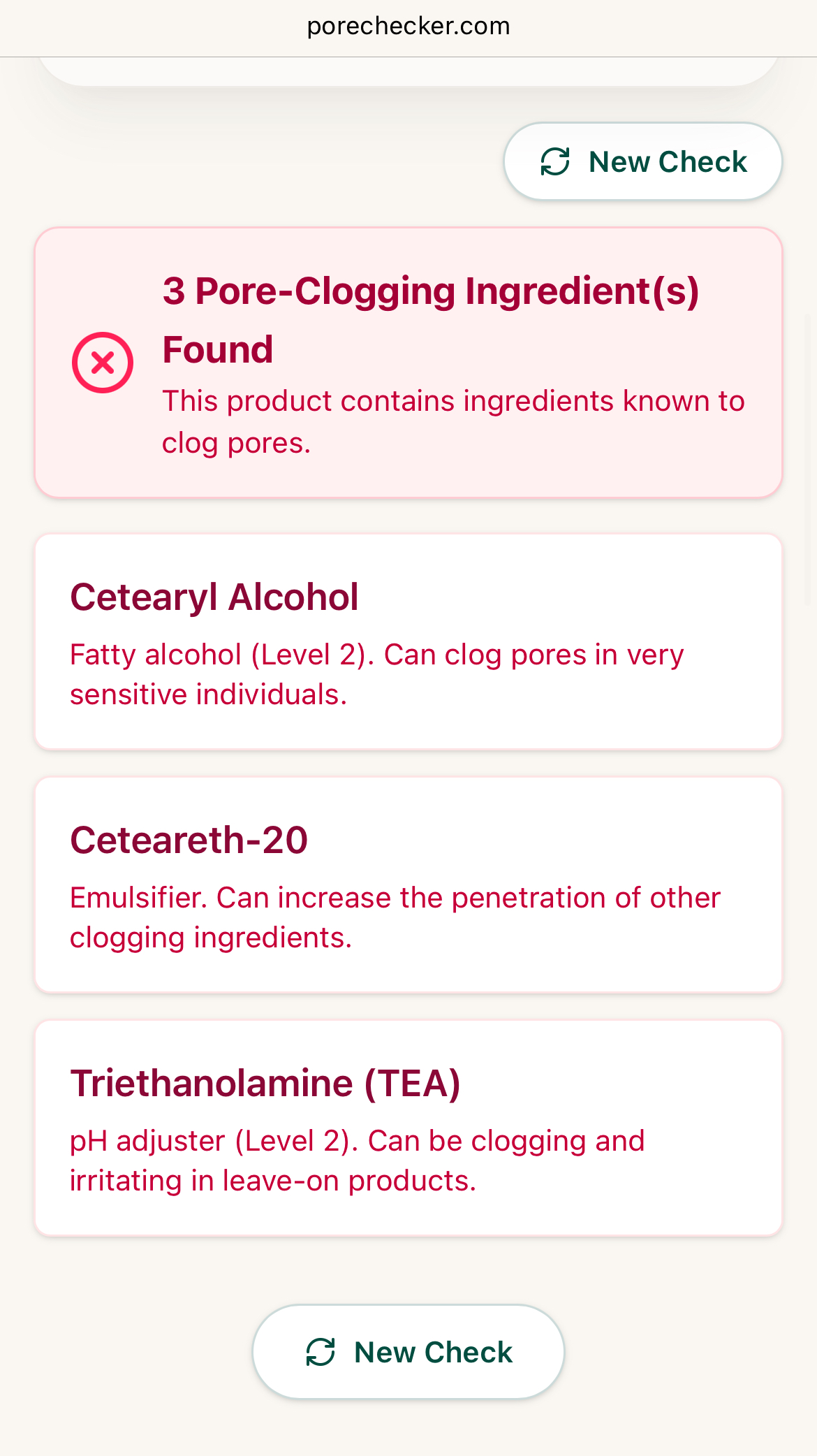
Step 3: Clear Results for Clearer Skin
You get an immediate breakdown. If any red-flag ingredients are found, we highlight them and explain why they might be problematic for your pores.
Does this product fit my skin's needs?
Check Your Products Now