When to Apply Sunscreen: Before or After Moisturizer?
Sunscreen and moisturizer are non-negotiable, but the order of application matters. Learn the correct way to layer these products for maximum protection and hydration.
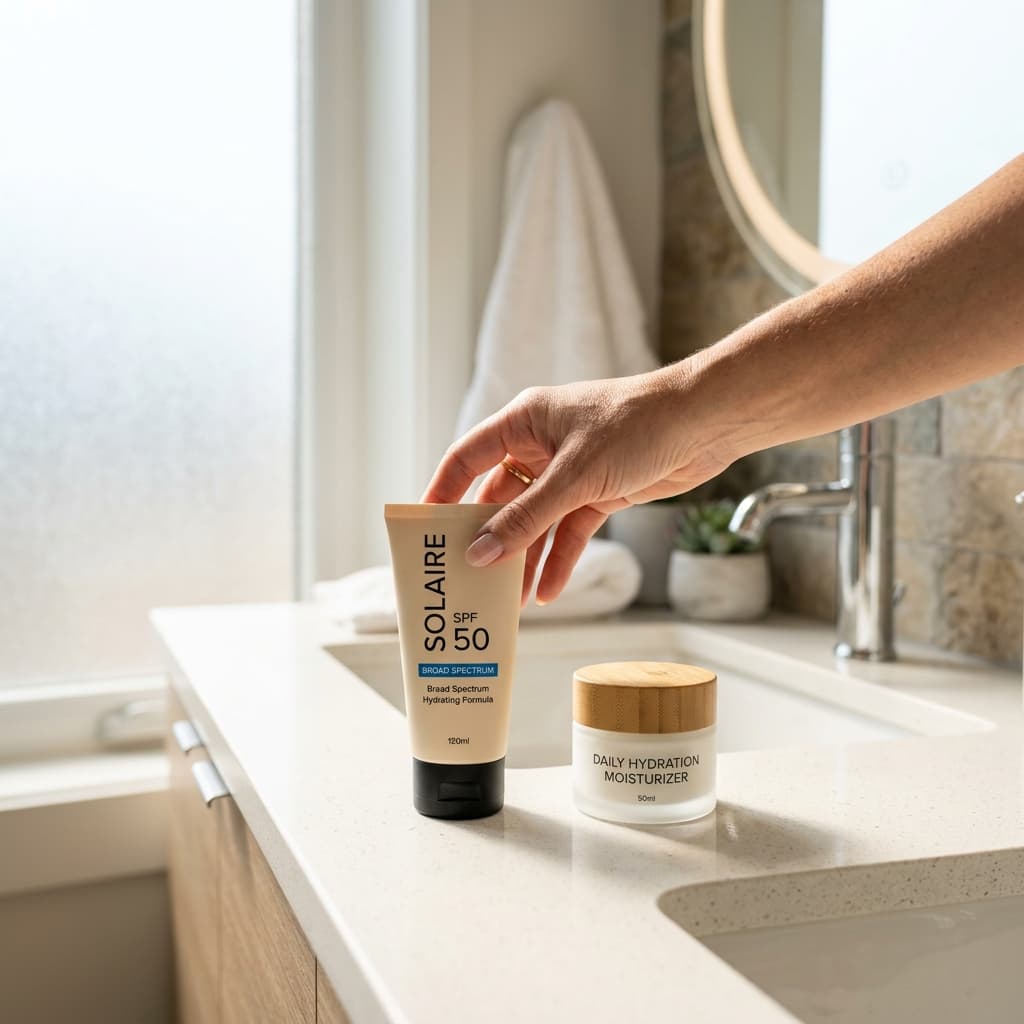
Sunscreen is arguably the most important step in your daily skincare routine, but confusion often persists about its place in the lineup. "When to apply sunscreen—before or after moisturizer?" is one of the most common questions in dermatology. Getting the order right is essential not only for effectively shielding your skin from harmful UV rays but also for ensuring your other skincare products can do their jobs correctly. The short answer? Sunscreen should almost always be the final step of your skincare routine, but there are a few nuances to consider.
The General Rule: Sunscreen is the Shield
Think of your skincare routine as building layers of defense and nourishment. Moisturizers are designed to penetrate the skin and provide hydration. Sunscreen, on the other hand, is designed to sit on the surface of the skin to reflect or absorb UV radiation. If you apply moisturizer *over* your sunscreen, you risk diluting the SPF and creating an uneven shield, significantly reducing your level of protection.
Exceptions Based on Sunscreen Type
While the "sunscreen last" rule is the gold standard, the type of sunscreen you use can influence the recommendation:
- Chemical Sunscreens: These rely on ingredients that must be absorbed into the skin to work. Some experts suggest applying these directly to clean skin for maximum efficacy. However, most modern formulations are designed to work perfectly well over a lightweight moisturizer.
- Mineral (Physical) Sunscreens: These use Zinc Oxide or Titanium Dioxide to physically block UV rays. They *must* be applied as the final layer, as they do not need to absorb and work strictly by creating a surface barrier.
Tips for Perfect Layering
To ensure both products work effectively, follow these layering tips:
- Wait Between Steps: Give your moisturizer at least 1-2 minutes to fully absorb before applying your sunscreen. This prevents "pilling" and ensures the sunscreen can form a continuous film.
- Use Non-Comedogenic Formulas: Especially for acne-prone skin, ensure both your moisturizer and sunscreen are non-comedogenic. Clogged pores are often caused by heavy layering, not just individual products.
- Don't Forget the Reapplication: Remember that sunscreen needs to be reapplied every two hours if you're exposed to the sun, regardless of when you applied your moisturizer.
Summary
So, when to apply sunscreen before or after moisturizer? In almost every scenario, apply your moisturizer first, let it sink in, and finish with a generous layer of sunscreen. This ensures your skin stays hydrated while remaining fully protected from the sun's damaging effects. By mastering this simple layering order, you're taking a vital step toward long-term skin health and anti-aging.
Step 1: Upload Your Product Image
Simply snap a photo of the ingredient list on the back of any bottle, jar, or box. No typing required.

Step 2: Instant AI Ingredient Analysis
Our advanced AI scans the image, performs OCR (Optical Character Recognition), and matches every ingredient against our curated database of comedogenic substances.

Step 3: Clear Results for Clearer Skin
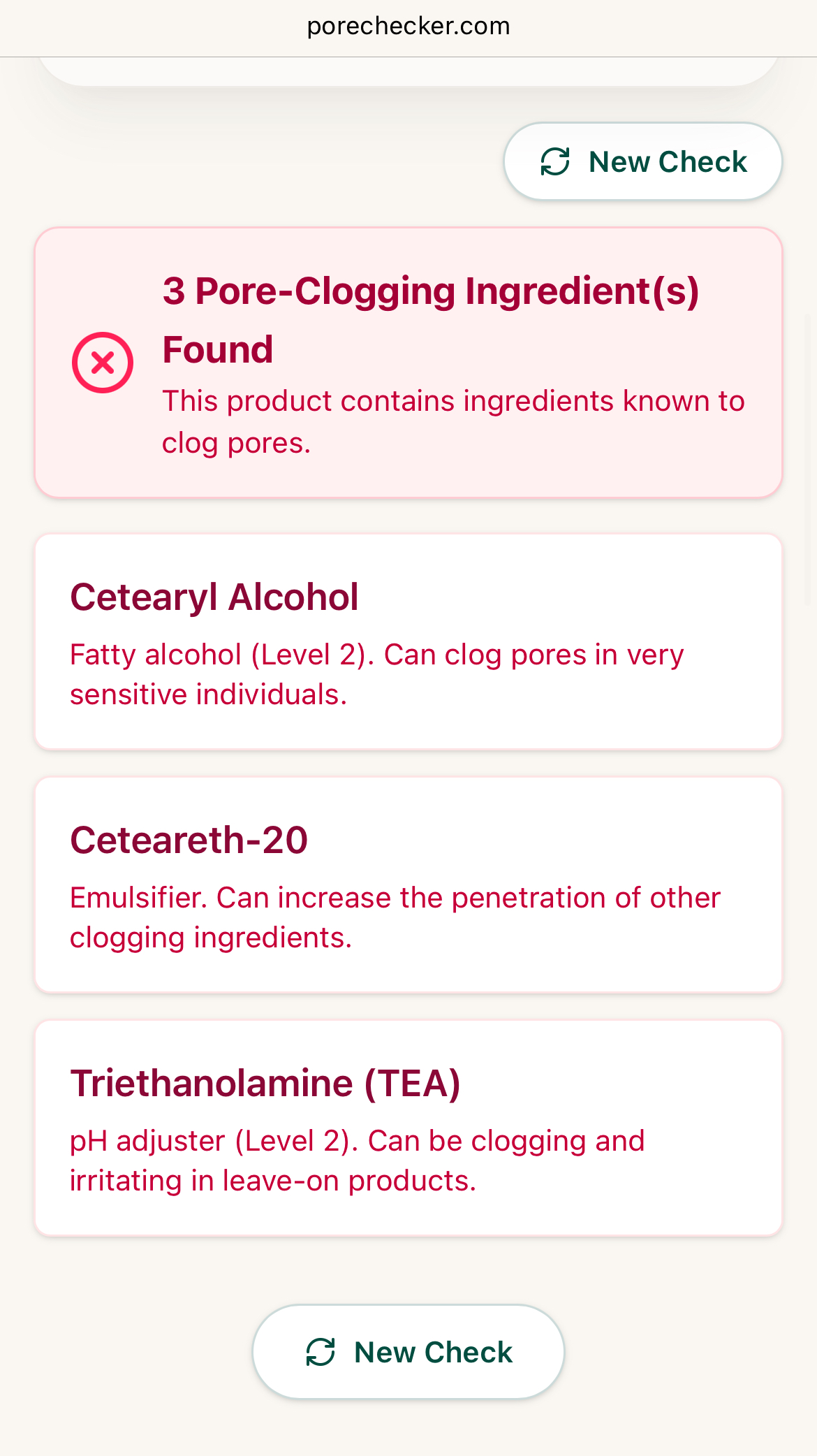
You get an immediate breakdown. If any red-flag ingredients are found, we highlight them and explain why they might be problematic for your pores.
Does this product fit my skin's needs?
Check Your Products Now