When to Use Hair Serum: A Dermatologist’s Guide to Protecting Your Skin
Learn exactly when to use hair serum to avoid breakouts. Discover how styling products impact your skin and how to stay acne-free.
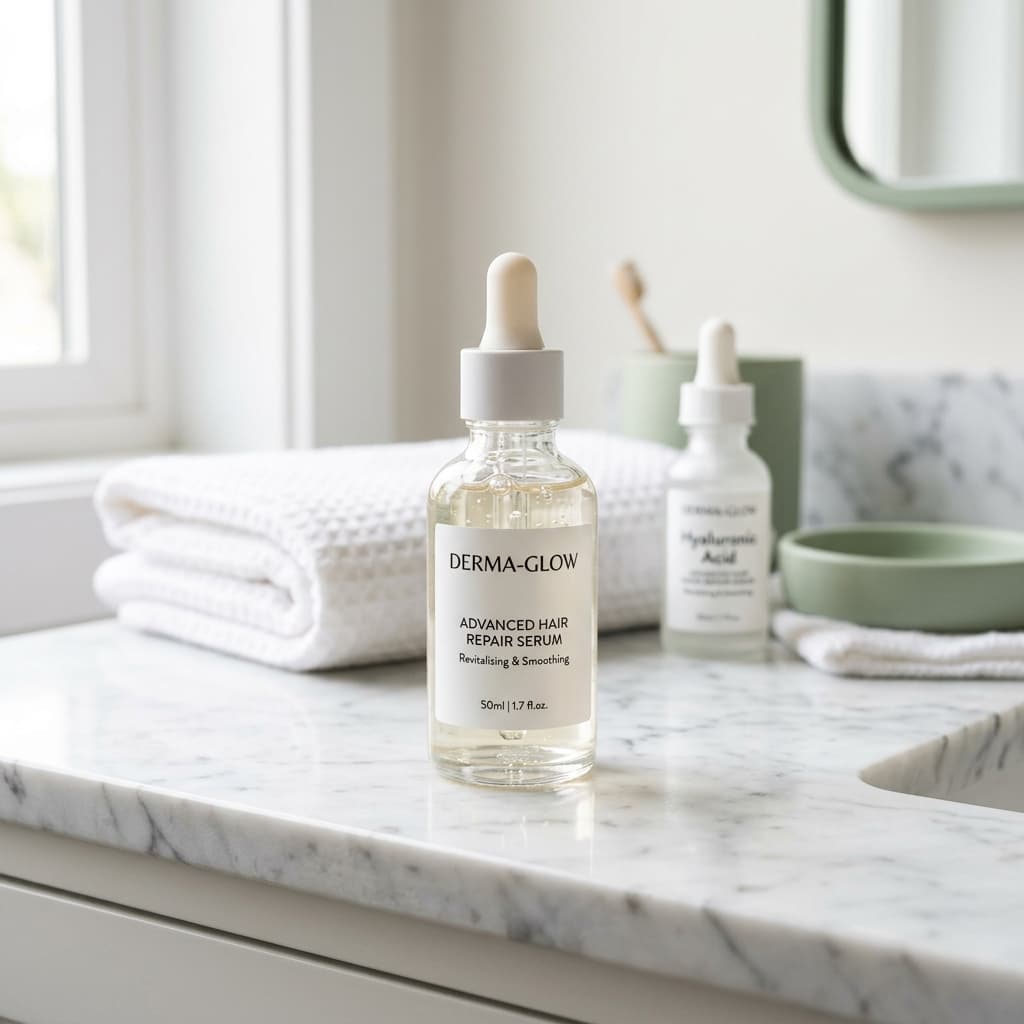
Many patients present with persistent, stubborn breakouts along their hairline, temples, and jawline, often feeling frustrated that their diligent skincare routine isn't yielding results. The culprit is rarely the face wash or moisturizer they are using; it is often the invisible residue migrating from their hair care products. As a dermatologist, I emphasize that the scalp and the face share the same skin barrier, and hair serums designed to impart shine or tame frizz are frequently packed with comedogenic ingredients.
Understanding when to use hair serum is not just about aesthetic timing; it is a tactical decision for maintaining dermatological health. By strategically applying these products and being mindful of how they interact with your skin, you can protect your complexion from the follicular congestion that leads to acne mechanica and inflammatory breakouts.
The Ideal Window for Application
The golden rule for using hair serum is to restrict it strictly to the mid-lengths and ends of the hair. Your scalp produces its own sebum, which is usually sufficient to nourish the roots, whereas the ends often require additional protection. Apply your serum while the hair is damp but not soaking wet, focusing entirely on the areas that do not touch your forehead, cheeks, or neck.
Post-Styling Precautions
If you use a serum to combat frizz after blow-drying or heat styling, ensure you have washed your face immediately after the application process. This removes any micro-droplets of product that may have drifted onto your skin. If you find your hair must touch your face—such as with a fringe—consider pinning your hair back until the product has fully dried and absorbed into the hair cuticle, preventing the transfer of silicones and oils onto your pores.
Hidden Pore-Cloggers in Your Hair Care
Not all serums are created equal, and many contain heavy oils or synthetic waxes that are highly comedogenic. Ingredients like isopropyl palmitate, ethylhexyl palmitate, or certain mineral oils are common in hair care but can trigger acne flares when they come into contact with your face. Even "natural" ingredients like coconut oil, which is prized in hair masks and serums for its penetration, can be notoriously pore-clogging for acne-prone skin types.
Don't Let Your Products Ruin Your Progress
It is common to focus so heavily on the purity of your cleansers and serums that the hair products sitting in your bathroom cabinet are overlooked. If you are experiencing unexpected congestion, the heavy emollients in your hair serum are likely acting as a barrier that traps bacteria against your skin. By auditing your hair care for the same pore-clogging ingredients you avoid in your skincare, you can stop the cycle of recurring breakouts. Taking a moment to verify the ingredient list of your styling products against a database of known triggers is a vital, yet often missed, step in a comprehensive approach to skin health.
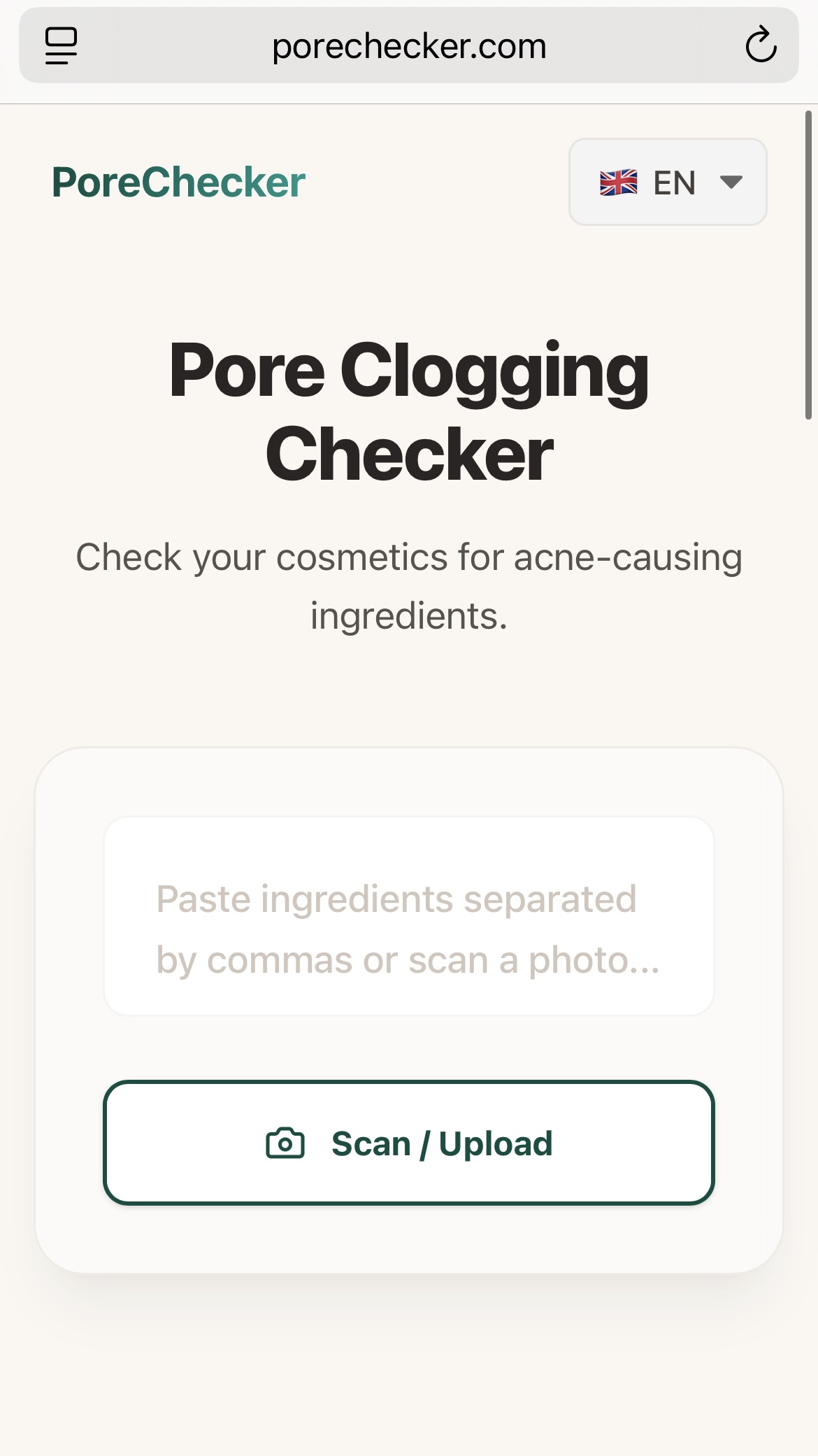
Step 1: Upload Your Product Image
Simply snap a photo of the ingredient list on the back of any bottle, jar, or box. No typing required.
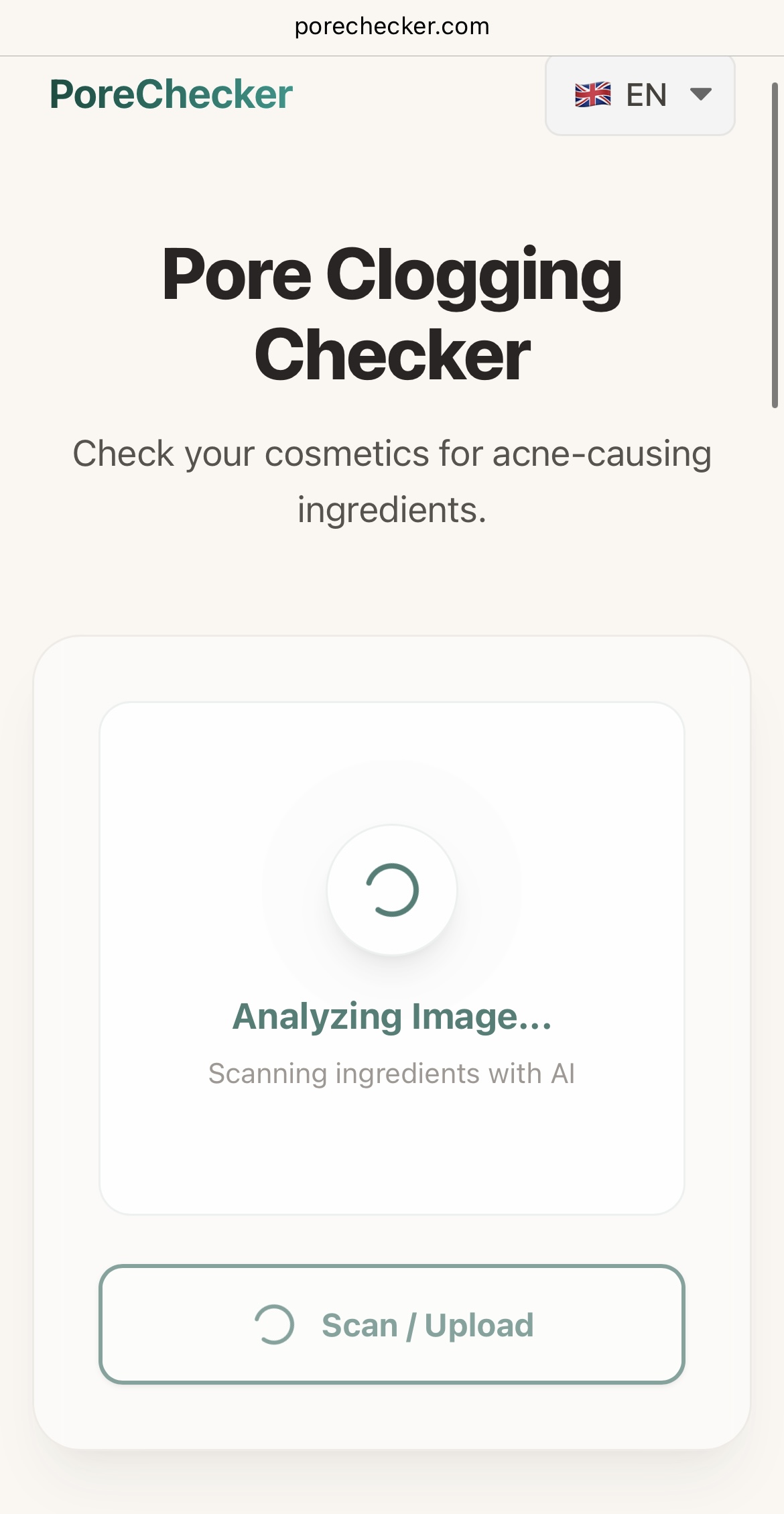
Step 2: Instant AI Ingredient Analysis
Our advanced AI scans the image, performs OCR (Optical Character Recognition), and matches every ingredient against our curated database of comedogenic substances.
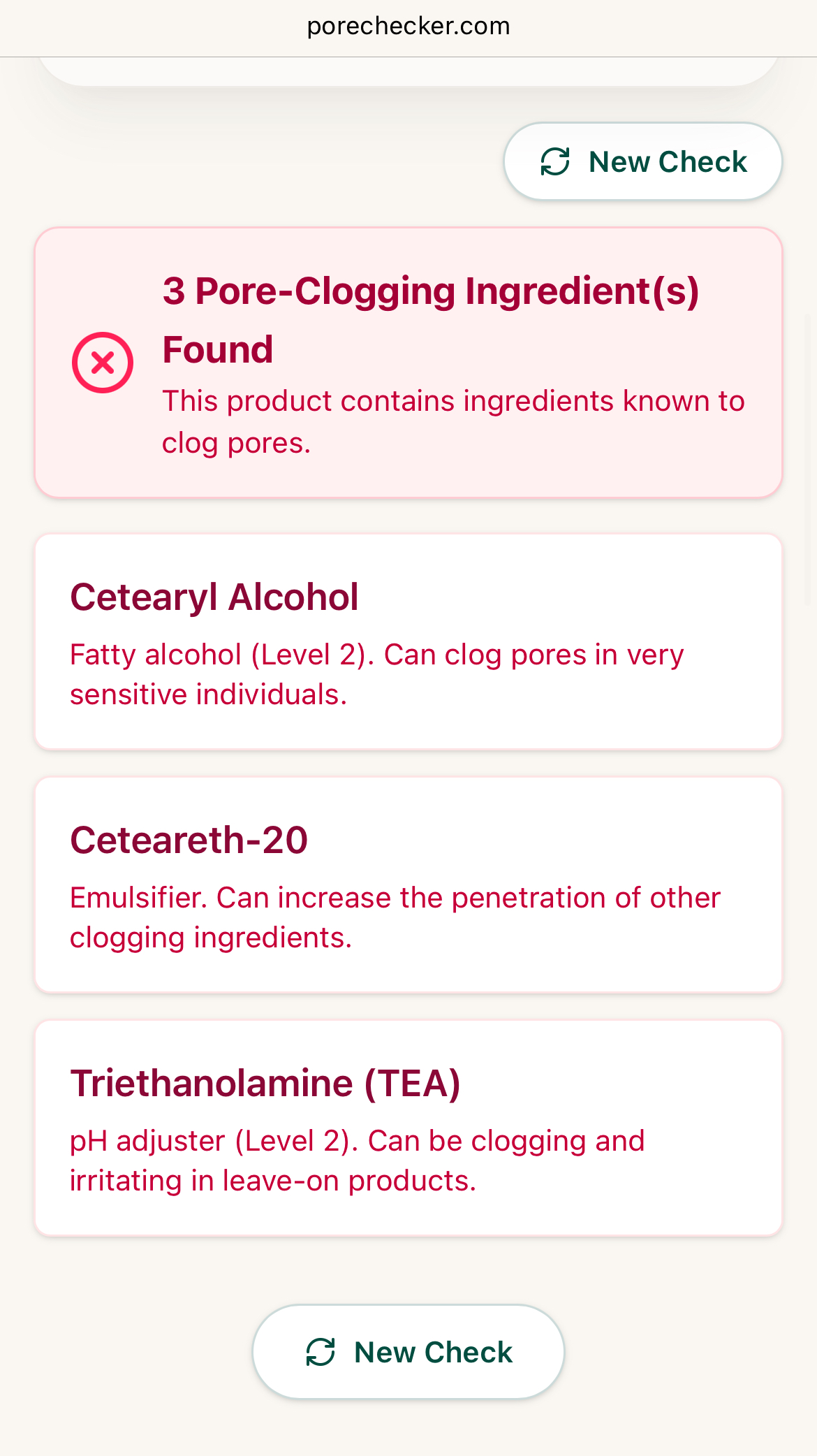
Step 3: Clear Results for Clearer Skin
You get an immediate breakdown. If any red-flag ingredients are found, we highlight them and explain why they might be problematic for your pores.
Does this product fit my skin's needs?
Check Your Products Now