When to Use Serum on Face: The Science of Layering for Optimal Results
Learn exactly when to use serum on face for maximum absorption. Discover how to layer your skincare correctly to avoid breakouts.
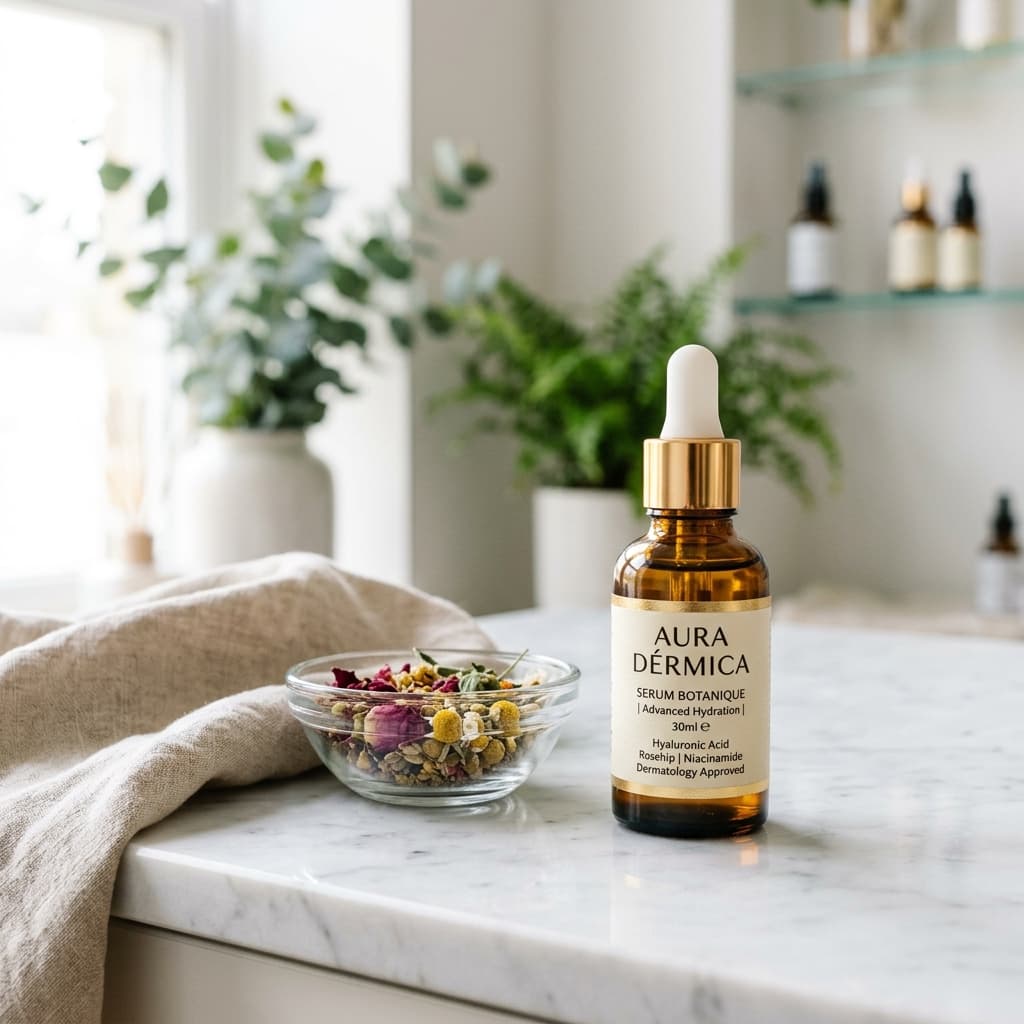
Skincare efficacy is rarely about how many products you own; it is almost entirely about the order in which you apply them. Serums are concentrated powerhouses designed to deliver high-potency actives—like Vitamin C, niacinamide, or hyaluronic acid—directly into the skin. However, these formulas are often lightweight and delicate, meaning their placement in your routine determines whether they penetrate the dermal layers or simply sit on the surface, evaporating before they can perform their intended function.
Achieving a luminous, balanced complexion requires respecting the molecular weight of your products. By applying your serums at the correct interval, you ensure that your pores remain clear and your moisture barrier stays protected. When you prioritize non-comedogenic formulations and correct layering, you minimize the risk of irritation and maximize the therapeutic benefits of your targeted treatments.
The Golden Rule of Texture and Density
The standard approach to serum application follows the principle of thinnest to thickest. After cleansing your face, your skin is most receptive to hydration. You should apply your serum on damp, clean skin, as this facilitates better absorption and prevents the sticky residue often associated with high-molecular-weight ingredients.
Morning vs. Evening Application
Morning routines should prioritize environmental protection. An antioxidant-rich serum, such as L-ascorbic acid, is best applied first after cleansing to neutralize free radicals from UV exposure and pollution. Allow the serum to fully dry for sixty seconds before layering your moisturizer and SPF. This pause is vital; rushing the process can cause the product to pill or lose its efficacy.
In the evening, your skin shifts into a reparative mode. This is when to use serum on face for corrective purposes, such as retinols, exfoliating acids (AHAs/BHAs), or peptides. Because these ingredients work to accelerate cell turnover, they must be applied close to the skin barrier. If you are using a retinol serum, always follow with a non-comedogenic moisturizer to buffer the potential for dryness and support the skin's night-time recovery cycle.
Hidden Ingredients That Sabotage Your Routine
Even if you have mastered the timing of your serum application, your results may be hindered by the ingredients hidden within your bottles. Many serums—even those marketed as "clean"—contain thickening agents or surfactants that are highly comedogenic. These substances can create an occlusive layer that traps debris inside your follicles, potentially leading to breakouts, whiteheads, or congestion, regardless of how perfectly you timed the application.
Don't Let Your Products Ruin Your Progress
Mastering your skincare sequence is only half the battle; the other half is ensuring that the products themselves aren't undermining your health. If you are meticulously applying your serums in the correct order but still noticing recurring breakouts or congested pores, the issue likely resides in the formula's ingredient list. Many common binders and emollients can quietly trigger acne, turning your attempt at skin improvement into a source of frustration. Before you commit to a new bottle, it is essential to verify that your chosen serums are free from pore-clogging triggers that can counteract your effort and long-term skin health.
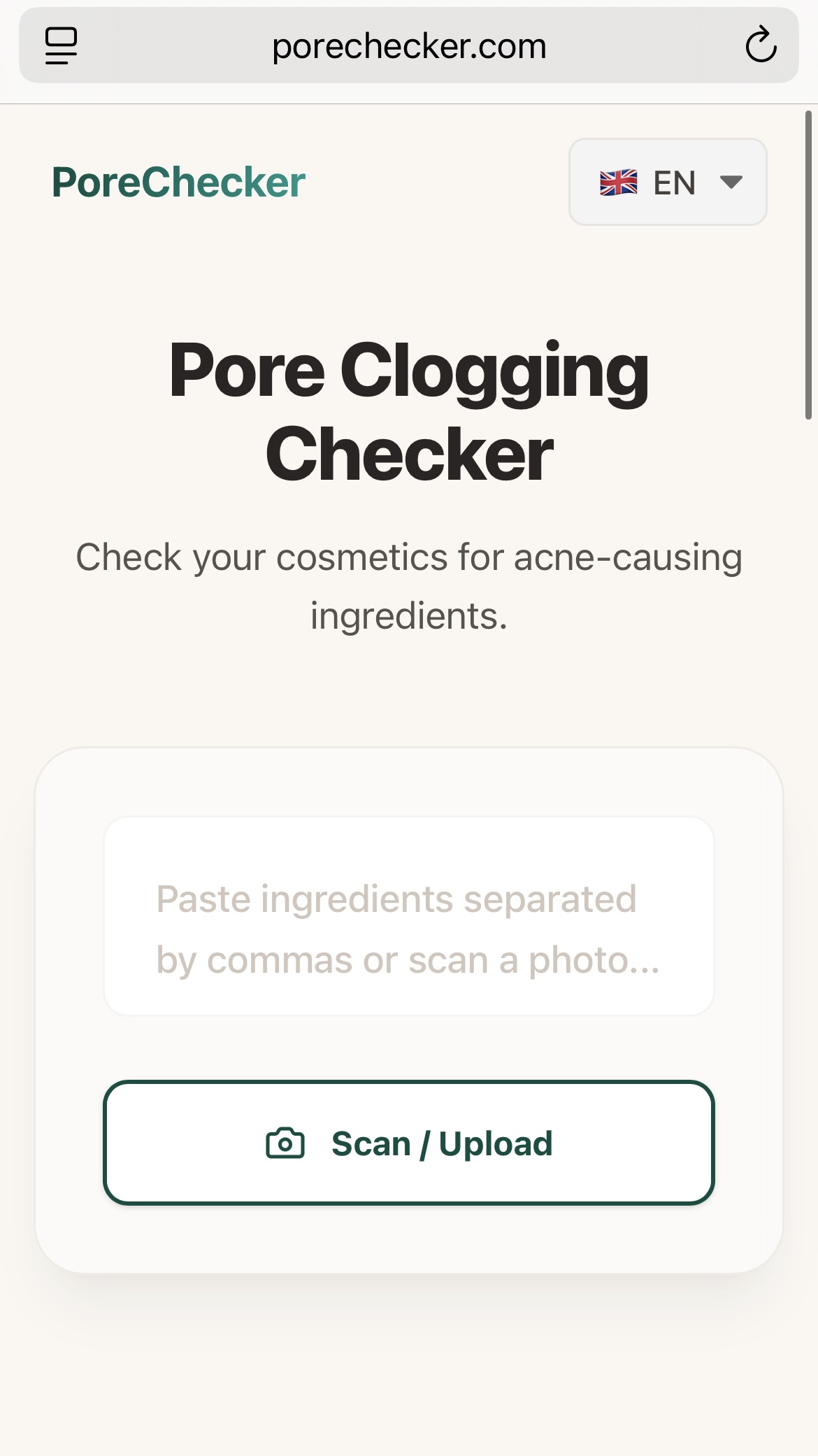
Step 1: Upload Your Product Image
Simply snap a photo of the ingredient list on the back of any bottle, jar, or box. No typing required.
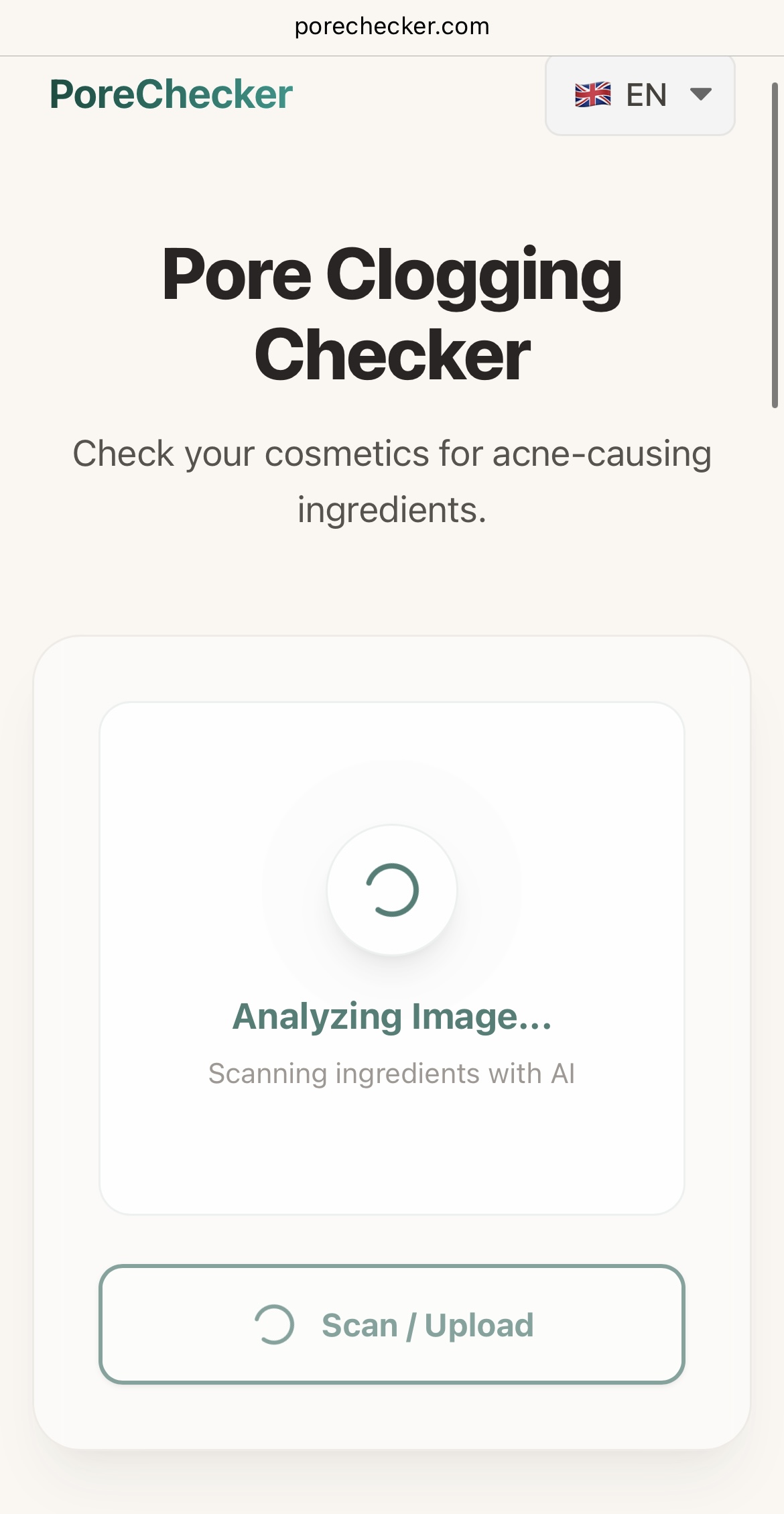
Step 2: Instant AI Ingredient Analysis
Our advanced AI scans the image, performs OCR (Optical Character Recognition), and matches every ingredient against our curated database of comedogenic substances.
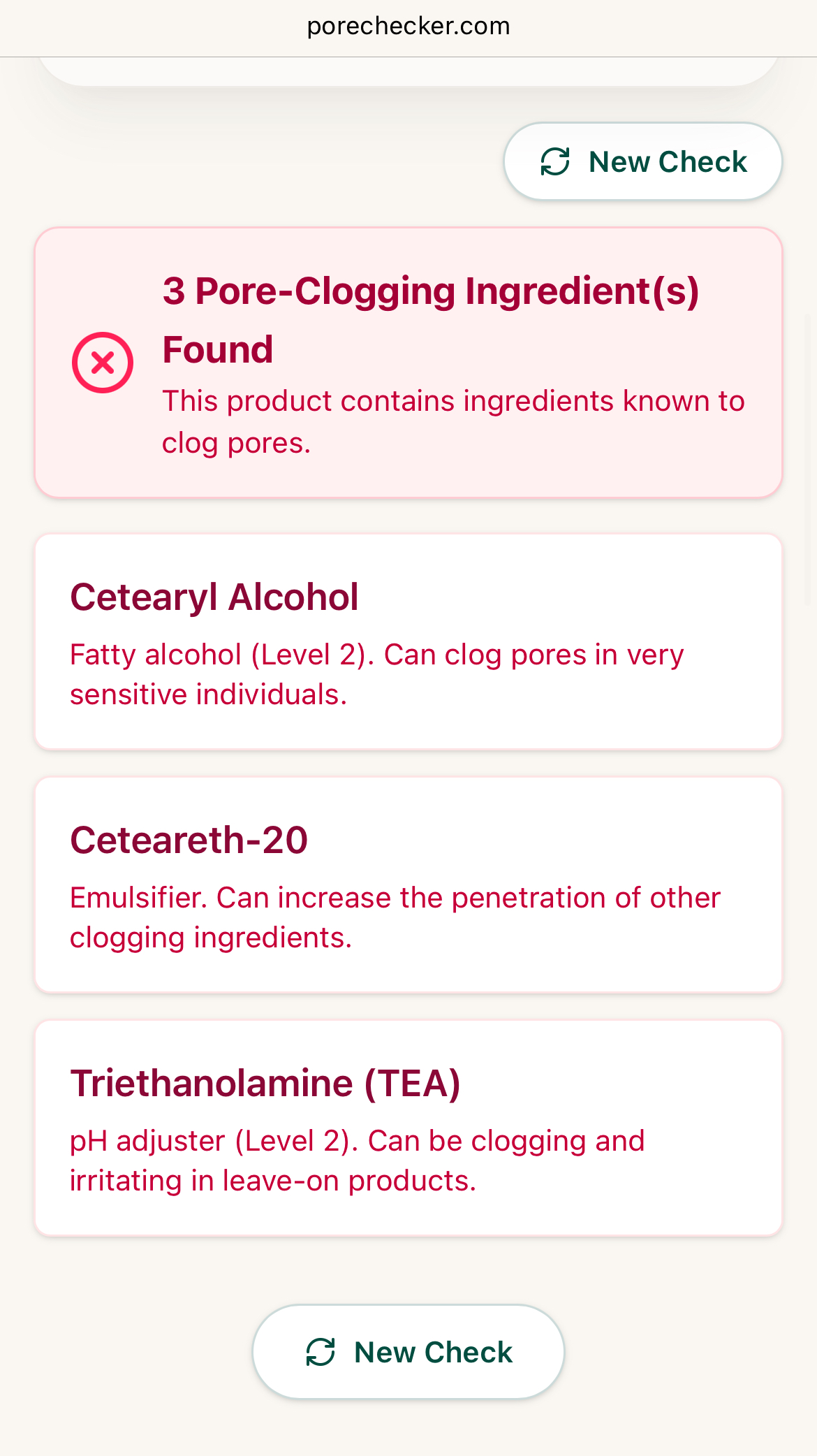
Step 3: Clear Results for Clearer Skin
You get an immediate breakdown. If any red-flag ingredients are found, we highlight them and explain why they might be problematic for your pores.
Does this product fit my skin's needs?
Check Your Products Now