Which Hormone Causes Acne in Females? The Scientific Link Explained
Tired of hormonal breakouts? Discover which hormone is the primary driver of acne in females and learn how to balance your skin through science-backed routines.
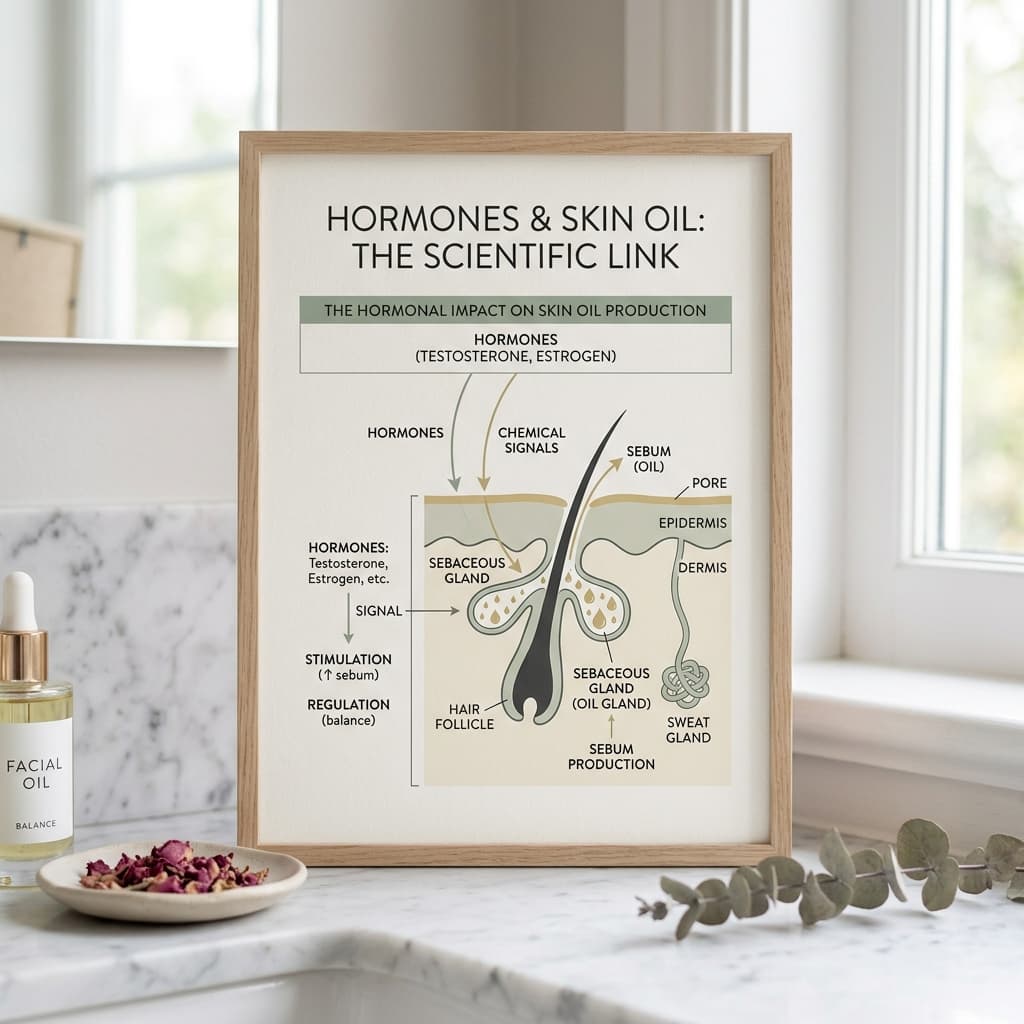
For many women, acne isn't just a teenage phase—it's a persistent adult challenge. When breakouts occur predictably around your period or along your jawline, the question arises: "which hormone causes acne in females?" While your body relies on a delicate balance of various messengers, there are clear biological drivers that tell your skin to produce excess oil. Understanding the science behind hormonal acne is the first step toward choosing the right treatments and products to finally achieve a clear, stable complexion.
The Primary Driver: Androgens
Across all skin types and ages, the primary hormone that causes acne in females is a group called androgens, particularly testosterone. While often considered "male" hormones, women produce them naturally. When androgen levels rise—or when the skin becomes more sensitive to them—they send a direct signal to the sebaceous glands to produce more sebum (oil). This excess oil provides the perfect environment for pores to clog and bacteria to flourish.
The Supporting Roles: Estrogen and Progesterone
While androgens are the main triggers, your cycle's other hormones play important supporting roles:
- Progesterone: Levels rise in the middle of your cycle. It can cause skin swelling and compress the pores, while also potentially increasing oil production.
- Estrogen: This hormone typically has a "clearing" effect on the skin. When it drops right before your period, the ratio of androgens to estrogen shifts, allowing the acne-fighting balance to tip toward breakouts.
Conditions Linked to Hormonal Acne
For some, hormonal acne is a symptom of an underlying condition. Polycystic Ovary Syndrome (PCOS) is a common driver, where the body produces higher-than-normal levels of androgens, leading to persistent cystic acne, irregular cycles, and other symptoms. If your hormonal acne is severe and resistant to typical treatments, consulting with an endocrinologist or gynecologist is a vital step.
How to Manage Hormone-Driven Skin
Treating the internal cause while supporting the skin externally is the best approach:
- Consistent Non-Comedogenic Routine: This is the baseline. Ensure every product is strictly non-clogging to avoid exacerbating the oil spike.
- Targeted Actives: Ingredients like niacinamide help regulate oil production, while azelaic acid can soothe the inflammation and redness of hormonal cysts.
- Hormonal Treatments: Work with a doctor to explore options like spironolactone (which blocks androgens at the skin level) or certain birth control pills that help balance hormone ratios.
Summary
So, which hormone causes acne in females? While androgens like testosterone are the main culprits, the complex dance with estrogen and progesterone determines when and how your skin reacts. By understanding your body's rhythm and maintaining a safe, non-comedogenic skincare foundation, you can significantly reduce hormonal breakouts and achieve long-term skin health.
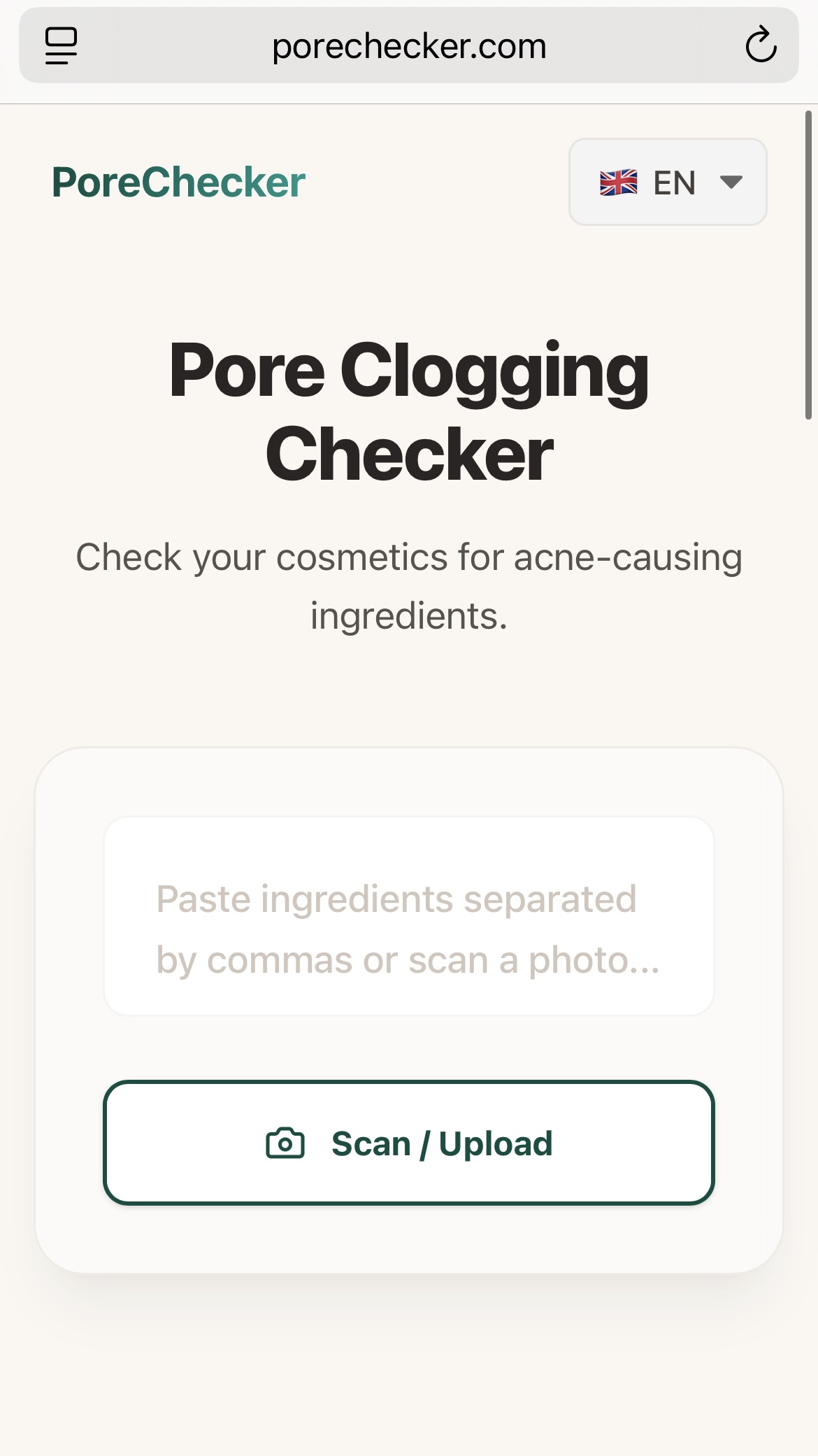
Step 1: Upload Your Product Image
Simply snap a photo of the ingredient list on the back of any bottle, jar, or box. No typing required.
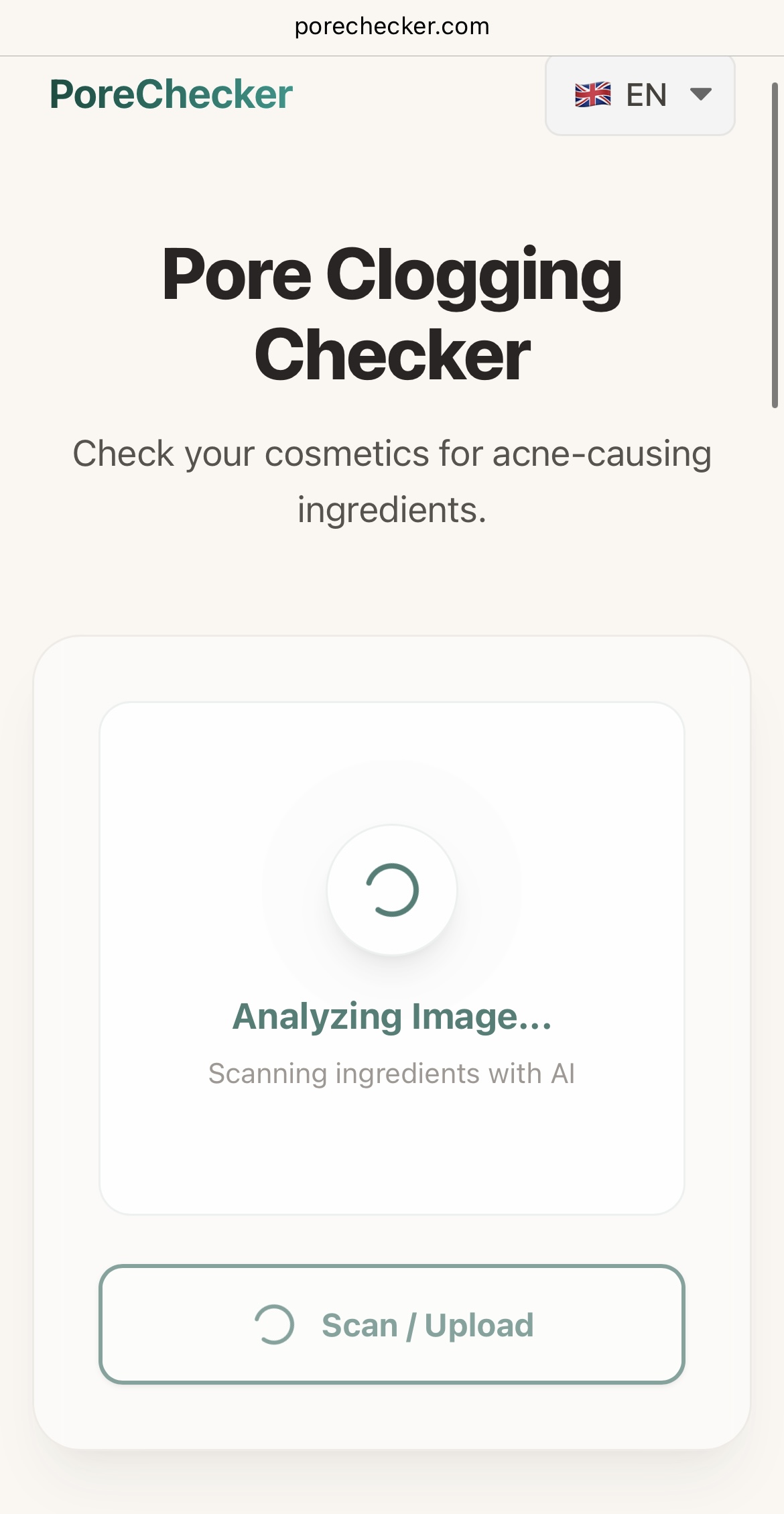
Step 2: Instant AI Ingredient Analysis
Our advanced AI scans the image, performs OCR (Optical Character Recognition), and matches every ingredient against our curated database of comedogenic substances.
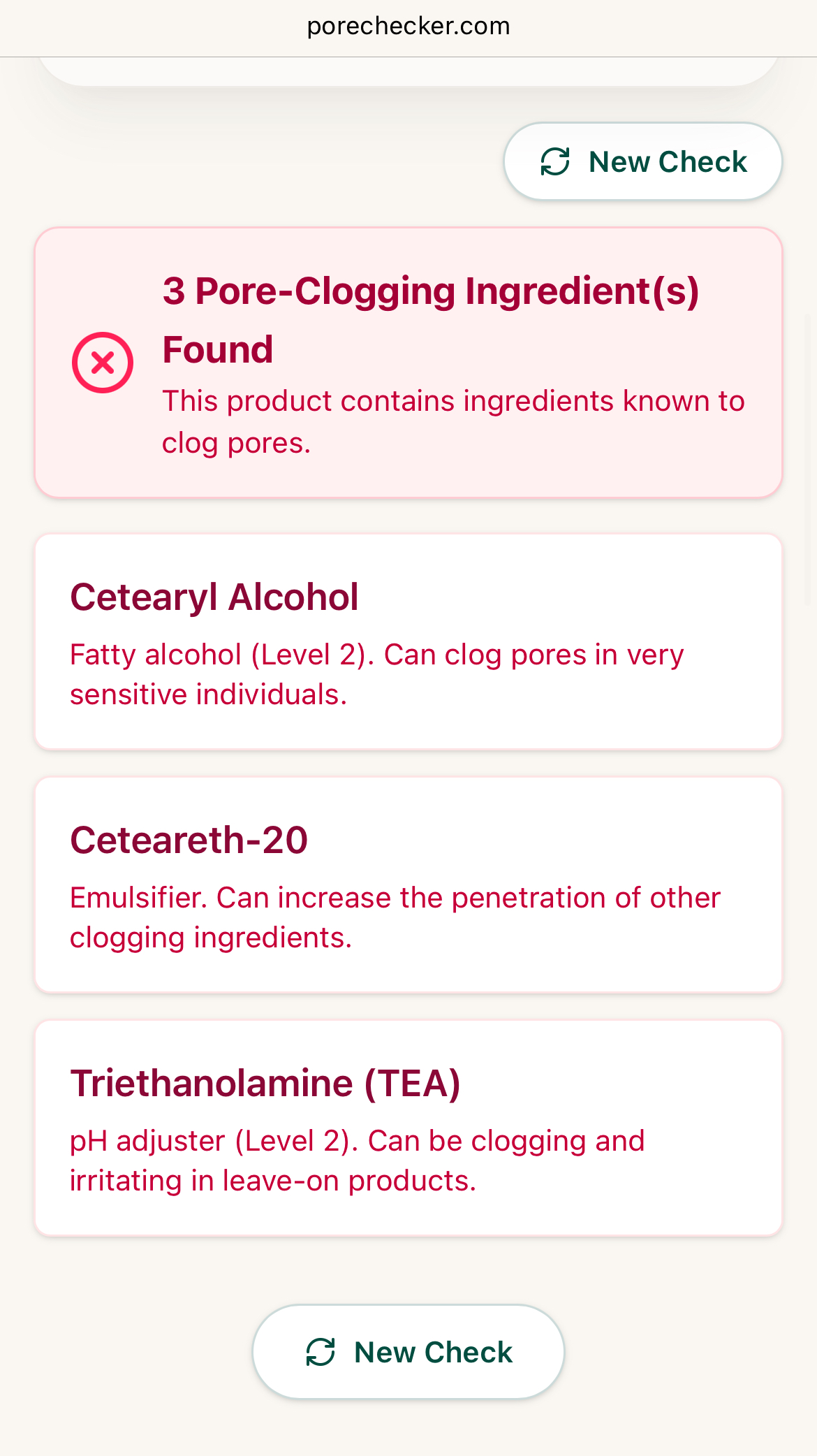
Step 3: Clear Results for Clearer Skin
You get an immediate breakdown. If any red-flag ingredients are found, we highlight them and explain why they might be problematic for your pores.
Does this product fit my skin's needs?
Check Your Products Now