Why Am I Getting Cystic Acne All of a Sudden? Unpacking the Triggers
Suddenly dealing with deep, painful cystic acne? Discover why it happens, common sudden triggers, and how to calm your skin and prevent future breakouts.
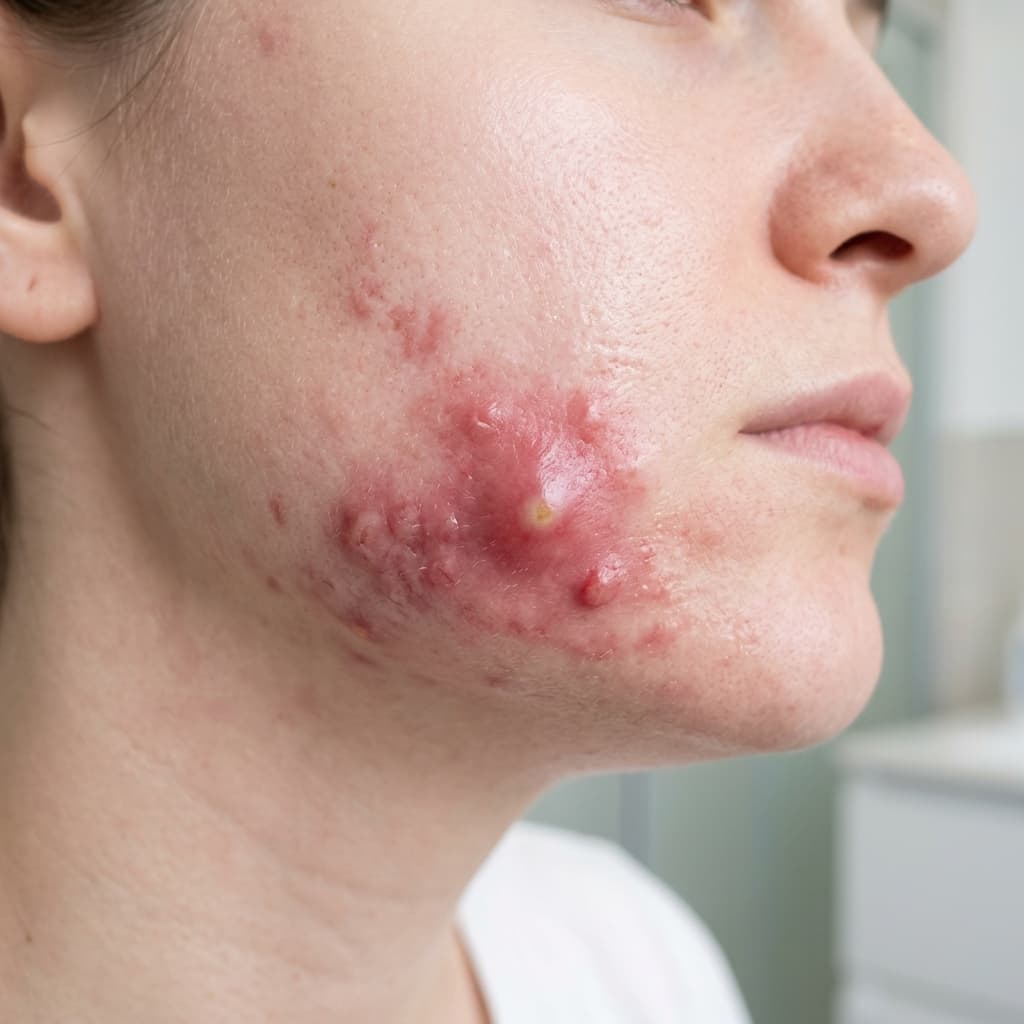
Few things are as stressful as looking in the mirror and seeing the painful, swollen signs of cystic acne appearing out of nowhere. If you've been asking yourself, "why am I getting cystic acne all of a sudden?" you're not alone. Unlike surface-level whiteheads, cystic acne develops deep within the skin's layers, often feeling like a hard, tender lump before it even becomes visible. Sudden flare-ups are usually a response to a change in your body or environment. Identifying these shifts—and ensuring your routine is strictly non-comedogenic—is the key to calming the storm.
Common Sudden Triggers
Cystic acne doesn't happen without a cause. Here are the most common reasons for a sudden breakout:
Hormonal Shifts
Hormones are the #1 driver of cystic acne. A sudden increase in androgens can overstimulate your oil glands. This can happen due to a new medication, switching birth control, high stress levels, or even natural shifts during different stages of life.
High-Stress Events
When you're under intense stress, your body releases cortisol. This hormone can indirectly increase sebum production and inflammation, turning a minor clog into a deep, painful cyst. If you've recently had a major life change or a high-stress period, your skin might be reflecting that internal tension.
Dietary Changes
For some, a sudden surge in high-glycemic foods (sugar, white bread, processed snacks) or dairy can trigger an insulin spike. This spike can lead to increased oil production and clogged pores, providing the perfect environment for cystic acne to form deep under the surface.
Check Your Products
Sometimes, the "sudden" breakout coincides with a new product. Even expensive or "dermatologist-recommended" brands can contain highly comedogenic ingredients like certain oils, waxes, or thickeners. When these ingredients sit on your skin, they can trap oil and bacteria, leading to deep inflammation. Always audit your entire routine—cleanser, moisturizer, and makeup—to ensure each one is truly non-comedogenic.
How to Manage a Flare-Up
If you're in the middle of a flare-up, follow these steps to prevent further damage:
- Hands Off: Never try to pop a cystic blemish. Because they are deep, you'll only push the inflammation further in, lengthening the healing time and increasing the risk of scarring.
- Ice It: Gently apply a clean cold compress or ice cube (wrapped in a cloth) to the area for a few minutes to reduce swelling and pain.
- Gentle Skincare: Strip your routine back to the basics. Use a mild, fragrance-free cleanser and a lightweight, non-comedogenic moisturizer.
- Topical Help: Ingredients like benzoyl peroxide or sulfur can help kill surface bacteria, though they may not reach the very depth of the cyst. Warm compresses can also sometimes help bring the cyst closer to the surface.
Summary
Sudden cystic acne is a signal from your body. By looking at your recent stress levels, hormonal changes, and product choices, you can find the root cause. With the right non-comedogenic support and professional guidance, those deep breakouts can become a thing of the past. Stay consistent, stay gentle, and your skin will find its balance again.
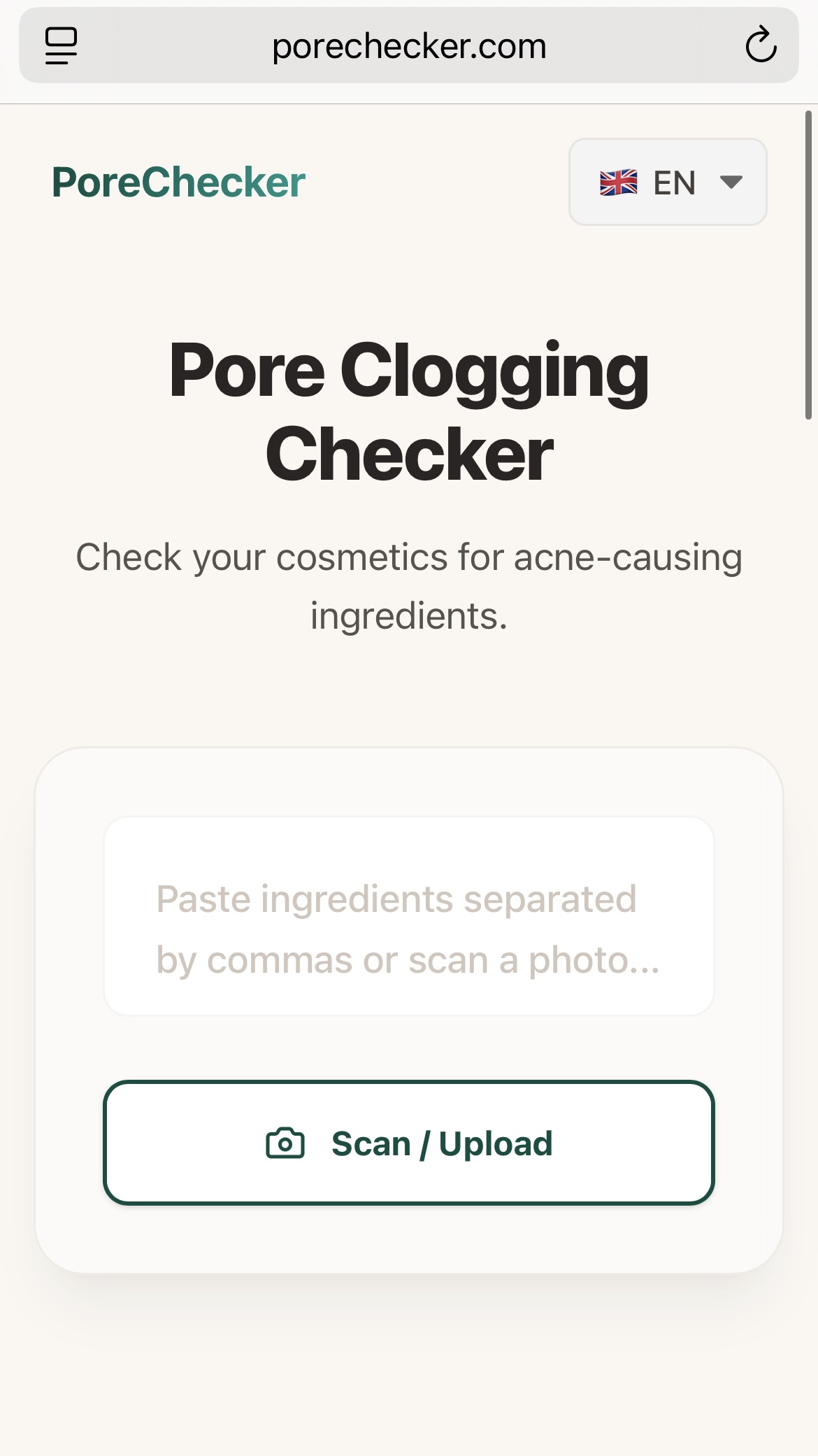
Step 1: Upload Your Product Image
Simply snap a photo of the ingredient list on the back of any bottle, jar, or box. No typing required.
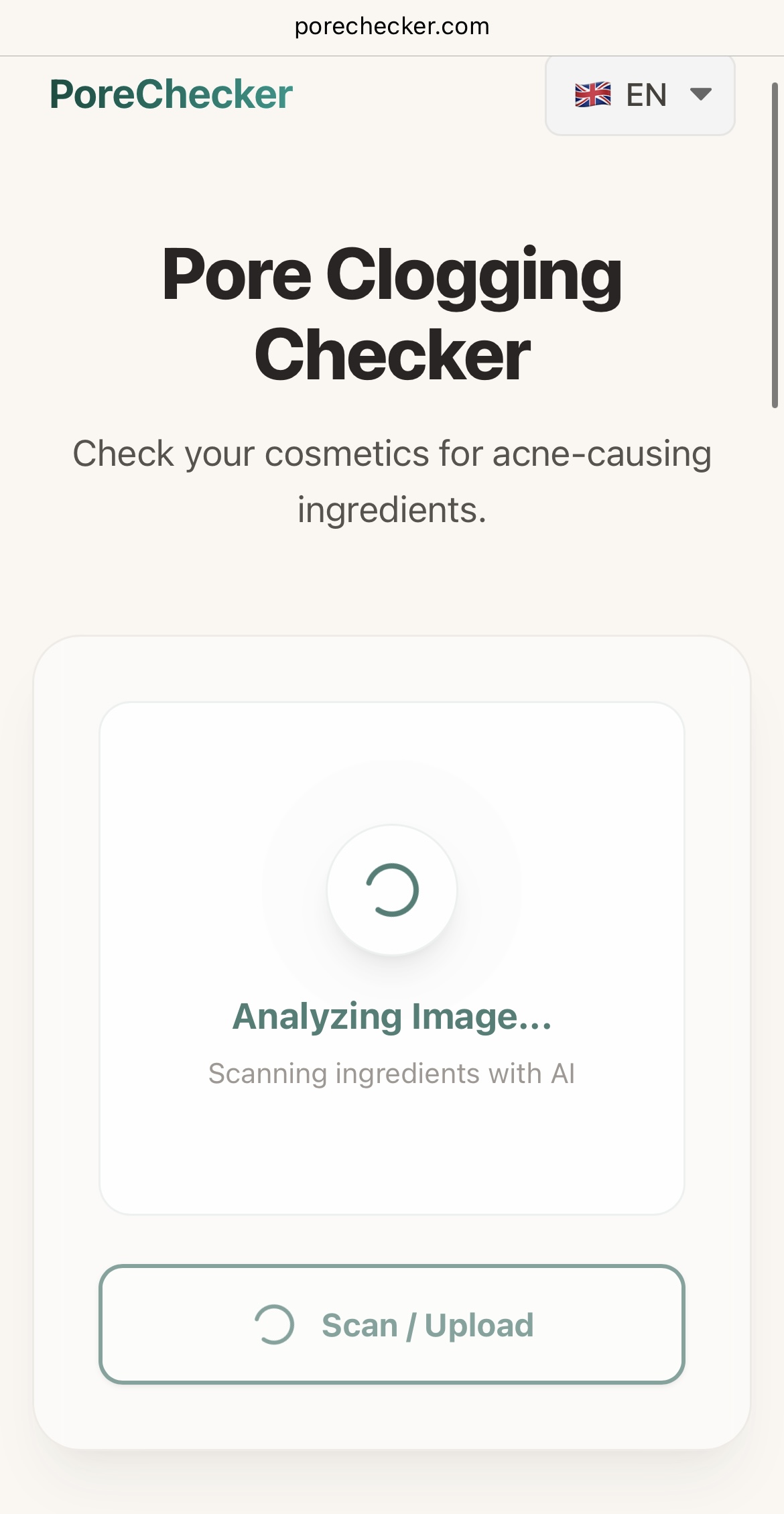
Step 2: Instant AI Ingredient Analysis
Our advanced AI scans the image, performs OCR (Optical Character Recognition), and matches every ingredient against our curated database of comedogenic substances.
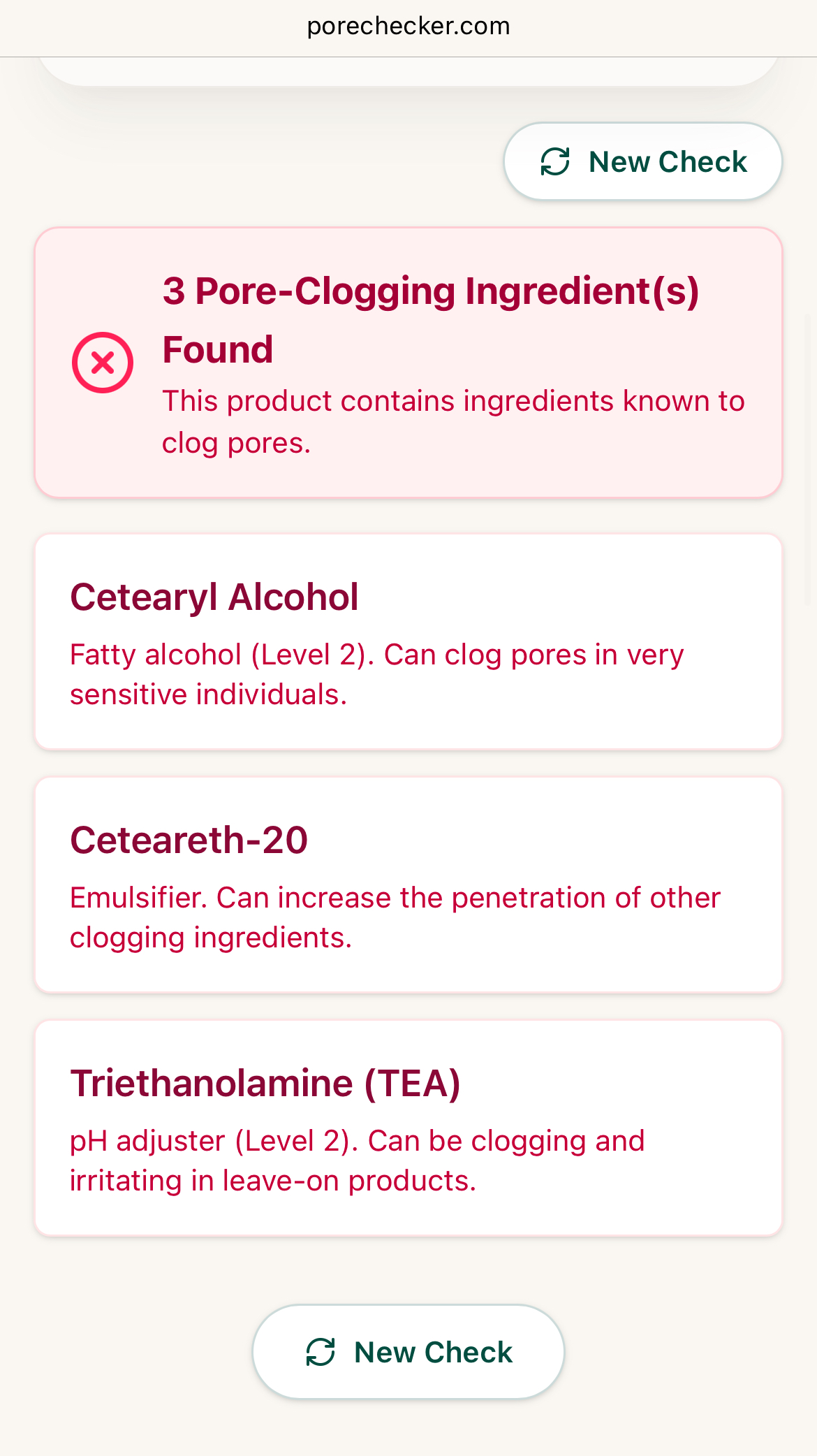
Step 3: Clear Results for Clearer Skin
You get an immediate breakdown. If any red-flag ingredients are found, we highlight them and explain why they might be problematic for your pores.
Does this product fit my skin's needs?
Check Your Products Now