Why Are My Pores So Big? Understanding What Are Pores and How to Minimize Their Appearance
Struggling with enlarged pores? Learn what pores are, what causes them to appear larger, and how to minimize their appearance with expert skincare tips.
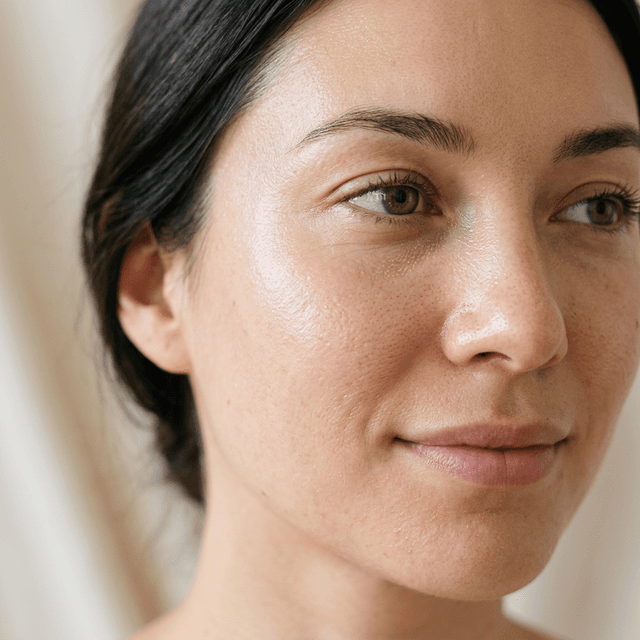
We all want smooth, flawless skin, but sometimes those tiny little openings on our face – pores – can seem like a major obstacle. Understanding what pores are, and why they sometimes appear larger than we'd like, is the first step toward achieving the complexion of your dreams. This isn't just about aesthetics; it's about skin health. Clogged pores can lead to breakouts and inflammation, so taking care of your pores is essential for overall skin well-being.
The good news is that with the right knowledge and skincare routine, you can effectively manage the appearance of your pores. This article will provide you with a science-backed understanding of what pores are, the factors that influence their size, and, most importantly, actionable steps you can take to minimize their appearance. We'll also emphasize the importance of using non-comedogenic products, which are specifically designed to avoid clogging your pores and triggering breakouts.
Let's delve into the fascinating world of pores and uncover the secrets to a smoother, more refined complexion.
What Are Pores, Anyway?
Pores are tiny openings in the skin that serve a crucial function: they are the openings of hair follicles and allow the release of sebum (oil) from sebaceous glands. They are present all over your skin, but are most noticeable on the face, particularly the T-zone (forehead, nose, and chin). The size of your pores is determined by a combination of genetics, age, and lifestyle factors. While you can't completely eliminate pores (nor would you want to, as they are essential), you can definitely manage their appearance.
Sebum's Role
Sebum is a natural oil that moisturizes and protects your skin. However, when the sebaceous glands produce too much sebum, or when dead skin cells and debris accumulate, pores can become clogged. This is what leads to blackheads, whiteheads, and the appearance of enlarged pores. Understanding the balance of sebum production is key.
The Science of Pore Size
Several factors influence the size of your pores. Genetics play a significant role: some people are simply predisposed to having larger pores. Age is another factor; as we age, our skin loses elasticity, which can make pores appear larger. Sun damage can also damage the collagen that supports the skin, making pores more prominent. This is why sun protection is so important.
How to Minimize the Appearance of Pores
Minimizing the appearance of pores involves a multi-pronged approach, focusing on cleansing, exfoliation, and targeted treatments. Consistency is key, and it's important to be patient and listen to your skin. Here's a breakdown of effective strategies:
Gentle Cleansing
Cleanse your face twice daily with a gentle, pH-balanced cleanser to remove dirt, oil, and impurities that can clog pores. Avoid harsh soaps that strip the skin of its natural oils, which can lead to increased sebum production as your skin tries to compensate. Look for cleansers specifically formulated for your skin type, whether it's oily, combination, or sensitive. For example, a cleanser with Salicylic Acid would be a good choice for oily skin types.
Exfoliation is Your Friend
Regular exfoliation helps remove dead skin cells that can clog pores. Chemical exfoliants, such as AHAs (alpha-hydroxy acids) like glycolic acid and BHAs (beta-hydroxy acids) like salicylic acid, are particularly effective. Start slowly and gradually increase the frequency of use as your skin tolerates it. Physical exfoliants, such as scrubs, can also be used, but be gentle to avoid irritation.
Targeted Treatments
Incorporate products containing ingredients that specifically target pores. Retinoids, derived from vitamin A, can help increase cell turnover and reduce pore size. Niacinamide (vitamin B3) can help regulate sebum production and minimize the appearance of pores. Clay masks can help absorb excess oil and purify pores.
Sun Protection is Non-Negotiable
Sun damage breaks down collagen, which supports the skin and affects pore size. Always wear a broad-spectrum sunscreen with an SPF of 30 or higher to protect your skin from sun damage. Even on cloudy days, UV rays can damage the skin, so make sunscreen a non-negotiable part of your daily routine. Reapply every two hours, especially if you're spending time outdoors.
Hydration from Within
Drinking enough water helps to keep your skin hydrated, plump, and healthy. Dehydrated skin can sometimes appear dull, which can make pores more noticeable. Aim for at least eight glasses of water per day, and consider incorporating hydrating skincare products like hyaluronic acid.
Lifestyle Adjustments
Some lifestyle factors can affect pore size. Avoid smoking, which can damage collagen and elastin. Manage stress, as stress can trigger hormonal imbalances that affect skin health. Ensure you're getting adequate sleep, as your skin repairs itself while you sleep.
Don't Let Your Products Ruin Your Progress
You've started a great skincare routine, but all your hard work can be undone if you're using products that are actually *contributing* to clogged pores. Many skincare and makeup products contain ingredients that can be pore-clogging, also known as comedogenic. These ingredients can build up in your pores, leading to breakouts and making your pores appear larger and more prominent. Being diligent about checking your product labels for pore-clogging offenders is key. It's often difficult to memorize all the potentially problematic ingredients, so you can leverage online tools to help you identify which ingredients might be a problem for your skin type.
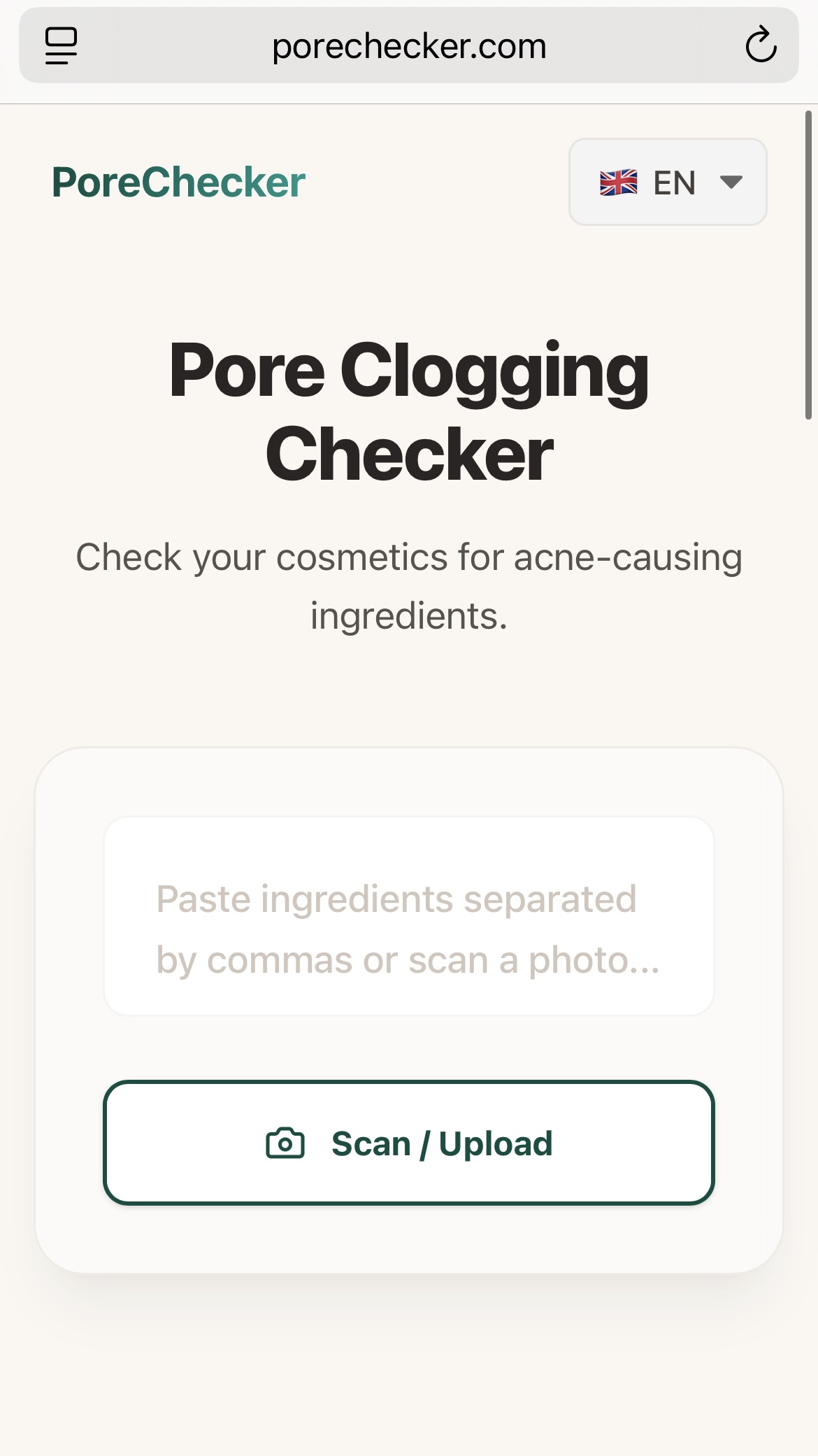
Step 1: Upload Your Product Image
Simply snap a photo of the ingredient list on the back of any bottle, jar, or box. No typing required.
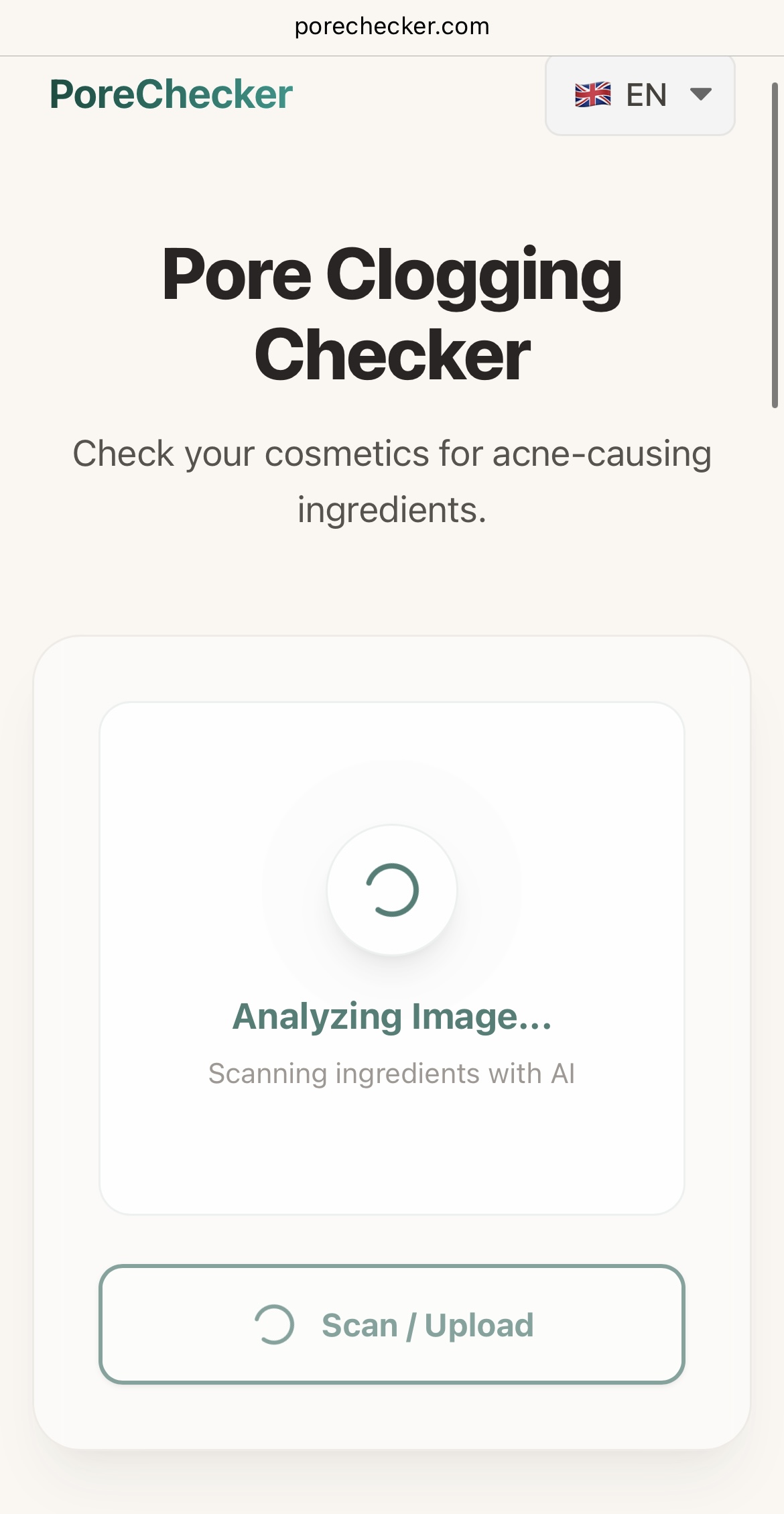
Step 2: Instant AI Ingredient Analysis
Our advanced AI scans the image, performs OCR (Optical Character Recognition), and matches every ingredient against our curated database of comedogenic substances.
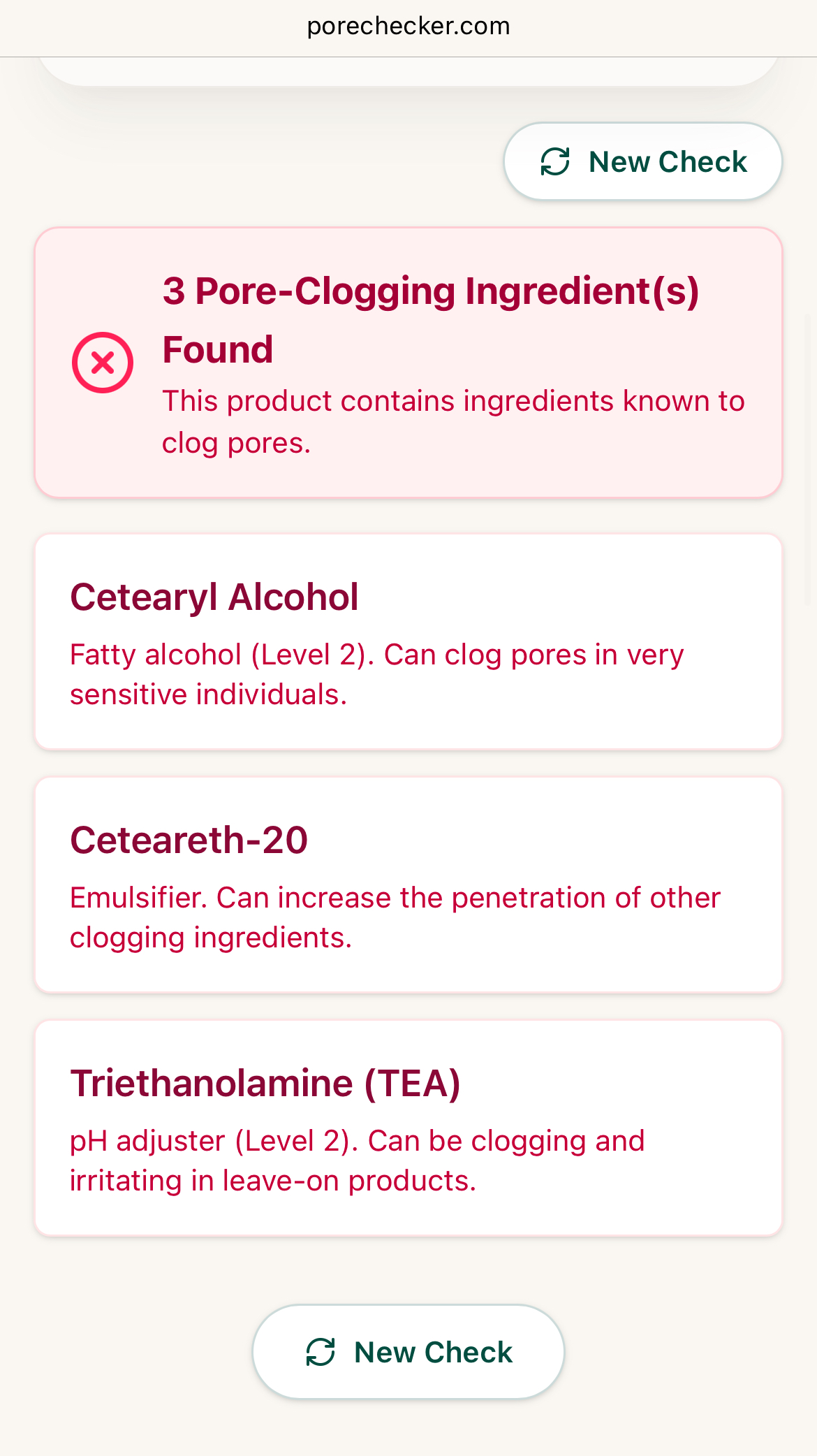
Step 3: Clear Results for Clearer Skin
You get an immediate breakdown. If any red-flag ingredients are found, we highlight them and explain why they might be problematic for your pores.
Does this product fit my skin's needs?
Check Your Products Now