Why Are My Pores So Big? Unveiling the Science of Pore Size
Frustrated with enlarged pores? Discover the science behind pore size and learn effective strategies to minimize their appearance. Expert skincare advice inside!
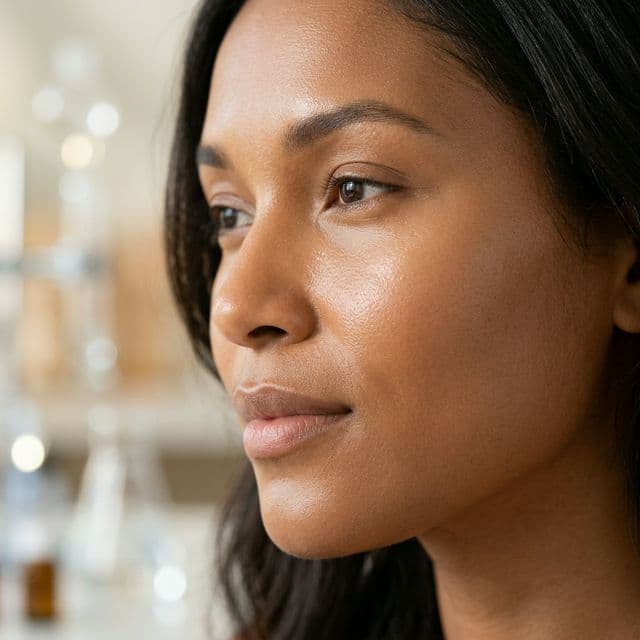
The quest for smooth, flawless skin often leads us to scrutinize our pores. "Why are my pores so big?" is a question many of us ask, especially when we're facing persistent blackheads, blemishes, and an uneven skin texture. The size of our pores is primarily determined by genetics and, unfortunately, is not something we can drastically change. However, there are numerous strategies and diligent skincare practices we can implement to minimize their appearance and keep them clear.
Understanding the factors influencing pore size allows us to take proactive steps to maintain healthy, balanced skin. Crucially, this involves adopting a non-comedogenic skincare routine – one that won't clog pores. This means carefully choosing products that are specifically formulated not to block pores, allowing your skin to breathe and function optimally. Remember, a focus on prevention is key.
The Science Behind Pores
Pores are the tiny openings on our skin that release sebum, the natural oil that keeps our skin moisturized. They also serve as the pathway for sweat and are connected to hair follicles. The size of your pores is mainly determined by genetics. If your parents have larger pores, you're more likely to have them too. Additionally, factors like age, sun damage, and skin type can influence how visible your pores appear.
Skin Type and Pore Size
Individuals with oily skin typically have more prominent pores because their skin produces more sebum. This excess oil, combined with dead skin cells and debris, can easily clog pores, leading to blackheads and enlarged pore appearance. Conversely, those with drier skin may have less visible pores, although this doesn't mean they're immune to pore-related concerns.
The Impact of Age and Sun Exposure
As we age, our skin loses collagen and elastin, proteins that provide structure and elasticity. This loss can cause pores to appear larger. Sun damage accelerates this process, weakening the skin's support system and increasing pore size. Consistent sun protection is, therefore, crucial in mitigating these effects. Using a broad-spectrum sunscreen daily is one of the most effective anti-aging strategies you can employ.
Effective Strategies for Minimizing Pore Appearance
While you can't completely eliminate pores, several strategies can significantly minimize their appearance and improve skin texture. A consistent skincare routine, tailored to your skin type, is the cornerstone of any successful pore-minimizing effort.
Cleansing and Exfoliation
Gentle cleansing twice a day is essential to remove excess oil, dirt, and impurities that can clog pores. Regular exfoliation, either with chemical exfoliants like AHAs (alpha hydroxy acids) or BHAs (beta hydroxy acids), helps to remove dead skin cells and clear out pores. However, be cautious not to over-exfoliate, as this can lead to irritation and inflammation.
Targeted Treatments
Products containing retinol or retinoids can help to increase cell turnover, reduce the appearance of pores, and improve skin texture. Similarly, ingredients like niacinamide can help regulate oil production and minimize pore size. Incorporate these into your routine gradually, starting with a low concentration to avoid potential irritation.
Non-Comedogenic Products
Choosing non-comedogenic products is paramount. This means selecting skincare and makeup products specifically formulated to avoid clogging pores. Look for labels that explicitly state "non-comedogenic" or "oil-free." Read the ingredient lists carefully, and avoid products containing comedogenic ingredients (pore-clogging). Common culprits include heavy oils, certain waxes, and some silicone-based ingredients.
Lifestyle Adjustments
Your lifestyle also plays a significant role. Staying hydrated, eating a balanced diet, and getting adequate sleep contribute to overall skin health. Avoiding smoking and excessive alcohol consumption is also crucial, as these can negatively impact your skin. Reducing stress levels can also positively affect your skin, as stress can sometimes trigger increased oil production.
Don't Let Your Products Ruin Your Progress
You've established a solid skincare routine, incorporated targeted treatments, and are vigilant about cleansing and exfoliating. But what if you're still not seeing the results you want? The answer might lie in the products you’re using. Many seemingly innocuous skincare items contain ingredients that can clog pores, counteracting your efforts. The key is to scrutinize every product’s ingredient list, even those labelled as "non-comedogenic". It's a good idea to research common pore-clogging ingredients. Fortunately, resources are available to help you quickly identify potential culprits in your current routine. These tools empower you to make informed decisions and create a truly effective skincare regimen.
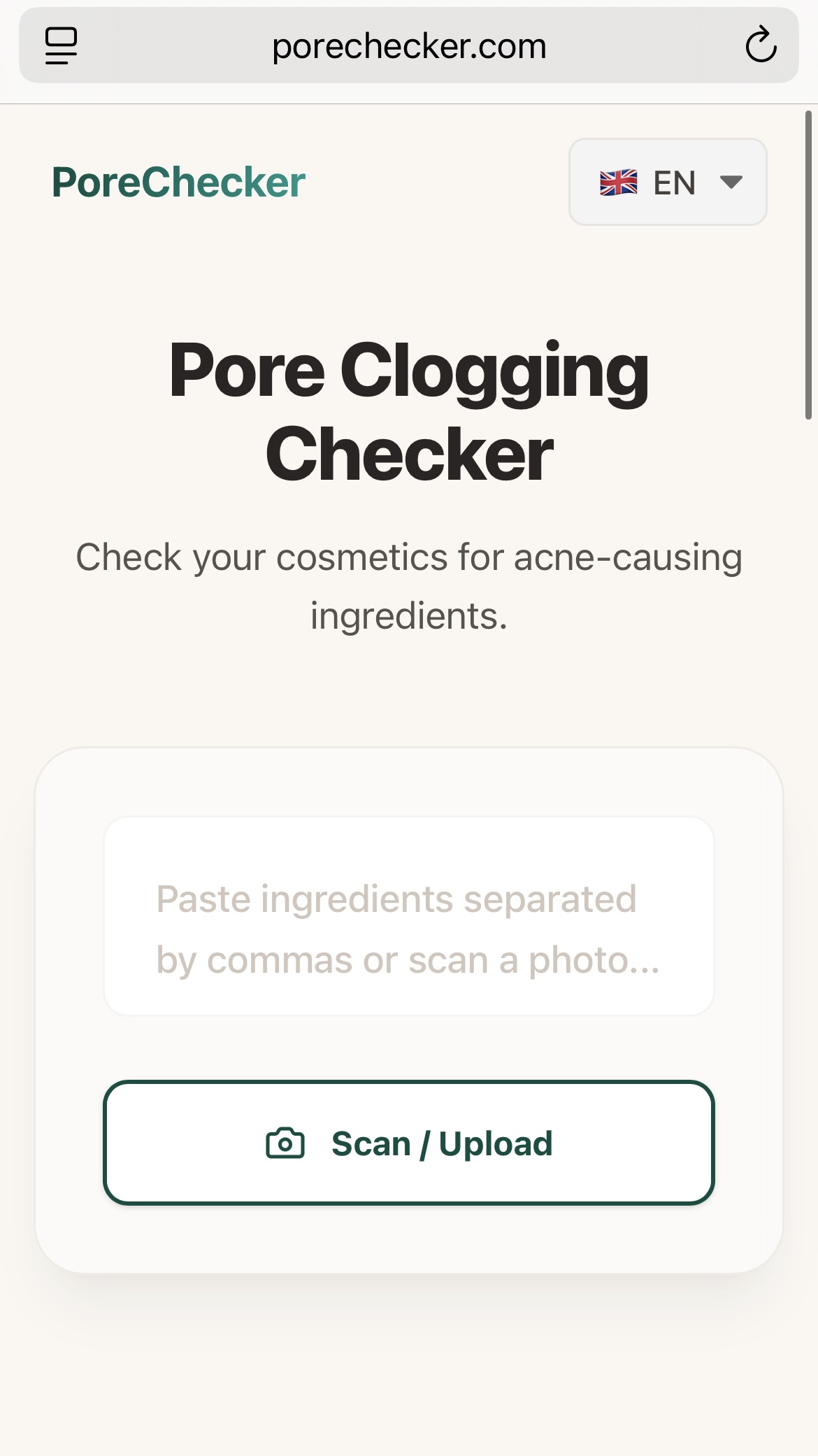
Step 1: Upload Your Product Image
Simply snap a photo of the ingredient list on the back of any bottle, jar, or box. No typing required.
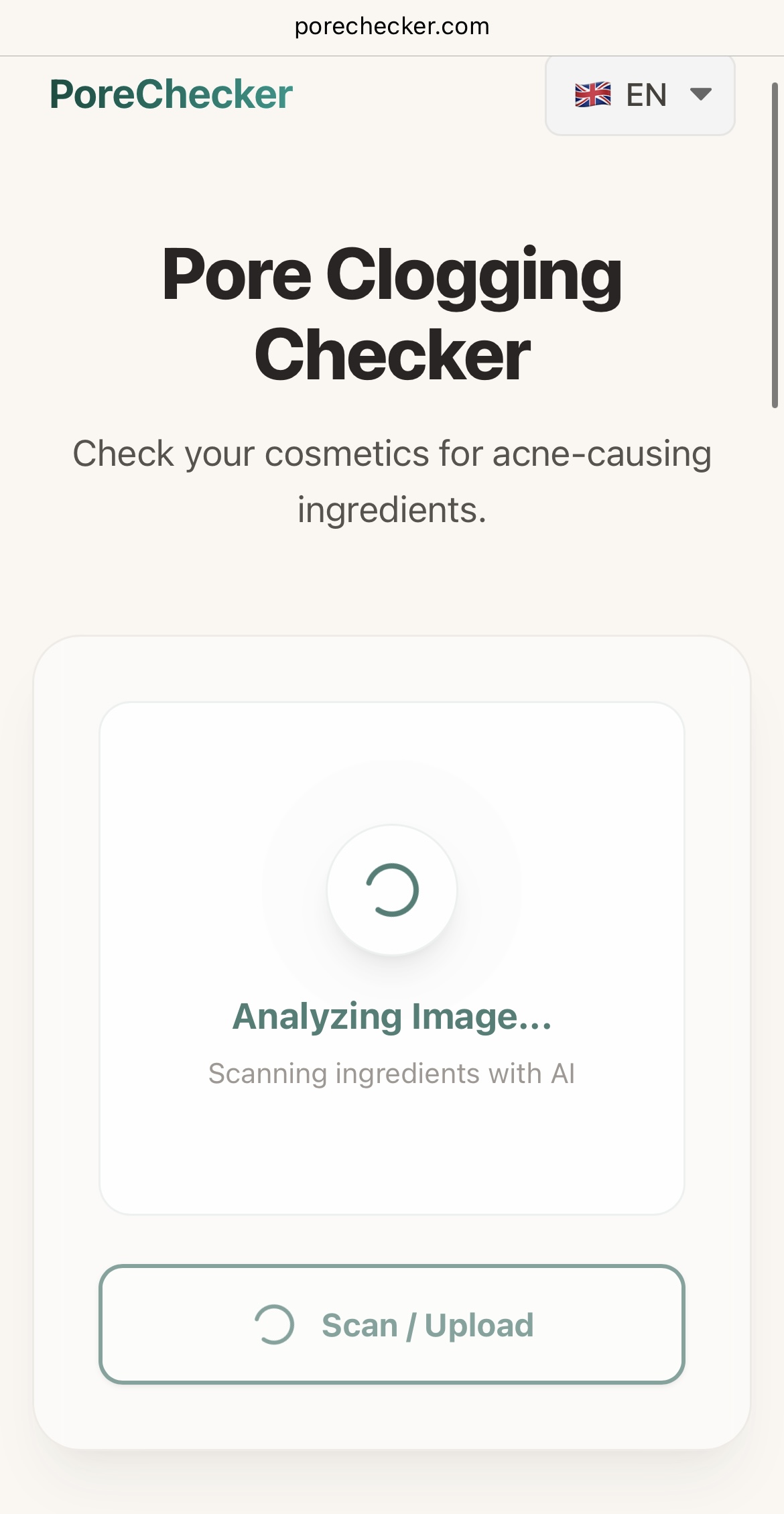
Step 2: Instant AI Ingredient Analysis
Our advanced AI scans the image, performs OCR (Optical Character Recognition), and matches every ingredient against our curated database of comedogenic substances.
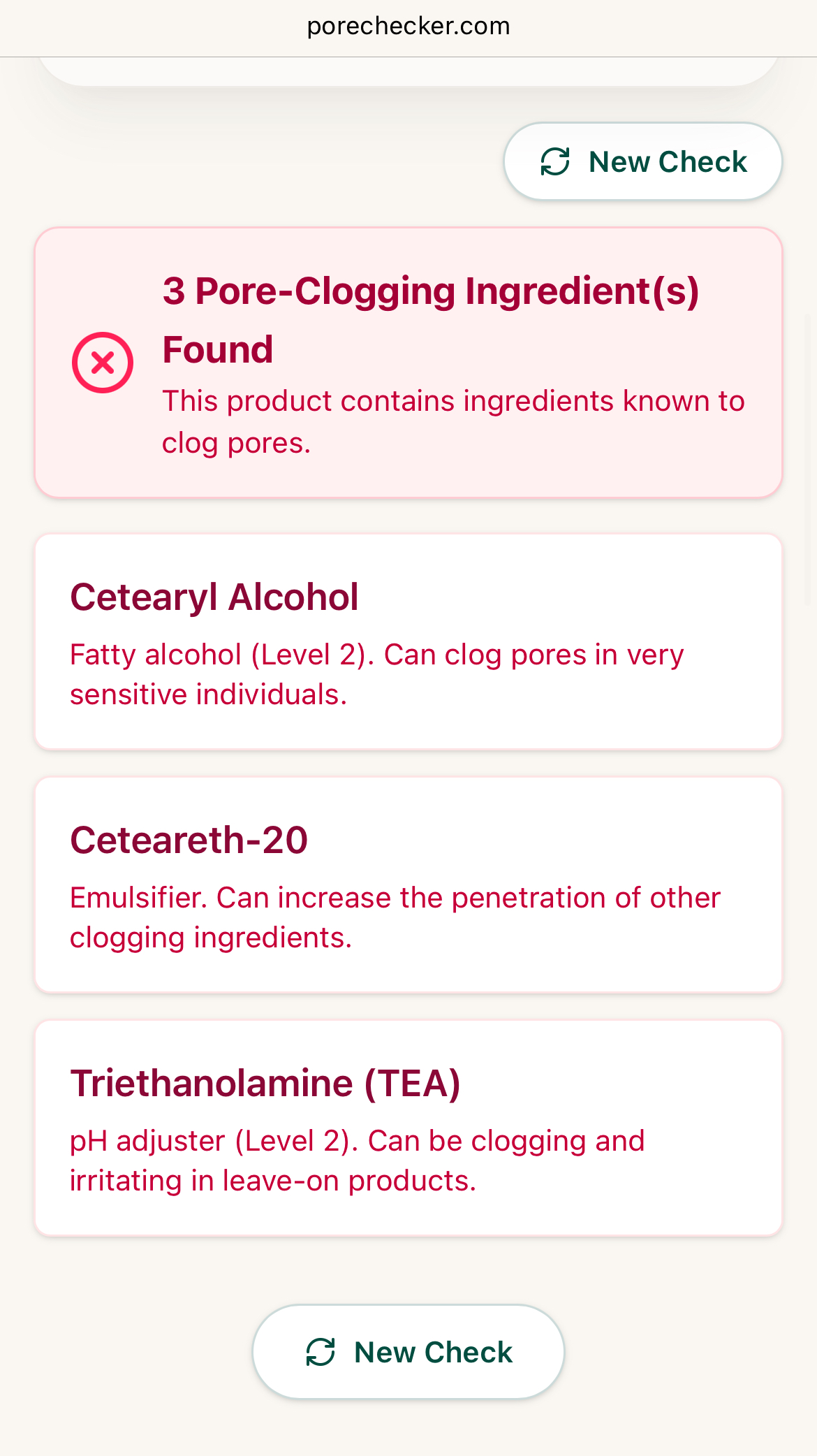
Step 3: Clear Results for Clearer Skin
You get an immediate breakdown. If any red-flag ingredients are found, we highlight them and explain why they might be problematic for your pores.
Does this product fit my skin's needs?
Check Your Products Now