Why Do Babies Get Acne and How Should You Treat It?
Discover why do babies get acne, the role of maternal hormones, and how to safely manage newborn skin without clogging pores.

It is often jarring for new parents to notice red bumps or pustules on their newborn’s otherwise flawless skin. While we associate breakouts with puberty and adulthood, newborn acne—technically known as neonatal cephalic pustulosis—is a frequent occurrence that typically appears within the first few weeks of life. Seeing your baby’s delicate complexion affected by these blemishes can cause unnecessary alarm, yet it is almost always a benign and temporary condition that resolves on its own.
Understanding that this is a physiological process rather than a hygienic failing is key. The skin of an infant is significantly thinner and more permeable than that of an adult, making it highly reactive to external and internal stimuli. Adopting a non-comedogenic care routine is the gold standard for managing these breakouts, as using harsh products or heavy occlusives can inadvertently exacerbate the issue rather than soothe it.
The Hormonal Connection
The primary reason behind neonatal breakouts is the influence of maternal hormones. During the final stages of pregnancy, these hormones cross the placenta and enter the baby’s circulation. Once the baby is born, these hormones stimulate the sebaceous glands to produce oil, even though the glands are not yet fully mature. This surge in sebum can lead to clogged hair follicles, manifesting as those familiar tiny whiteheads or red papules.
Differentiating Acne from Other Conditions
It is vital to distinguish between true neonatal acne and other common pediatric skin conditions. While acne is usually confined to the cheeks, nose, and forehead, conditions like heat rash, eczema, or milia look quite different under a clinical light. Milia, for example, are tiny, firm white cysts caused by trapped keratin rather than excess oil. If the rash appears to be spreading rapidly, weeping, or causing the baby obvious discomfort, a consultation with a pediatrician is always the correct course of action.
Managing Sensitive Newborn Skin
The most important rule when managing baby acne is simple: less is more. Attempting to scrub the skin or using over-the-counter acne medications designed for teenagers or adults will cause significant irritation and damage to the infant’s compromised skin barrier. Instead, focus on cleansing with lukewarm water and a mild, fragrance-free, soap-free cleanser. Gentle hydration is acceptable, but only if the formula is specifically designed for sensitive infant skin and lacks heavy oils or common irritants.
Don't Let Your Products Ruin Your Progress
Even when we strive to keep our baby's skincare routine minimal, hidden pore-cloggers can sneak into the products we use daily. Ingredients such as certain fatty acids, lanolin, or specific plant-based oils can be highly comedogenic, trapping oil within the follicle just as the hormonal acne begins to settle. When you are nursing or cuddling your baby, the products you apply to your own skin can also transfer to your infant, potentially contributing to their skin inflammation. It is essential to screen your skincare formulations for potential triggers to ensure that your efforts to nurture their delicate barrier aren't being sabotaged by the very products intended to help.
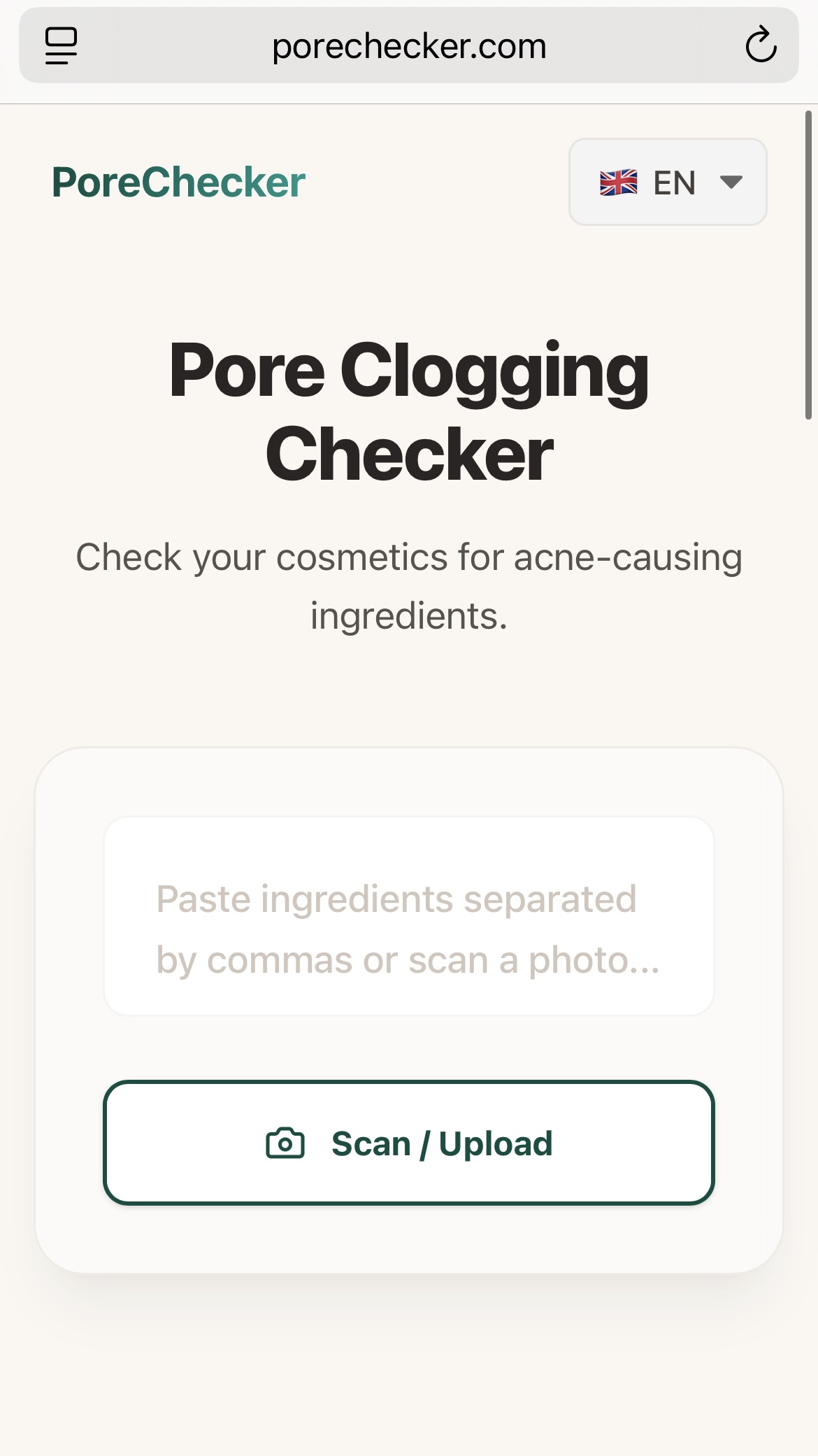
Step 1: Upload Your Product Image
Simply snap a photo of the ingredient list on the back of any bottle, jar, or box. No typing required.
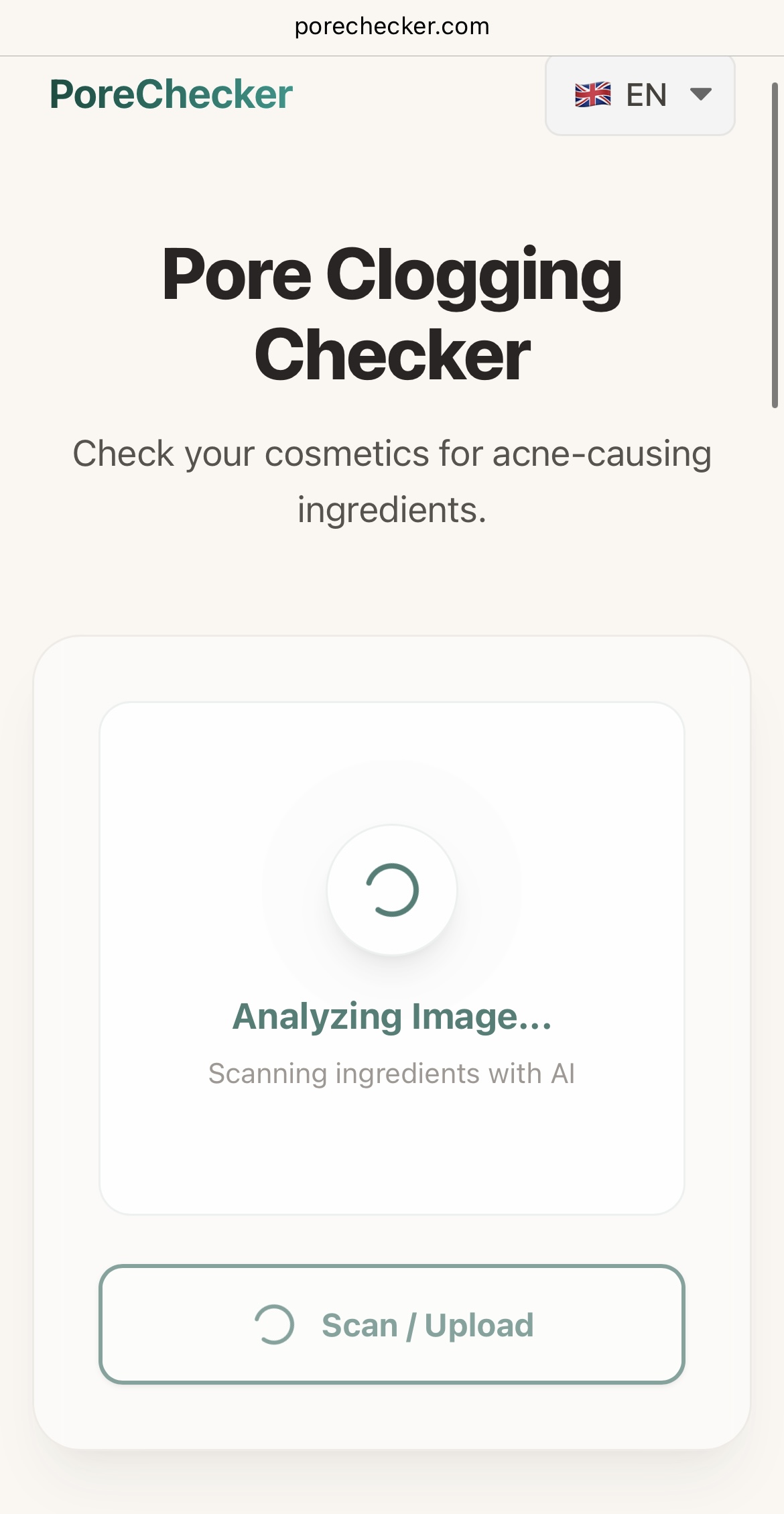
Step 2: Instant AI Ingredient Analysis
Our advanced AI scans the image, performs OCR (Optical Character Recognition), and matches every ingredient against our curated database of comedogenic substances.
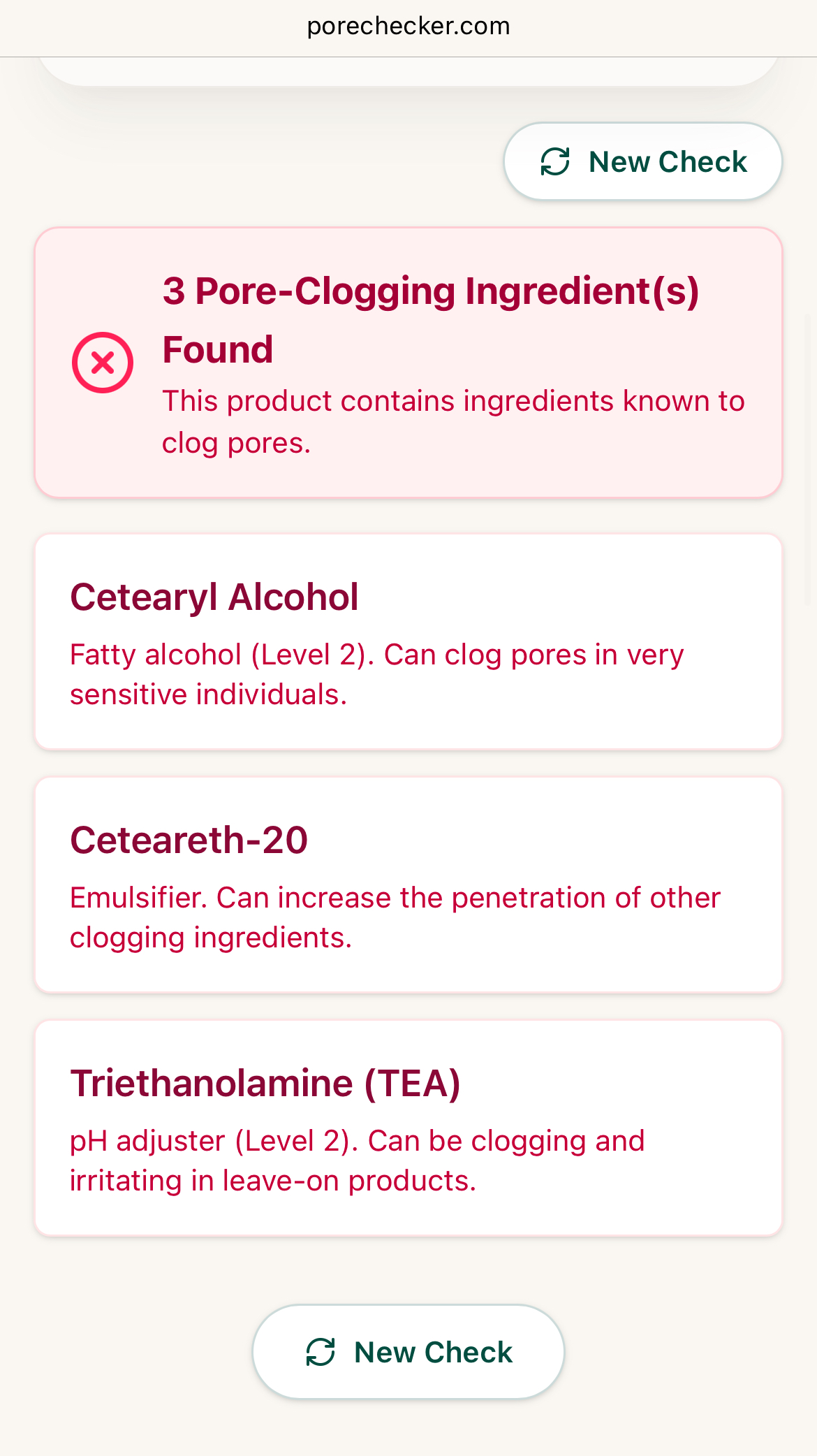
Step 3: Clear Results for Clearer Skin
You get an immediate breakdown. If any red-flag ingredients are found, we highlight them and explain why they might be problematic for your pores.
Does this product fit my skin's needs?
Check Your Products Now