Why Do I Have Back Acne? Unveiling the Causes and Finding Clear Skin
Struggling with back acne? Discover the common causes behind those frustrating breakouts and learn effective strategies for achieving clearer, smoother skin.
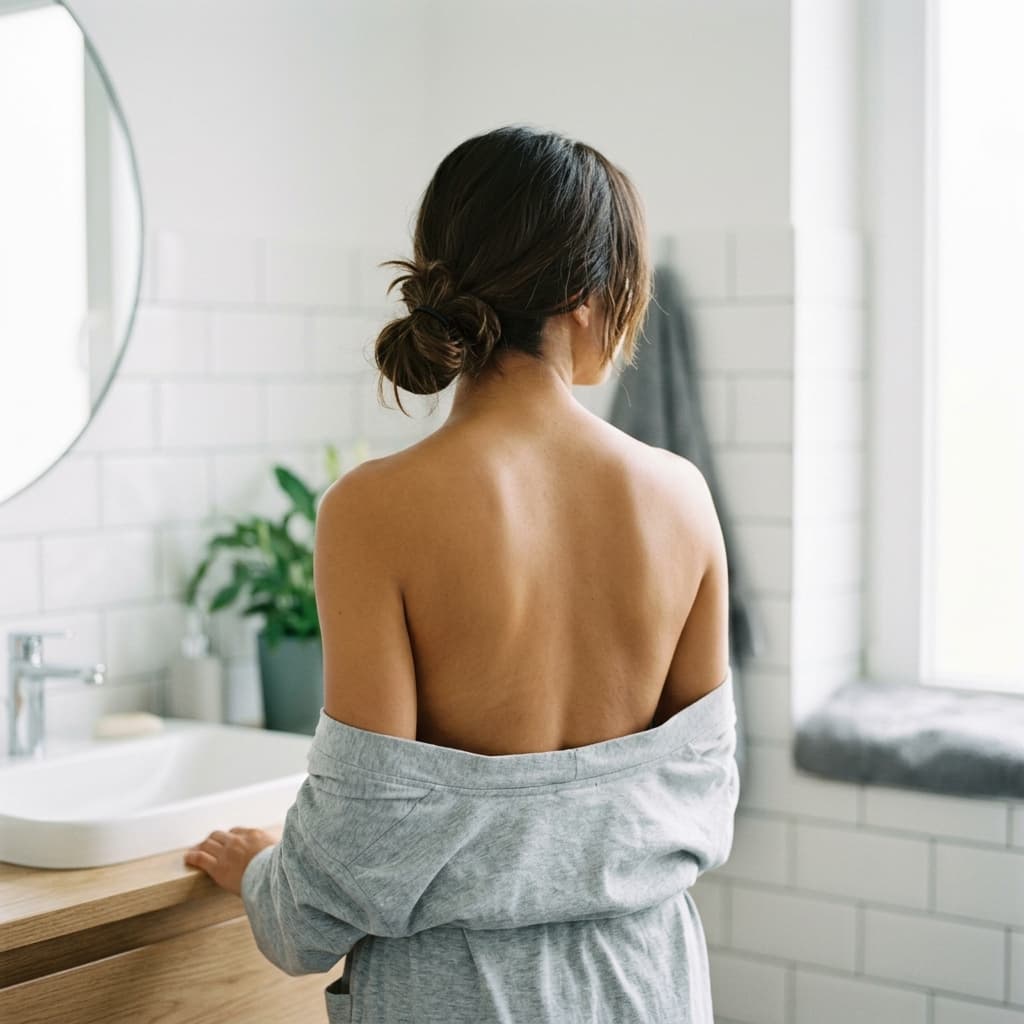
Back acne, often referred to as "bacne," can be a source of frustration and self-consciousness. It's characterized by pimples, blackheads, and sometimes even deeper, inflamed lesions that appear on the back. While it shares similarities with facial acne, bacne presents unique challenges due to the skin's thickness and the areas of the body that are often occluded by clothing. Understanding the root causes is the first step toward effective treatment and prevention. The key often lies in adopting a non-comedogenic approach, meaning choosing skincare and body care products that won't clog your pores.
This article will explore the common reasons behind back acne, providing insights into the biological processes involved and actionable steps you can take to manage and improve your skin's condition. We'll delve into everything from the impact of sweat and friction to the often-overlooked role of certain ingredients in your skincare routine. The goal is to equip you with the knowledge you need to take control of your bacne and achieve clearer, healthier skin on your back.
The Science Behind Back Acne
Acne, regardless of where it appears, is primarily caused by a combination of factors. The most prominent is the overproduction of sebum, an oily substance produced by the sebaceous glands. This excess sebum, coupled with dead skin cells and bacteria (specifically *Cutibacterium acnes*, formerly *Propionibacterium acnes*), clogs the hair follicles, leading to the formation of acne lesions. On the back, several contributing factors make this process more pronounced.
Sweat and Friction
The back is prone to sweating, especially during physical activity or in hot weather. Sweat itself doesn't directly cause acne, but it can exacerbate the problem. When sweat mixes with sebum and dead skin cells, it creates an environment ripe for bacteria to thrive. Additionally, friction from clothing, backpacks, or even lying on certain surfaces can irritate the skin, leading to inflammation and increased pore blockage.
Clothing and Material Irritants
Certain fabrics can contribute to back acne. Tight-fitting clothing, especially made from synthetic materials like polyester or nylon, can trap sweat and heat against the skin. These materials don't allow the skin to breathe, creating a humid environment that promotes bacterial growth. Natural fibers like cotton are generally better, but even these can trap sweat if not changed regularly after workouts.
Hidden Culprits: Skincare and Hair Products
The products you use on your hair and body can significantly impact your back acne. Many shampoos, conditioners, body washes, and lotions contain ingredients that can clog pores, known as comedogenic ingredients. These can range from heavy oils to certain silicones. When these products are rinsed off, they can leave behind residue on your back, leading to breakouts. Even certain laundry detergents and fabric softeners can cause reactions.
Hormonal Influences
Hormonal fluctuations, particularly increases in androgens (male hormones), can stimulate the sebaceous glands to produce more sebum. This is a common factor during puberty, menstruation, and pregnancy. While you can't always control your hormones, understanding their influence is important in tailoring your skincare approach.
Effective Strategies for Clearer Skin
Treating back acne involves a multi-pronged approach that addresses the underlying causes. Consistency and patience are key, as it can take several weeks or months to see significant improvement. Here's a breakdown of effective strategies:
Cleansing and Exfoliation
Gentle yet effective cleansing is crucial. Use a non-comedogenic body wash, preferably one containing ingredients known to fight acne, such as salicylic acid or benzoyl peroxide. Exfoliation helps to remove dead skin cells that can clog pores. A loofah or gentle scrub can be used a few times a week, but avoid harsh scrubbing, which can irritate the skin. Consider chemical exfoliants containing AHAs or BHAs.
Targeted Treatments
Over-the-counter treatments containing benzoyl peroxide or salicylic acid can be effective for mild to moderate bacne. Benzoyl peroxide kills acne-causing bacteria, while salicylic acid exfoliates and unclogs pores. For more severe cases, a dermatologist can prescribe stronger medications, such as topical retinoids or oral antibiotics.
Lifestyle Adjustments
Several lifestyle changes can help improve back acne. Shower immediately after workouts or activities that cause you to sweat. Choose loose-fitting clothing made from breathable fabrics. Wash your workout clothes and bed linens frequently. Stay hydrated, as this can help support overall skin health. Avoid picking or squeezing pimples, as this can worsen inflammation and lead to scarring.
Product Selection and Ingredient Awareness
Pay close attention to the ingredients in your skincare, haircare, and laundry products. Opt for non-comedogenic formulations that are specifically designed not to clog pores. Avoid products that contain heavy oils, lanolin, or certain synthetic ingredients. Read labels carefully and familiarize yourself with potential pore-clogging culprits.
Don't Let Your Products Ruin Your Progress
It's easy to focus on treatments and routines, but the products you use every day can make or break your efforts to clear your back acne. Many seemingly innocuous ingredients, lurking in your body washes, lotions, or even your laundry detergent, can contribute to breakouts. These hidden pore-cloggers slowly undo all the good work you’re doing with your treatment. The key to successful bacne management is being a savvy consumer, able to identify which products might be sabotaging your clear-skin goals.
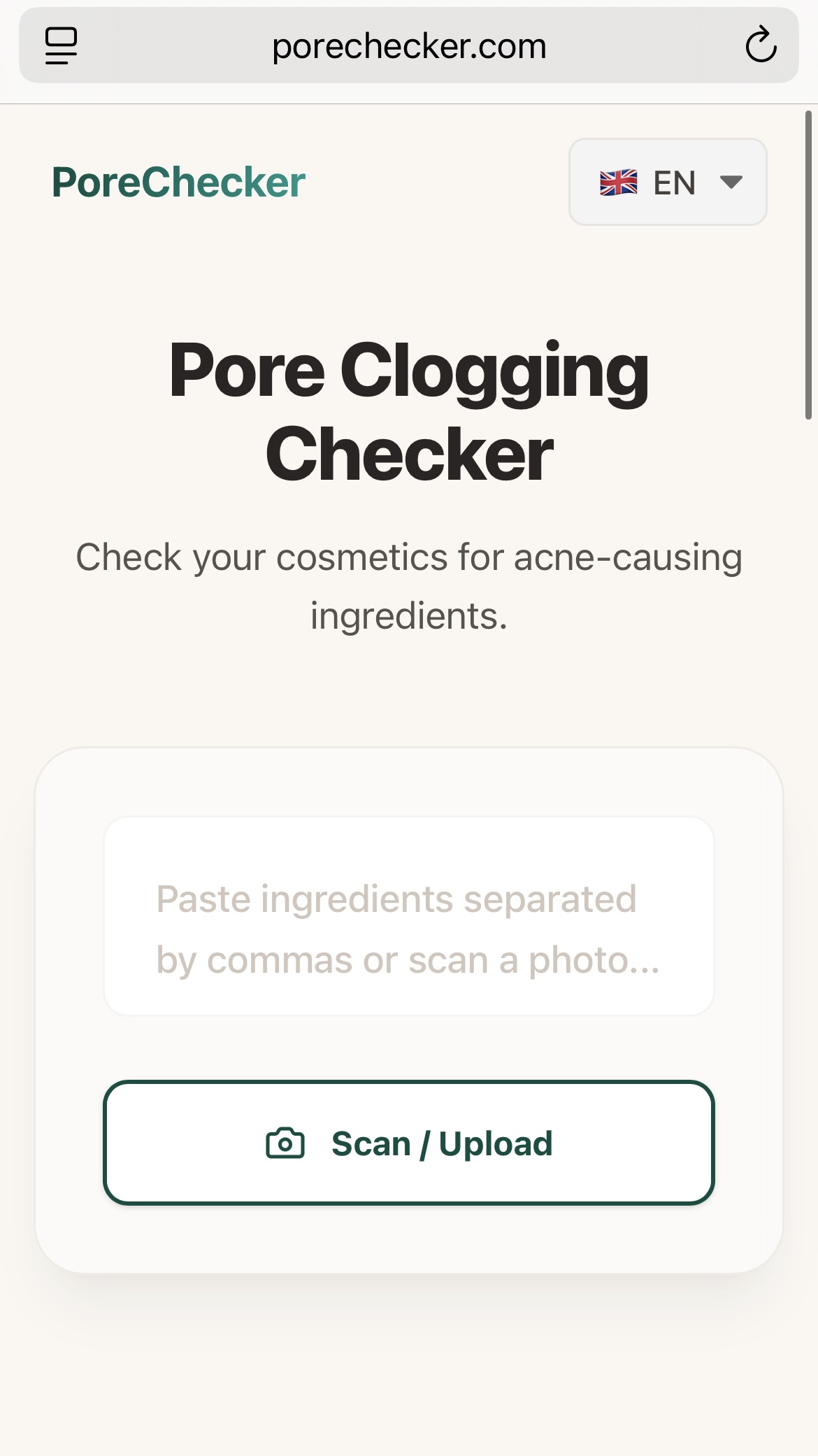
Step 1: Upload Your Product Image
Simply snap a photo of the ingredient list on the back of any bottle, jar, or box. No typing required.
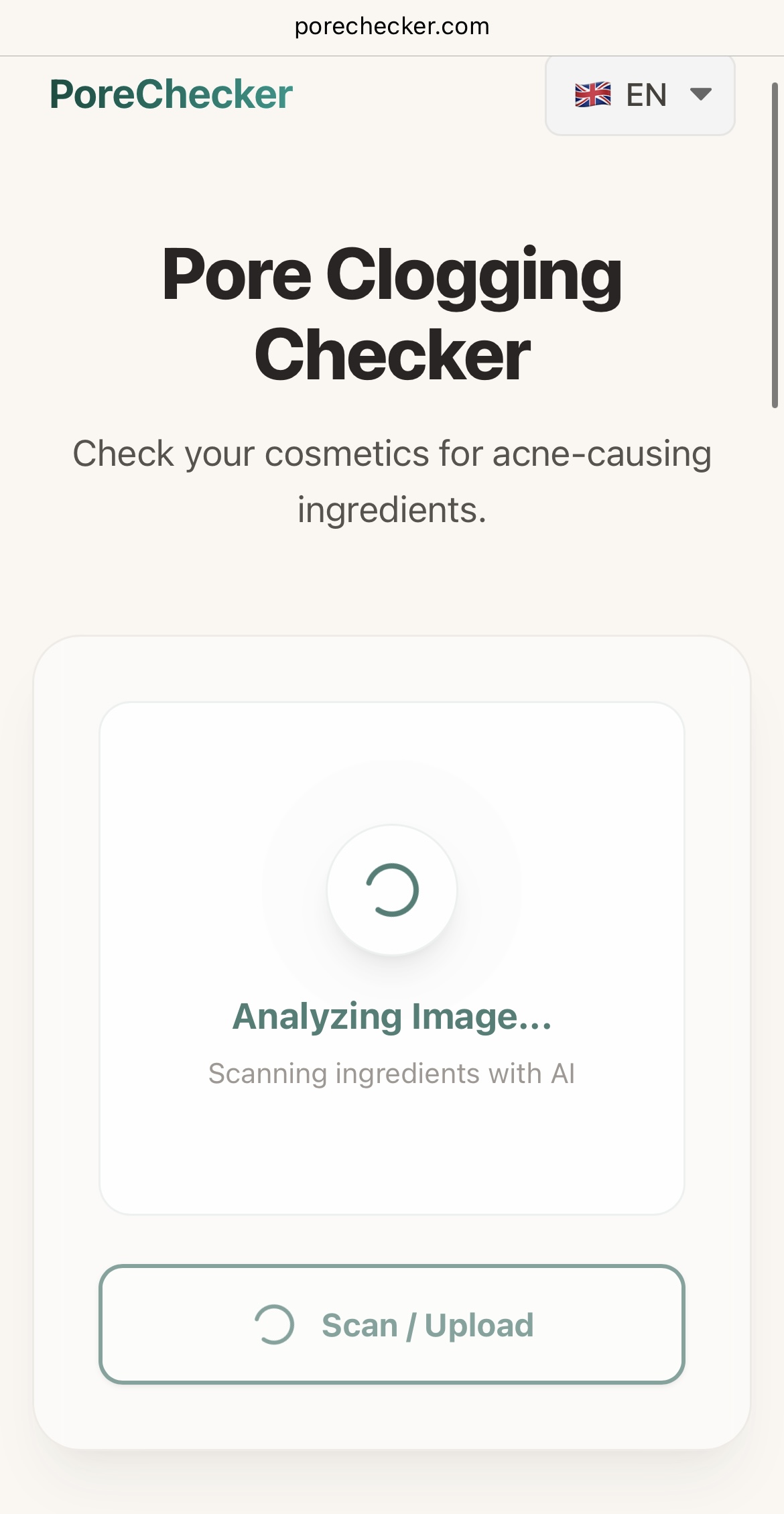
Step 2: Instant AI Ingredient Analysis
Our advanced AI scans the image, performs OCR (Optical Character Recognition), and matches every ingredient against our curated database of comedogenic substances.
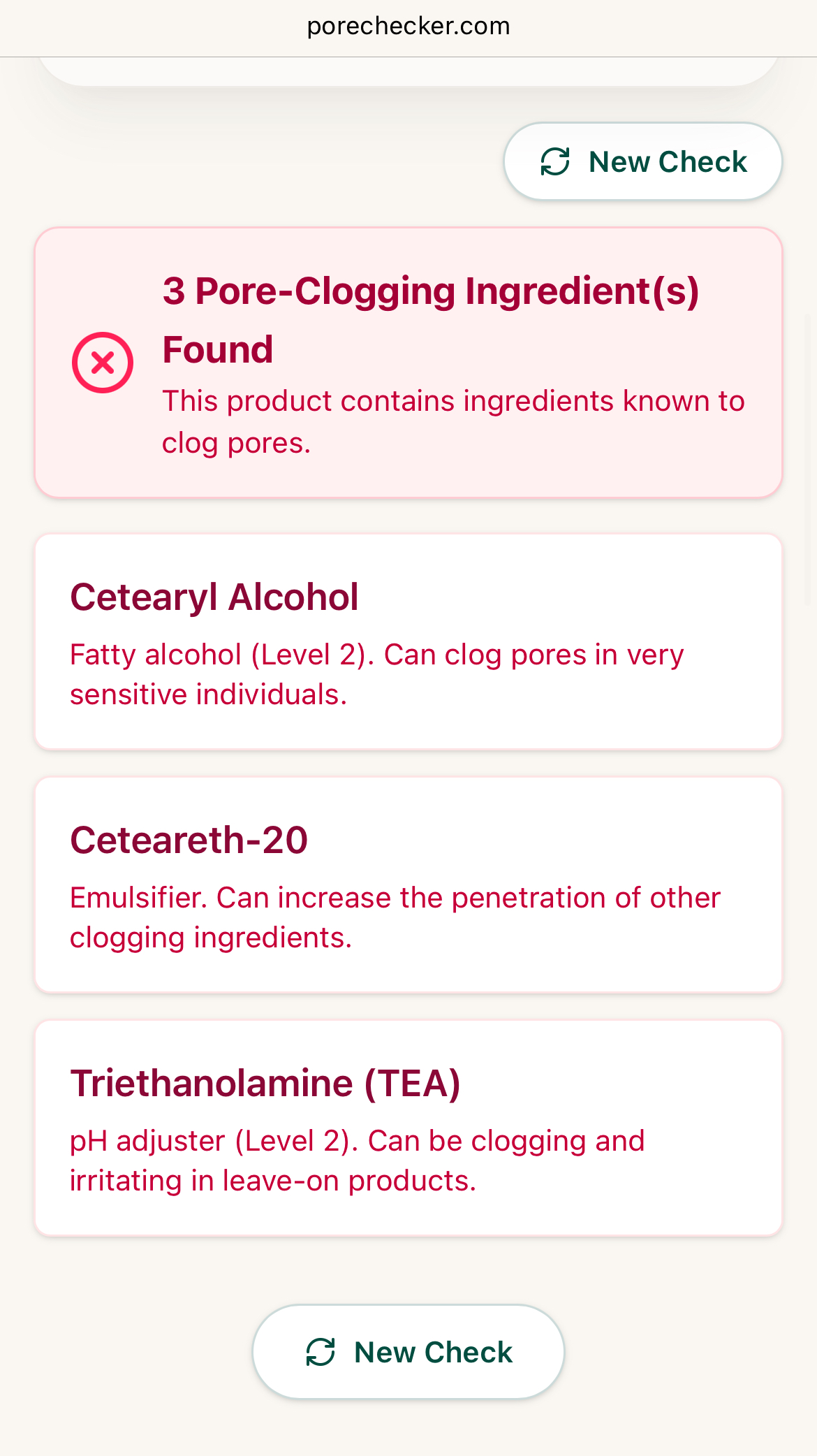
Step 3: Clear Results for Clearer Skin
You get an immediate breakdown. If any red-flag ingredients are found, we highlight them and explain why they might be problematic for your pores.
Does this product fit my skin's needs?
Check Your Products Now