Why Does My Acne Itch? Understanding Your Skin’s Distress Signals
Experiencing itchy breakouts? Learn the scientific reasons behind why does my acne itch and how to restore your skin barrier today.
It is common to associate acne solely with inflammation, redness, and pain. However, when patients ask me, "why does my acne itch," they are often highlighting a symptom that points toward a compromised skin barrier or an external irritant. While inflammatory lesions naturally involve a release of chemical mediators that can trigger a sensory response, persistent itching is rarely just part of the acne process; it is a signal that your skin is crying out for balance.
The sensation of pruritus—the clinical term for itching—in the context of acne often suggests that the skin's protective lipid mantle has been stripped away. In our pursuit of aggressive treatment, we frequently over-exfoliate or apply potent actives to sensitive, broken skin. Choosing non-comedogenic care is not just about preventing new clogs; it is about respecting the integrity of the barrier so that existing lesions can heal without the added irritation that causes that familiar, frustrating itch.
The Science Behind the Itch
At a physiological level, an itchy breakout often occurs because the skin’s surface is dehydrated or inflamed. When the stratum corneum, the outermost layer of your skin, is damaged, nerve endings become hyper-sensitive to even minor environmental triggers like sweat, heat, or fabrics. If you are using harsh surfactants or high concentrations of salicylic acid or benzoyl peroxide, you may be creating a feedback loop where the treatment intended to clear the pore is simultaneously causing the inflammation that leads to the itch.
Micro-Inflammation and Histamine
Acne is an inflammatory condition, and in some cases, the body’s immune response to the bacteria C. acnes can cause a localized release of histamine. This is more common in cystic or deeply embedded acne. If you notice swelling combined with an intense urge to scratch, your skin is likely in a reactive state. Scratching, however, is counterproductive. It physically disrupts the lesion, pushes bacteria deeper into the dermis, and risks long-term scarring and post-inflammatory hyperpigmentation.
Hidden Irritants in Your Routine
Sometimes, the culprit isn’t the acne itself, but the products you are applying to treat it. Many popular acne-fighting lotions contain fragrance, essential oils, or denatured alcohol, all of which are common sensitizers. If your skin feels tight, flaky, or itchy after application, it is a hallmark sign of contact dermatitis rather than just the acne process. Assessing your routine for "hidden" pore-cloggers is vital; sometimes a product labeled "for oily skin" is so stripping that it triggers an overproduction of oil and a secondary, itchy irritation response.
Don't Let Your Products Ruin Your Progress
When you are dealing with the discomfort of itchy breakouts, it is easy to assume that more treatment is the answer. However, continuing to apply products laden with heavy waxes, common comedogenic oils, or synthetic fragrances may be exactly what is prolonging your skin's distress. If your current skincare products contain ingredients that clog pores or trigger inflammation, you are essentially stalling your skin’s natural ability to recover from the initial breakout. Before your next application, it is wise to run your ingredient lists through a professional-grade analysis tool to ensure that your path to clearer skin is not being obstructed by the very formulas you rely on for relief.
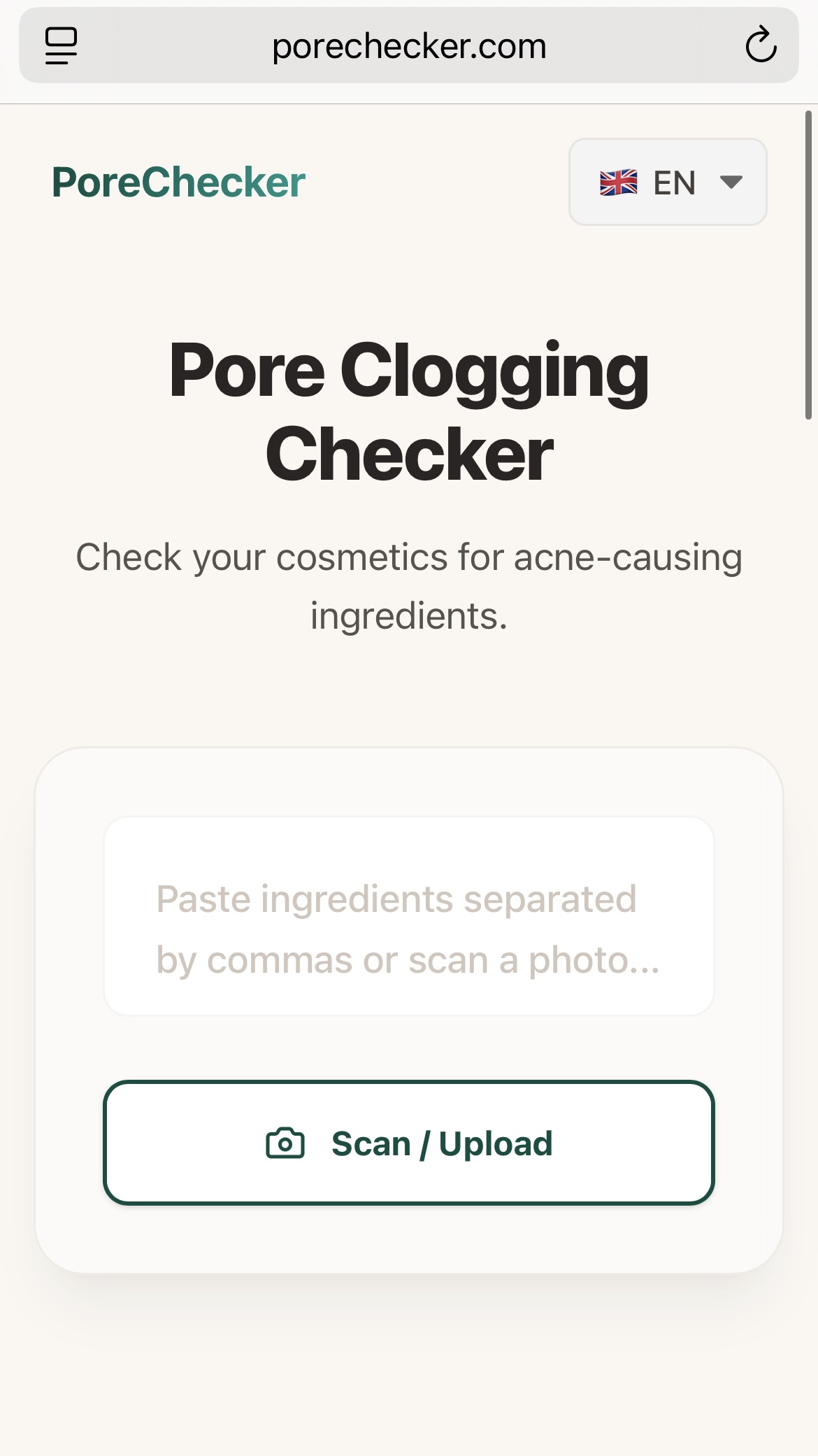
Step 1: Upload Your Product Image
Simply snap a photo of the ingredient list on the back of any bottle, jar, or box. No typing required.
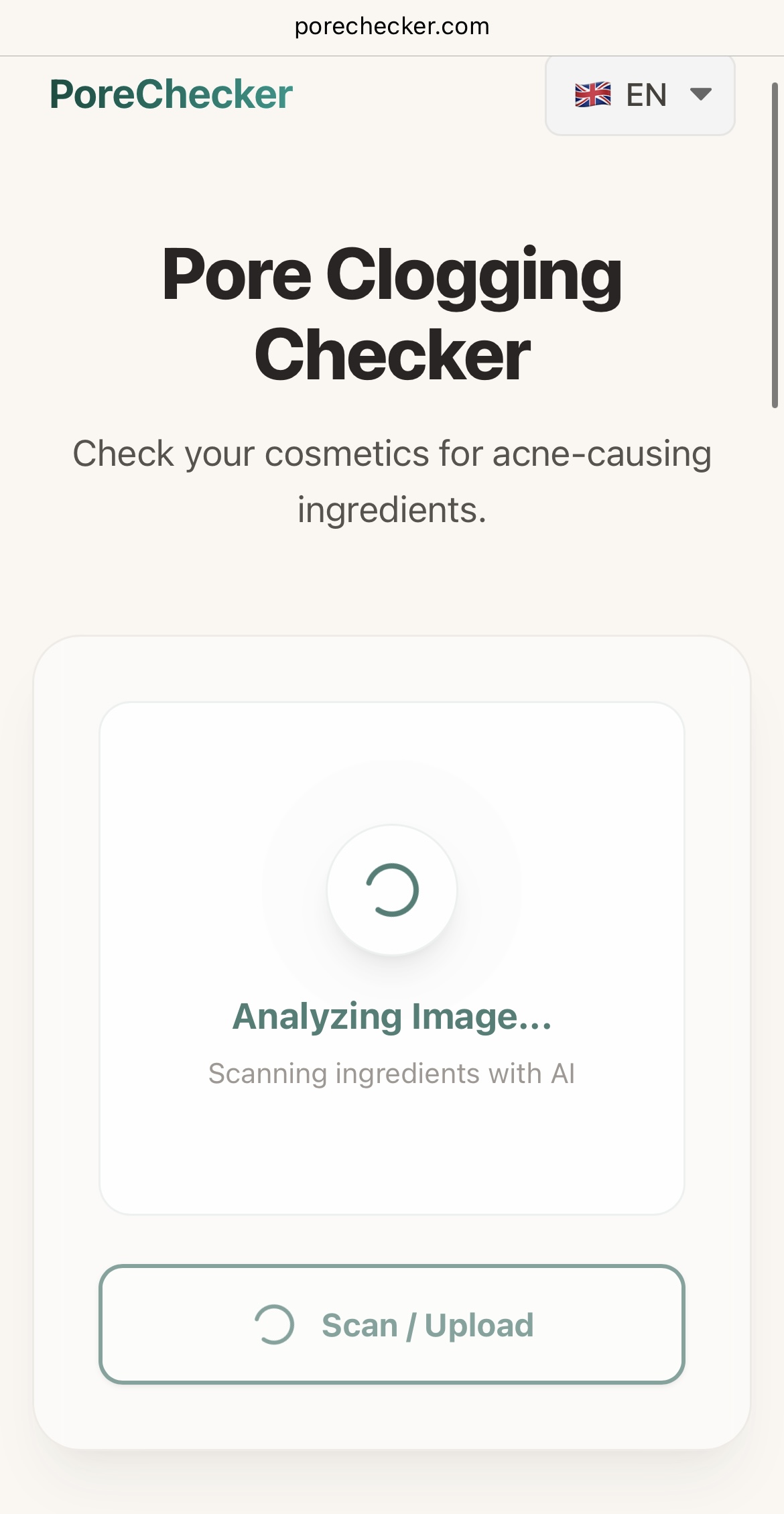
Step 2: Instant AI Ingredient Analysis
Our advanced AI scans the image, performs OCR (Optical Character Recognition), and matches every ingredient against our curated database of comedogenic substances.
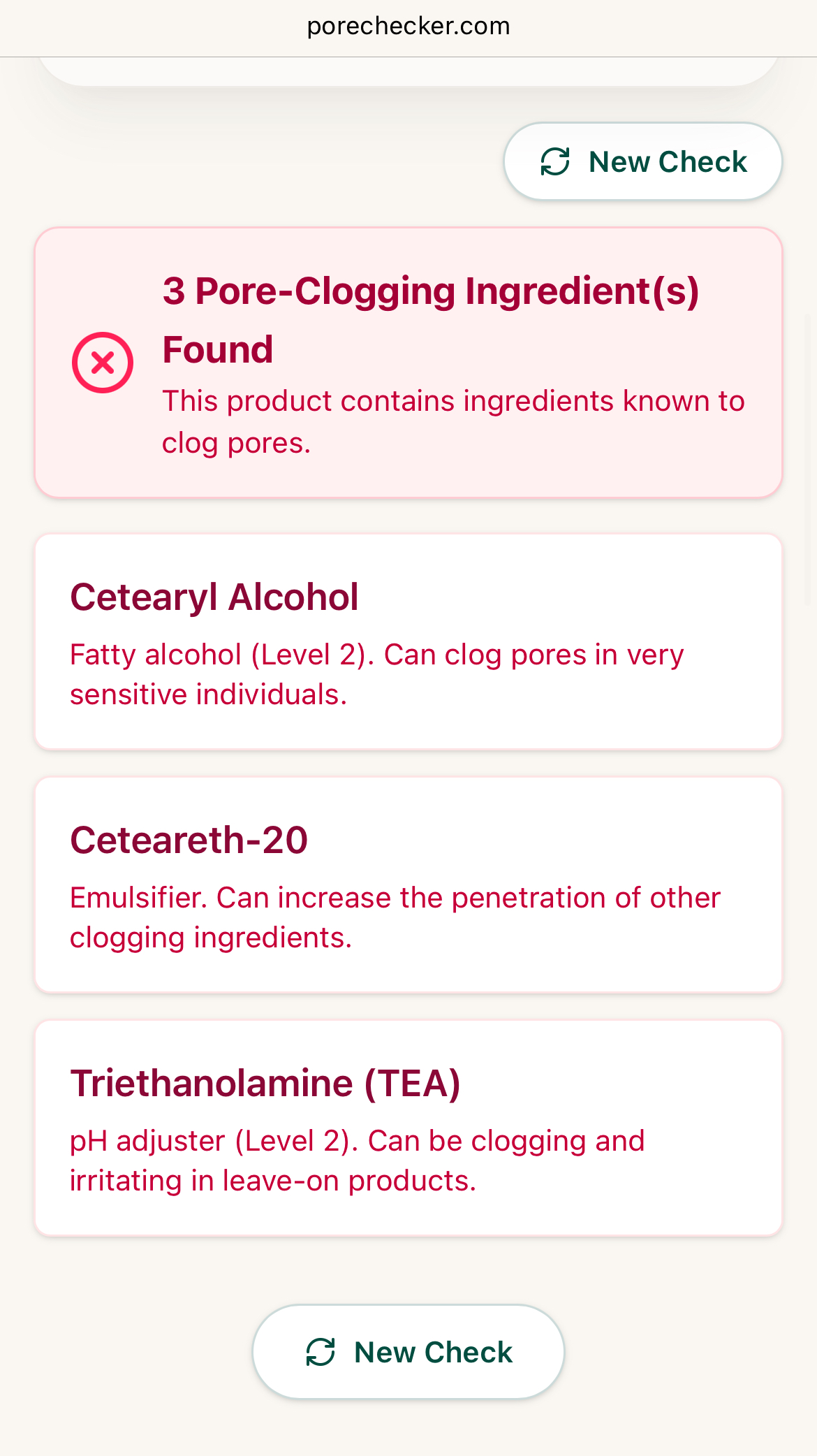
Step 3: Clear Results for Clearer Skin
You get an immediate breakdown. If any red-flag ingredients are found, we highlight them and explain why they might be problematic for your pores.
Does this product fit my skin's needs?
Check Your Products Now