Why Is My Acne Itchy? Unraveling the Itch and Finding Relief
Is your acne itchy? Discover the science-backed reasons behind the itchiness and find relief. Learn about common triggers and how to soothe your skin.

Dealing with acne is tough enough, but when it starts to itch, it adds a whole new layer of discomfort. The burning, tingling, and urge to scratch can be incredibly frustrating. This article will dive deep into the potential causes of itchy acne, exploring the underlying science and providing practical, actionable advice to soothe your skin and find lasting relief. Understanding the "why" is the first step toward effective treatment, and that's precisely what we'll achieve.
Throughout this exploration, remember the importance of gentle, non-comedogenic skincare. Products labeled as "non-comedogenic" are designed to be less likely to clog pores, which is crucial for managing acne and preventing further irritation. Irritation can sometimes worsen the itch, and the use of harsh or unsuitable skincare products is something we'll address in further detail. We'll show you how to navigate your skincare routine while keeping your skin calm and comfortable.
The Primary Culprits Behind Itchy Acne
The itch associated with acne doesn't always have a single, straightforward cause. It's often a complex interplay of factors, including inflammation, irritation, and even allergic reactions. Let's break down some of the most common reasons your acne might be making you scratch:
Inflammation's Role
At the heart of acne lies inflammation. Whether it's the result of clogged pores, bacterial infection (specifically *Cutibacterium acnes*), or your body's immune response, inflammation triggers a cascade of events. These events can activate nerve fibers in the skin, leading to that telltale itchy sensation. The more inflamed your acne is, the more likely you are to experience itchiness. This process is complex, involving the release of histamine and other inflammatory mediators that can directly stimulate the nerves.
Irritants and Your Skin Barrier
Many acne treatments, while effective, can be irritating. Ingredients like benzoyl peroxide, retinoids, and salicylic acid, designed to exfoliate and reduce inflammation, can also disrupt the skin's natural barrier. This disruption makes your skin more sensitive to environmental irritants and can lead to dryness, flaking, and yes, itchiness. Compromised skin also becomes more vulnerable to allergens, making the problem worse.
Allergic Reactions and Contact Dermatitis
Sometimes, the itch isn't directly related to the acne itself but is a reaction to something applied to your skin. Contact dermatitis, an inflammatory skin reaction, can be triggered by ingredients in your skincare products, makeup, or even laundry detergents. This is why patch testing new products is crucial, especially if you have sensitive skin or a history of allergies. Common culprits include fragrances, preservatives, and certain plant extracts.
Soothing Strategies and Actionable Tips
The good news is that there are steps you can take to manage and reduce the itchiness associated with your acne. Here are some actionable tips based on my years of experience:
Gentle Cleansing and Hydration
Use a gentle, fragrance-free cleanser that is specifically formulated for sensitive skin. Avoid harsh scrubs and overly hot water, which can strip your skin of its natural oils. Follow cleansing with a lightweight, non-comedogenic moisturizer to replenish hydration. Look for ingredients like ceramides and hyaluronic acid to support your skin's barrier function.
The Power of Cool Compresses
Applying a cool compress to itchy areas can provide immediate relief. The coolness constricts blood vessels, reducing inflammation and the sensation of itch. Use a clean cloth dampened with cool water and gently apply it to your skin for 5-10 minutes, several times a day. Avoid using ice directly on your skin, which can cause damage.
Topical Treatments to Consider
If your acne is causing significant itchiness, talk to a dermatologist about potential treatment options. Depending on the cause and severity, they might recommend topical medications to address the inflammation. Corticosteroid creams can offer short-term relief from itching and inflammation. However, these are best used under medical supervision, as long-term use can have side effects. Sometimes, antihistamines may be prescribed to address the itch if an allergic reaction is suspected.
Mindful Product Selection
Carefully examine the ingredients in all of your skincare products. Avoid products with known irritants, such as fragrances, essential oils, and harsh alcohols. Choose products that are specifically formulated for sensitive or acne-prone skin. It is essential to remember that even products marketed as "natural" can contain irritating ingredients.
When to Seek Professional Help
If your itchy acne persists or worsens despite your best efforts at home, consult a board-certified dermatologist. They can accurately diagnose the underlying cause and recommend a tailored treatment plan. They can also rule out other skin conditions that might be contributing to the itchiness, such as eczema or allergic reactions.
Don't Let Your Products Ruin Your Progress
As you've learned, the products you put on your skin can significantly impact acne itchiness. Many seemingly harmless ingredients can clog pores, disrupt your skin barrier, or trigger allergic reactions, all of which contribute to the urge to scratch. To avoid making things worse, it's essential to become a detective when it comes to your product labels. The next step in achieving truly clear, comfortable skin is to identify potential pore-cloggers in your current skincare regime. Using the right tool can help you quickly scan your product's ingredient list.
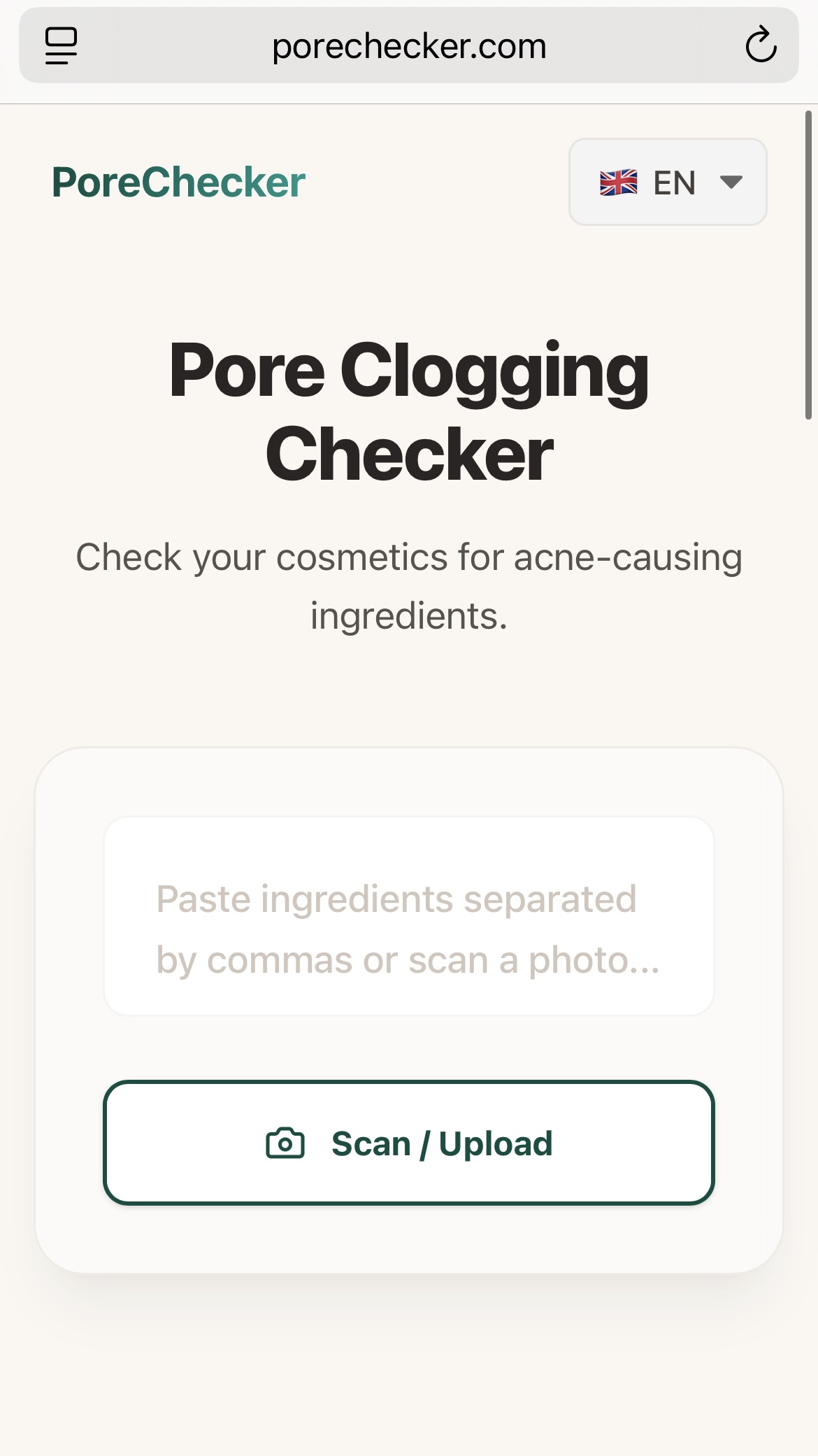
Step 1: Upload Your Product Image
Simply snap a photo of the ingredient list on the back of any bottle, jar, or box. No typing required.
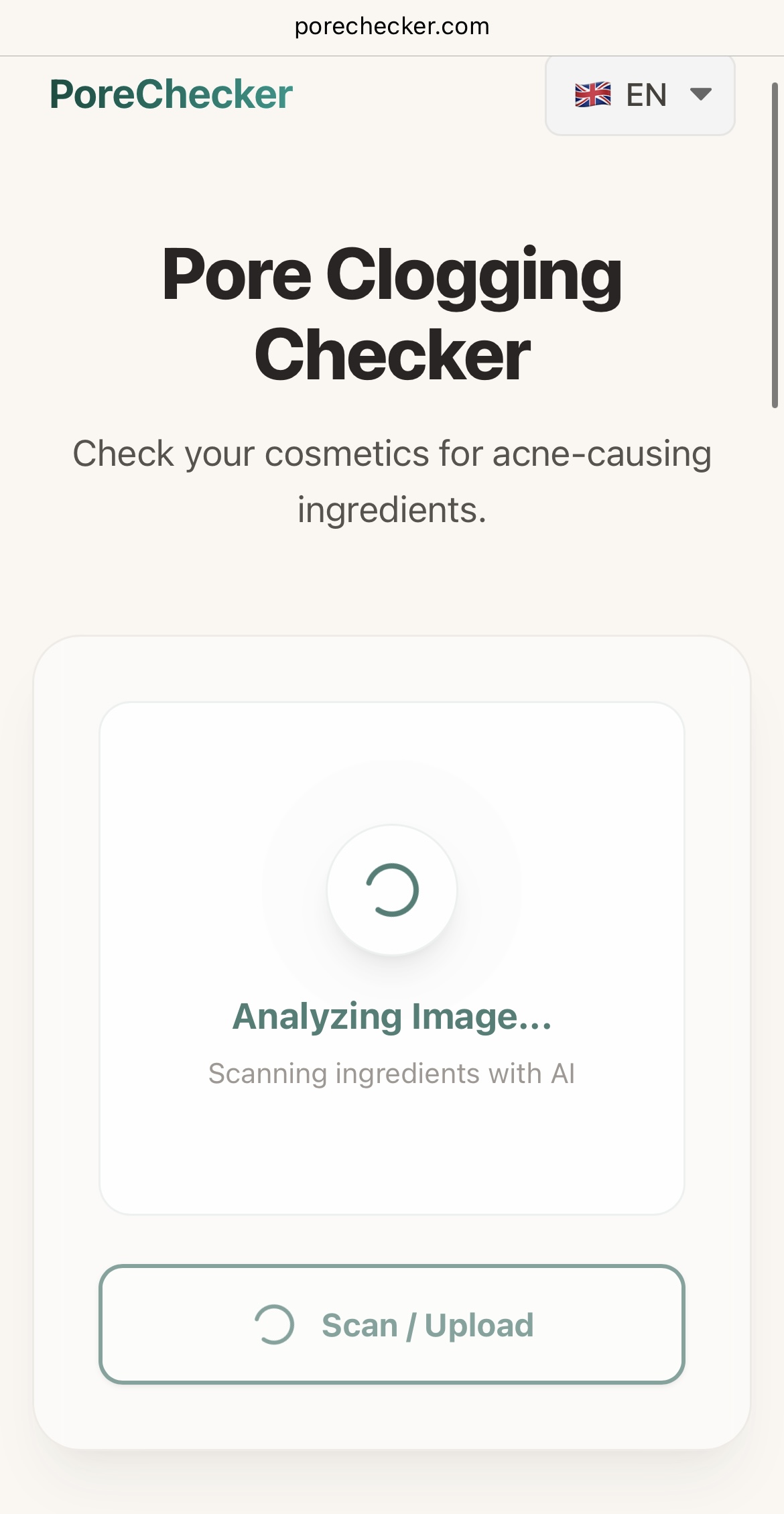
Step 2: Instant AI Ingredient Analysis
Our advanced AI scans the image, performs OCR (Optical Character Recognition), and matches every ingredient against our curated database of comedogenic substances.
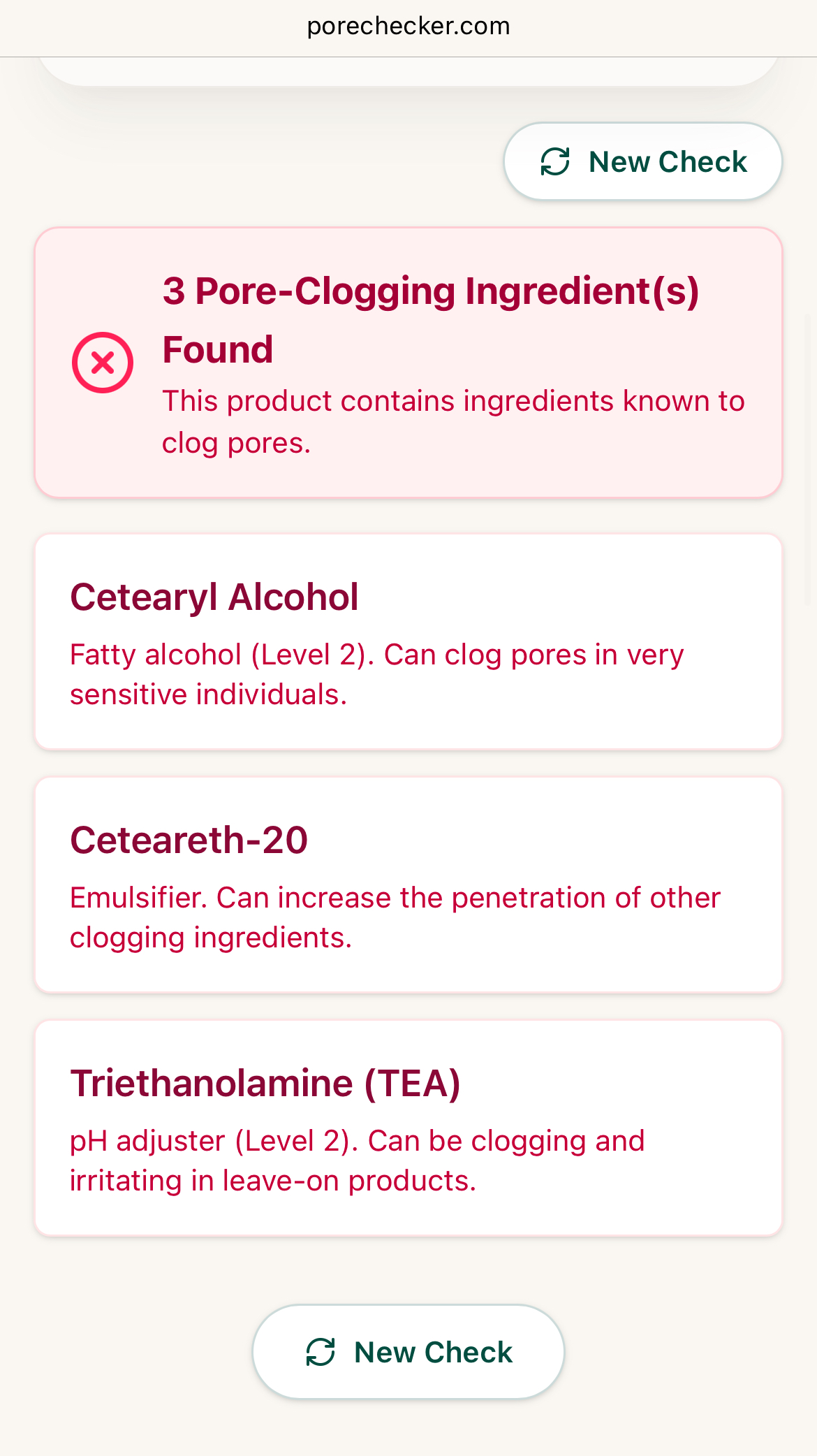
Step 3: Clear Results for Clearer Skin
You get an immediate breakdown. If any red-flag ingredients are found, we highlight them and explain why they might be problematic for your pores.
Does this product fit my skin's needs?
Check Your Products Now