Why Is My Acne So Bad? The Science Behind Persistent Breakouts
Struggling with persistent breakouts? Learn the scientific reasons why is my acne so bad and how to reclaim your skin health today.
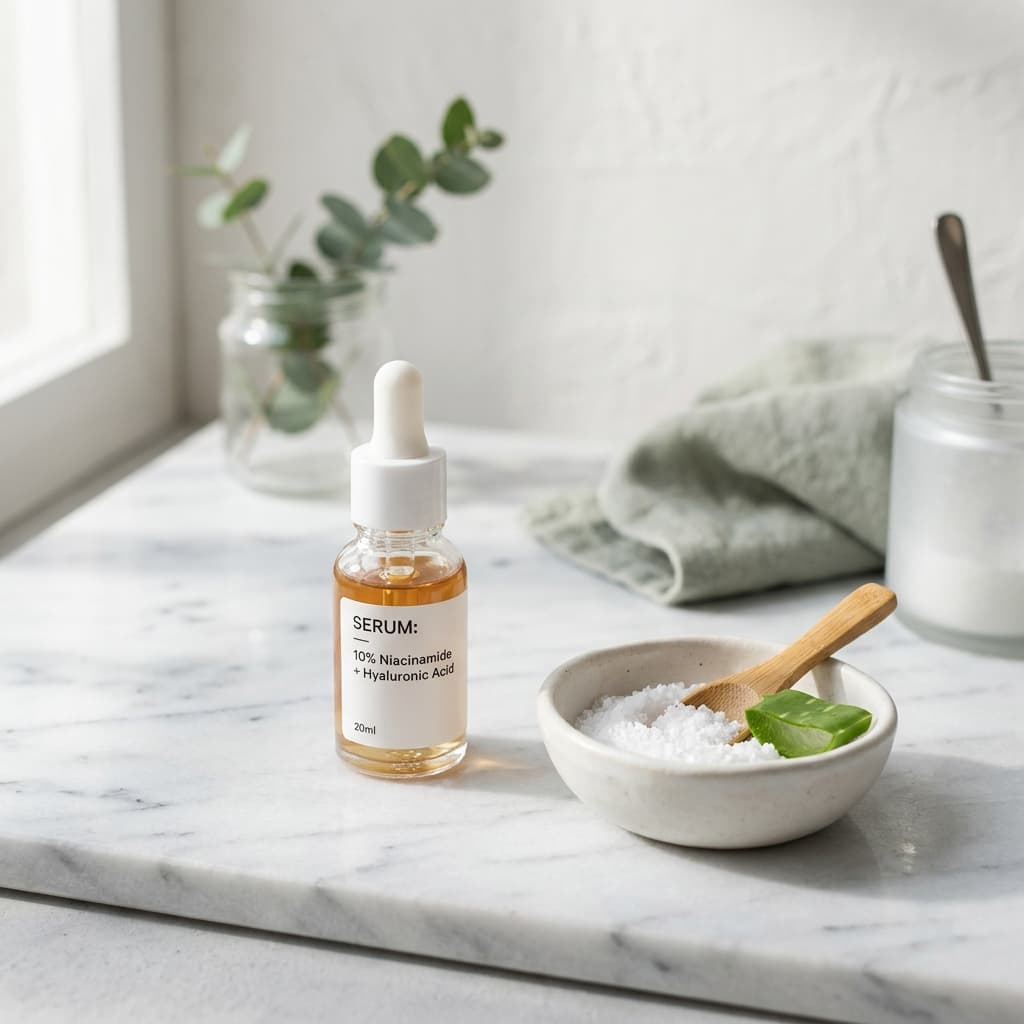
When you look in the mirror and ask, "why is my acne so bad," it is rarely the result of a single lifestyle choice. Acne is a complex inflammatory condition rooted in the interaction between your hormones, your genetics, and the follicular environment of your skin. If your current routine feels ineffective, it is likely because the products you rely on are inadvertently fueling the very cycle you are trying to break.
Transitioning to a non-comedogenic skincare regimen is the fundamental starting point for any healing journey. Many mainstream products, despite their clinical claims, contain heavy emollients or occlusive agents that trap bacteria and sebum within the pore, essentially suffocating the skin. Understanding the biological triggers behind your inflammation is the first step toward achieving a clear, resilient complexion.
Hormonal Fluctuations and Internal Triggers
For many adults, the primary driver of recalcitrant acne is the fluctuation of androgens. These hormones stimulate the sebaceous glands to produce excess sebum, which thickens the oil within the pore. When this oil combines with dead skin cells—a process called hyperkeratinization—it forms a microcomedone. This microscopic plug creates an anaerobic environment where *Cutibacterium acnes* bacteria thrive, leading to the painful, cystic lesions you see on the surface.
The Hidden Impact of Skin Barrier Dysfunction
Often, the attempt to "dry out" acne using aggressive scrubs or alcohol-based toners backfires significantly. By compromising your lipid barrier, you invite transepidermal water loss. In response, your skin may compensate by producing even more oil to protect itself, creating a vicious cycle of irritation and congestion. A damaged barrier cannot effectively shed cells, leading to deeper, more frequent blockages.
Hidden Pore-Cloggers in Your Vanity
Beyond internal biology, your daily environment plays a critical role. Many cosmetic formulations, sunscreens, and even "natural" oils contain fatty acids that are highly comedogenic. Ingredients like isopropyl myristate, cocoa butter, or certain algae extracts can act as a literal glue inside your pores. Even if your routine seems minimalist, a single product containing a high-risk ingredient can be the difference between healing and a persistent flare-up.
Don't Let Your Products Ruin Your Progress
It is frustrating to invest time and money into a skincare regimen only to find that your breakouts remain stubborn or worsen over time. Often, the culprit is hidden in the fine print of your ingredient labels, where seemingly harmless additives can trigger silent congestion that keeps your skin in a state of chronic inflammation. Recognizing that your current products might be working against your biology is a pivotal realization, as it shifts the focus from blaming your skin to auditing your environment. By systematically screening every cream, serum, and sunscreen for hidden pore-cloggers, you can ensure that every step in your routine supports healing rather than obstruction, finally giving your skin the space it needs to reset and recover.
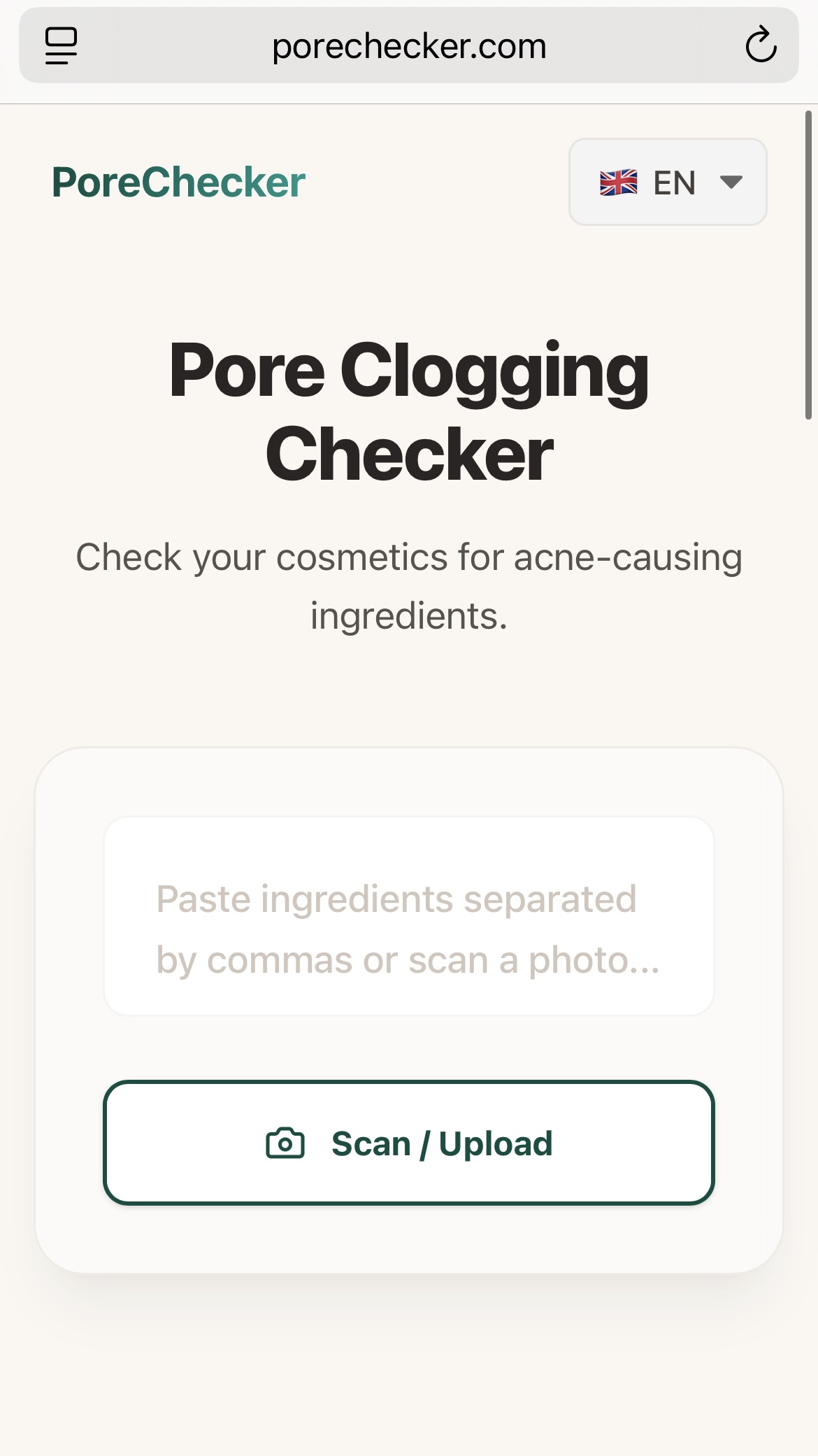
Step 1: Upload Your Product Image
Simply snap a photo of the ingredient list on the back of any bottle, jar, or box. No typing required.
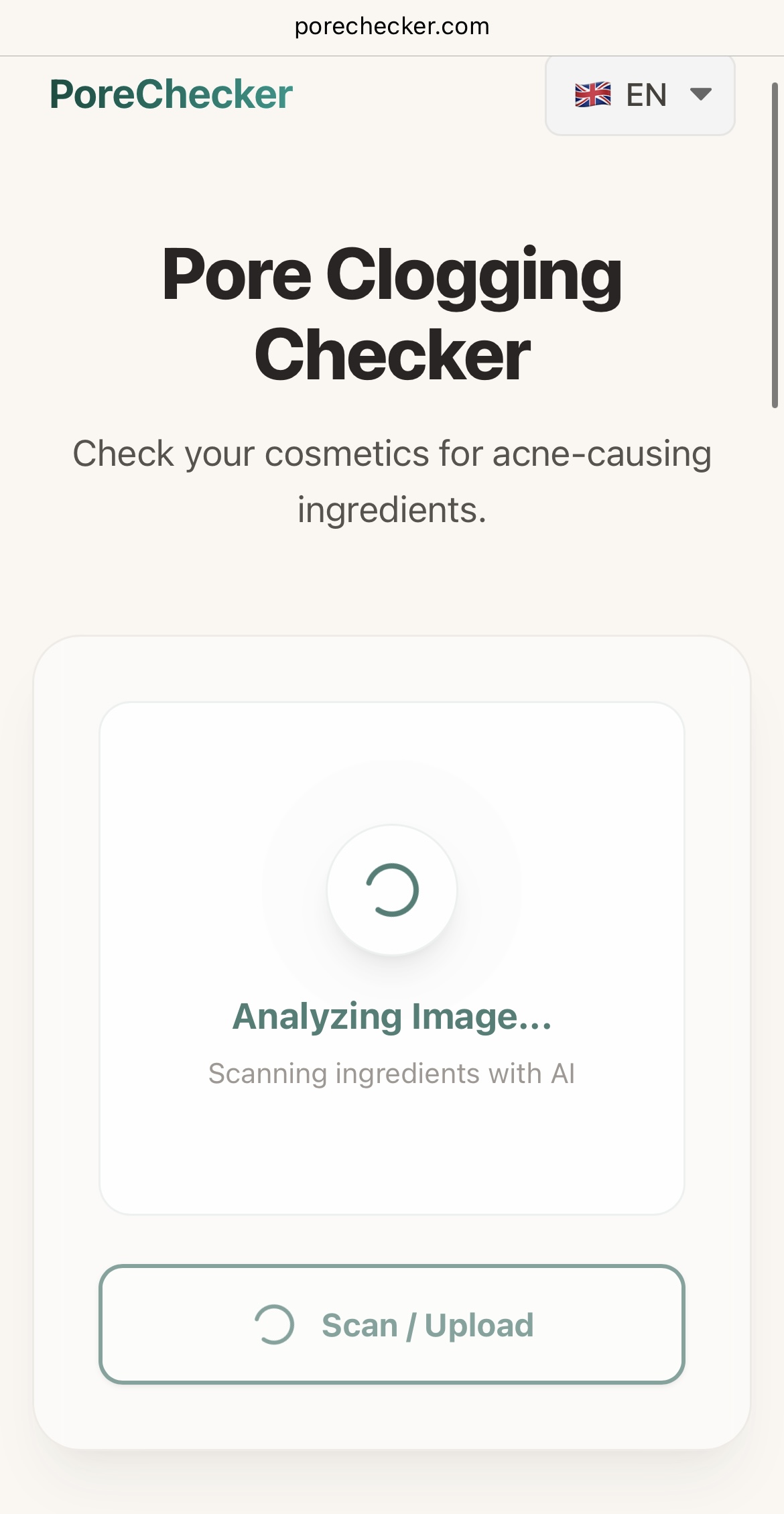
Step 2: Instant AI Ingredient Analysis
Our advanced AI scans the image, performs OCR (Optical Character Recognition), and matches every ingredient against our curated database of comedogenic substances.
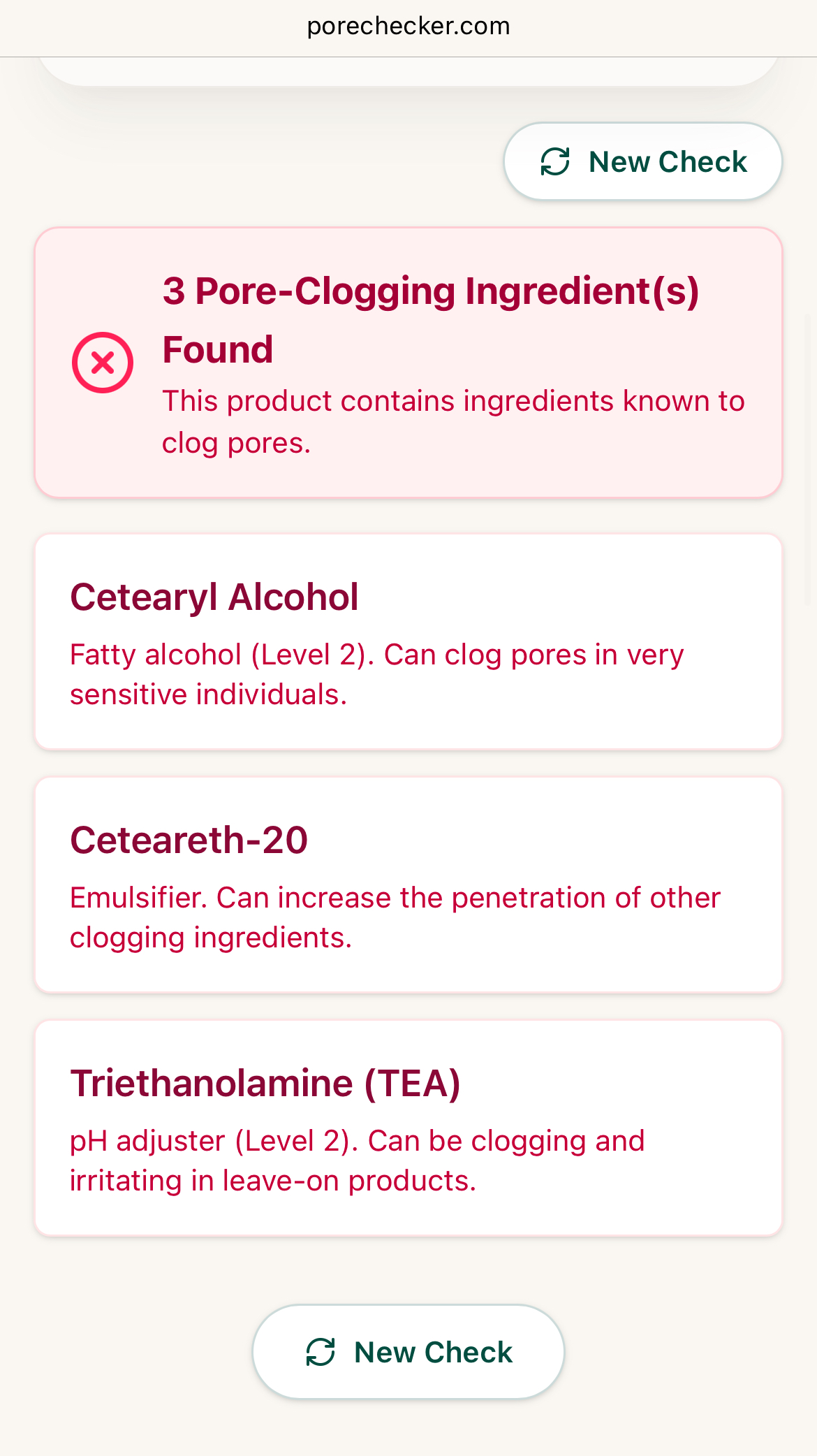
Step 3: Clear Results for Clearer Skin
You get an immediate breakdown. If any red-flag ingredients are found, we highlight them and explain why they might be problematic for your pores.
Does this product fit my skin's needs?
Check Your Products Now