Why Is My Acne Stubborn? Unpacking if Acne Is Genetic
Wondering "is acne genetic?" Explore the link between your genes and breakouts. Learn about non-comedogenic care & find tips to manage your skin.
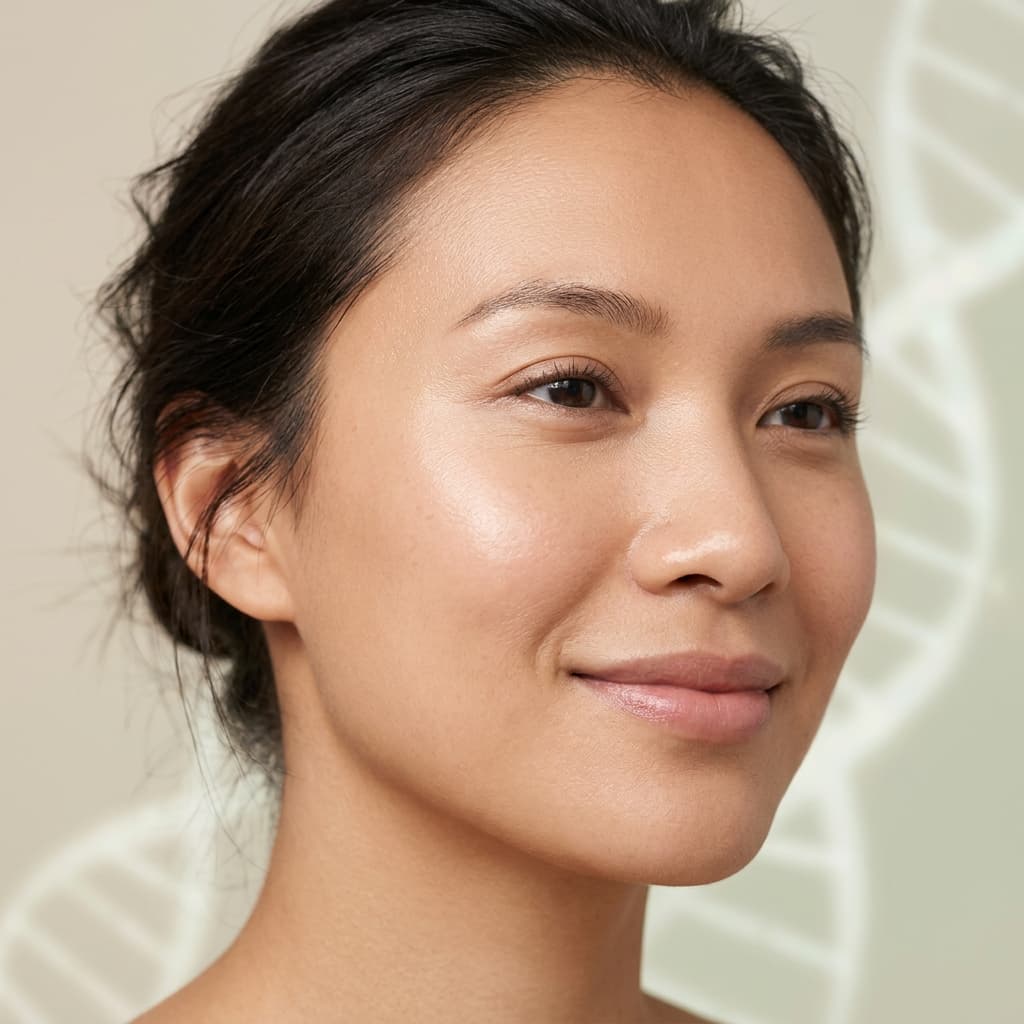
The persistent struggle with acne can be incredibly frustrating. You might find yourself meticulously following skincare routines, yet still battling breakouts. A common question arises: is acne genetic? The answer, as with many things in dermatology, is nuanced. While your genes certainly play a role, understanding this connection empowers you to take control of your skin health.
This article will explore the complexities of acne, specifically looking at how your genetic makeup contributes to its development. We'll examine the science behind this predisposition, and how it interplays with lifestyle, hormones, and environmental factors. Crucially, we’ll emphasize the importance of non-comedogenic skincare – a cornerstone of effective acne management regardless of your genetic background.
The Genetic Blueprint of Acne
The simple answer to “is acne genetic?” is yes, there's a genetic component. Research indicates that if one or both of your parents experienced acne, you're statistically more likely to develop it. This doesn't mean you're doomed; rather, it suggests a predisposition. Certain genes can influence factors like oil production (sebum), inflammation, and the way your skin cells shed – all key players in acne formation.
What Genes Are Involved?
Several genes have been linked to acne susceptibility. These include those involved in:
- **Sebum Production:** Genes controlling how much oil your sebaceous glands produce. Overproduction of sebum is a primary factor in pore clogging.
- **Inflammation:** Genes affecting your body's inflammatory response. Increased inflammation can worsen breakouts.
- **Follicular Keratinization:** Genes that regulate the shedding of skin cells within the hair follicles. Abnormal shedding leads to clogged pores.
Beyond Genetics: The Environmental Influence
While your genes lay the groundwork, environment and lifestyle significantly affect acne. This includes diet, stress levels, hormonal fluctuations, and, most critically, the products you apply to your skin. Comedogenic ingredients, often found in makeup, moisturizers, and even some "acne-fighting" products, can worsen breakouts regardless of your genetic predisposition.
Non-Comedogenic Skincare: Your Daily Defense
No matter your genetic risk, non-comedogenic skincare is essential. It minimizes the risk of clogged pores, which is fundamental to preventing acne. These products are formulated to avoid ingredients that can block pores.
Key Elements of a Non-Comedogenic Routine:
- **Cleanser:** Use a gentle, sulfate-free cleanser to remove impurities without stripping your skin of its natural oils.
- **Moisturizer:** Choose a lightweight, oil-free moisturizer to hydrate your skin without clogging pores. Look for ingredients like hyaluronic acid and ceramides.
- **Sunscreen:** Essential for protecting your skin from sun damage. Opt for a non-comedogenic, broad-spectrum sunscreen.
- **Makeup:** If you wear makeup, select non-comedogenic and oil-free products. Mineral makeup is often a good choice.
Hidden Pore Cloggers to Watch Out For:
Many common ingredients can trigger breakouts. Some to be aware of include:
- **Certain Oils:** Coconut oil, cocoa butter, and mineral oil are often problematic.
- **Silicones:** Dimethicone and other silicone-based ingredients can sometimes clog pores.
- **Thick Emollients:** Ingredients like isopropyl myristate can contribute to breakouts in sensitive individuals.
Don't Let Your Products Ruin Your Progress
So, you understand the influence of genetics, you have embraced non-comedogenic care, and yet, the struggle persists. This can be intensely disheartening. The good news is you have more control than you might think. Many products, even those marketed for acne-prone skin, contain ingredients that can exacerbate the problem. It’s absolutely critical to become a savvy consumer, meticulously examining the ingredients list of everything you put on your face. You can easily find out whether your products are pore-clogging. Being informed empowers you to make smarter choices for clearer, healthier skin.
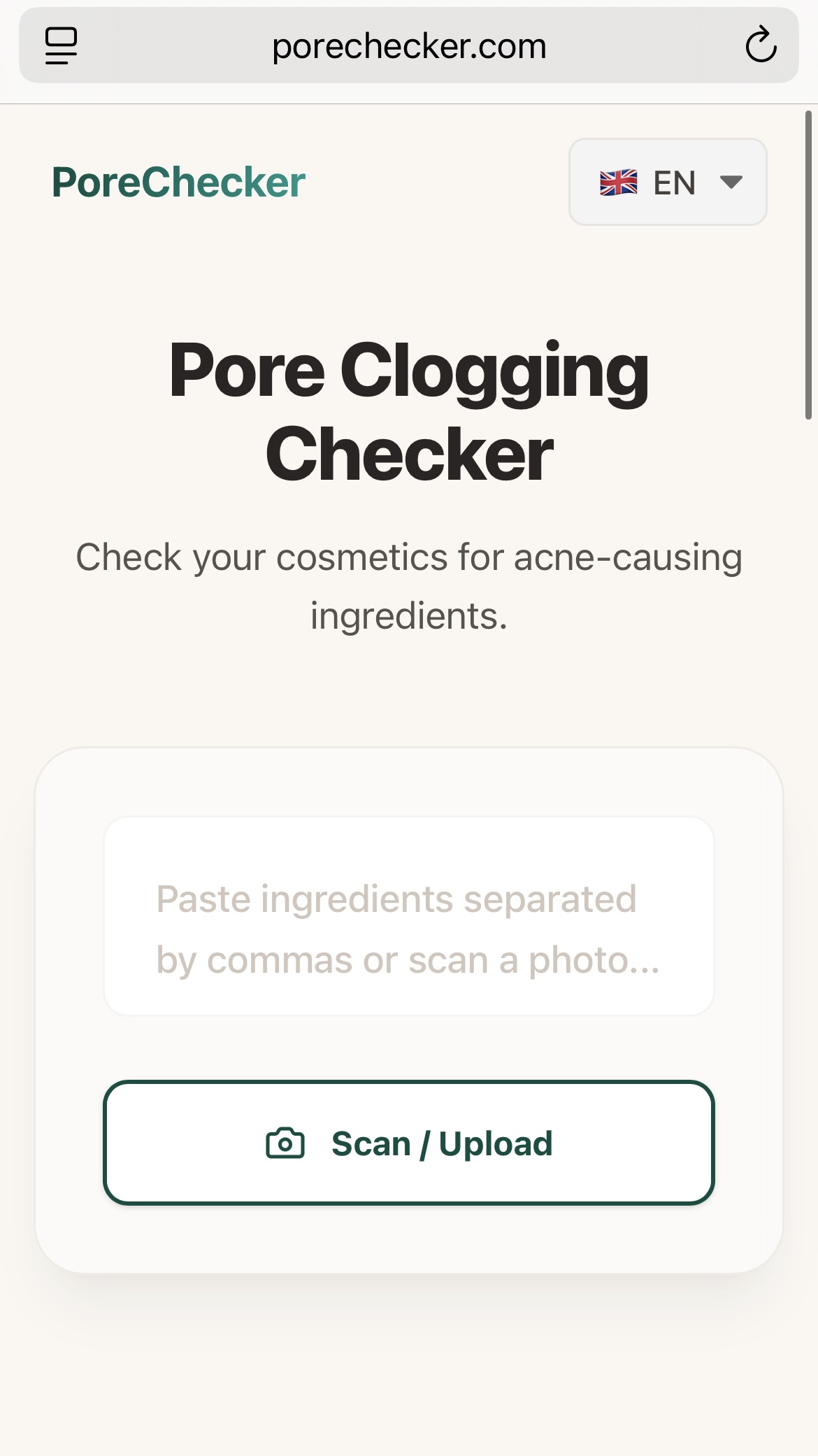
Step 1: Upload Your Product Image
Simply snap a photo of the ingredient list on the back of any bottle, jar, or box. No typing required.
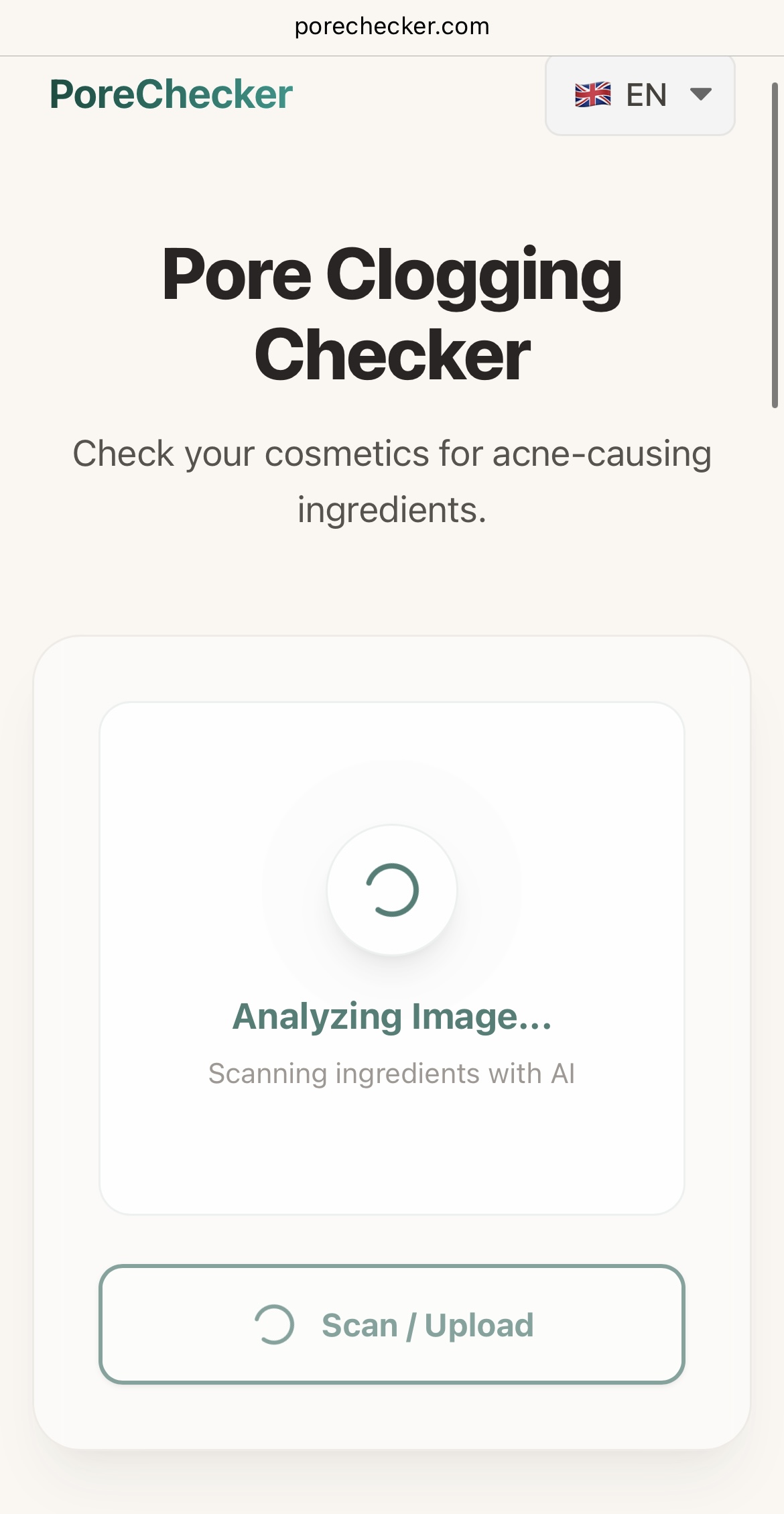
Step 2: Instant AI Ingredient Analysis
Our advanced AI scans the image, performs OCR (Optical Character Recognition), and matches every ingredient against our curated database of comedogenic substances.
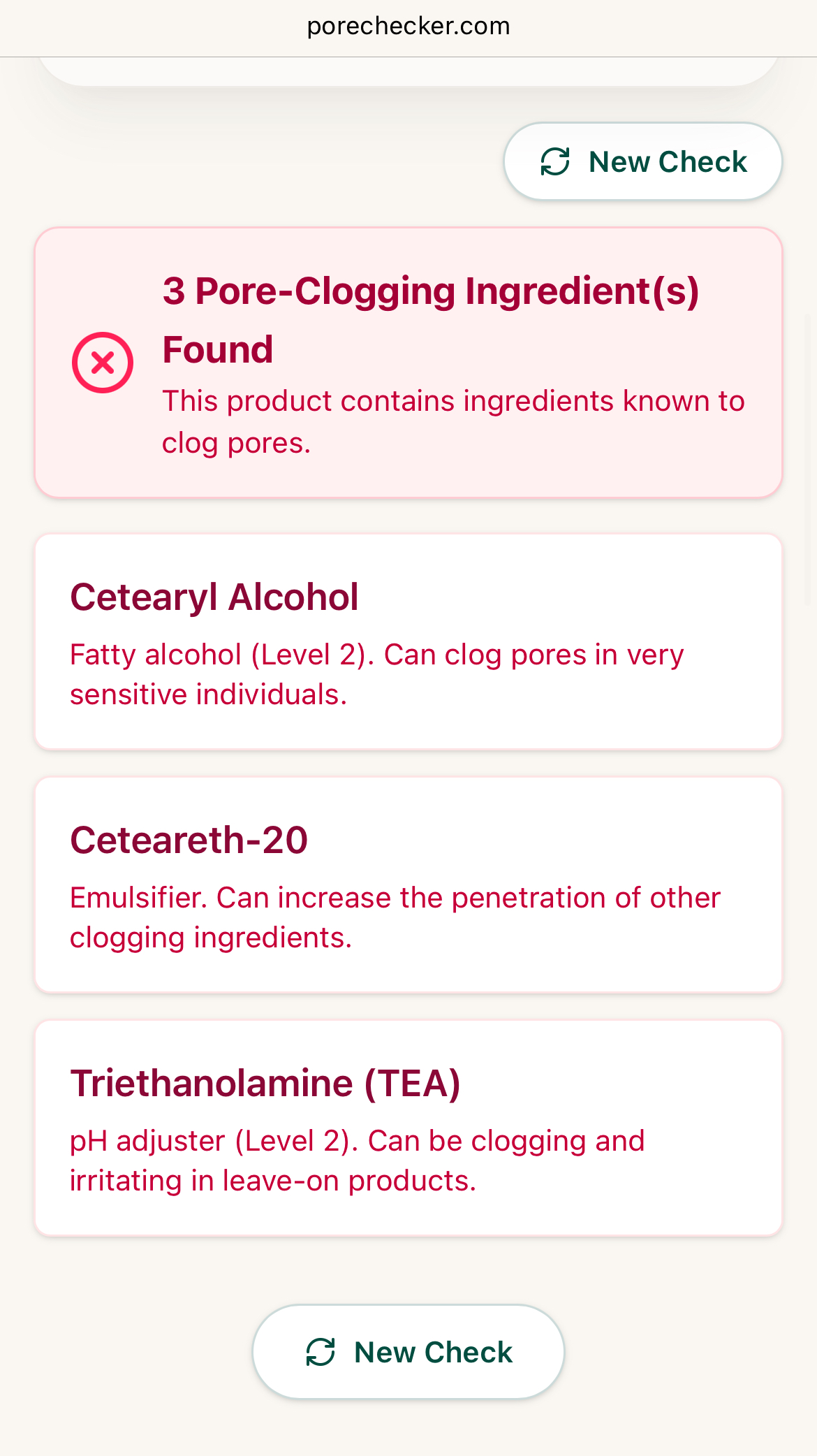
Step 3: Clear Results for Clearer Skin
You get an immediate breakdown. If any red-flag ingredients are found, we highlight them and explain why they might be problematic for your pores.
Does this product fit my skin's needs?
Check Your Products Now