Why Is My Forehead Breaking Out? Unmasking What Causes Forehead Acne
Struggling with forehead acne? Learn about what causes forehead acne, from pore-clogging ingredients to hormonal changes. Find out how to get clear skin!
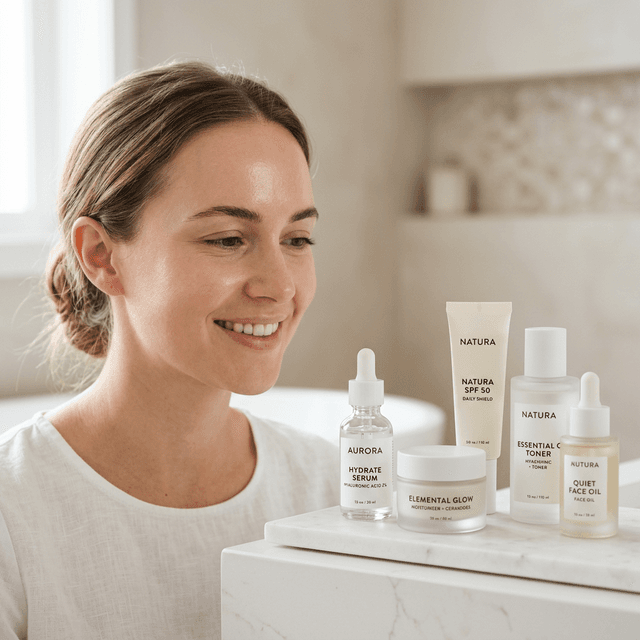
Forehead acne, often a source of frustration, can appear seemingly out of nowhere. As a dermatologist, I understand the emotional impact of persistent breakouts. The key to effective treatment lies in understanding the root causes of this common skin concern. This article delves into the various factors contributing to forehead acne, emphasizing the importance of non-comedogenic skincare and offering practical solutions for clearer, healthier skin.
We'll explore everything from the role of genetics and hormonal fluctuations to lifestyle choices and the often-overlooked culprits lurking in your everyday products. Focusing on non-comedogenic practices is crucial to prevent clogging pores and promoting a healthy skin barrier. By understanding the triggers, we can take proactive steps toward achieving and maintaining clear skin.
This guide is not a quick fix; it's a journey towards understanding your skin and adopting a sustainable approach to skincare. Remember, consistency and patience are vital components of any successful skincare routine. Let's begin the journey to uncover the mystery of "what causes forehead acne" and pave the way to a clearer complexion.
Unveiling the Root Causes: What Causes Forehead Acne?
Forehead acne is multifaceted, stemming from a combination of internal and external factors. Identifying these triggers is the first step towards effective management. The most common contributors include:
Sebum Overproduction
The skin's sebaceous glands produce sebum, an oily substance that keeps the skin moisturized. Overproduction, often triggered by hormonal imbalances, genetics, or environmental factors, leads to excess oil that can mix with dead skin cells and clog pores, resulting in acne.
Clogged Pores
Pores can become blocked by a combination of sebum, dead skin cells (keratin), and bacteria. When pores become clogged, it creates an environment conducive to the formation of comedones (blackheads and whiteheads), which can then become inflamed and turn into pimples.
Bacterial Involvement
The bacterium *Cutibacterium acnes* (formerly *Propionibacterium acnes*) plays a significant role in acne development. This bacterium thrives in the oily environment of clogged pores, triggering inflammation and the formation of pimples.
Hormonal Fluctuations
Hormonal changes, particularly those associated with puberty, menstruation, pregnancy, and menopause, can stimulate sebum production, leading to increased breakouts on the forehead. Androgens, in particular, play a role in this.
Lifestyle Factors
Dietary choices, stress levels, and inadequate sleep can also contribute to acne. A diet high in processed foods and sugar can trigger inflammation in the body, potentially exacerbating acne. Additionally, chronic stress elevates cortisol levels, which may increase sebum production.
Hidden Pore-Cloggers: Your Product Checklist
Beyond internal factors, external elements can significantly impact your skin's health. Many products we use daily contain ingredients that can clog pores, leading to breakouts. Being aware of these hidden pore-cloggers is crucial.
Comedogenic Ingredients in Skincare
Certain ingredients are known to be comedogenic, meaning they are likely to clog pores. These include mineral oil, coconut oil, cocoa butter, and some types of alcohol. Check product labels carefully and opt for non-comedogenic formulations.
Hair Products and Forehead Acne
Hair products, such as styling gels, hairsprays, and conditioners, can come into contact with the forehead and contribute to acne. Look for lightweight, oil-free products and avoid those with heavy silicones and oils.
Makeup and Acne
Thick, oil-based foundations and concealers can clog pores. Opt for non-comedogenic, oil-free makeup and always remove makeup thoroughly at the end of the day. Regular use of makeup brushes and sponges can harbor bacteria, contributing to breakouts.
How To Take Action: Steps to Clear Skin
Addressing forehead acne requires a multifaceted approach. These actionable steps can help you achieve clearer skin:
Gentle Cleansing
Cleanse your face twice daily with a gentle, non-comedogenic cleanser. Avoid harsh scrubs and excessive washing, as they can strip the skin of its natural oils and exacerbate acne.
Exfoliation
Regular exfoliation helps remove dead skin cells and prevent pore clogging. Use a chemical exfoliant containing ingredients like salicylic acid or glycolic acid a few times a week, following product instructions carefully.
Targeted Treatments
Apply spot treatments containing benzoyl peroxide or salicylic acid to active breakouts. These ingredients help reduce inflammation and kill bacteria. Consistency is key when using these treatments; follow instructions carefully.
Hydration and Moisturizing
Even if you have oily skin, moisturizing is essential. Choose a lightweight, oil-free moisturizer to keep your skin hydrated without clogging pores. Proper hydration helps maintain a healthy skin barrier.
Lifestyle Adjustments
Adopt a healthy lifestyle that includes a balanced diet, regular exercise, and adequate sleep. Manage stress through relaxation techniques. These factors can positively impact your skin health.
Professional Help
If home treatments aren't effective, consult a dermatologist. They can assess your skin and recommend prescription medications, such as topical retinoids or oral antibiotics, to help address your acne concerns.
Don't Let Your Products Ruin Your Progress
Now that you understand the many factors that contribute to forehead acne and the importance of a consistent skincare routine, it's crucial to examine the products you use. Even if you're diligently cleansing, exfoliating, and treating breakouts, the wrong ingredients can undo all your hard work. Many seemingly innocuous products, from cleansers to makeup, can contain pore-clogging substances that trigger or worsen forehead acne. Therefore, a careful assessment of the ingredient lists in your skincare and cosmetic products is essential. This is where a product checker tool can become your best friend, helping you identify and avoid potential pore-clogging ingredients.
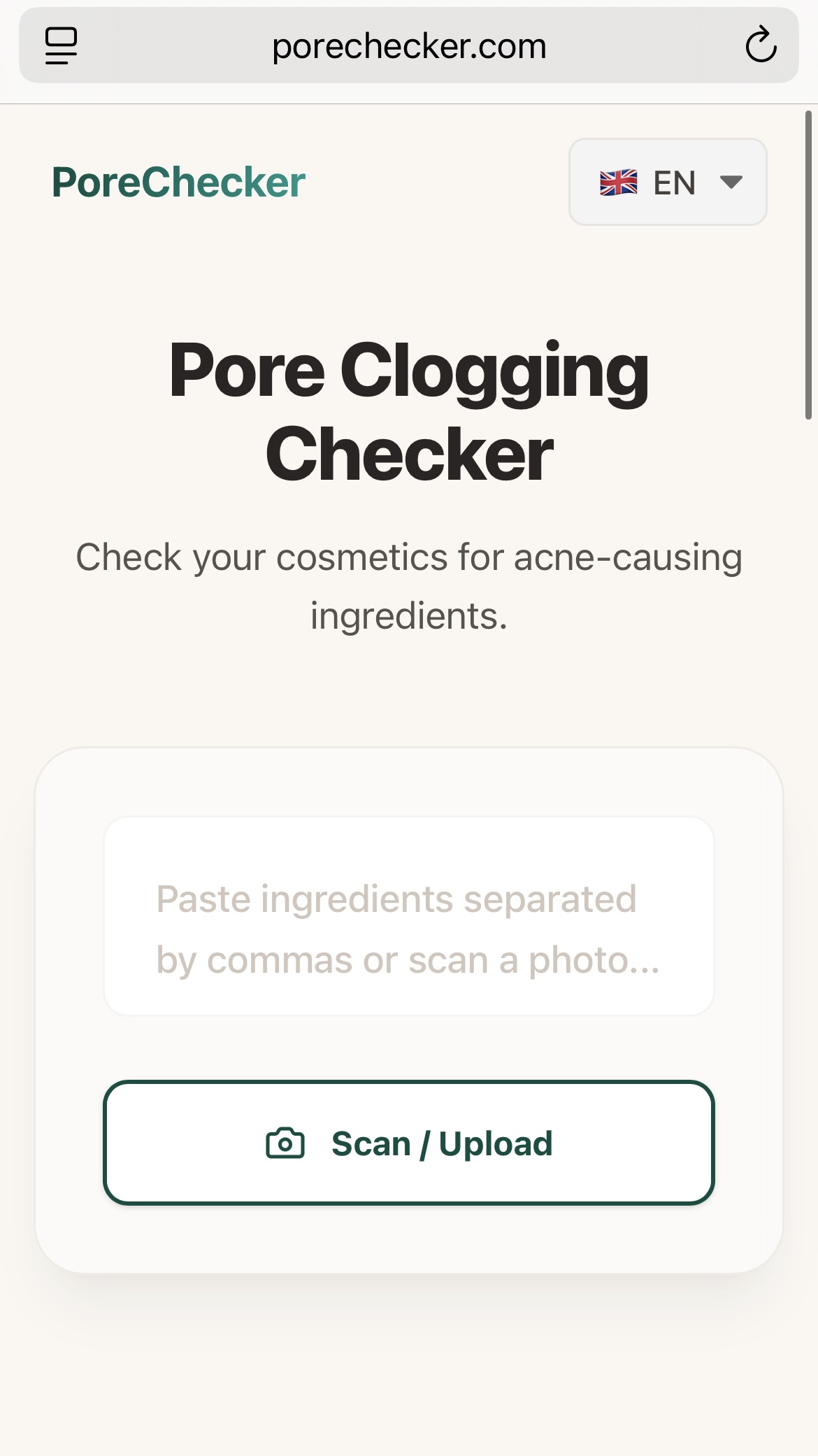
Step 1: Upload Your Product Image
Simply snap a photo of the ingredient list on the back of any bottle, jar, or box. No typing required.
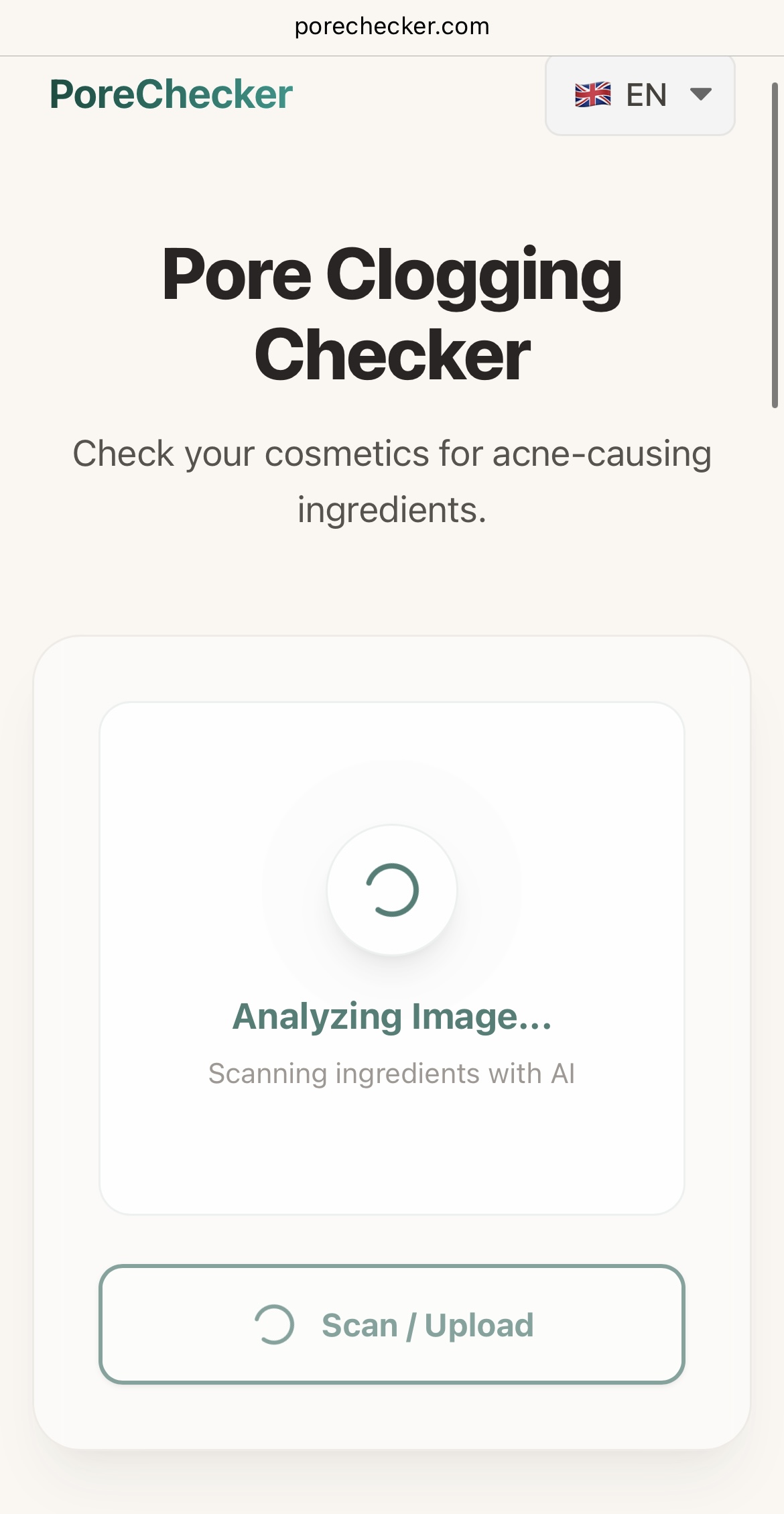
Step 2: Instant AI Ingredient Analysis
Our advanced AI scans the image, performs OCR (Optical Character Recognition), and matches every ingredient against our curated database of comedogenic substances.
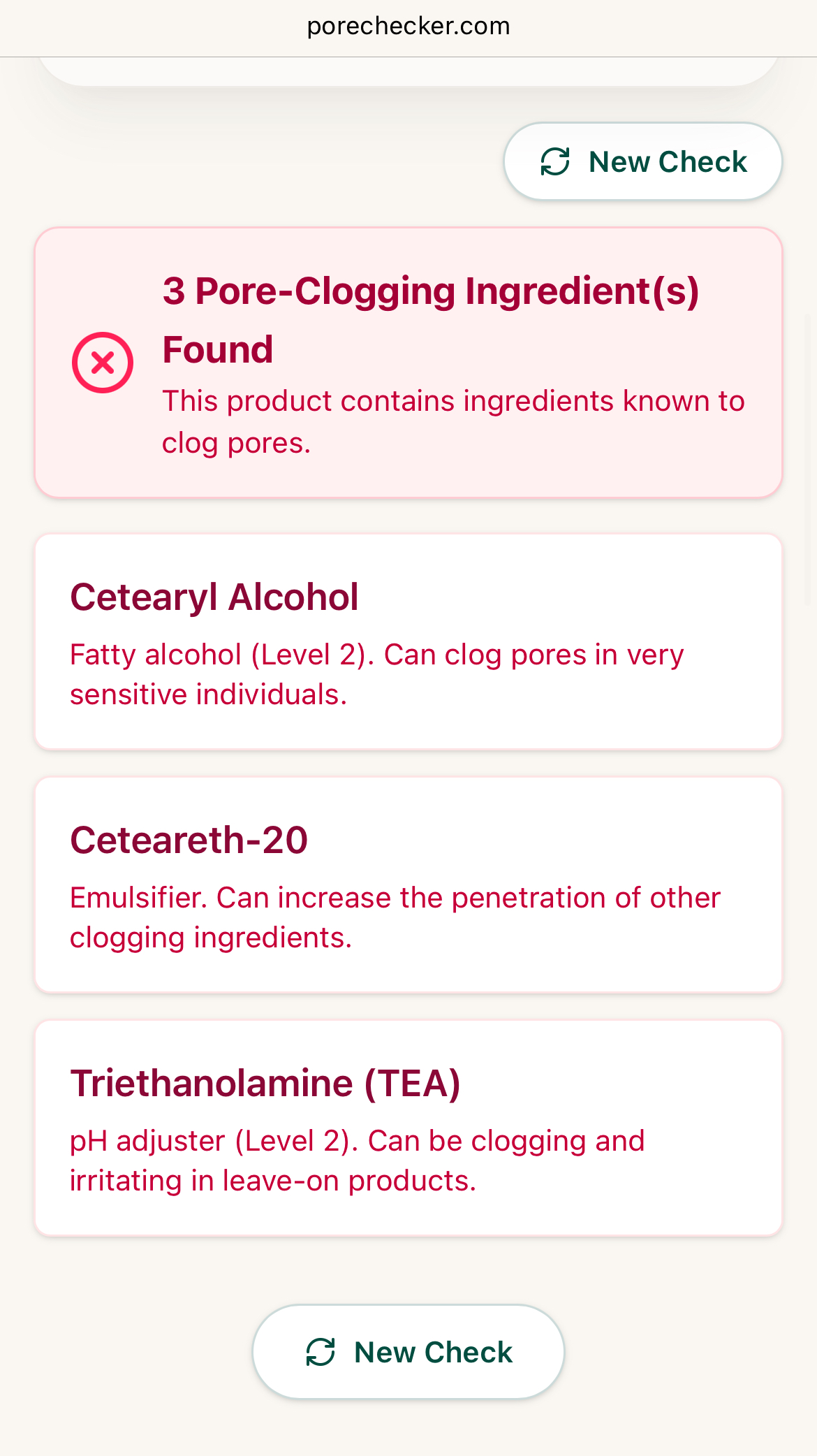
Step 3: Clear Results for Clearer Skin
You get an immediate breakdown. If any red-flag ingredients are found, we highlight them and explain why they might be problematic for your pores.
Does this product fit my skin's needs?
Check Your Products Now