Why Is My Skin Breaking Out? Decoding What Causes Acne on Cheeks
Discover what causes acne on your cheeks. Learn about common triggers and how to get clearer skin. Explore skincare solutions for breakouts.
Acne, an inflammatory skin condition, manifests differently across the face. While forehead pimples might point to one set of triggers, the appearance of acne on your cheeks often suggests a different set of contributing factors. Understanding *what causes acne on cheeks* is the first step towards achieving clearer, healthier skin. This article delves into the common culprits behind these breakouts, offering science-backed insights and actionable advice to help you regain your skin's natural radiance. We'll emphasize the importance of non-comedogenic skincare throughout.
The cheeks, being frequently exposed to external elements and often coming into contact with our hands and phones, are particularly vulnerable. A holistic approach, combining a gentle skincare routine with lifestyle adjustments, is crucial. This proactive strategy focuses on minimizing inflammation and preventing future breakouts, rather than simply treating existing ones. Let's explore the key reasons behind cheek acne and what you can do about it.
Common Culprits Behind Cheek Acne
The Role of Contact and Friction
Our cheeks are often in direct contact with various surfaces, making them susceptible to friction and the transfer of bacteria. A prime example is your cell phone. Studies have shown that cell phones can harbor a significant amount of bacteria, which gets transferred onto your skin every time you place it against your cheek. Similarly, pillowcases, especially those made of rough materials or infrequently washed, can contribute to breakouts. Friction from tight-fitting clothing, sports equipment, or even face masks can also irritate the skin, leading to inflammation and acne.
Environmental Factors and Irritants
Environmental factors play a role in acne development. Exposure to pollutants and airborne irritants can clog pores and trigger inflammation. For example, consistently touching your face without washing your hands, after being outside, can introduce bacteria and grime to your skin. Harsh weather conditions, such as extreme cold or wind, can also strip the skin of its natural moisture barrier, making it more vulnerable to irritation and acne.
Skincare and Makeup Ingredients
Believe it or not, some skincare products can be the source of your problems. Many common ingredients in cosmetics and skincare are comedogenic, meaning they can clog pores. These pore-cloggers include certain oils, waxes, and synthetic ingredients. Pay close attention to product labels and look for non-comedogenic or "oil-free" formulations. Switching to gentler, more skin-friendly products can make a significant difference.
Actionable Steps for Clearer Cheeks
Prioritize Hygiene and Minimize Contact
Simple hygiene practices can significantly impact the health of your cheeks. Wash your hands frequently, especially before touching your face. Regularly clean your cell phone with an antibacterial wipe. Change your pillowcase at least twice a week, and consider using a silk or satin pillowcase to reduce friction. Avoid resting your cheek on your hand.
Choose the Right Skincare
Your skincare routine should be gentle yet effective. Use a non-comedogenic cleanser to remove impurities without stripping your skin of its natural oils. Opt for lightweight, oil-free moisturizers and non-comedogenic makeup. Incorporate ingredients known for their acne-fighting properties, such as salicylic acid or benzoyl peroxide, to combat existing breakouts. Always perform a patch test when introducing new products.
Diet and Lifestyle Adjustments
What you put into your body can affect your skin. A balanced diet rich in fruits, vegetables, and antioxidants can help reduce inflammation and promote overall skin health. While diet's impact on acne varies from person to person, reducing the consumption of processed foods, sugary drinks, and dairy may improve skin clarity for some. Staying hydrated is also vital. In terms of lifestyle, managing stress through exercise, meditation, or other relaxing activities can also contribute to fewer breakouts.
Don't Let Your Products Ruin Your Progress
While you are diligently cleaning your phone, changing pillowcases, and eating your vegetables, you're investing in your skin health. However, you could be unknowingly sabotaging yourself with the products you're using. Many seemingly innocuous skincare items contain ingredients that actively clog pores, worsening acne, or even causing new breakouts. To ensure your efforts yield positive results, it's essential to meticulously examine the ingredient lists of all your skincare and cosmetic products. If you are unsure of an ingredient's pore-clogging potential, there are tools available.
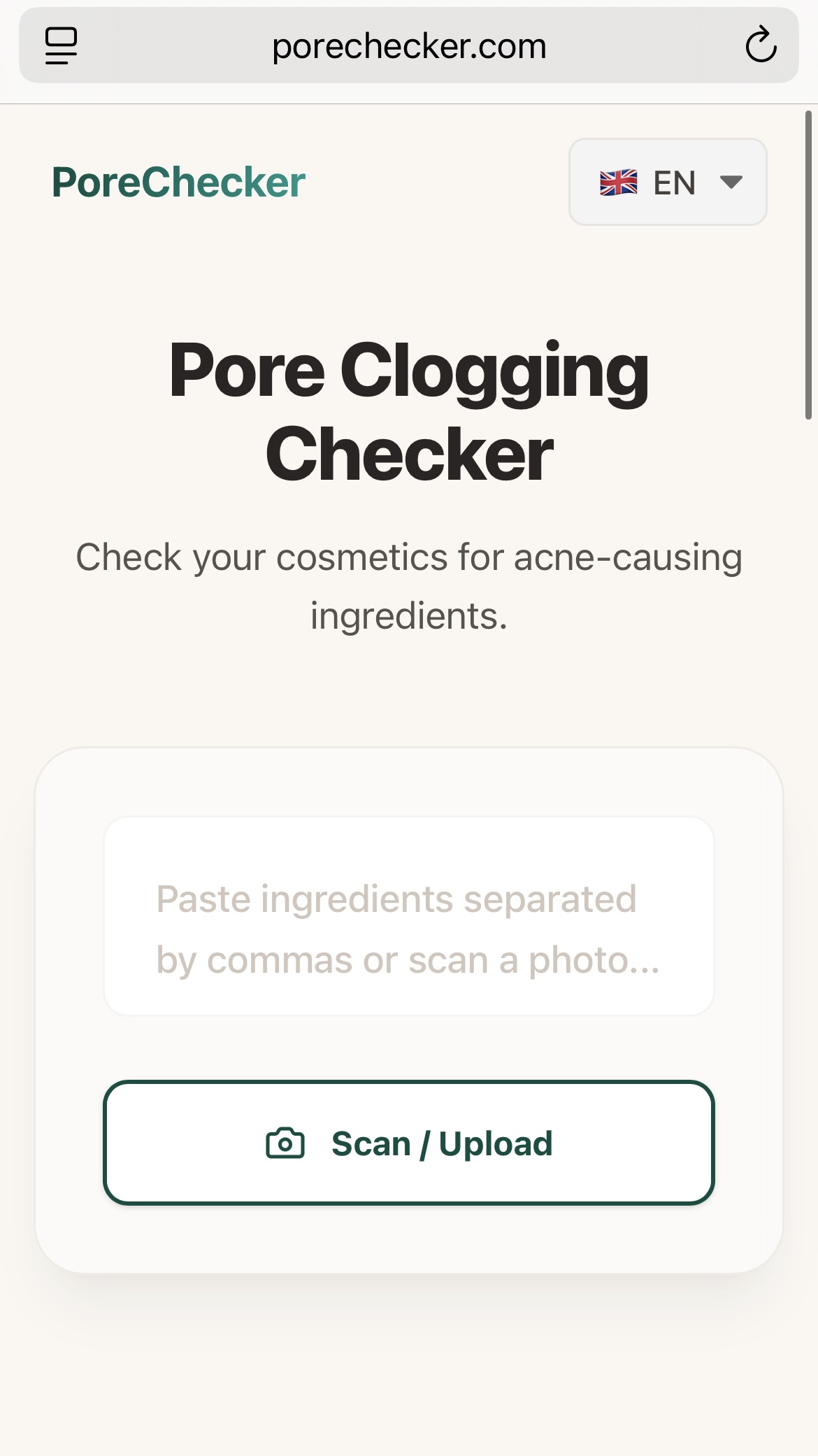
Step 1: Upload Your Product Image
Simply snap a photo of the ingredient list on the back of any bottle, jar, or box. No typing required.
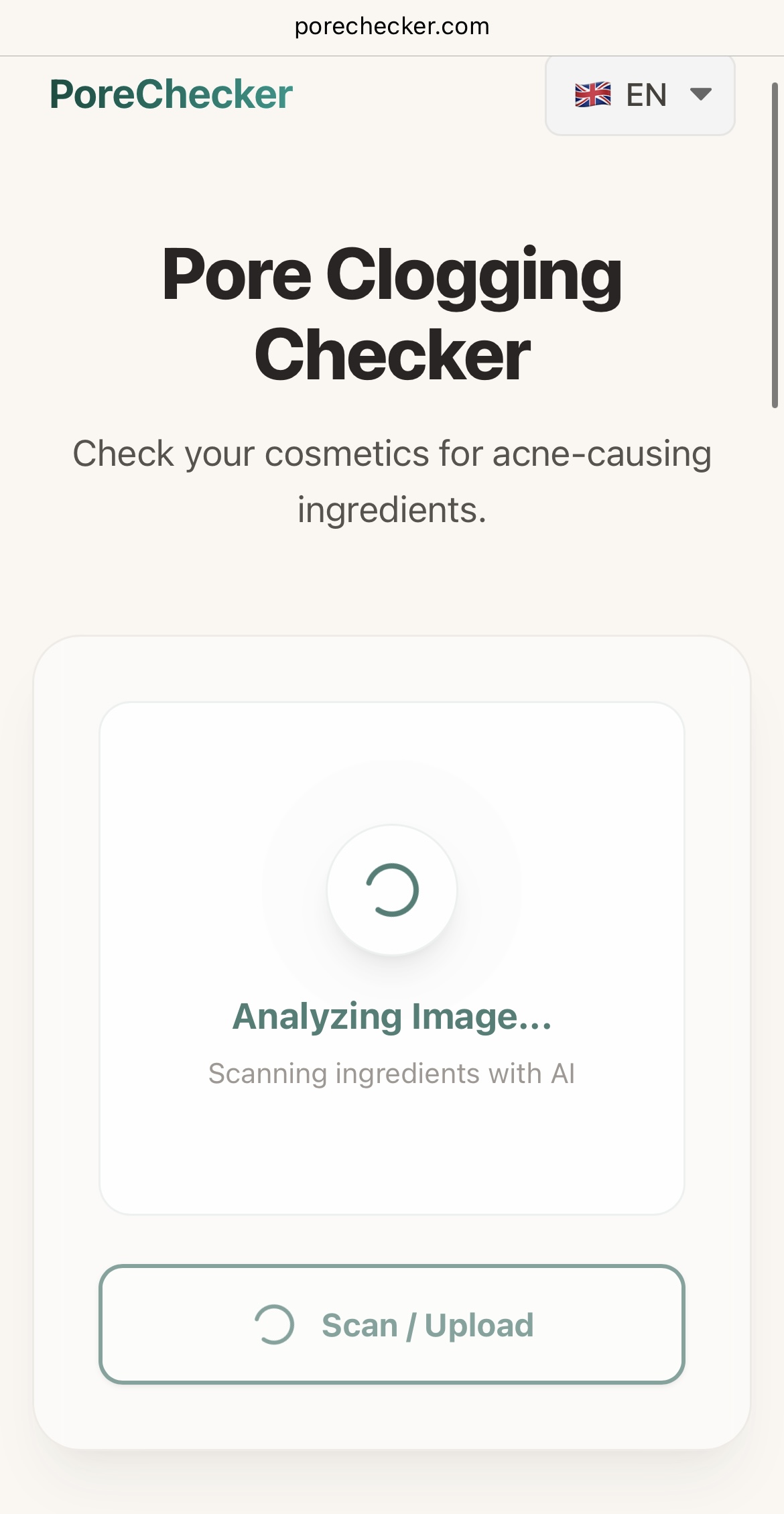
Step 2: Instant AI Ingredient Analysis
Our advanced AI scans the image, performs OCR (Optical Character Recognition), and matches every ingredient against our curated database of comedogenic substances.
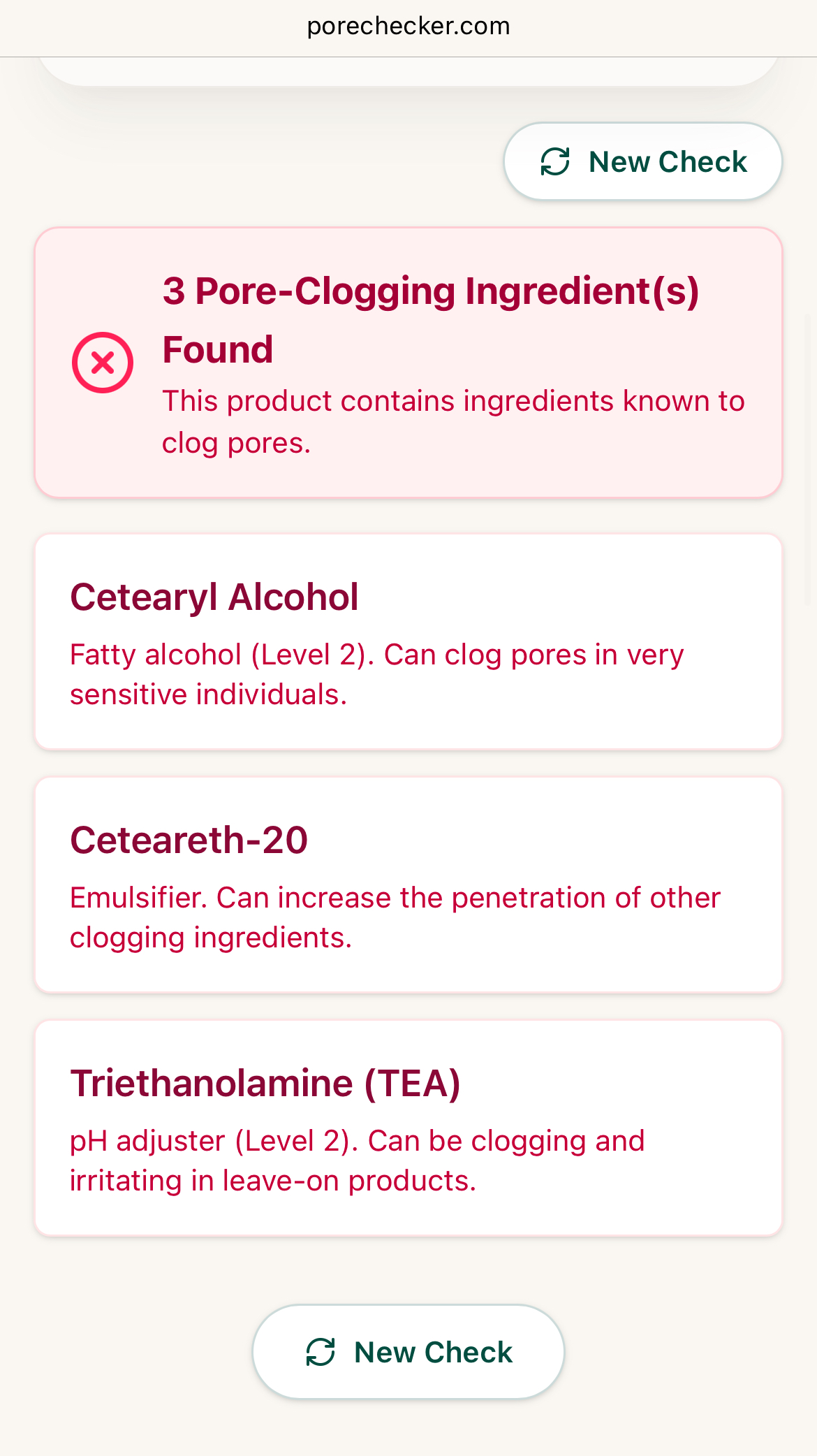
Step 3: Clear Results for Clearer Skin
You get an immediate breakdown. If any red-flag ingredients are found, we highlight them and explain why they might be problematic for your pores.
Does this product fit my skin's needs?
Check Your Products Now