Why Is My Skin Breaking Out? Decoding What Foods Cause Acne
Discover the connection between diet & breakouts. Learn about what foods cause acne and how they affect your skin. Expert advice for clearer skin.

For many of us, the quest for clear, healthy skin can feel like an ongoing battle. We diligently cleanse, moisturize, and apply treatments, yet unwelcome breakouts persist. While a multitude of factors contribute to acne, what we eat plays a significant, and often overlooked, role. Understanding the relationship between what foods cause acne is a crucial step towards achieving the complexion you desire.
This article will explore the dietary culprits that can trigger acne, providing insights into the science behind these reactions. Our focus will be on offering practical, evidence-based advice to help you navigate your diet and make informed choices to support your skin's health. We aim to empower you with the knowledge to manage your acne and achieve a healthier, more radiant complexion, without resorting to overly restrictive diets. Remember, a balanced approach is key.
The Glycemic Index and Its Impact
The glycemic index (GI) measures how quickly a food raises blood sugar levels. Foods with a high GI can contribute to acne by stimulating the production of insulin-like growth factor 1 (IGF-1). Elevated IGF-1 levels can lead to increased sebum production, clogged pores, and, ultimately, breakouts. This doesn't mean you need to avoid all carbohydrates; instead, consider the quality and type.
High-GI Foods to Watch Out For
Common offenders include refined carbohydrates such as white bread, sugary cereals, and processed snacks. These foods are rapidly digested, leading to a spike in blood sugar and the associated hormonal responses that can exacerbate acne. Limit your intake of these foods to see if it helps with your acne.
Making Smart Choices
Prioritize low-GI options such as whole grains, vegetables, and lean proteins. These foods are digested more slowly, preventing drastic fluctuations in blood sugar. Remember that the context of a meal matters too; pairing higher-GI foods with protein or healthy fats can help mitigate their impact on blood sugar levels.
Dairy and Acne: The Connection
Dairy products have been linked to acne in various studies. This is a complex relationship, but it's believed to be primarily due to the hormones and growth factors naturally present in milk. These substances can also trigger the same hormonal pathways that contribute to acne development.
Understanding the Culprits
Cow's milk contains hormones that can stimulate sebum production and inflammation in the skin. Skim milk, in particular, may have a higher impact than whole milk due to the processing involved. Other dairy products, like cheese and yogurt, can also contribute to breakouts in sensitive individuals. It is important to note that this is not the case for everyone.
Exploring Alternatives
If you suspect dairy is a trigger, experiment with alternatives like unsweetened plant-based milks (almond, soy, oat, etc.). Monitoring your skin's response to these changes can help determine whether dairy is a factor in your acne. It is best to consult with a doctor before cutting out whole food groups.
The Role of Processed Foods and Oils
Processed foods often contain high levels of unhealthy fats, sugars, and additives that can promote inflammation and worsen acne. These foods may not directly cause acne, but they can create an internal environment that supports inflammation. Some oils can also contribute, and it is important to choose wisely.
Fats and Inflammation
Excessive intake of omega-6 fatty acids, commonly found in processed foods and certain vegetable oils, can contribute to inflammation in the body. While omega-6 fatty acids are essential, a diet overly rich in these, without balancing omega-3s, can tip the scales toward inflammation. Consider adding more omega-3s, such as flaxseed oil, to your diet.
Making Healthier Choices
Focus on a diet rich in whole, unprocessed foods, including fruits, vegetables, and lean proteins. Choose healthy fats from sources like avocados, nuts, and olive oil. Minimizing your intake of processed foods and trans fats can have a positive impact on your skin health.
Don't Let Your Products Ruin Your Progress
While dietary changes are crucial, remember that clear skin is the result of a multifaceted approach. You may be diligently watching what foods cause acne, but your skincare products could be inadvertently sabotaging your efforts. Many cleansers, moisturizers, and treatments contain ingredients that can clog pores, triggering or worsening breakouts. Even if you've overhauled your diet, certain ingredients in your products can work against you. It's essential to check the ingredient lists of all your skincare products.
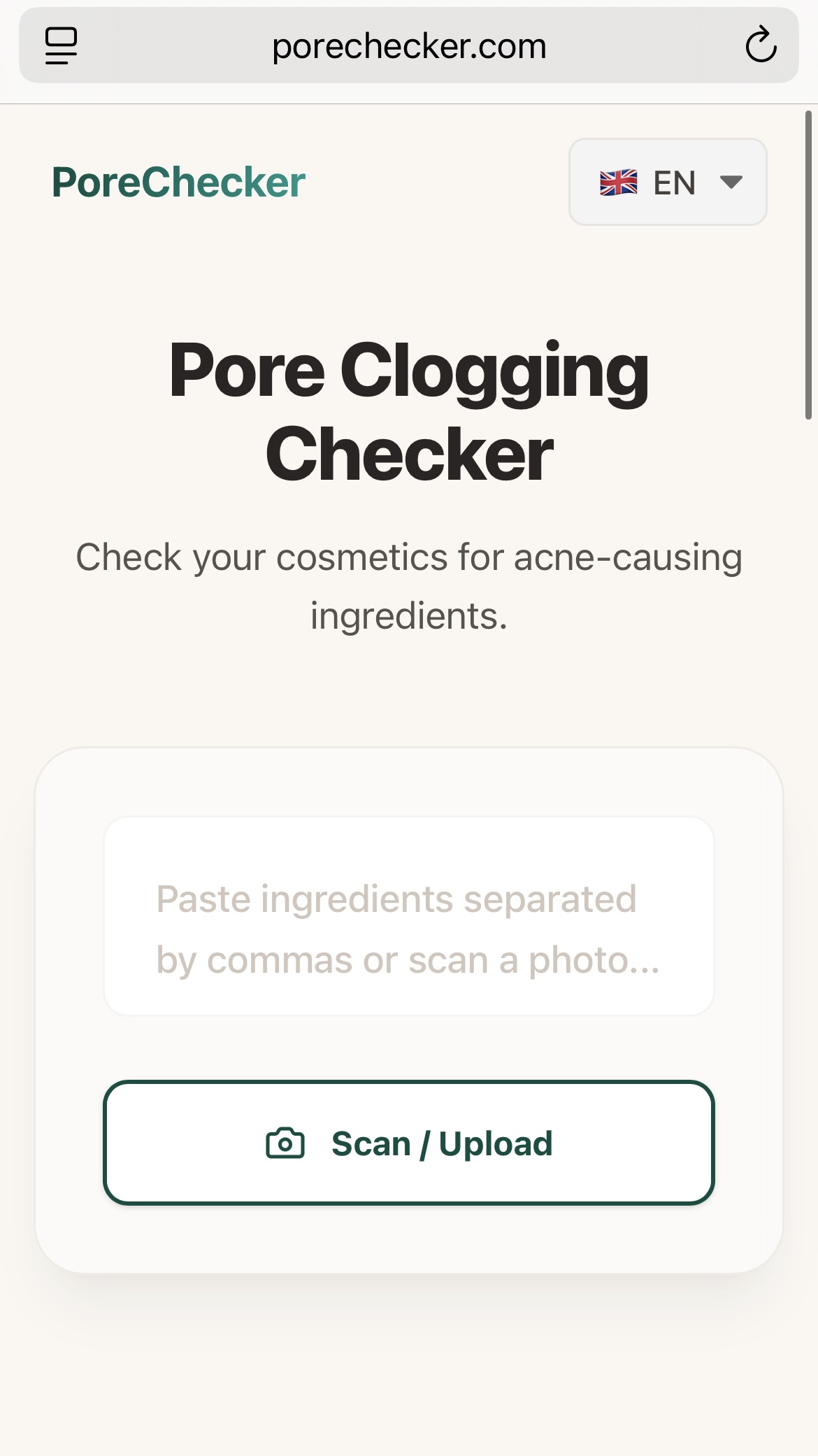
Step 1: Upload Your Product Image
Simply snap a photo of the ingredient list on the back of any bottle, jar, or box. No typing required.
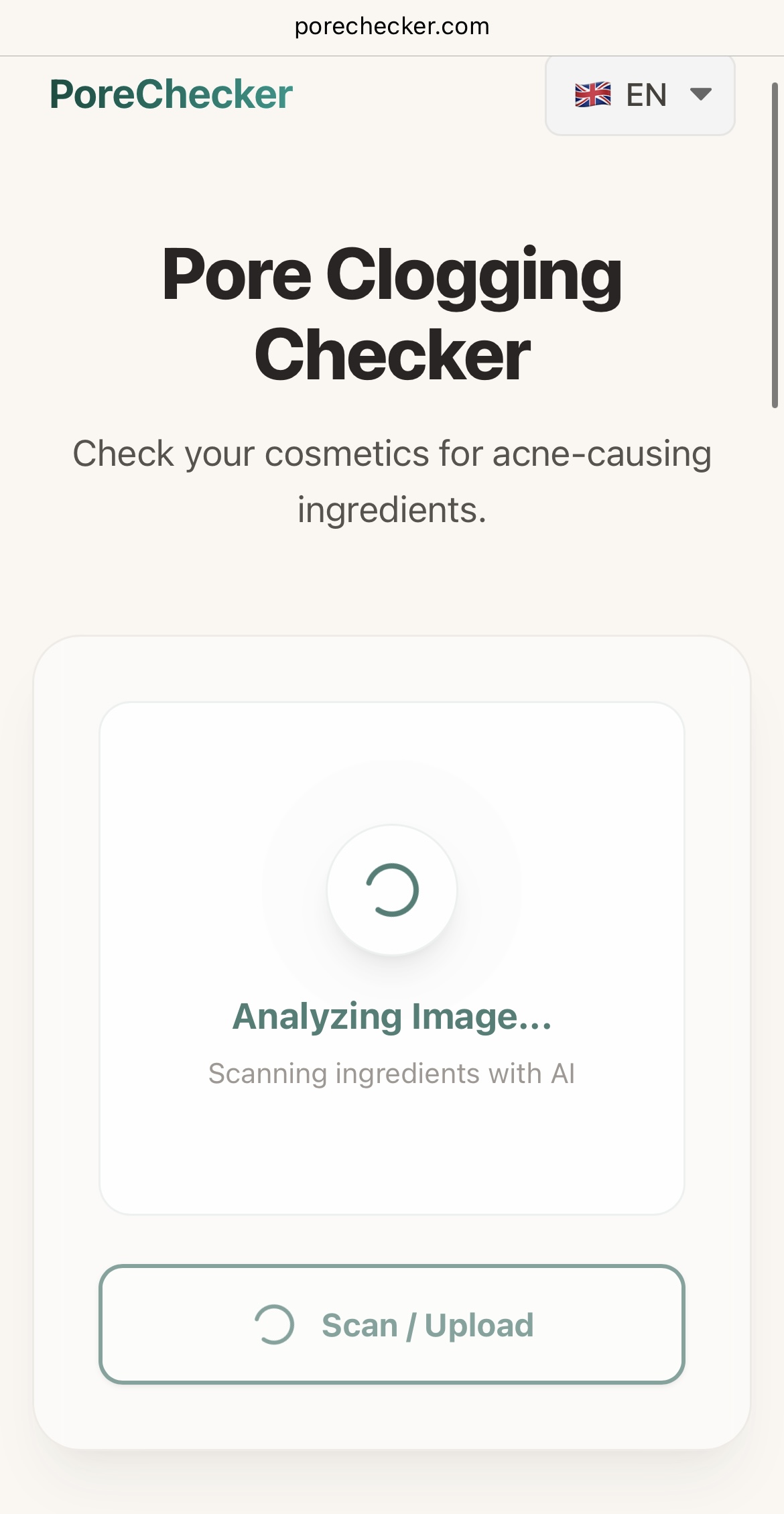
Step 2: Instant AI Ingredient Analysis
Our advanced AI scans the image, performs OCR (Optical Character Recognition), and matches every ingredient against our curated database of comedogenic substances.
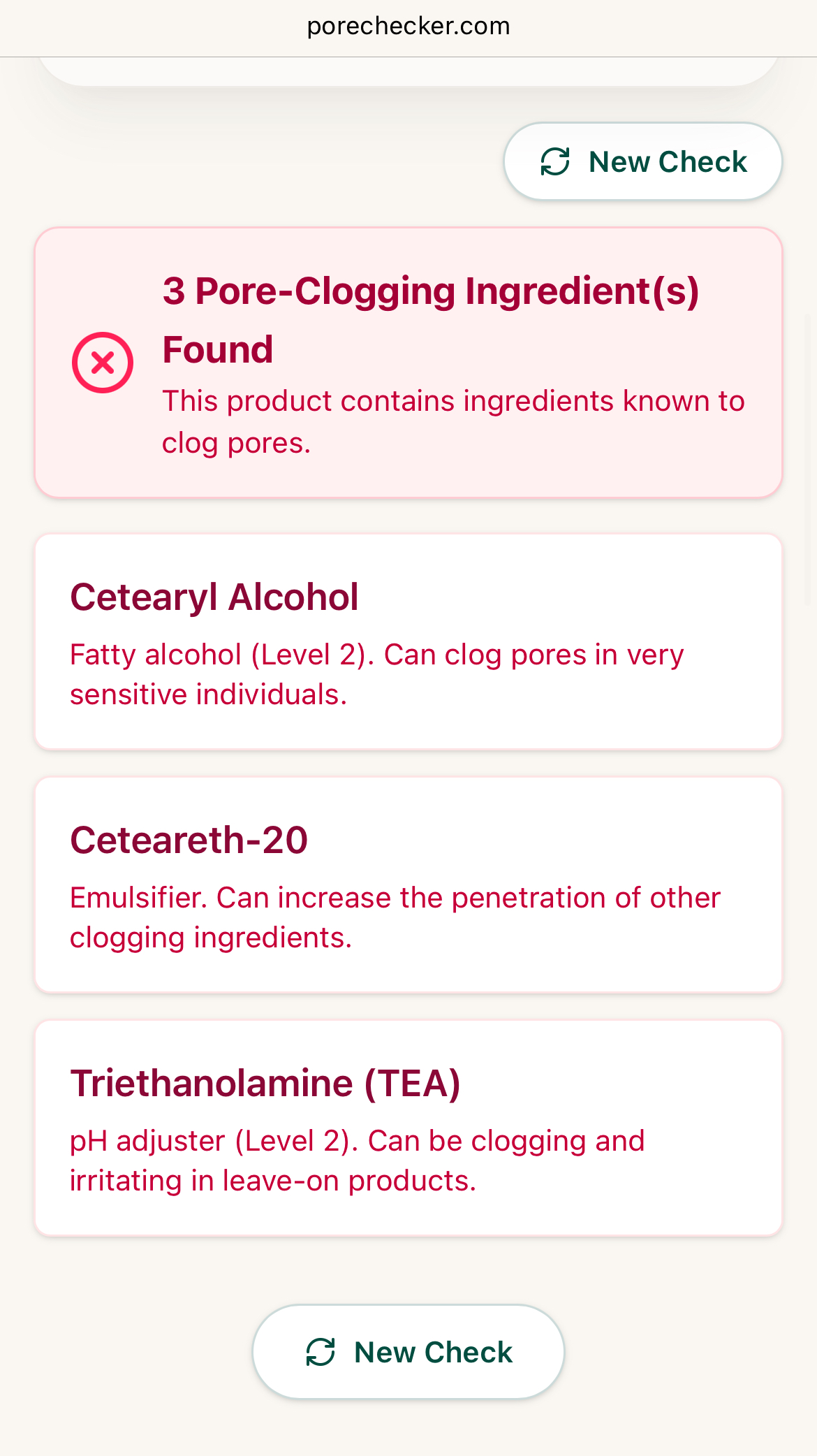
Step 3: Clear Results for Clearer Skin
You get an immediate breakdown. If any red-flag ingredients are found, we highlight them and explain why they might be problematic for your pores.
Does this product fit my skin's needs?
Check Your Products Now