Why Is My Skin Breaking Out? Does Biotin Cause Acne? Unraveling the Truth
Wondering if biotin causes acne? Get expert insights! Learn about its potential effects on your skin, and discover how to maintain clear, healthy skin.
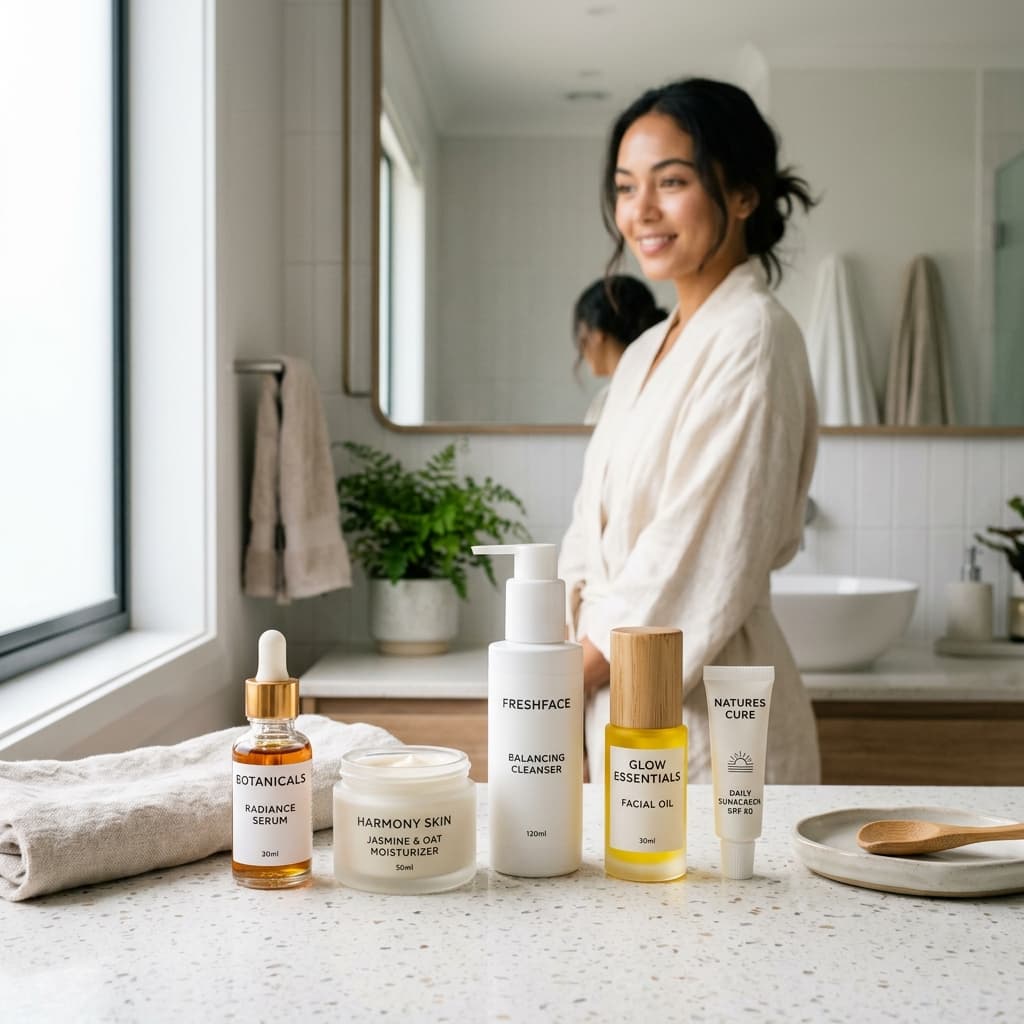
The quest for radiant skin often leads us down many paths, including the use of supplements like biotin. But what happens when a supplement meant to boost our health ends up triggering unwanted breakouts? The question of whether "does biotin cause acne" is a common one, and as a dermatologist, I'm here to provide clarity. The world of skincare is complex, and understanding the potential culprits behind acne is key to achieving a clear complexion. It's especially crucial to focus on non-comedogenic care, choosing products that won't clog pores and exacerbate existing issues.
This article will delve into the science behind biotin and its relationship to acne, addressing your concerns head-on. We'll explore the mechanisms, the research, and what you can do to protect your skin. Remember, achieving healthy skin is a journey, and having the right information can make all the difference. Let's explore the connection between biotin and those unwelcome blemishes, so you can make informed decisions about your skincare routine.
Let's be clear: the relationship between biotin and acne isn't always straightforward. While biotin itself isn't inherently comedogenic (pore-clogging), it can sometimes indirectly contribute to breakouts. It's essential to look at the bigger picture and understand how this supplement interacts with your body and your other skincare choices.
Biotin: The Basics and Its Role in the Body
Biotin, also known as vitamin B7, plays a vital role in various bodily functions, primarily in the metabolism of fats, carbohydrates, and proteins. It's often associated with promoting healthy hair, skin, and nails. Many people turn to biotin supplements to address concerns related to hair loss or brittle nails.
How Biotin Works
Biotin aids in converting nutrients into energy. It supports the production of keratin, a protein that's a building block for hair, skin, and nails. While the body typically doesn't store biotin in significant amounts, deficiencies can lead to various health issues, which is why supplementation is sometimes considered.
The Sources of Biotin
Biotin can be obtained through the diet. Foods rich in biotin include eggs, nuts, seeds, sweet potatoes, and certain organ meats. For those who cannot get enough through diet, supplementation is a common practice.
The Biotin-Acne Connection: Separating Fact From Fiction
The direct link between biotin and acne is not definitively proven by extensive scientific studies. However, some individuals report experiencing breakouts after starting biotin supplements. This connection is likely indirect.
Indirect Mechanisms: How Biotin Might Influence Acne
One theory suggests that biotin might interfere with the absorption of other B vitamins, particularly pantothenic acid (vitamin B5). Vitamin B5 is crucial for healthy skin, and its deficiency can lead to increased sebum production, potentially contributing to acne. Another possibility is that some biotin supplements contain inactive ingredients that might be comedogenic.
Individual Reactions: Your Unique Skin Profile
It's also important to remember that everyone's skin is unique. What causes breakouts in one person might not affect another. Genetics, existing skin conditions, and other lifestyle factors play a significant role. If you suspect biotin is causing your acne, consider consulting a dermatologist to assess your specific situation.
Taking Control: Strategies for Clear Skin
Whether or not biotin is the direct culprit, there are numerous strategies to help maintain clear skin. These are essential steps to take, regardless of whether or not you are taking biotin.
Prioritize a Consistent Skincare Routine
A consistent skincare routine is the foundation of clear skin. This should include gentle cleansing, exfoliating (if appropriate for your skin type), and using a non-comedogenic moisturizer. Avoid harsh products that can strip the skin of its natural oils, which can lead to increased sebum production as the skin attempts to compensate.
Carefully Choose Your Products
Select skincare products that are specifically labeled as non-comedogenic. Look for formulations that are oil-free and avoid ingredients known to clog pores, such as mineral oil, certain silicones, and heavy waxes. Reading labels carefully is key to avoid hidden pore-cloggers.
Mindful Supplementation: Assess and Adjust
If you're taking biotin supplements and experiencing acne, consider reducing the dosage or discontinuing them. Discuss this with your healthcare provider or dermatologist. It's often helpful to keep a skincare journal to track changes in your skin after making adjustments to your supplement regimen.
Don't Let Your Products Ruin Your Progress
Understanding the potential for supplements like biotin to affect your skin health is just the first step. The products we use daily, from cleansers to makeup, can also contribute to breakouts. Many seemingly harmless products contain ingredients that can clog pores and trigger acne. This is where diligent ingredient checking becomes crucial. Identifying pore-clogging ingredients, even in products that claim to be "acne-safe," can make all the difference in keeping your skin clear and healthy. To further demystify this area, there are tools available that can help you easily determine the comedogenicity of ingredients in your existing skincare routine.
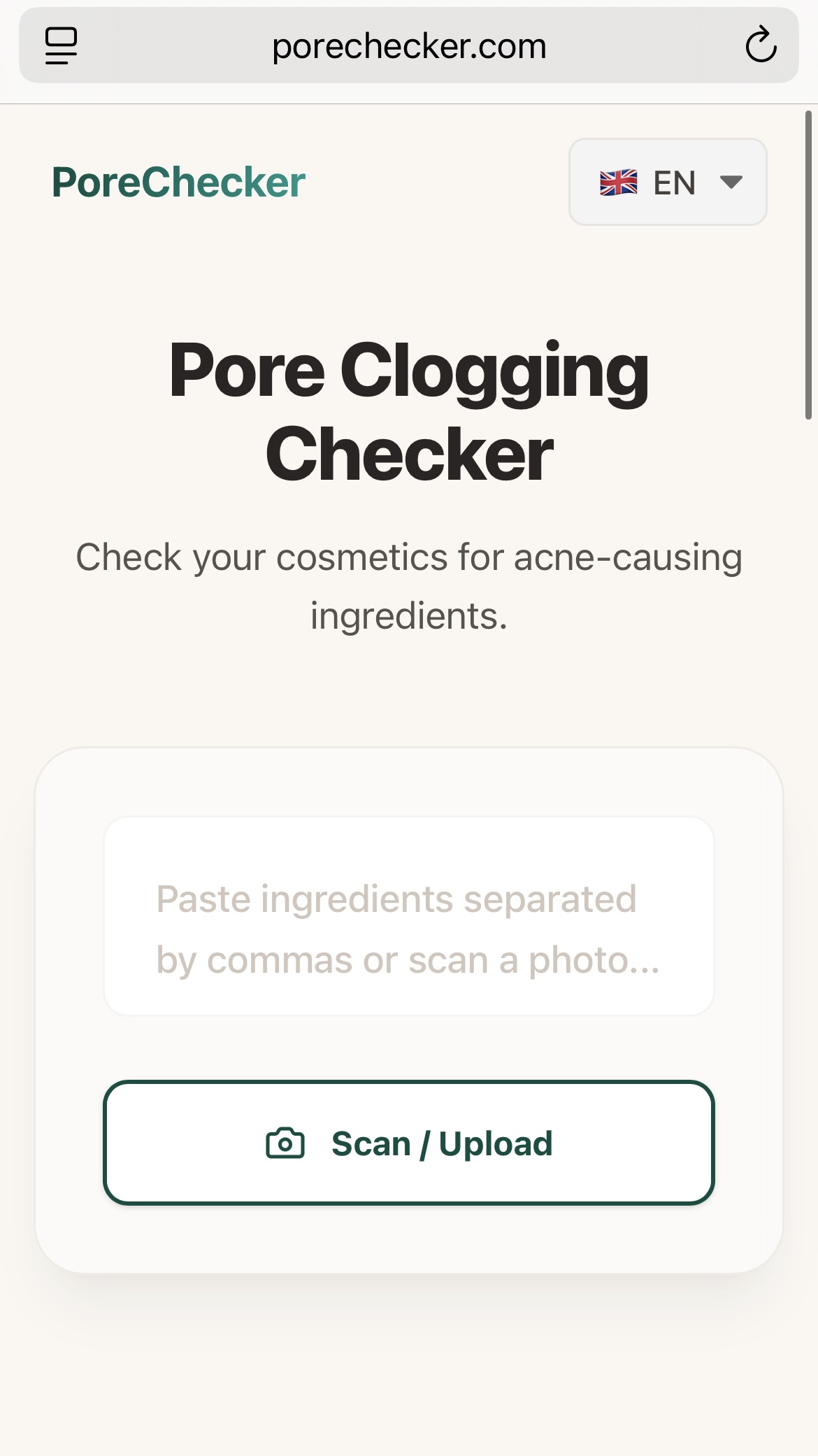
Step 1: Upload Your Product Image
Simply snap a photo of the ingredient list on the back of any bottle, jar, or box. No typing required.
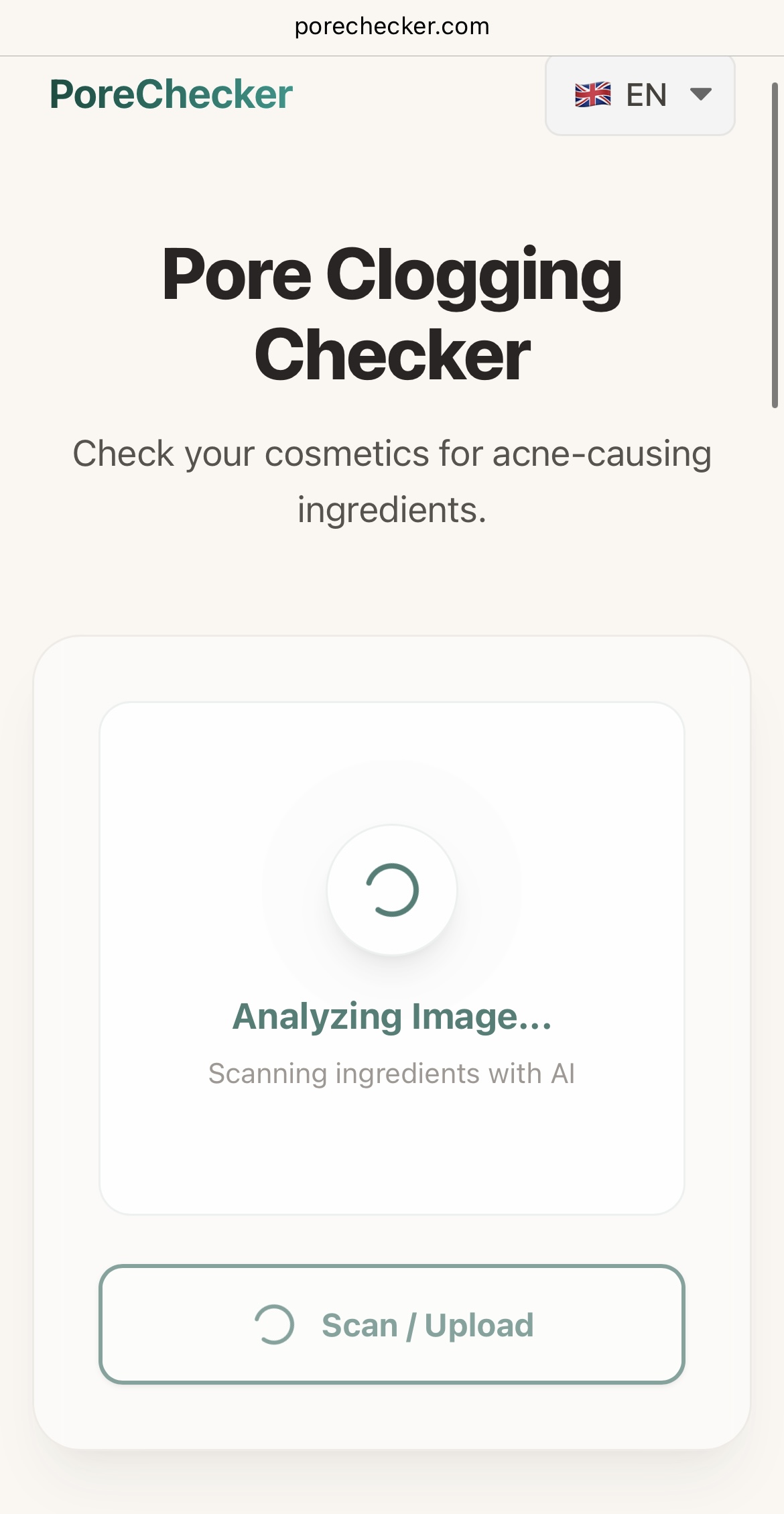
Step 2: Instant AI Ingredient Analysis
Our advanced AI scans the image, performs OCR (Optical Character Recognition), and matches every ingredient against our curated database of comedogenic substances.
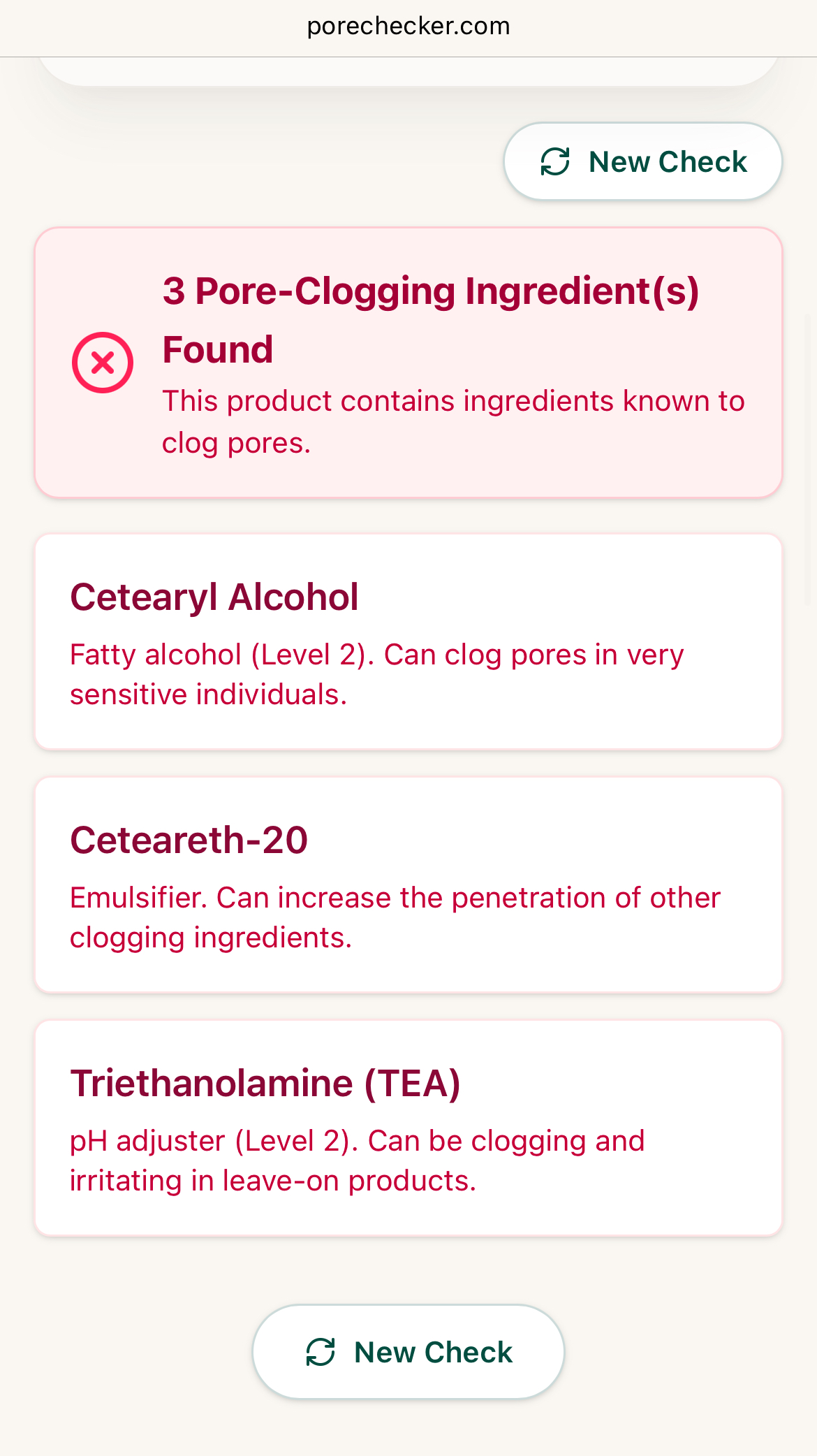
Step 3: Clear Results for Clearer Skin
You get an immediate breakdown. If any red-flag ingredients are found, we highlight them and explain why they might be problematic for your pores.
Does this product fit my skin's needs?
Check Your Products Now