Why Is My Skin Breaking Out? Understanding What Causes Cystic Acne
Struggling with painful cystic acne? Discover the underlying causes, from hormones to skincare. Learn how to treat and prevent breakouts. Get expert tips!

Cystic acne. The words themselves can evoke a sigh of frustration and a wash of negative emotions. Those deep, painful, pus-filled lumps that seem to erupt from nowhere can significantly impact your self-esteem and quality of life. As a dermatologist, I understand the emotional toll this condition takes. But, I also know that understanding what causes cystic acne is the first and most crucial step in managing it effectively. This isn't just about surface-level solutions; it's about addressing the underlying mechanisms that drive these stubborn breakouts. A key part of your approach should be to use non-comedogenic skincare products, which won't clog your pores.
The journey to clear skin is often paved with misinformation and quick fixes. What you need is a science-backed understanding of the factors that trigger cystic acne. This involves more than just identifying the symptoms. We need to dig deep into the biological processes at play, from hormonal fluctuations to the role of bacteria and the impact of environmental factors. The goal is not just to treat the acne, but to empower you with the knowledge to take control of your skin health.
We'll be navigating the complexities of cystic acne, providing clarity and actionable insights that you can implement immediately. Let's delve into the root causes and equip you with the knowledge needed to reclaim your confidence and achieve healthier, clearer skin.
Unmasking the Culprits: The Root Causes of Cystic Acne
Cystic acne isn't just an unfortunate skin blemish; it's a complex interplay of several factors working in concert. These factors often include a combination of overactive oil glands, clogged pores, bacteria, and inflammation. Understanding each element is crucial for effective treatment.
Hormonal Havoc
Hormones, especially androgens (like testosterone), play a significant role in stimulating the sebaceous glands to produce excess sebum (oil). This overproduction can lead to clogged pores, which is a perfect breeding ground for acne-causing bacteria. Hormonal fluctuations, common during puberty, menstruation, pregnancy, and menopause, can trigger or exacerbate cystic acne. Polycystic ovary syndrome (PCOS) is a common condition that can greatly impact hormonal balance and increase acne, especially cystic acne.
The Bacterial Battlefield
The bacteria *Cutibacterium acnes* (formerly *Propionibacterium acnes* or *P. acnes*) thrives in the oxygen-poor environment of a clogged pore. This bacterial overgrowth triggers an inflammatory response in the skin, leading to the painful, deep cysts characteristic of cystic acne. While this bacteria is present on everyone’s skin, its overgrowth and the resulting inflammation are key triggers.
The Pore's Peril
Clogged pores, or comedones, are the foundation upon which cystic acne builds. When dead skin cells and excess oil combine, they can form a plug that blocks the pore. This blockage creates an ideal environment for bacteria to thrive and for inflammation to occur deep within the skin, which is what causes the cysts. The type of pore blockage—whether an open comedone (blackhead) or a closed comedone (whitehead)—can affect the severity of the acne.
Inflammation's Fury
Inflammation is the body's response to infection or injury, and in the case of cystic acne, it is a key driver of cyst formation. The immune system rushes to the affected area, leading to redness, swelling, and pain. Deep, painful cysts are the hallmark of this inflammatory response. The severity of the inflammation often dictates the type and intensity of treatments needed.
Hidden Pore-Cloggers: Your Skincare Detective Guide
Sometimes, the culprits behind your breakouts are in your very own skincare routine! Many products contain ingredients that can clog pores, leading to the formation of comedones and ultimately, cystic acne. Becoming a skincare detective means carefully examining labels and understanding which ingredients to avoid.
Oils and Butters: The Good, the Bad, and the Ugly
While some oils can be beneficial for the skin, others are highly comedogenic, meaning they are likely to clog pores. Ingredients like coconut oil, cocoa butter, and shea butter can be problematic for acne-prone skin. It’s important to remember that this varies from person to person. However, these ingredients are commonly linked to breakouts. Always opt for non-comedogenic oils, such as grapeseed or rosehip oil, which are less likely to cause issues.
Thick Creams and Lotions: Watch the Texture
Heavy creams and lotions are often loaded with ingredients that can contribute to clogged pores. Look for lightweight, oil-free formulations, especially if you have oily or acne-prone skin. Avoid products containing mineral oil, petrolatum, and certain silicones, as these can trap oil and dead skin cells.
Fragrances and Essential Oils: The Irritation Factor
Fragrances and essential oils, while adding a pleasant scent, can irritate the skin and potentially worsen acne. These ingredients can trigger inflammation, leading to breakouts. Opt for fragrance-free products or those with minimal fragrance.
Makeup Matters: Choose Wisely
Non-comedogenic makeup is a must if you have acne-prone skin. Avoid heavy, oil-based foundations and opt for mineral-based or water-based products. Always remove makeup thoroughly at the end of the day to prevent pore blockage. Check the labels and look for the “non-comedogenic” label to ensure it is safe to use.
Don't Let Your Products Ruin Your Progress
Understanding the root causes of cystic acne is crucial, but what if your skincare routine itself is contributing to the problem? Many products contain ingredients that, while not inherently harmful to all, can be problematic for acne-prone skin. Recognizing these hidden pore-cloggers is key to preventing future breakouts. Luckily, there are tools available to assist you in identifying these troublesome ingredients.
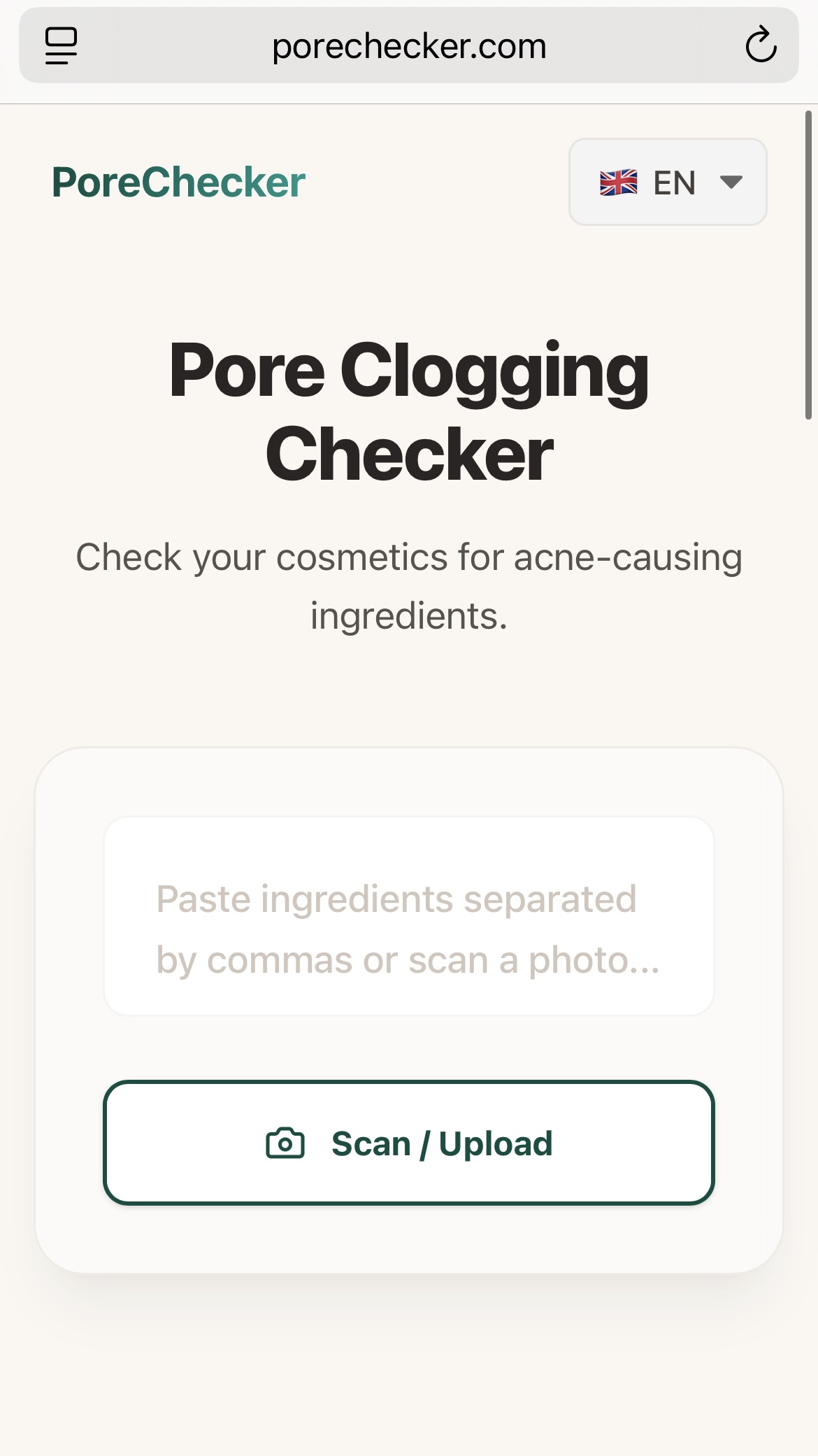
Step 1: Upload Your Product Image
Simply snap a photo of the ingredient list on the back of any bottle, jar, or box. No typing required.
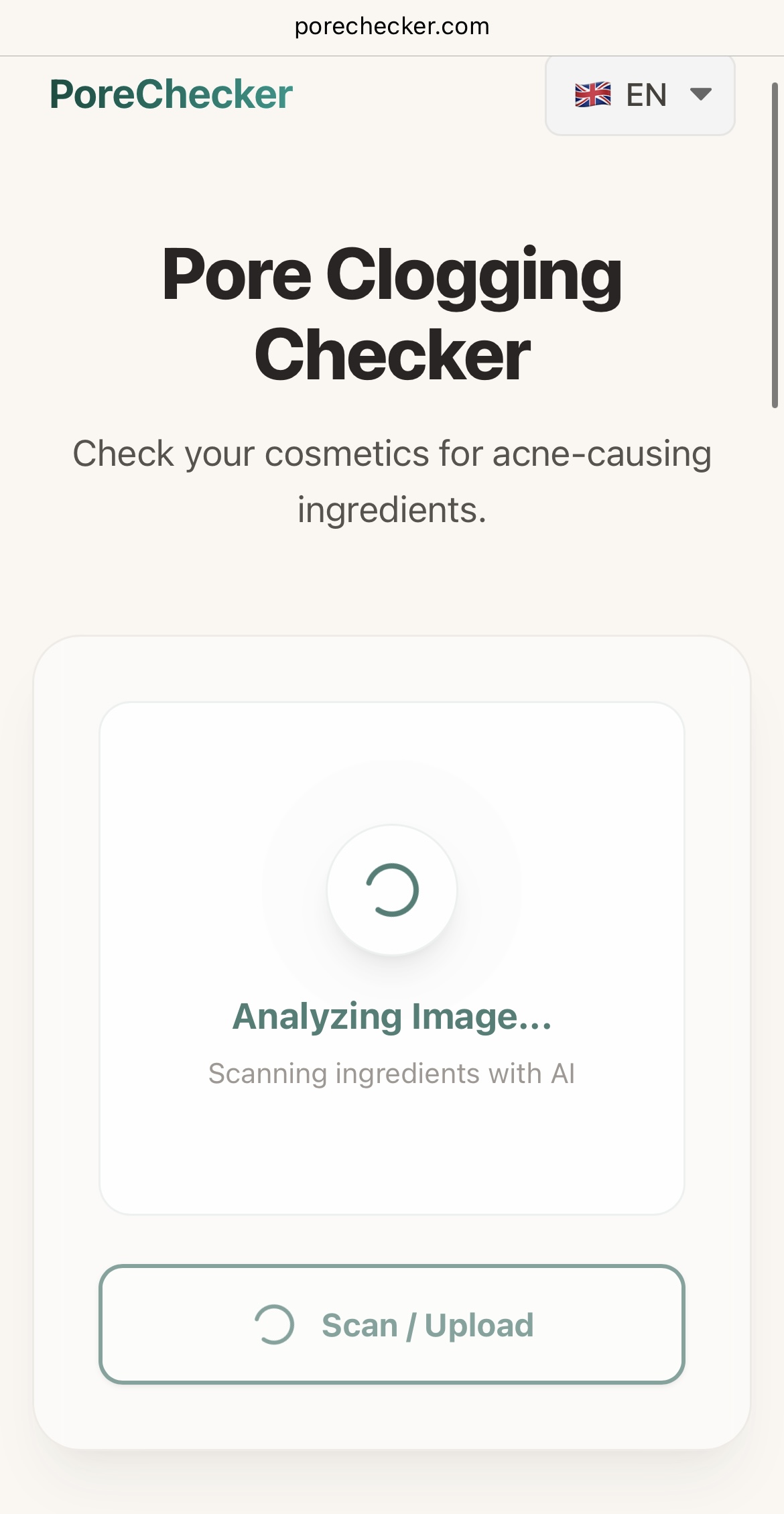
Step 2: Instant AI Ingredient Analysis
Our advanced AI scans the image, performs OCR (Optical Character Recognition), and matches every ingredient against our curated database of comedogenic substances.
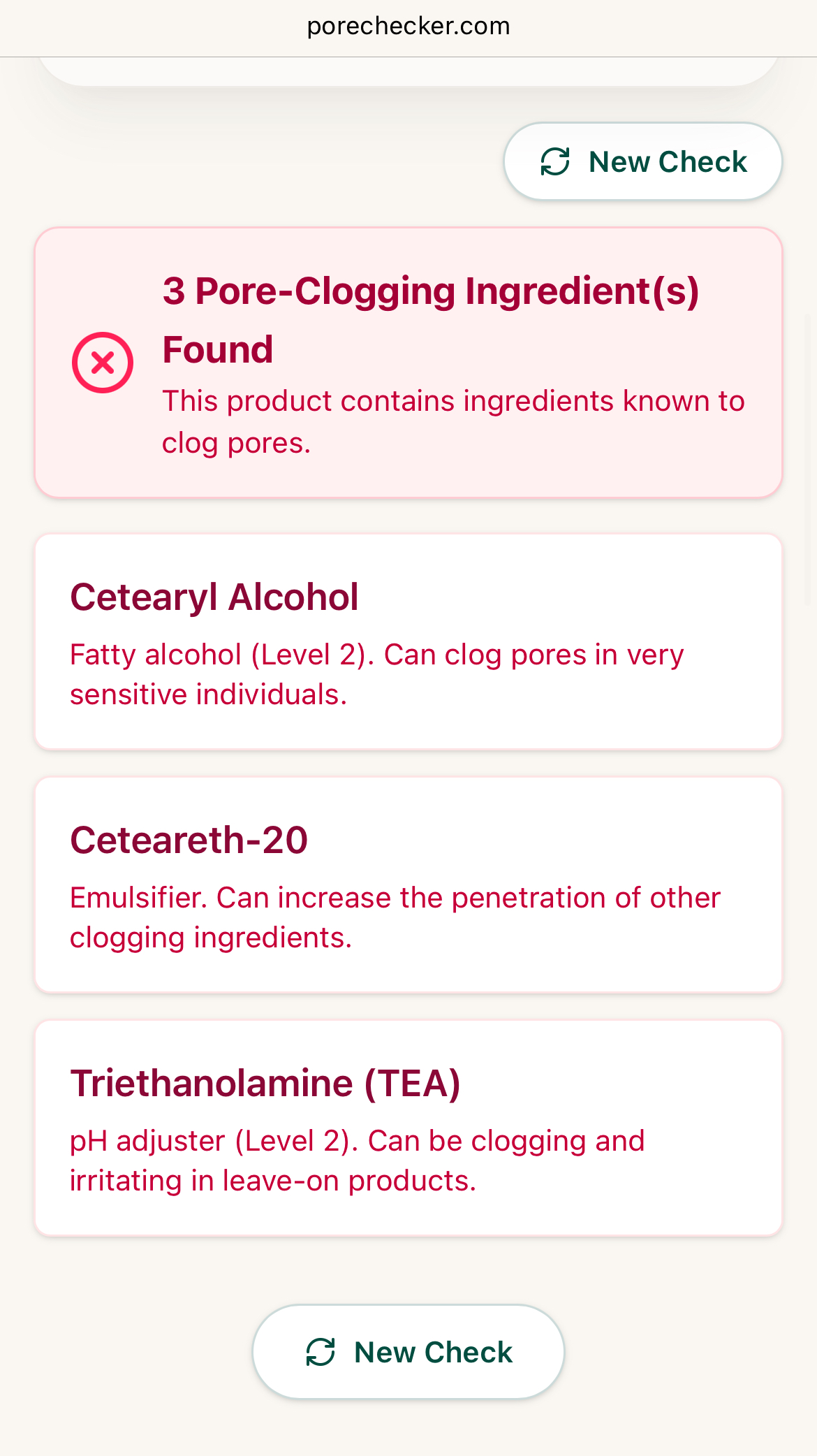
Step 3: Clear Results for Clearer Skin
You get an immediate breakdown. If any red-flag ingredients are found, we highlight them and explain why they might be problematic for your pores.
Does this product fit my skin's needs?
Check Your Products Now