Why Is My Skin Breaking Out? Understanding What Is Hormonal Acne & How to Find Relief
Struggling with breakouts? Discover what is hormonal acne, its triggers, and effective skincare strategies. Find relief with science-backed advice!

Acne can be a frustrating and often painful experience, and when it seems to flare up cyclically, the culprit might be hormonal acne. This type of acne is intrinsically linked to fluctuations in your hormones, making it a unique challenge to manage. While traditional acne treatments can help, understanding the root cause is crucial for effective long-term solutions. It’s important to remember that you're not alone, and many individuals navigate this very real skin concern.
This article will delve into the intricacies of what is hormonal acne, providing you with science-backed insights and practical tips. We'll explore the hormonal imbalances that trigger breakouts, how they manifest on your skin, and, most importantly, how to take control of your skin health. We'll also emphasize the importance of using non-comedogenic skincare products, which are formulated to avoid clogging pores and potentially worsening your condition.
The Hormonal Rollercoaster: What Triggers Hormonal Acne?
Hormonal acne is primarily driven by an overproduction of androgens, a group of hormones that includes testosterone. Androgens stimulate the sebaceous glands, leading to excess sebum production. This excess oil, combined with dead skin cells, can clog pores, creating an ideal environment for the acne-causing bacteria *Cutibacterium acnes* (formerly *Propionibacterium acnes*) to thrive. Fluctuations in hormones occur during several phases of life, including menstruation, pregnancy, menopause, and also due to conditions such as polycystic ovary syndrome (PCOS).
Menstrual Cycle and Acne
For many women, acne flares up during the premenstrual phase of their cycle. This is because estrogen and progesterone levels change, which affects sebum production. As estrogen drops and testosterone rises, the skin may become more prone to breakouts. This often manifests as inflammatory acne, such as papules, pustules, and deep, painful cysts, which tend to appear along the jawline and chin.
Other Hormonal Influences
Pregnancy, with its dramatic hormonal shifts, can also trigger acne. Similarly, perimenopause and menopause can affect hormone levels, leading to changes in skin health. Conditions like PCOS are often characterized by elevated androgen levels, which can cause chronic acne. Certain medications, such as corticosteroids and some birth control pills, can also influence hormone levels and contribute to breakouts.
Decoding Your Skin: Recognizing Hormonal Acne Symptoms
Recognizing the signs of hormonal acne is key to targeting the underlying cause. While everyone’s skin is unique, certain patterns are common. The location and type of breakouts often offer clues.
Where Does It Appear?
Hormonal acne frequently appears in specific areas. The lower face, including the jawline, chin, and around the mouth, is a classic location. You might also notice breakouts on the cheeks, especially in the T-zone. Unlike acne caused by other factors, hormonal acne can also present as deeper, cystic lesions that can be tender to the touch.
What Does It Look Like?
Hormonal acne can manifest as various types of blemishes. You might see blackheads, whiteheads, papules (small, red, raised bumps), pustules (papules with pus), and deep, painful cysts. The inflammation associated with hormonal acne can sometimes lead to hyperpigmentation, leaving behind dark spots even after the breakouts have healed. The severity can vary, with some individuals experiencing mild, occasional breakouts, while others deal with severe, chronic acne.
Skincare Strategies: Managing Hormonal Acne
Effective skincare for hormonal acne often requires a multifaceted approach. Consistency and patience are crucial. Here’s a breakdown of strategies that can help manage breakouts:
Cleansing and Exfoliation
Gentle cleansing twice daily is essential. Opt for a cleanser that removes impurities without stripping your skin of its natural oils. Exfoliation helps remove dead skin cells that can clog pores. Use a chemical exfoliant, such as a product containing salicylic acid or glycolic acid, 1-3 times a week, depending on your skin’s tolerance. Be cautious not to over-exfoliate, as this can damage the skin barrier and worsen inflammation.
Targeted Treatments
Topical treatments can address breakouts directly. Products containing benzoyl peroxide can kill acne-causing bacteria. Retinoids, derived from vitamin A, can help unclog pores and reduce inflammation. For severe cases, a dermatologist might prescribe stronger medications. Always start with a low concentration and gradually increase as your skin adjusts.
Hydration and Moisturizing
Even if you have oily skin, moisturizing is essential. Look for lightweight, non-comedogenic moisturizers that won't clog pores. Hydration supports skin barrier function and overall health. Drink plenty of water and consider using a hydrating serum containing ingredients like hyaluronic acid.
Dietary Considerations
While diet alone may not eliminate acne, it can influence skin health. Some studies suggest that a diet high in processed foods and sugar may worsen breakouts. Consider incorporating more whole foods, fruits, vegetables, and lean proteins. Pay attention to how your skin responds to different foods and make adjustments as needed. Consult with a doctor or nutritionist for personalized dietary advice.
Lifestyle Adjustments
Stress can exacerbate hormonal imbalances and worsen acne. Managing stress through practices like yoga, meditation, or regular exercise can be beneficial. Get enough sleep and practice good hygiene, such as washing your face after sweating. Avoid touching your face and change your pillowcase frequently.
Don't Let Your Products Ruin Your Progress
It's easy to get caught up in the latest skincare trends, but even the best intentions can backfire if your products contain hidden pore-clogging ingredients. Many seemingly innocent formulations harbor comedogenic substances that can contribute to breakouts, especially when dealing with hormonal acne. Common culprits include heavy oils, certain emulsifiers, and thickeners. To protect your skin and maximize your treatment efforts, it’s imperative to thoroughly evaluate the ingredients in your skincare routine. Consider using a dedicated ingredient checker to easily identify and avoid pore-clogging substances, ensuring your products are truly working for you, not against you.
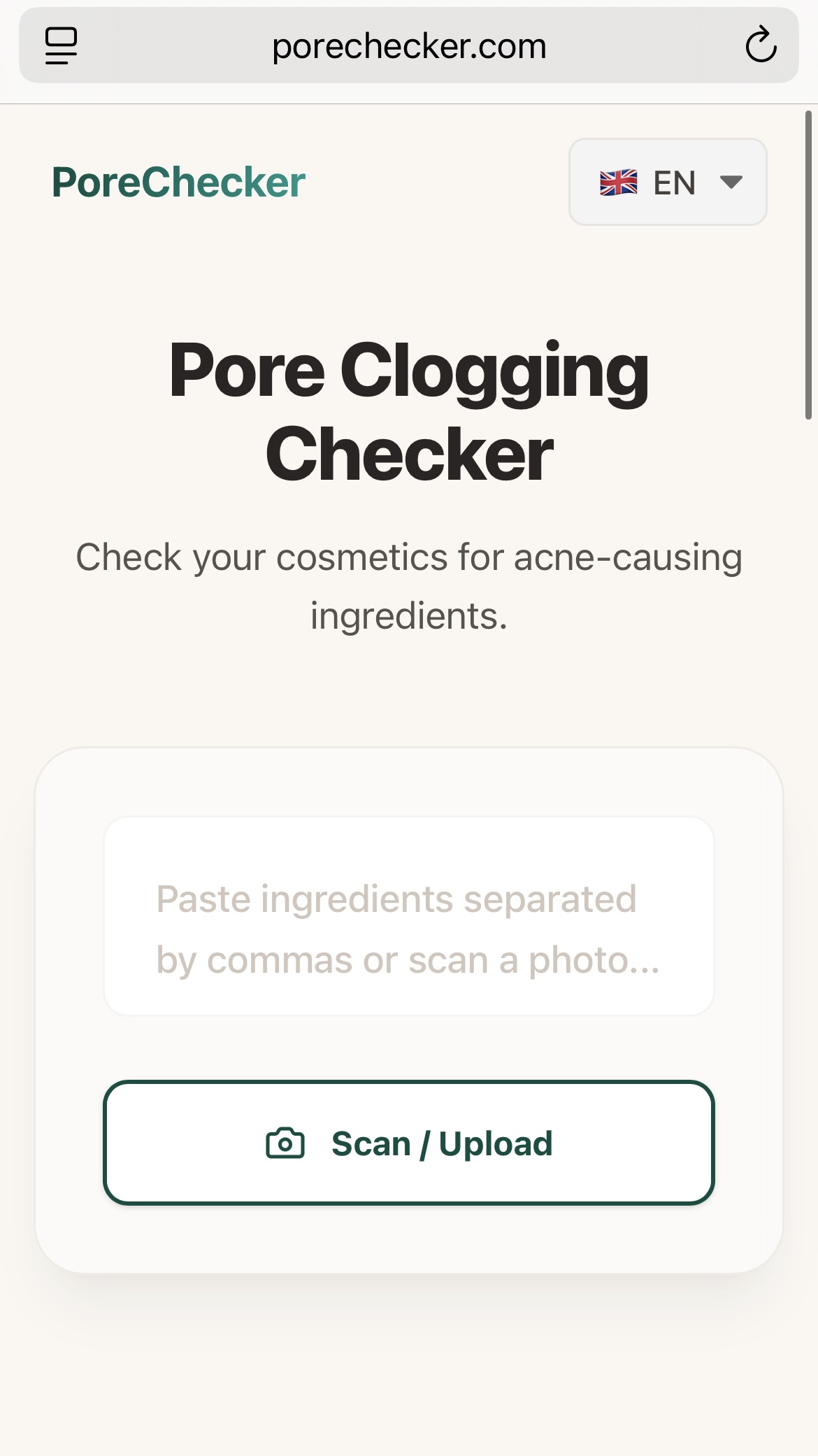
Step 1: Upload Your Product Image
Simply snap a photo of the ingredient list on the back of any bottle, jar, or box. No typing required.
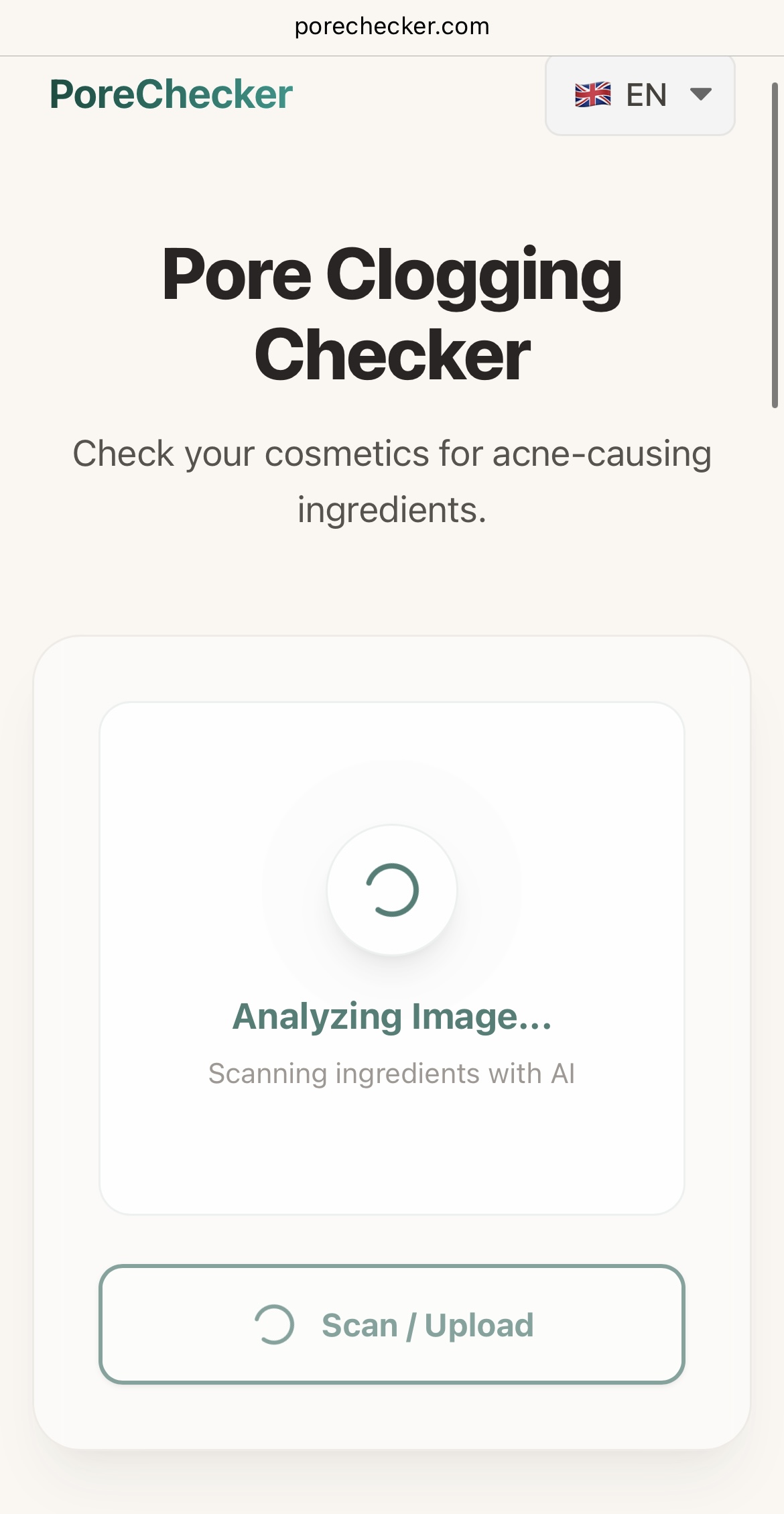
Step 2: Instant AI Ingredient Analysis
Our advanced AI scans the image, performs OCR (Optical Character Recognition), and matches every ingredient against our curated database of comedogenic substances.
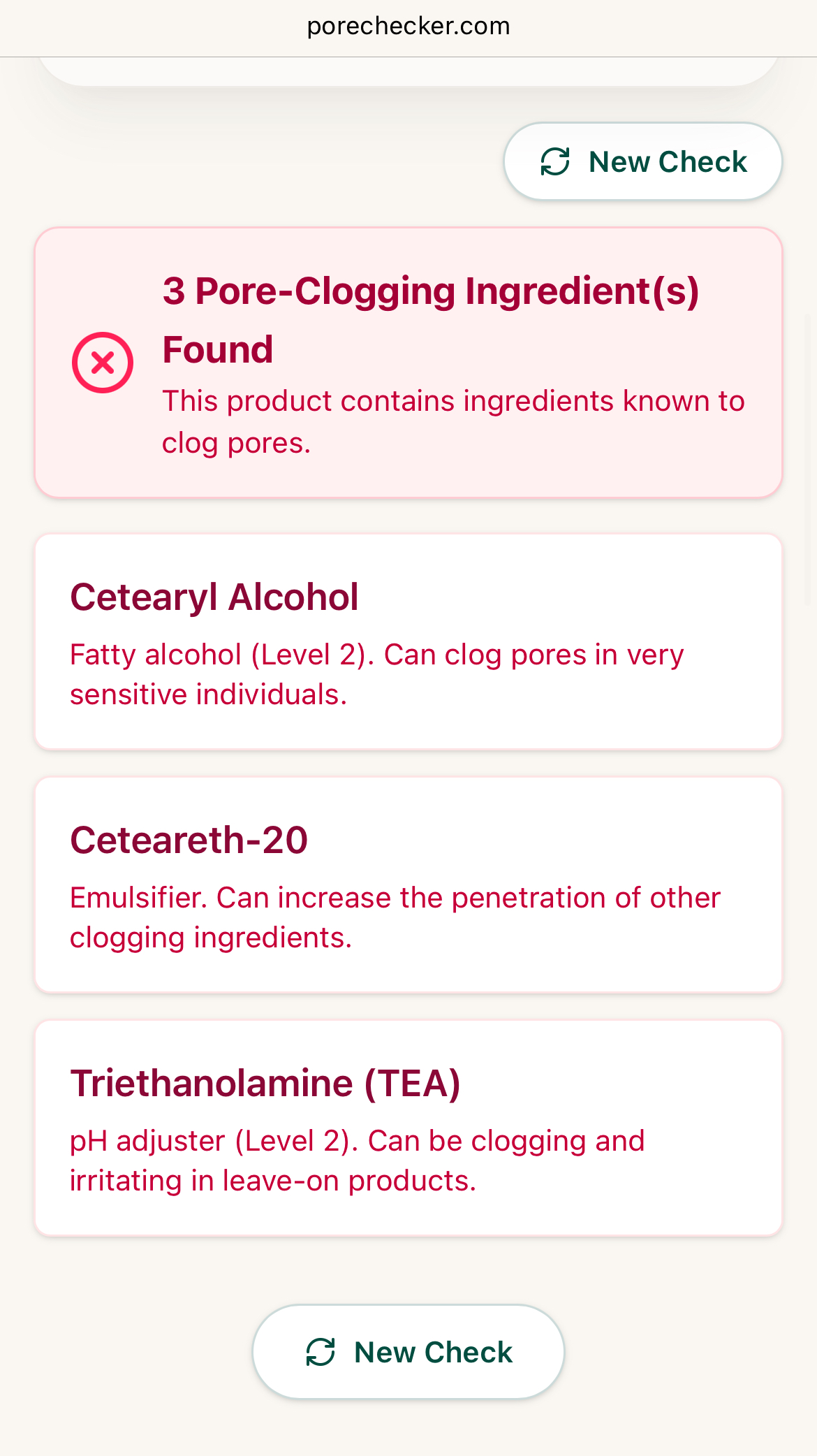
Step 3: Clear Results for Clearer Skin
You get an immediate breakdown. If any red-flag ingredients are found, we highlight them and explain why they might be problematic for your pores.
Does this product fit my skin's needs?
Check Your Products Now