Why Is My Skin Breaking Out? Unpacking What Causes Hormonal Acne
Discover what causes hormonal acne & how to manage it. Expert insights on breakouts, skincare routines, and effective treatments. Get clear skin today!

The frustration of persistent breakouts can be incredibly disheartening, especially when they seem to appear out of nowhere. If you're struggling with acne that flares up around your menstrual cycle, during times of stress, or perhaps seems tied to certain medications, you're likely dealing with hormonal acne. This type of acne is often characterized by deeper, more painful cysts and nodules, particularly along the jawline, chin, and lower face. The good news is, understanding the underlying causes is the first step toward effective management.
Caring for hormonal acne requires a gentle, yet effective approach. Focus on non-comedogenic skincare products – those that are specifically formulated not to clog pores. This means avoiding heavy oils, and ingredients known to exacerbate breakouts. A solid routine includes cleansing, treatment, and moisturizing, and it's always best to consult with a dermatologist to tailor your regimen to your specific skin type and needs.
The Hormonal Rollercoaster: What's Really Going On?
At the heart of hormonal acne are fluctuations in your hormone levels. Androgens, such as testosterone, are the primary culprits. These hormones can stimulate the sebaceous glands in your skin, leading to increased sebum (oil) production. When excess sebum combines with dead skin cells and bacteria, it clogs pores, creating the perfect environment for acne to flourish. These hormonal shifts are most pronounced during puberty, menstruation, pregnancy, and menopause, explaining why breakouts are often cyclical.
Estrogen and Progesterone's Role
Estrogen and progesterone, the primary female sex hormones, also play a role. Progesterone levels rise during the second half of the menstrual cycle, often leading to increased sebum production and, consequently, acne. Estrogen, on the other hand, can help to regulate sebum production. This is why some women experience clearer skin when they are taking birth control pills, which contain synthetic hormones that help to balance hormone levels.
Other Contributing Factors
While hormones are the main driver, other factors can exacerbate hormonal acne. Stress can trigger the release of cortisol, a stress hormone that can further increase sebum production. Genetics can also play a role; if your parents had acne, you may be more prone to it. Certain medications, like corticosteroids and some antidepressants, can also contribute to breakouts. Diet has been linked to acne, particularly foods with a high glycemic index, such as sugary drinks and processed foods, can increase inflammation and potentially worsen acne.
Building a Skincare Arsenal for Hormonal Acne
Effective management of hormonal acne often requires a multi-pronged approach. This typically involves a combination of topical treatments, lifestyle adjustments, and, in some cases, prescription medications. Here's a breakdown:
Topical Treatments: Your First Line of Defense
Over-the-counter (OTC) options like benzoyl peroxide and salicylic acid can be helpful. Benzoyl peroxide kills acne-causing bacteria, while salicylic acid exfoliates the skin and unclogs pores. Start with a low concentration and gradually increase as tolerated to avoid irritation. For more persistent acne, a dermatologist might prescribe retinoids (such as tretinoin or adapalene), which are powerful exfoliants and anti-inflammatory agents. Always introduce new products slowly and monitor for any adverse reactions.
Lifestyle Adjustments: Supporting Your Skin from Within
A healthy lifestyle is crucial. Manage stress through techniques like yoga, meditation, or deep breathing exercises. Eat a balanced diet, emphasizing whole foods, fruits, and vegetables, and limiting processed foods and sugary drinks. Stay hydrated by drinking plenty of water. Adequate sleep is also essential for skin health and overall well-being. These changes support your body's natural processes and can help to reduce inflammation.
Professional Interventions: When to Seek Expert Help
If OTC treatments aren't providing sufficient relief, it's time to consult a dermatologist. They can assess your skin and recommend prescription medications, such as oral contraceptives (for women), spironolactone (an anti-androgen medication), or isotretinoin (a powerful oral retinoid) for severe cases. They may also suggest in-office procedures like chemical peels or laser treatments to address acne and scarring.
Don't Let Your Products Ruin Your Progress
Now that you're armed with information about what causes hormonal acne and how to treat it, remember that even the most well-intentioned skincare products can hinder your progress if they contain pore-clogging ingredients. Often, we unknowingly introduce potential irritants into our routine through seemingly harmless cleansers, moisturizers, or even makeup. The best way to ensure your chosen products are truly supporting your clear-skin goals is to carefully review their ingredients. Look out for ingredients like mineral oil, certain fatty acids, and silicones. Fortunately, there are tools available that can help you quickly assess the comedogenicity of any product, giving you the power to choose wisely and avoid potential breakouts.
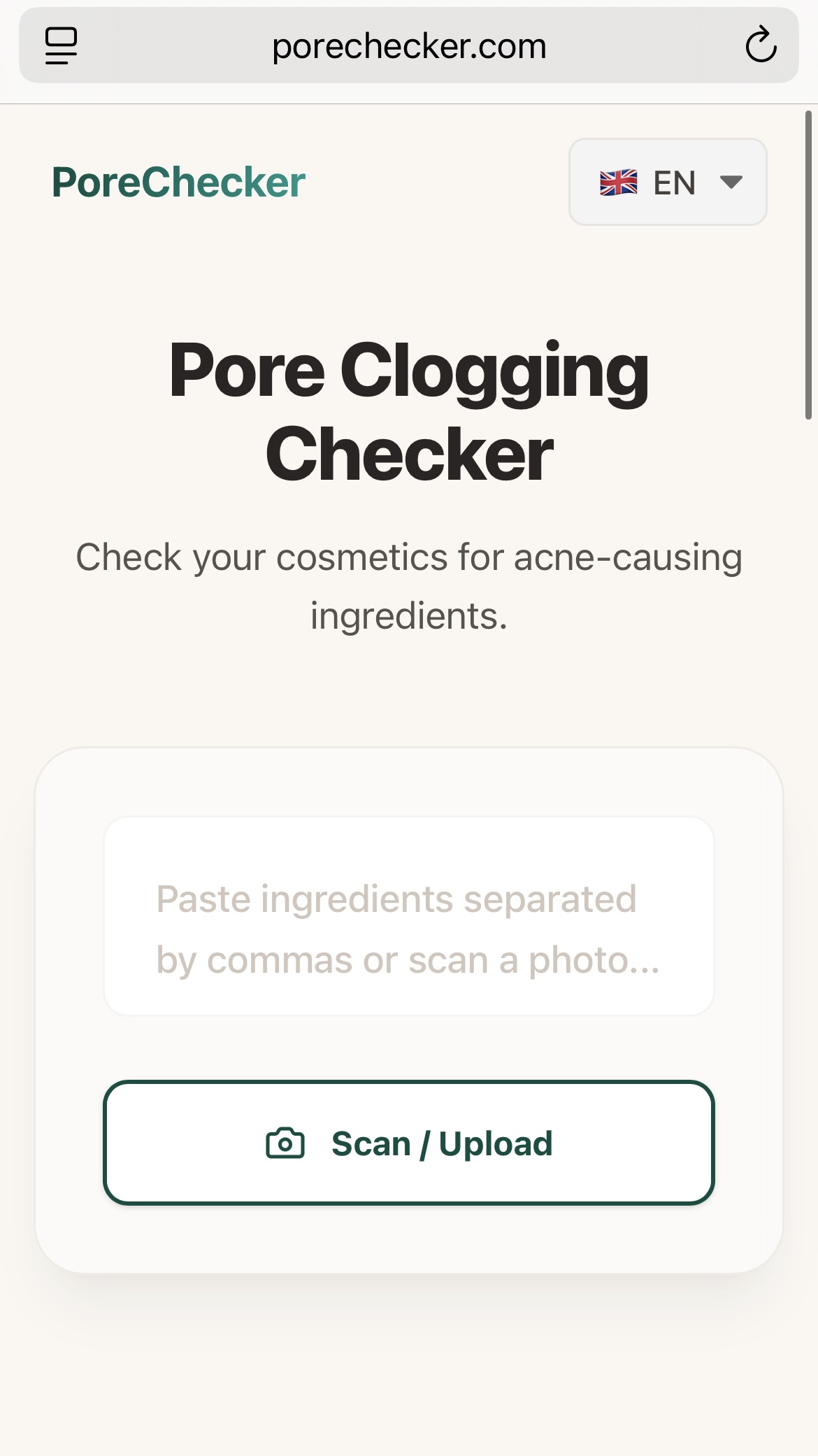
Step 1: Upload Your Product Image
Simply snap a photo of the ingredient list on the back of any bottle, jar, or box. No typing required.
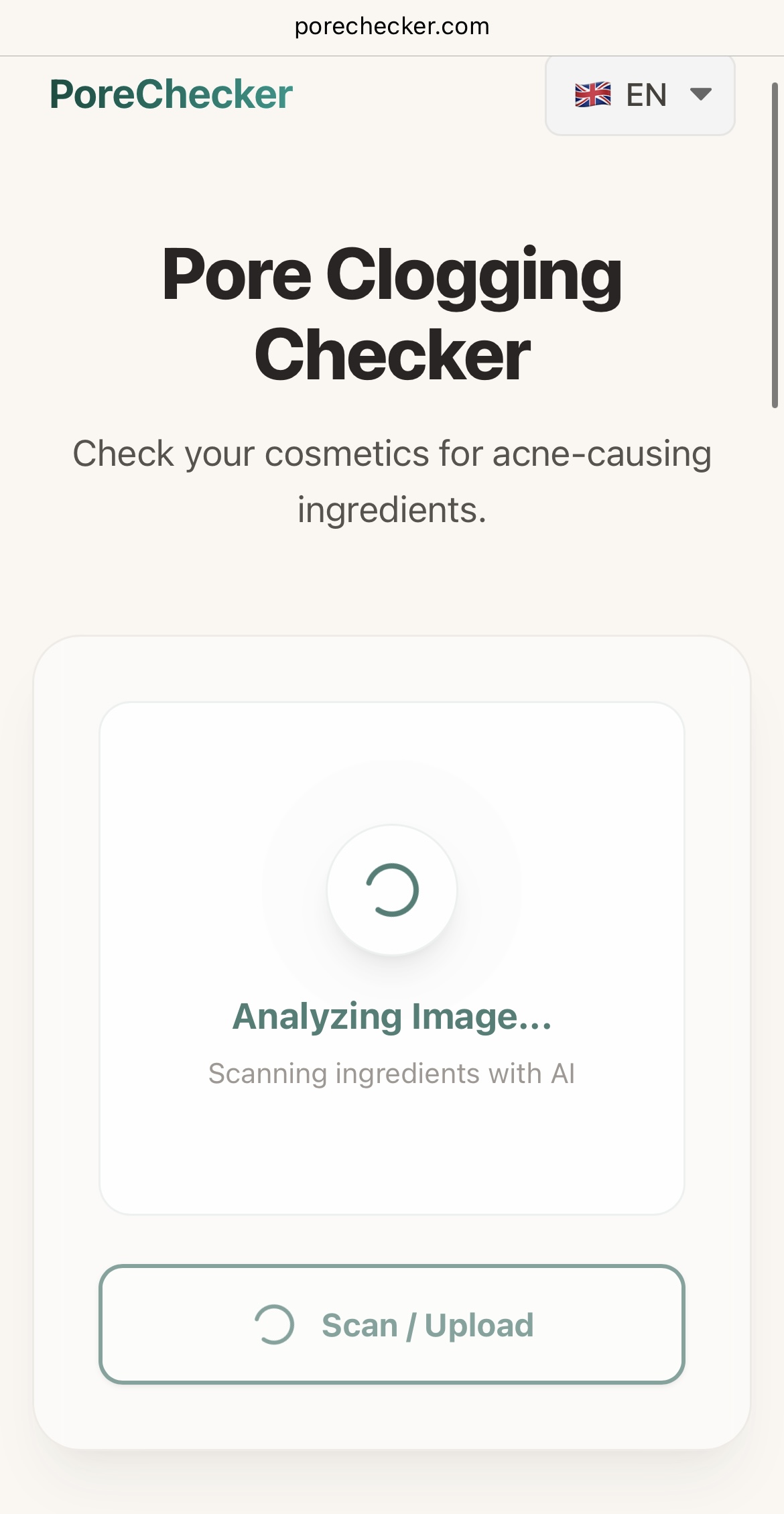
Step 2: Instant AI Ingredient Analysis
Our advanced AI scans the image, performs OCR (Optical Character Recognition), and matches every ingredient against our curated database of comedogenic substances.
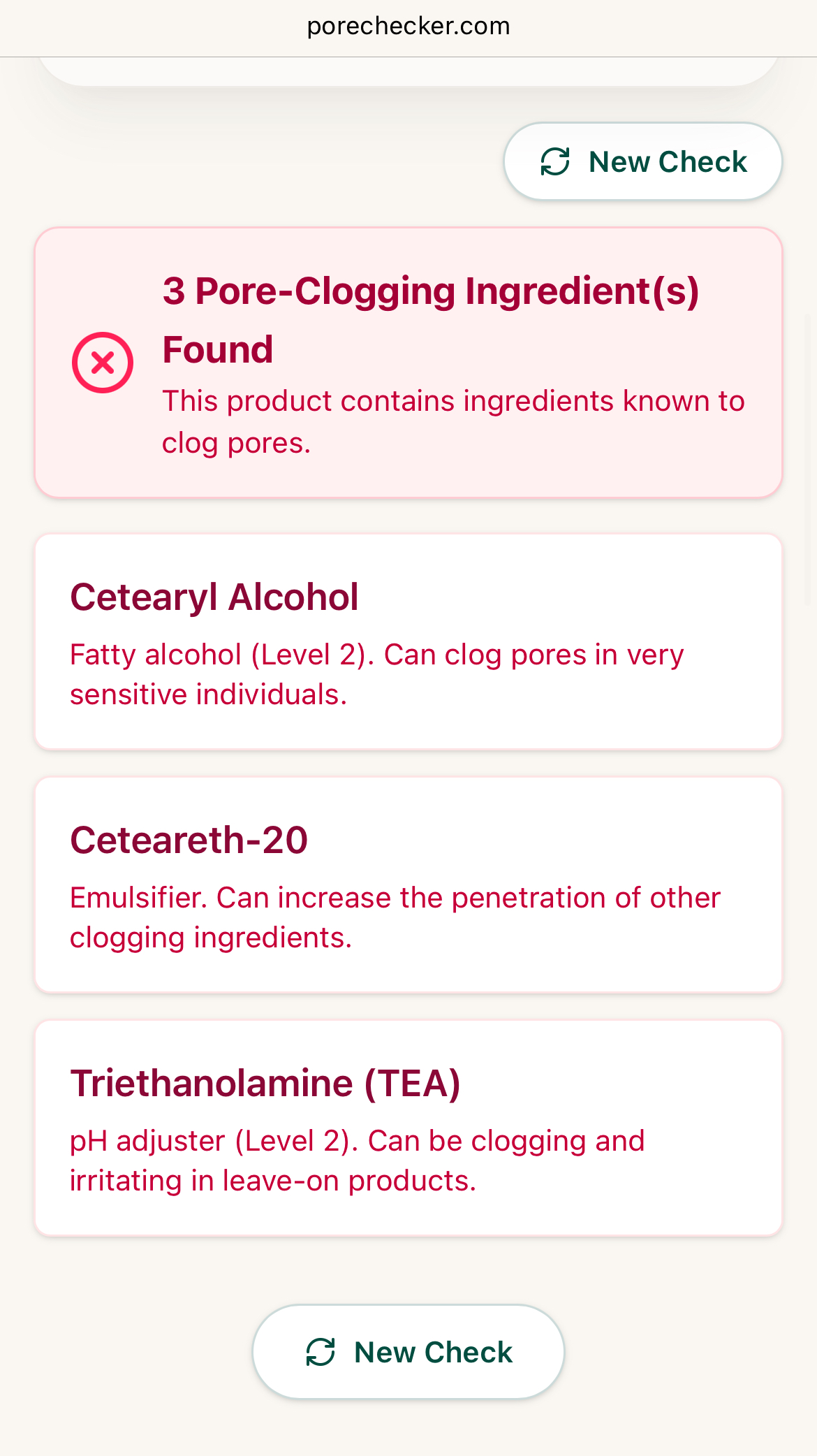
Step 3: Clear Results for Clearer Skin
You get an immediate breakdown. If any red-flag ingredients are found, we highlight them and explain why they might be problematic for your pores.
Does this product fit my skin's needs?
Check Your Products Now