Why Is My Skin Showing Off: Unmasking What Causes Large Pores
Discover the secrets behind large pores and how to minimize them. Learn the causes, from genetics to skincare mistakes, and find effective solutions.
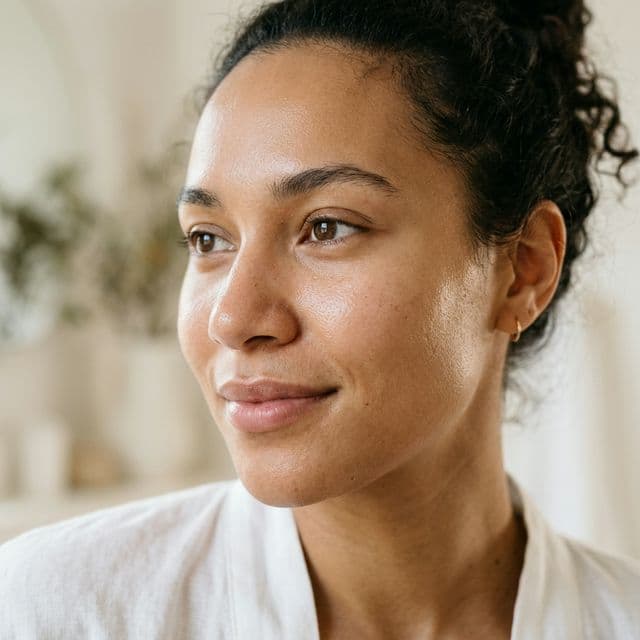
The appearance of large pores is a common skincare concern, and understanding what causes large pores is the first step toward effective management. These tiny openings on the skin's surface, essential for releasing oil and sweat, can sometimes appear more prominent than desired. While pore size is largely determined by genetics, several external and internal factors can exacerbate their appearance, leading to frustration for many. It’s important to remember that you're not alone in this journey, and there are many effective strategies to minimize their look. Focusing on non-comedogenic skincare is key, meaning products that won't clog pores.
This journey requires patience and consistency. The skin on the face is a dynamic ecosystem, continuously renewing itself. Changes won’t be instant, but with the right knowledge and a dedicated skincare routine, you can make a noticeable difference in the appearance of your pores. By understanding what contributes to the visibility of pores, we can create a personalized approach for optimal skin health and a more refined complexion.
The Usual Suspects: Factors Enlarging Pores
Genetics and Skin Type
Unfortunately, some of us are predisposed to larger pores due to our genetic makeup. If your parents or other family members have visible pores, you may be more likely to have them as well. Additionally, those with naturally oily skin tend to have more prominent pores. This is because the sebaceous glands, which produce oil, are often larger in oily skin types, leading to larger pore openings. These larger openings are designed to facilitate the flow of oil to the skin's surface.
Ageing and Loss of Elasticity
As we age, our skin's collagen and elastin production decreases. These proteins provide structure and support to the skin. This decline can result in a loss of firmness, causing the skin around the pores to sag. This loss of support makes pores appear stretched and more noticeable. Sun damage also accelerates this process, further impacting the skin's elasticity and potentially increasing pore size.
Sun Exposure and UV Damage
Ultraviolet (UV) rays from the sun are a significant contributor to premature aging. They break down collagen and elastin fibers, leading to a loss of skin elasticity. Over time, this damage can cause pores to appear enlarged, giving the skin a textured, uneven appearance. Regular and consistent use of sunscreen is crucial to mitigate these effects and protect your skin.
Clogged Pores and Excess Oil Production
Excess sebum (oil) production, a hallmark of oily skin, can cause pores to appear more prominent. When oil, dead skin cells, and debris accumulate within the pore, they can stretch the pore, making it more visible. This process can lead to blackheads and whiteheads, further enlarging the pore. Regular cleansing and exfoliation help remove these impurities.
Skincare Routine Mistakes
Believe it or not, some skincare practices can unintentionally exacerbate the appearance of large pores. Harsh or abrasive scrubs can irritate the skin, leading to inflammation and potentially worsening the problem. Furthermore, using products that clog pores can trap oil and debris, leading to enlarged pores. Non-comedogenic products are essential for preventing this issue.
Hidden Pore-Cloggers: The Ingredients to Watch Out For
Many common skincare ingredients can contribute to clogged pores, even in products that claim to be “non-comedogenic.” These include certain oils, like coconut oil, mineral oil, and shea butter, which can be too heavy for some skin types. Some silicones, while providing a smooth feel, can also trap impurities. Thickeners, emulsifiers and preservatives used to achieve certain product textures or prolong shelf life can cause issues, too. It’s always important to read the labels carefully and understand what you are putting on your skin.
Embrace the Power of Non-Comedogenic Products
Choosing non-comedogenic products is one of the best ways to minimize the risk of clogged pores. Look for cleansers, moisturizers, and makeup that are specifically formulated to be non-pore-clogging. Ingredients such as tea tree oil, willow bark extract and niacinamide can also help control oil production and reduce the appearance of pores.
Exfoliation is Key
Regular exfoliation helps remove dead skin cells that can clog pores. Chemical exfoliants, such as AHAs (alpha-hydroxy acids) and BHAs (beta-hydroxy acids), are very effective. AHAs, like glycolic and lactic acid, work on the surface of the skin, while BHAs, such as salicylic acid, penetrate deeper into the pores to clear out debris. However, proceed with caution and start slowly to avoid irritation.
Protect Your Skin from the Sun
Daily sunscreen is non-negotiable. Choose a broad-spectrum sunscreen with an SPF of 30 or higher to protect your skin from sun damage. Sunscreen should be the last step of your daytime skincare routine, applied generously and reapplied every two hours, especially if you are spending time outdoors.
Hydration is a Must
Although it might seem counterintuitive, adequate hydration is essential for managing oily skin and the appearance of pores. When the skin is dehydrated, it can overproduce oil to compensate, potentially making pores more visible. Drink plenty of water and use a lightweight, hydrating moisturizer to keep your skin balanced.
Don't Let Your Products Ruin Your Progress
Understanding what causes large pores is only half the battle. To truly see improvements, it's essential to scrutinize the products you use every day. Many seemingly innocuous ingredients can contribute to pore-clogging, undoing all your hard work. By carefully evaluating each product’s formulation, you can proactively avoid potential irritants and ensure your skincare routine is working *for* your skin, not against it. A thorough review of your product labels, looking for known pore-clogging offenders, can be the key to clear, refined skin.
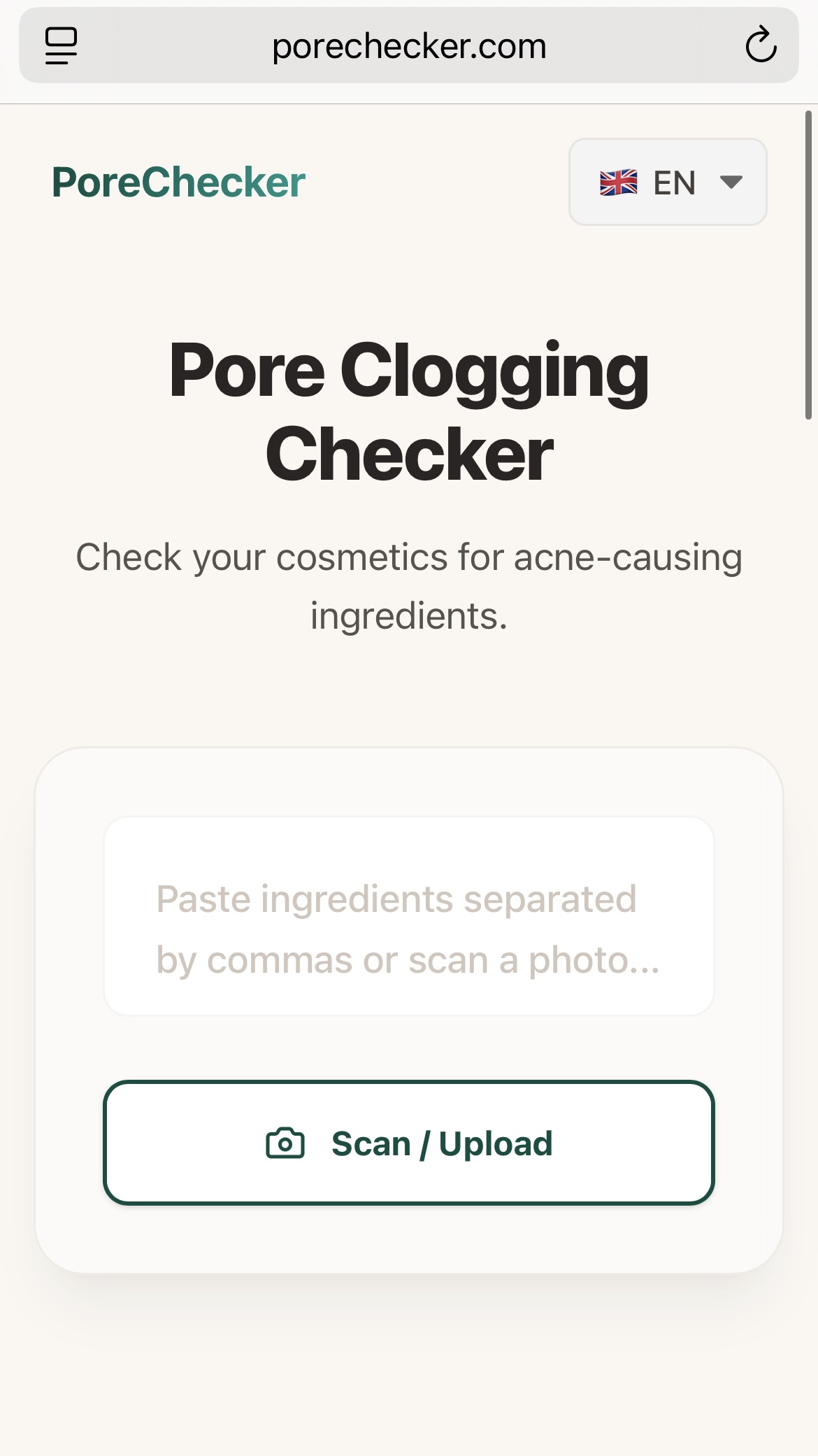
Step 1: Upload Your Product Image
Simply snap a photo of the ingredient list on the back of any bottle, jar, or box. No typing required.
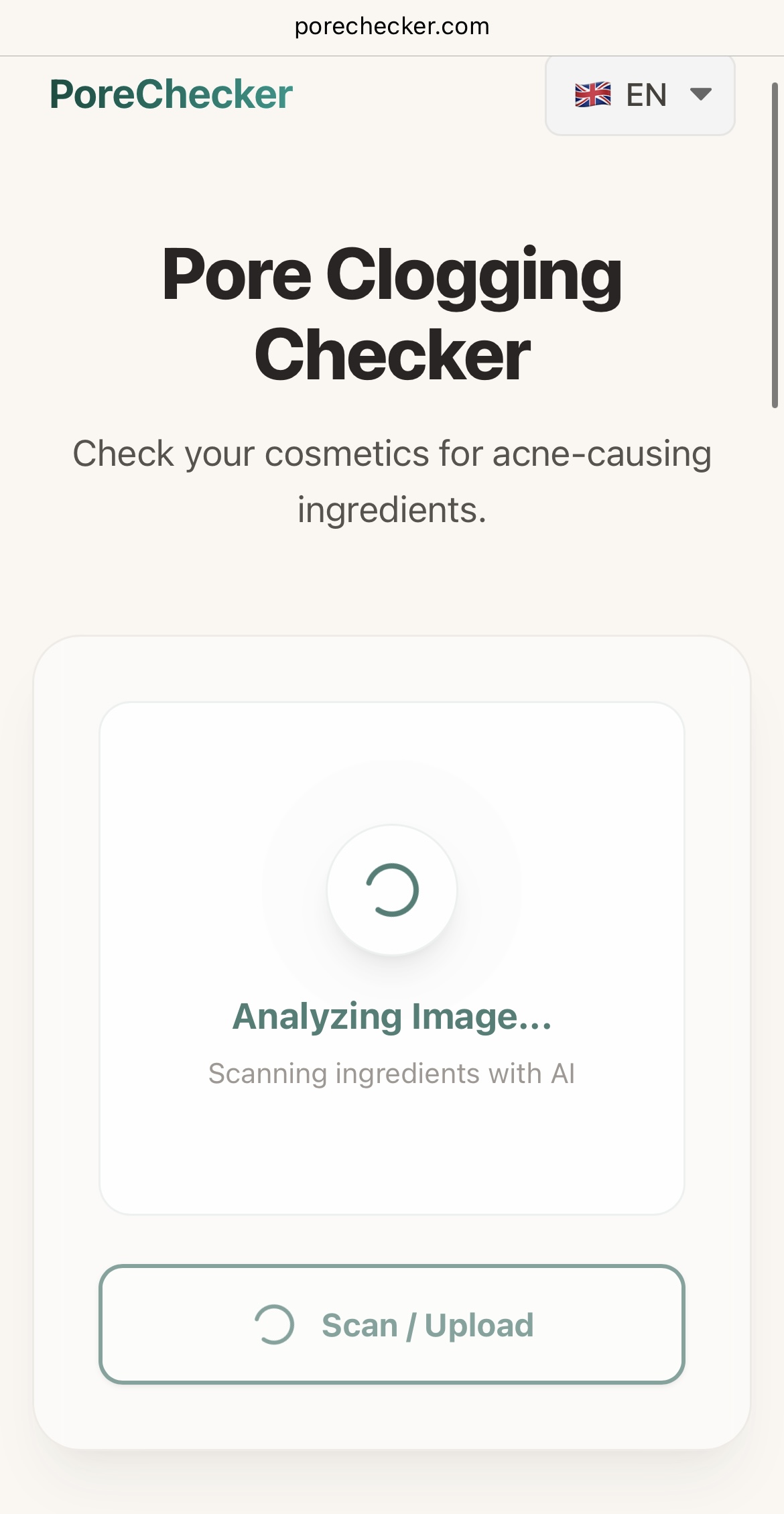
Step 2: Instant AI Ingredient Analysis
Our advanced AI scans the image, performs OCR (Optical Character Recognition), and matches every ingredient against our curated database of comedogenic substances.
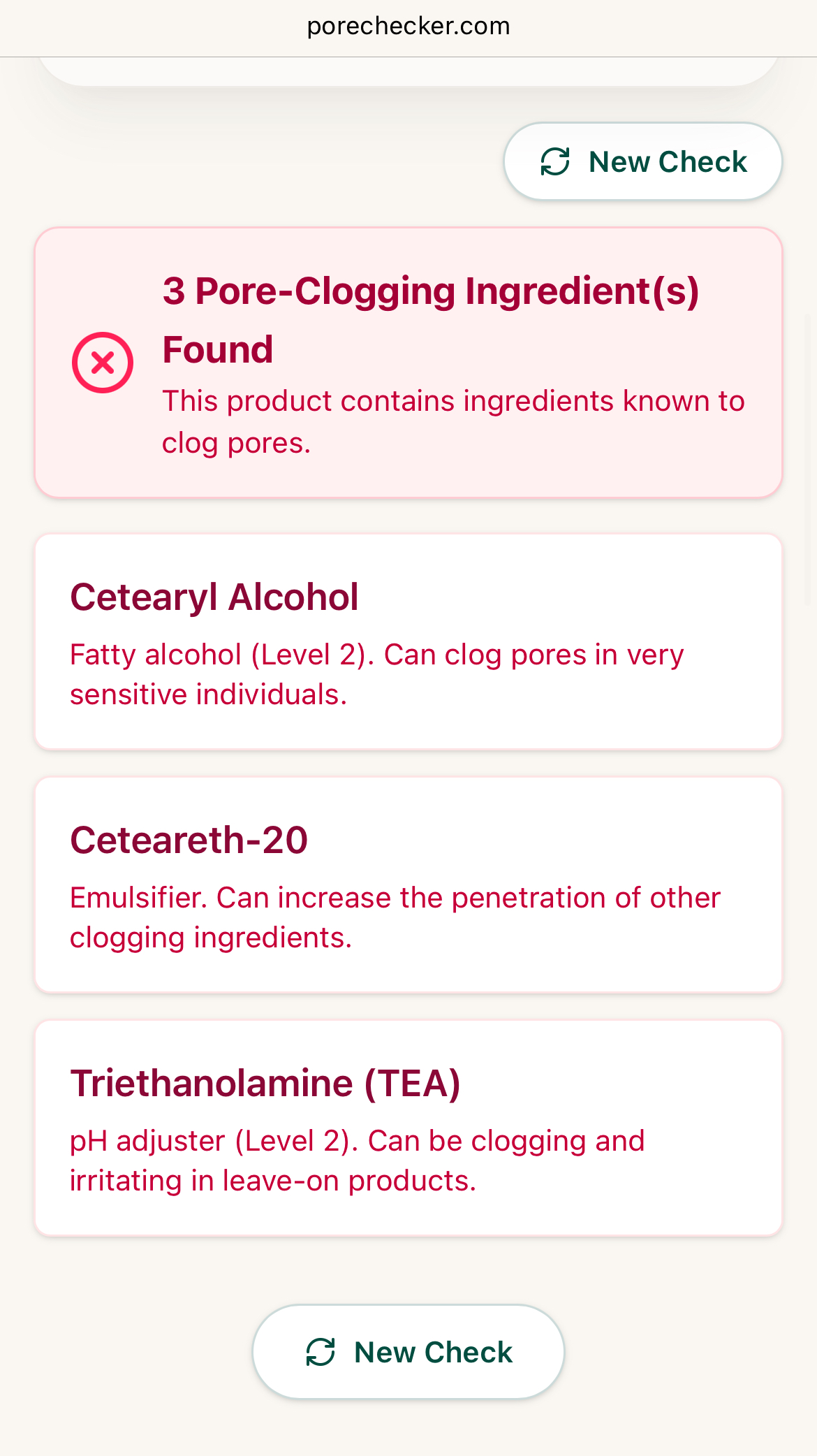
Step 3: Clear Results for Clearer Skin
You get an immediate breakdown. If any red-flag ingredients are found, we highlight them and explain why they might be problematic for your pores.
Does this product fit my skin's needs?
Check Your Products Now